They survived the extinction of the dinosaurs, can go months without eating and have the strongest bite ever measured in a living animal. Crocodiles, alligators, caimans and gharials are the ultimate prehistoric survivors.
But which of these armored giants is the biggest? These are the ten largest crocodilian species in the world, ranked by their maximum length. Most individuals stay well below these sizes, and old records are often hard to verify.
1. Saltwater crocodile: up to about 6.2 meters
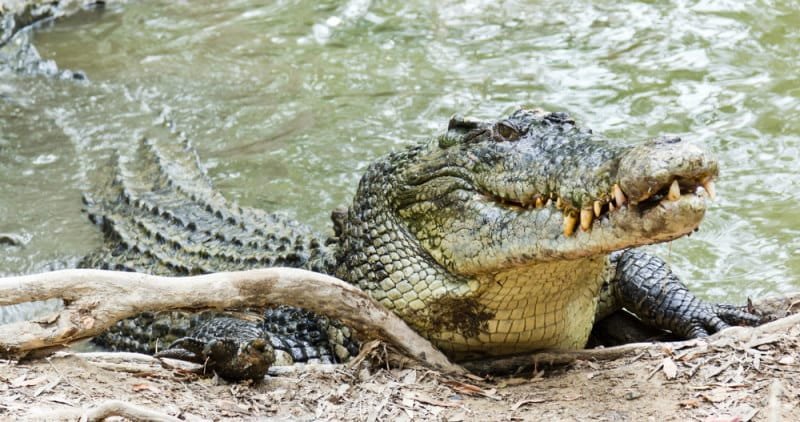
The saltwater crocodile is the largest reptile alive today. It lives from India and Southeast Asia to northern Australia and can swim hundreds of kilometers across open sea.
The largest ever measured was Lolong, caught in the Philippines in 2011, at 6.17 meters and about a tonne. Stories of 7-meter giants exist, but none have been reliably confirmed.
2. Nile crocodile: up to about 6 meters
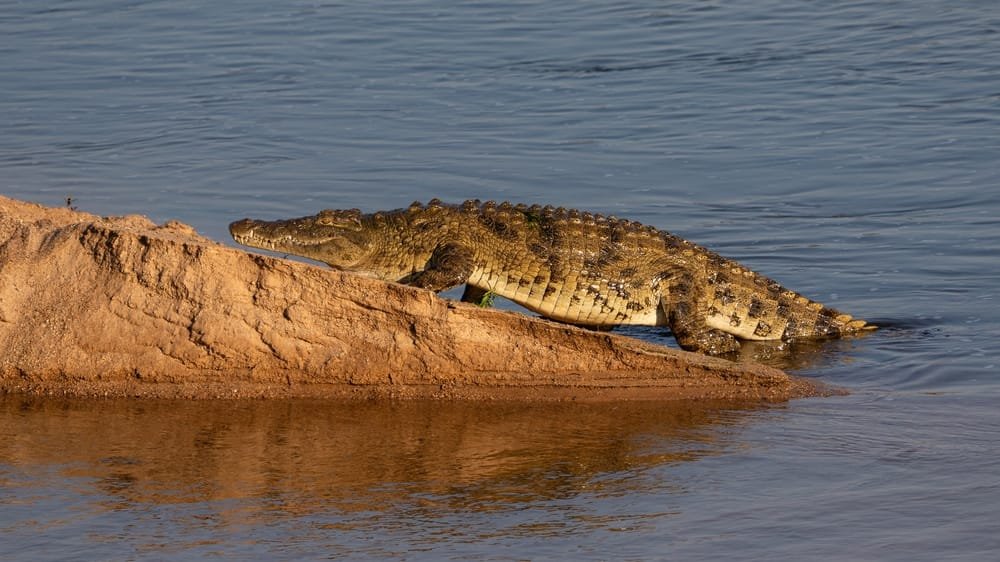
The Nile crocodile lives across much of sub-Saharan Africa. Large males can reach 5 to 6 meters and weigh around 750 kilograms or more.
It is responsible for more fatal attacks on people than any other crocodile, often in rivers where people fish, bathe and fetch water. A legendary Nile crocodile called Gustave, from Burundi, is said to have killed dozens of people.
3. Orinoco crocodile: up to about 6 meters
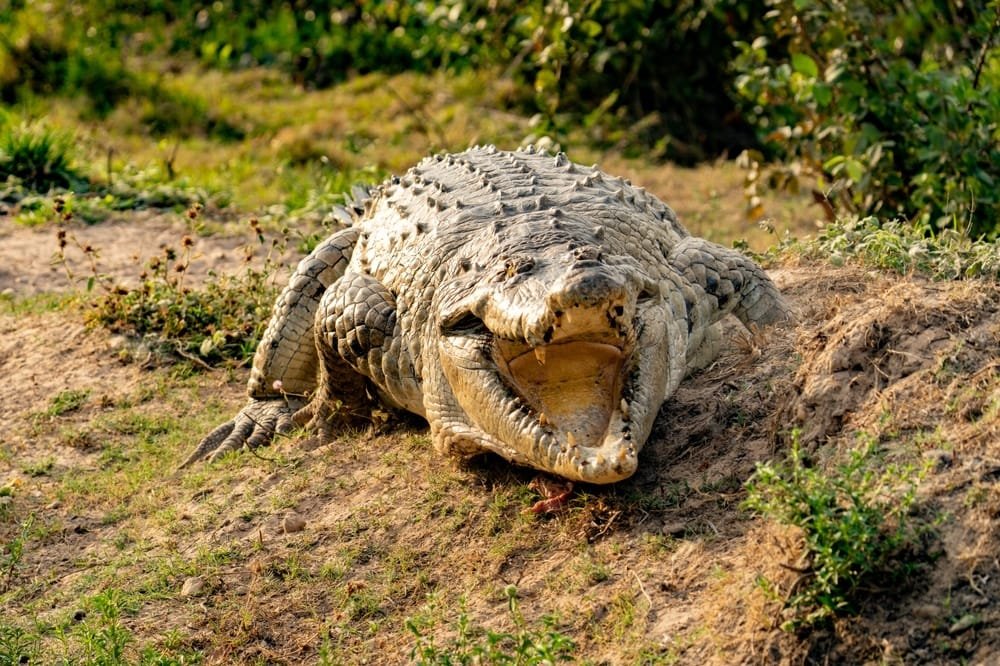
The Orinoco crocodile, from the Orinoco River basin in Venezuela and Colombia, is the largest predator in South America. Historical reports describe individuals of more than 6.5 meters.
Massive hunting for its skin in the 20th century pushed it to the brink, and it is now one of the most endangered crocodiles in the world. Today, giants of that size are no longer seen.
4. Black caiman: up to about 5 to 6 meters
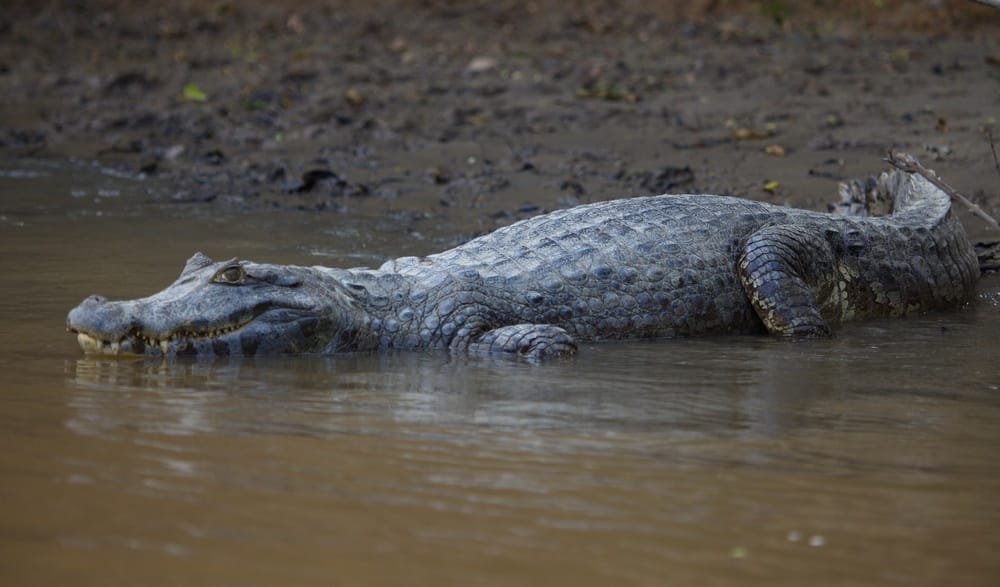
The black caiman is the largest predator in the Amazon. Its dark skin makes it almost invisible when it hunts at night.
It is by far the largest of the caimans, and the only one that is a real danger to humans. After being heavily hunted, its numbers have recovered in many areas.
5. Gharial: up to about 6 meters
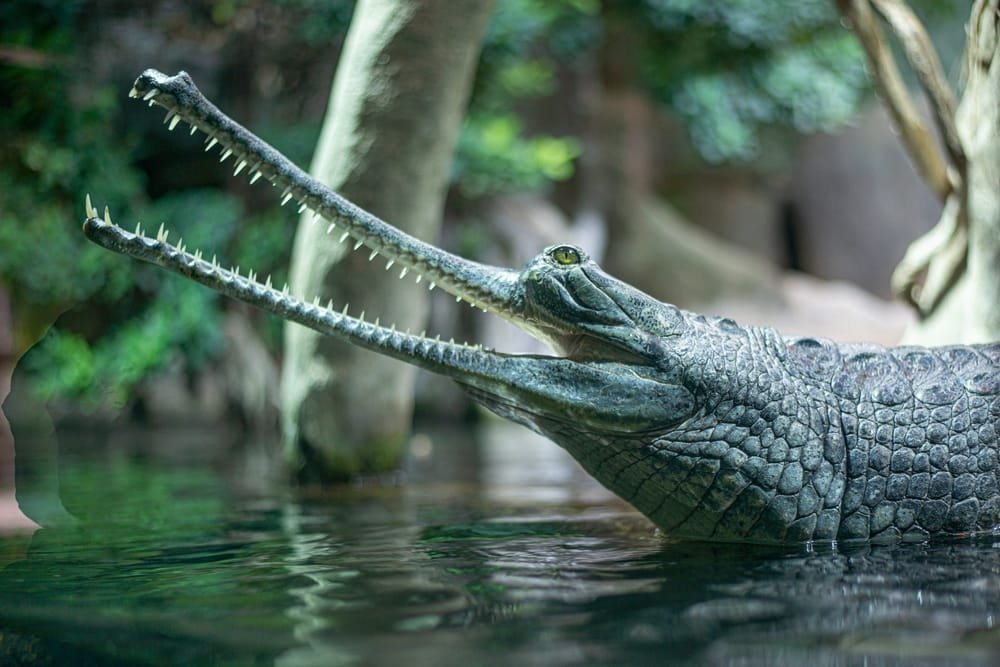
With its extremely thin snout and more than a hundred sharp teeth, the gharial looks like no other crocodilian. Large males can reach about 6 meters, and they have a bulbous growth on the tip of their snout, called a ghara, after an Indian clay pot.
Despite its size, the gharial eats almost only fish and is harmless to people. It lives in the rivers of northern India and Nepal and is critically endangered.
6. American crocodile: up to about 6 meters
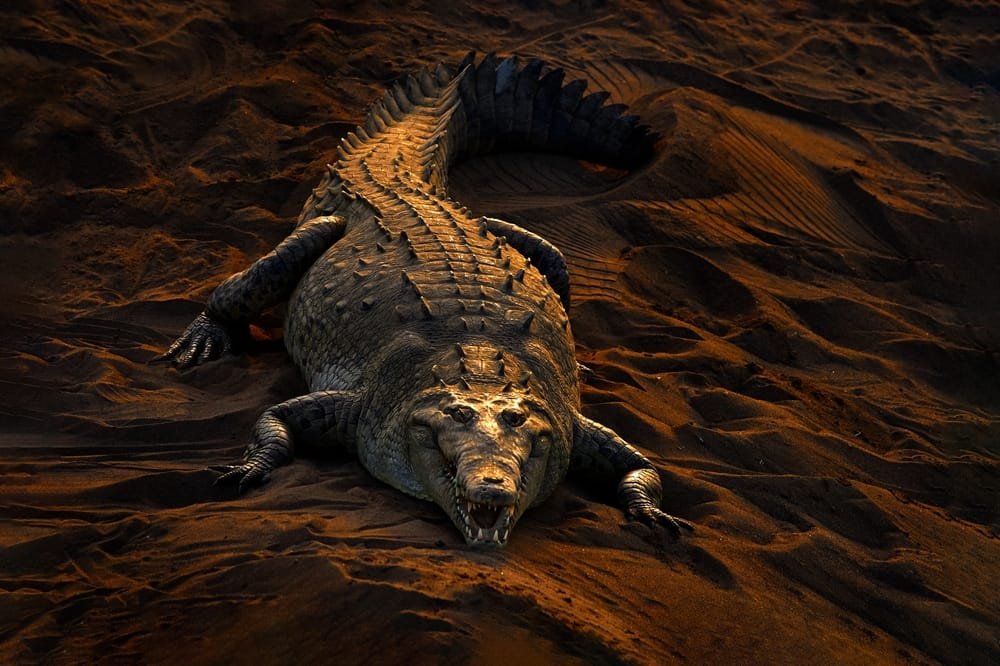
The American crocodile lives in Central America, the Caribbean, northern South America and the southern tip of Florida, where it shares the Everglades with alligators, the only place in the world where both live side by side.
It is comfortable in both fresh and salt water, and exceptionally large males can reach around 6 meters, although most stay much smaller.
7. False gharial: up to about 5 meters
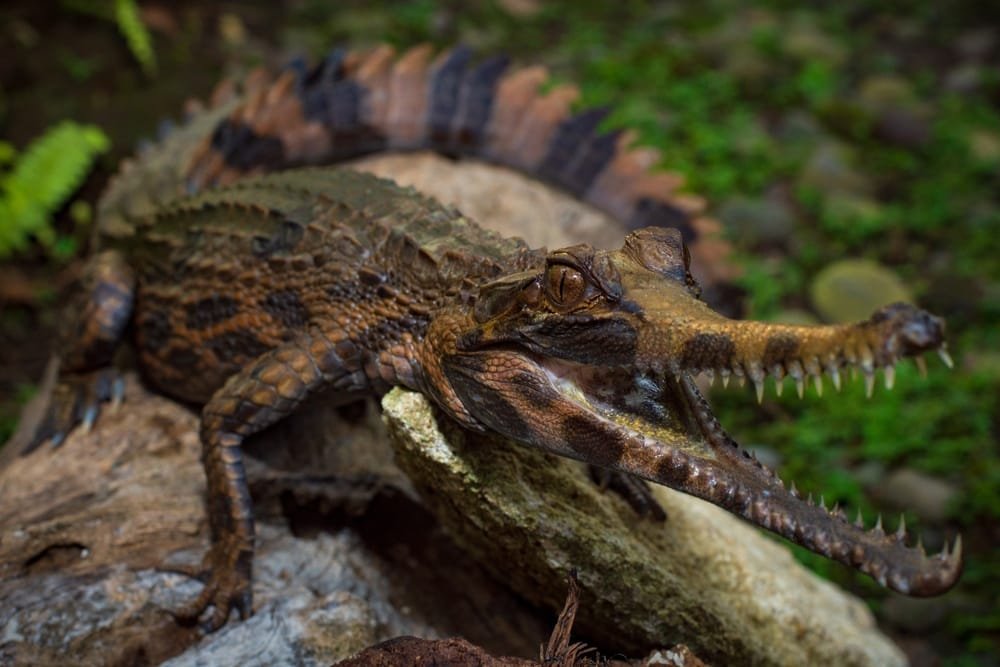
The false gharial, or Tomistoma, lives in the swamps and rivers of Malaysia and Indonesia. Like the real gharial, it has a long, slender snout, ideal for snapping up fish.
There is nothing “false” about its size, though. Males can grow to around 5 meters, and DNA studies suggest it may in fact be a close relative of the gharial.
8. Mugger crocodile: up to about 5 meters
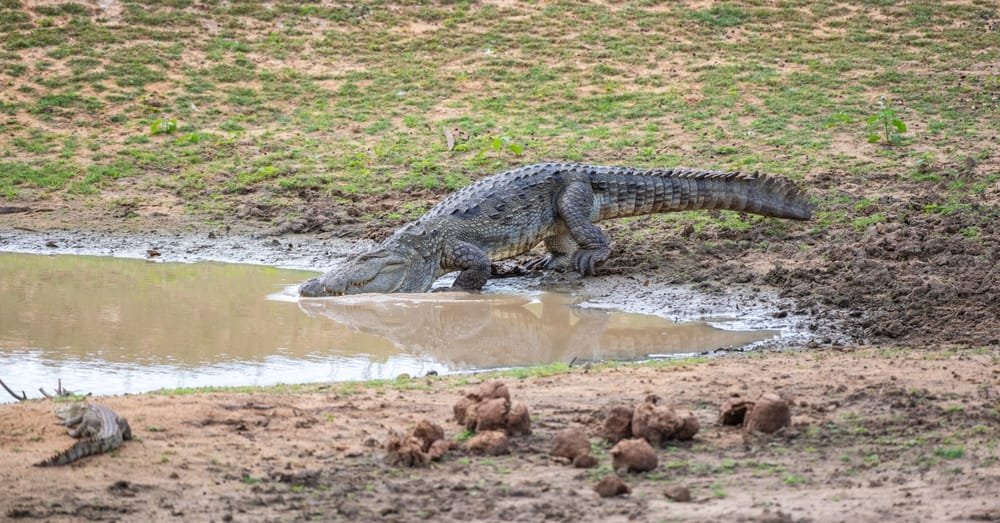
The mugger, or marsh crocodile, lives in India, Pakistan, Sri Lanka and Iran. It has a remarkably broad snout, almost like an alligator, and the largest males can reach about 5 meters.
It is a tough survivor that even lives in reservoirs and polluted waters close to cities. It is also one of the few reptiles known to use tools: muggers have been seen balancing sticks on their snouts during nesting season, possibly to lure birds looking for nest material.
9. American alligator: up to about 4.5 meters
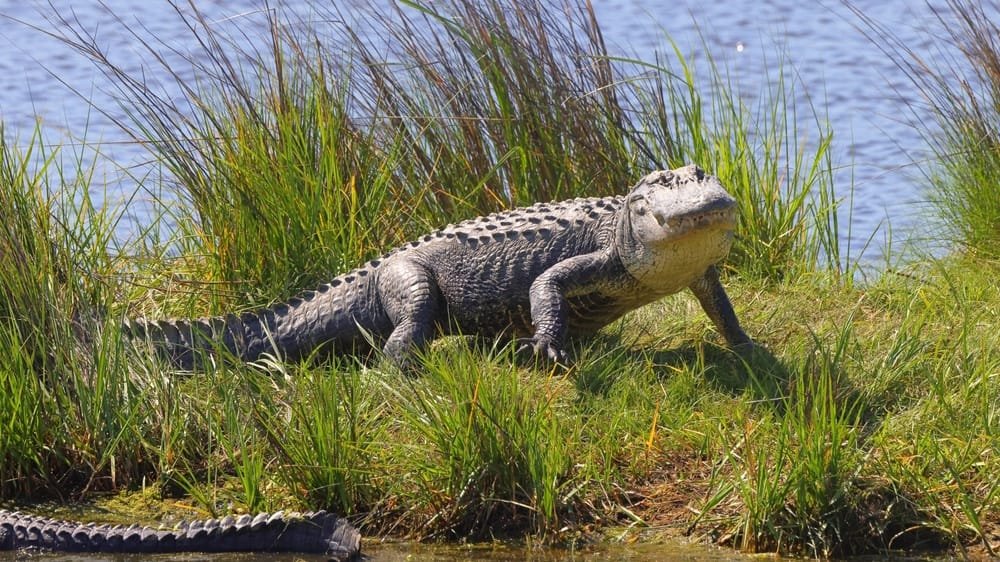
The American alligator rules the swamps and bayous of the southeastern United States, especially Florida and Louisiana. Most adults stay between 3 and 4 meters, but exceptional males reach about 4.5 meters.
Once close to extinction, it made a spectacular comeback after hunting was banned and is now counted in the millions. In the breeding season, males bellow so loudly that the water above their backs starts to “dance”.
10. West African slender-snouted crocodile: up to about 4 meters
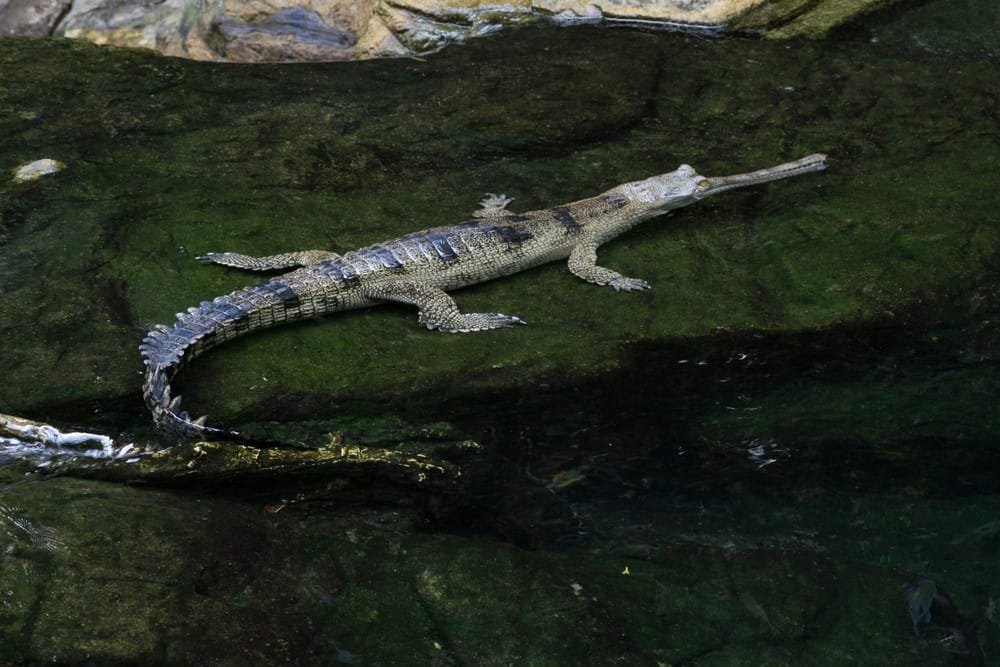
This crocodile from the rivers of West and Central Africa has a long, narrow snout and thick bony plates on its neck and back. It can grow to about 4 meters.
It is shy and spends much of its time hidden in rivers under dense forest. Hunting and habitat loss have made it critically endangered.