The IUCN Red List has a special category: extinct in the wild. These are species with no living individuals left in nature, but which still survive thanks to zoos, breeders or private collections.
For some, captivity was the last stop before extinction. For others, it became a lifeline, and a few have even made it back to the wild. These are ten animals that went extinct in the wild, and how they survived.
1. Northern white rhino
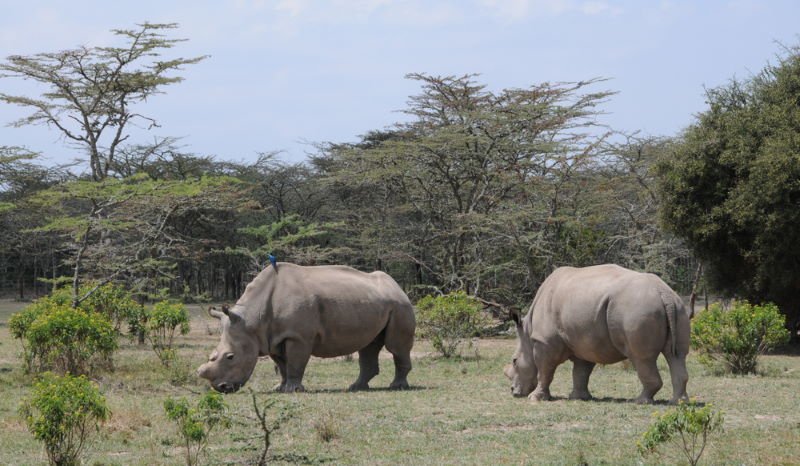
Only two northern white rhinos are left in the world: Najin and her daughter Fatu, both female. They live under armed guard at Ol Pejeta Conservancy in Kenya. The last male, Sudan, died in 2018.
Neither can carry a pregnancy, so the only hope lies in the lab. Scientists have created embryos using eggs from Fatu and frozen sperm from dead males. In 2024, they achieved the first successful IVF pregnancy in a rhino, using a southern white rhino as surrogate. If the technique works with a northern white embryo, the subspecies could still be saved.
2. Scimitar-horned oryx
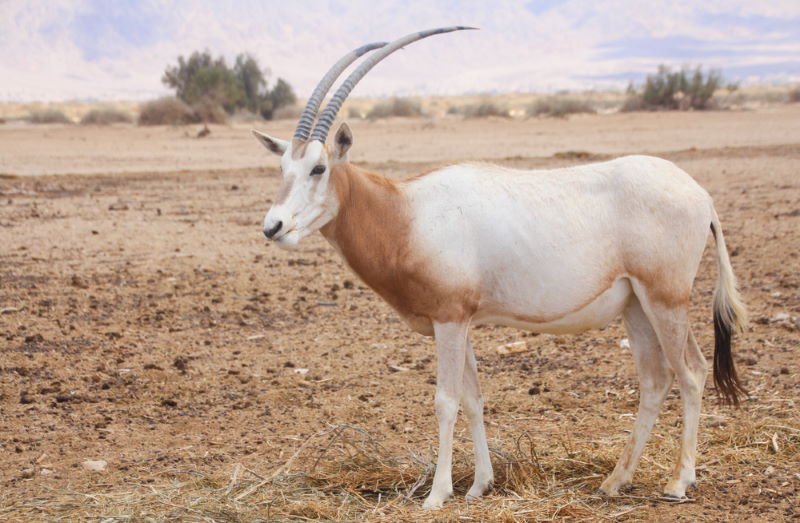
With its long, curved horns, the scimitar-horned oryx once roamed the Sahel in herds of thousands. It was hunted to extinction in the wild by the end of the 20th century, as guns and off-road vehicles made it an easy target.
Fortunately, thousands survived in zoos and on ranches in Texas and the United Arab Emirates. In 2016, a reintroduction project began in Chad, and the herd there has since grown to hundreds of animals breeding on their own. In 2023, the IUCN moved the species from extinct in the wild to endangered, a rare conservation success story.
3. Spix’s macaw
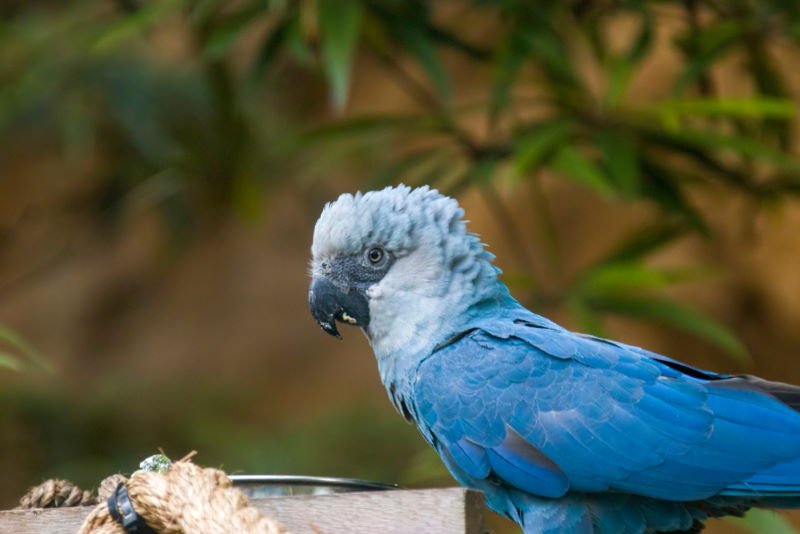
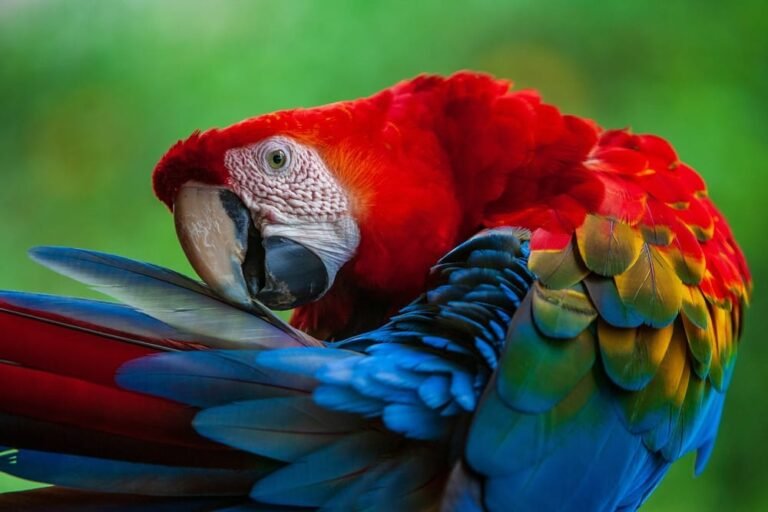
This bright blue parrot, made famous by the animated film Rio, lived only in a small area of dry forest in northeastern Brazil. Habitat loss and illegal trapping for collectors wiped it out. The last known wild bird disappeared in 2000.
Around 60 birds survived in private collections and breeding centers in Germany, Qatar and Brazil. After two decades of careful breeding, the first group was released back into the wild in Brazil in 2022, and the birds have since bred in nature.
4. Guam kingfisher
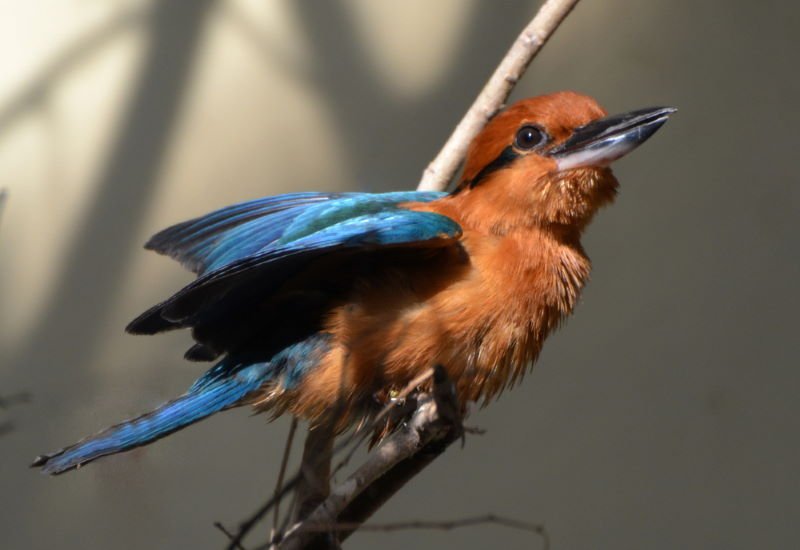
On the Pacific island of Guam, this colorful bird is called the sihek. After World War II, the brown tree snake arrived, probably as a stowaway in military cargo. The birds had never encountered tree-climbing snakes and had no defenses.
By the late 1980s, the last 29 wild kingfishers were captured for a breeding program. Because Guam is still full of snakes, they could not go home. In 2024, the first captive-bred siheks were released on Palmyra Atoll, a snake-free island thousands of kilometers away.
5. Hawaiian crow
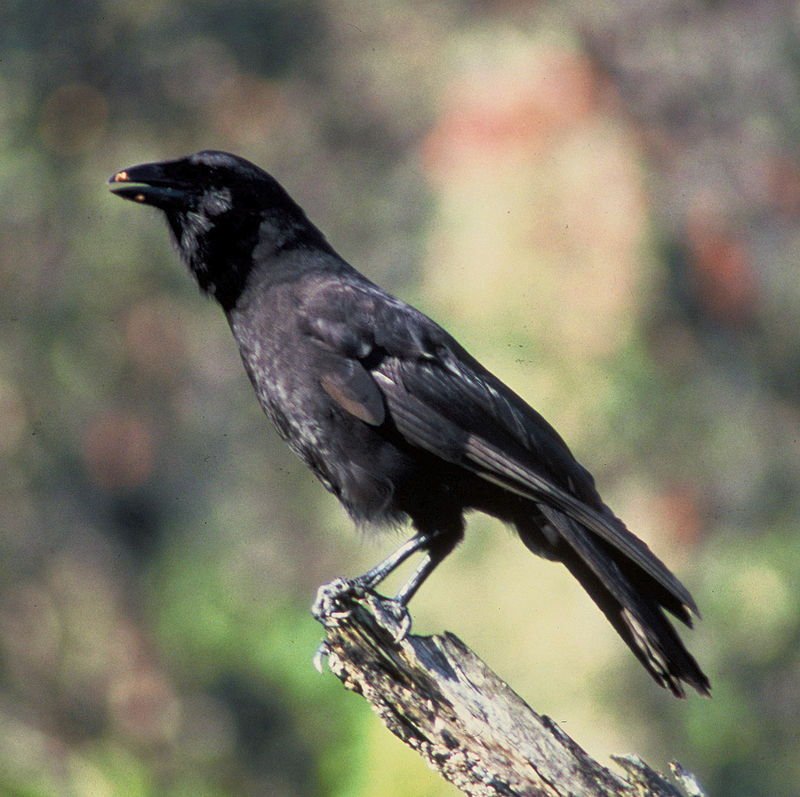
The Hawaiian crow, or ʻalalā, is one of the smartest birds in the world and one of the few that naturally use tools, poking sticks into holes to extract food.
Introduced diseases, rats and habitat loss pushed it to the brink, and the last wild birds disappeared in 2002. Captive breeding increased their numbers, but releases on the Big Island between 2016 and 2019 failed, largely because many were killed by the native Hawaiian hawk. New efforts focus on Maui, where there are no hawks.
6. Barbary lion
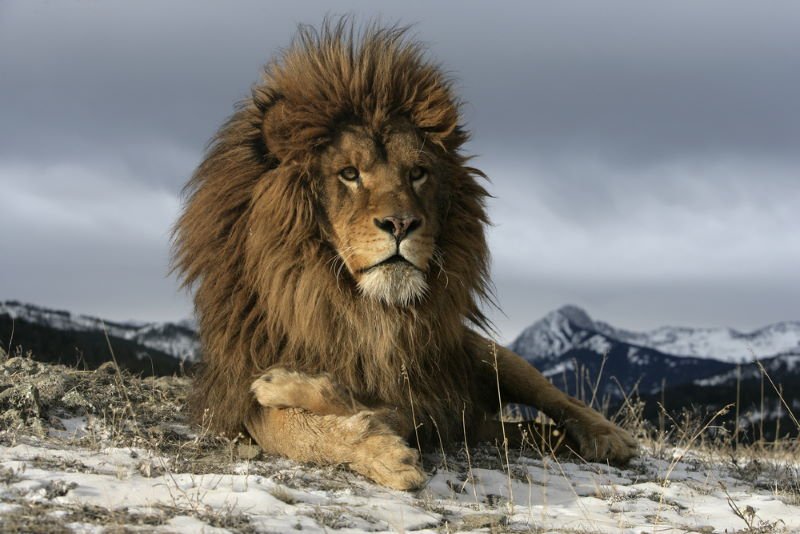
The Barbary lion of North Africa’s Atlas Mountains was famous for its size and dark mane. The Romans captured them by the thousands for their arenas. Hunting wiped them out, and the last known wild one was shot in Morocco in the 1940s.
Some zoo lions are said to descend from the Moroccan king’s royal collection. But DNA tests show they have been mixed with other lions over the years, so no pure Barbary lions are believed to remain.
7. Père David’s deer
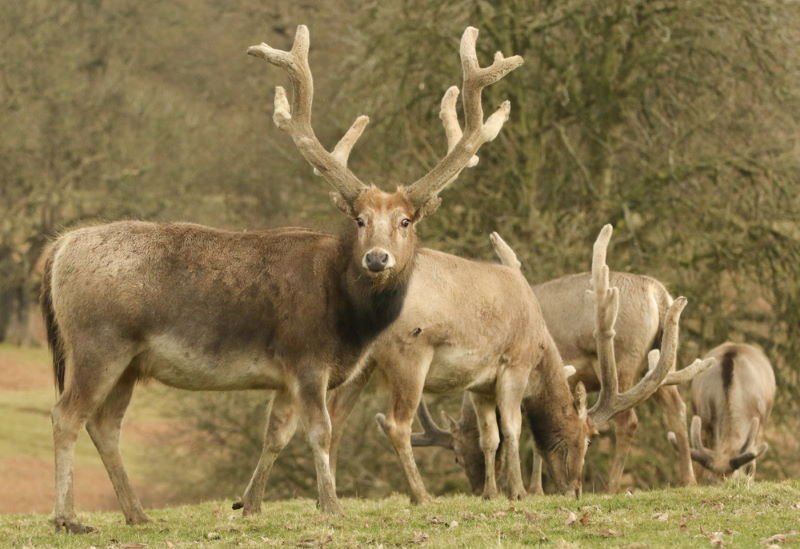
In 1865, French missionary Armand David discovered this strange deer in the emperor’s hunting park near Beijing. It had already vanished from the wild in China. In Chinese, it is called sibuxiang, “four unlikes”: the antlers of a deer, the neck of a camel, the hooves of a cow and the tail of a donkey.
Floods and war destroyed the last herd in China by 1900. Luckily, the Duke of Bedford had gathered the last 18 animals from European zoos on his estate at Woburn Abbey in England. Almost all living Père David’s deer descend from them. Since 1985, they have been returned to China, where thousands now live again.
8. Socorro dove
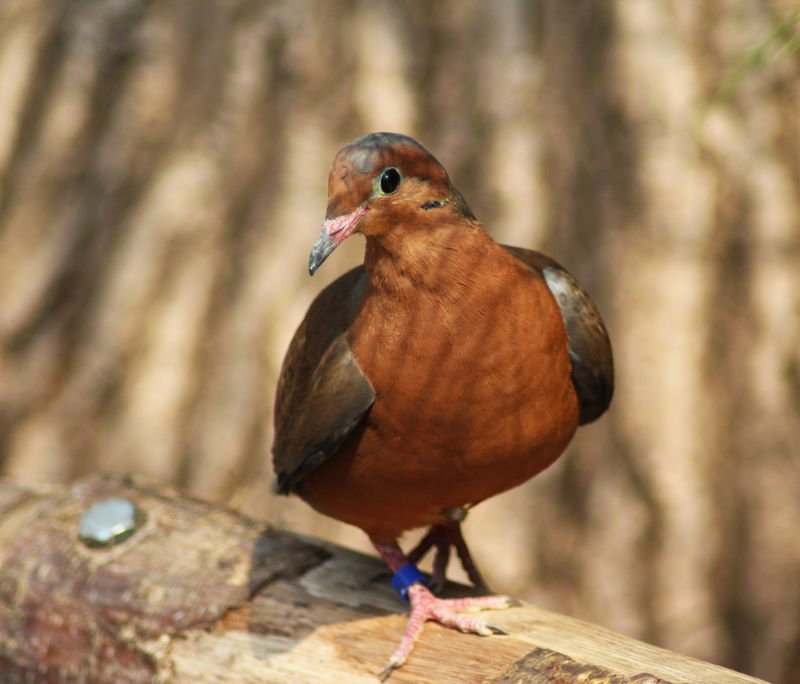
The Socorro dove lived only on Socorro Island, about 600 kilometers off the west coast of Mexico. It foraged on the ground and had no natural enemies.
Feral cats, brought along with a military base, and sheep that destroyed its habitat wiped it out. The last wild bird was seen in 1972. Birds collected earlier had been bred in captivity, and today a few hundred live in zoos in Europe and North America. Now that sheep have been removed from the island, plans are underway to bring the dove back home.
9. Wyoming toad
The Wyoming toad lived only in the Laramie Basin in Wyoming. It was common until the 1950s, but pesticides and a deadly fungal disease caused its population to crash, and by 1980 it was thought to be extinct.
In 1987, a small population was rediscovered at Mortenson Lake, and the survivors were brought into captivity. Thousands of captive-bred toads and tadpoles have since been released, but because of the fungus, the wild population still depends on these regular releases.
10. Black softshell turtle
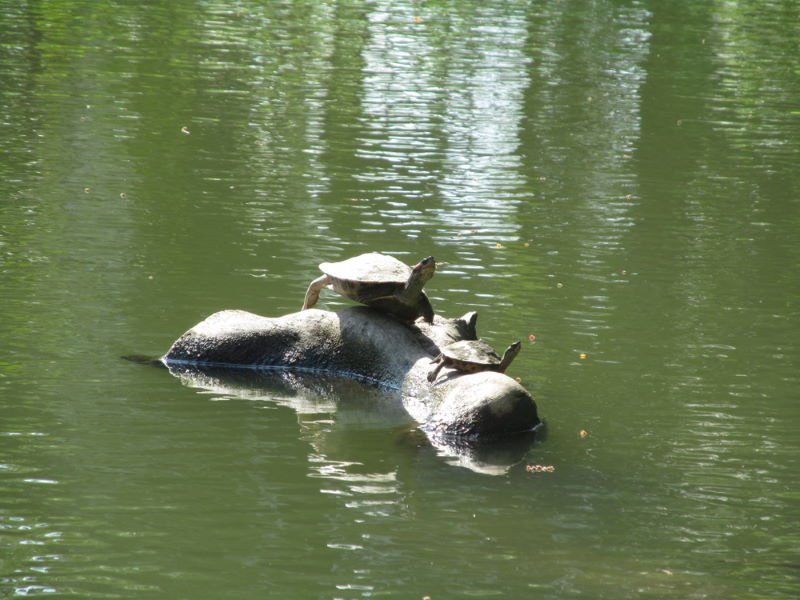
In 2002, the IUCN declared the black softshell turtle extinct in the wild. The only known population lived in a pond at the shrine of the Sufi saint Bayazid Bastami in Chittagong, Bangladesh, where pilgrims fed the turtles, believed by legend to be cursed spirits.
Later, small populations were found in temple ponds and rivers in the Indian state of Assam. Conservationists now work with temple communities to hatch eggs and release young turtles into the wild, giving the species a second chance.