While some animals live for centuries, life for other species is a fleeting affair of days, weeks or a few months. These animals have a strategy that is entirely focused on rapid development and reproduction in the short time they have. These are nine animals known for their exceptionally short lives.
1. Mayflies: champions of the short life
The adult stage of a mayfly lasts only a few hours to at most a few days, depending on the species. In that time, they have only one mission: to mate and lay eggs. Adults do not even have working mouthparts, so they cannot eat. All their energy was stored during their larval stage, which they spend underwater and which can last months or even years. The adult is essentially a flying reproductive machine. One North American species, Dolania americana, holds the record: adult females live for less than five minutes.
2. Gastrotrichs
Gastrotrichs are microscopic, worm-like animals that live in water and damp soil. Their entire life cycle often lasts only around 3 to 10 days. In that extremely short time, they develop from egg to adult, reproduce and die. Many species can reproduce without a male. This rapid turnover of generations allows them to take full advantage of favorable but temporary conditions in their tiny habitat.
3. Drone bees: a short and functional existence
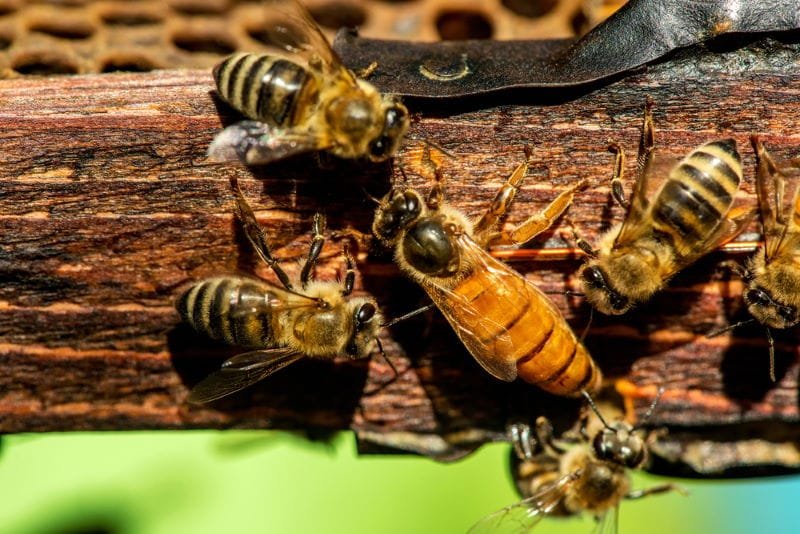
Drones, the male honeybees, usually live a few weeks to a few months in summer. Their only biological function is to mate with a new queen during her mating flight. A drone that successfully mates dies immediately afterwards, because his reproductive organs are torn off and remain inside the queen. Drones that do not mate are driven out of the hive by the workers at the end of the season, when food becomes scarce, and they die of cold and hunger.
4. Houseflies
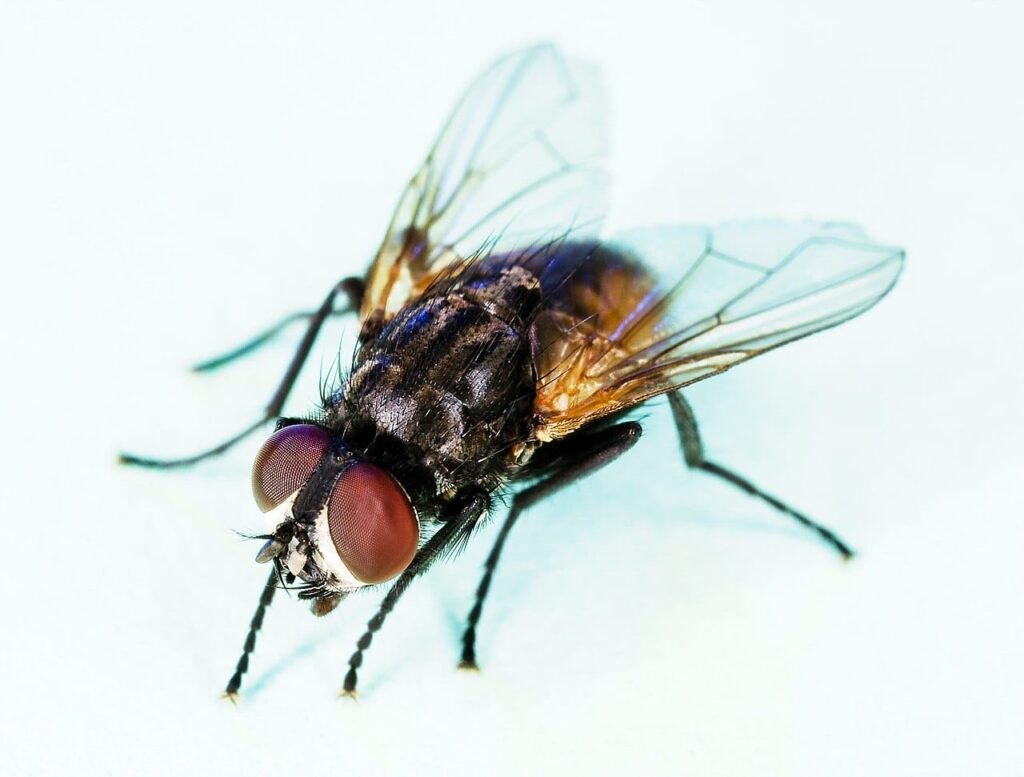
The common housefly lives as an adult for around two to four weeks on average, depending on temperature and food. In that time, a female lays hundreds of eggs in several batches. In ideal conditions, development from egg to adult takes less than two weeks, which explains how a single fly could in theory lead to millions of descendants in one summer.
5. Turquoise killifish
The turquoise killifish (Nothobranchius furzeri) lives in temporary pools in Zimbabwe and Mozambique that dry up completely during the dry season. Its entire life cycle is adapted to this. The fish hatch at the start of the rainy season, grow at record speed, mature within a few weeks, mate and lay eggs in the mud. When the pool dries up, all the adult fish die. Only the eggs survive, in a dormant state, until the next rainy season. In the lab, it is one of the shortest-lived vertebrates, which makes it a popular model for research on aging.
6. Seven-figure pygmy goby
The seven-figure pygmy goby (Eviota sigillata), a tiny fish of only a few centimeters from the coral reefs of the Indo-Pacific, has the shortest known lifespan of any vertebrate: a maximum of around 59 days. It spends about three weeks as a larva in the open ocean, then settles on the reef, matures in one to two weeks and has only around three and a half weeks of adult life left to reproduce. And many are eaten long before that.
7. Labord’s chameleon
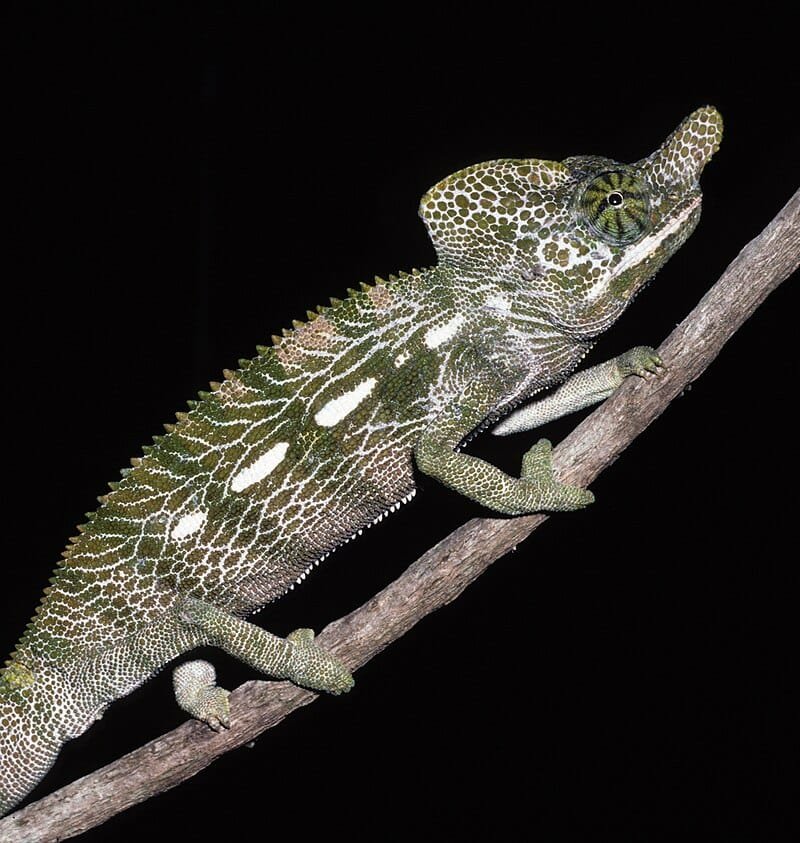
Labord’s chameleon (Furcifer labordi) from southwestern Madagascar has the shortest known lifespan of any four-legged vertebrate. The eggs hatch in November, at the start of the rainy season. The young chameleons grow incredibly fast and mate within a few months. Then they lay eggs and die, all of them, before the dry season begins. For most of the year, the entire species exists only as eggs in the ground. After hatching, they live for only four to five months.
8. Antechinus: a fatal mating season
The antechinus is a small, mouse-like marsupial from Australia. The males have one of the most extreme life strategies of any mammal. During a mating season of a few weeks, they mate for hours on end with as many females as possible, barely eating or sleeping. The stress hormones released during this frenzy shut down their immune system, and their bodies literally fall apart. After the mating season, all the males die, at around eleven months old.
9. Shrews
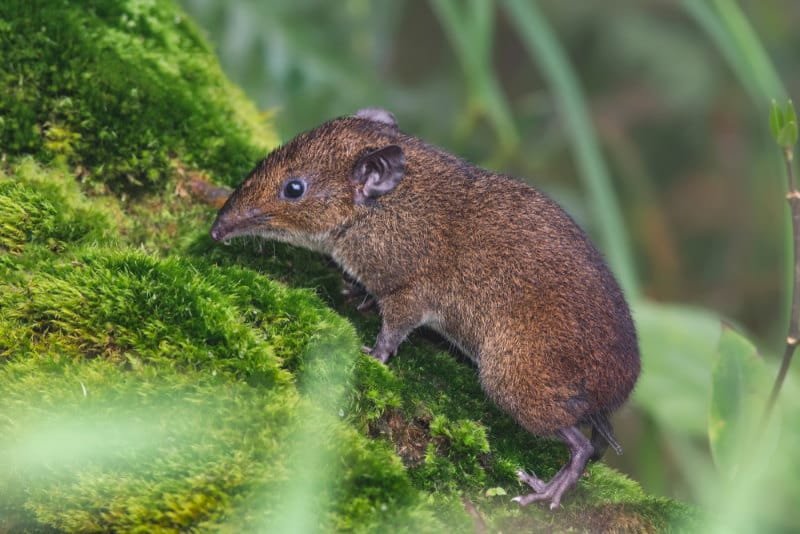
Shrews rarely live longer than a year or so in the wild. Their extremely fast metabolism demands so much energy that they have to eat almost constantly: some species eat more than their own body weight every day. The tiny Etruscan shrew, one of the smallest mammals in the world, can have a heart rate of more than 1,000 beats per minute. They make up for their short lives with high reproduction rates: a female can raise several litters a year.
An extremely short life is just as successful an evolutionary strategy as a long one. Animals that live fast and die young maximize their chances of passing on their genes by producing many offspring in a short time. It is the opposite of the strategy of an elephant or a human, but in the right niche, it has worked for millions of years.