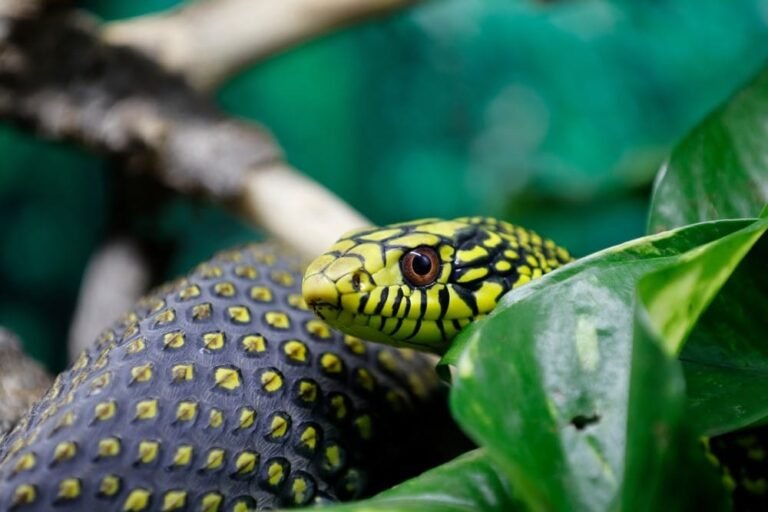
In the animal kingdom, it is often assumed that males call the shots: they are seen as the leaders, the fighters and the protectors. But in a number of species, the females are firmly in charge, or at least do most of the leading. These are nine animal species where females are the boss.
1. Spotted hyena
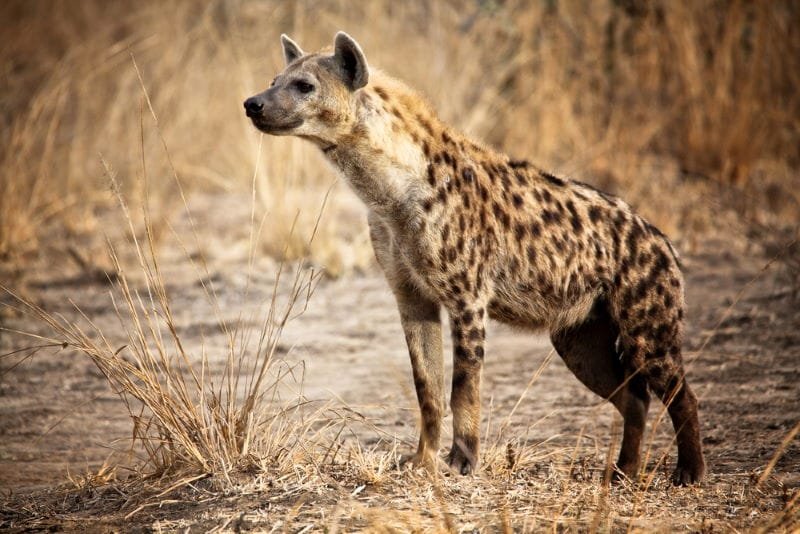
In spotted hyena clans, the females rule. They are larger, heavier and more aggressive than the males, and even the lowest-ranking female usually outranks the highest-ranking male that joined from another clan. Young females inherit their mother’s rank. Female hyenas also have a unique anatomy: their genitals look so similar to those of males that, for centuries, people thought hyenas were hermaphrodites. Males have to be careful and submissive if they want to stay in the clan and get a chance to mate.
2. Elephants
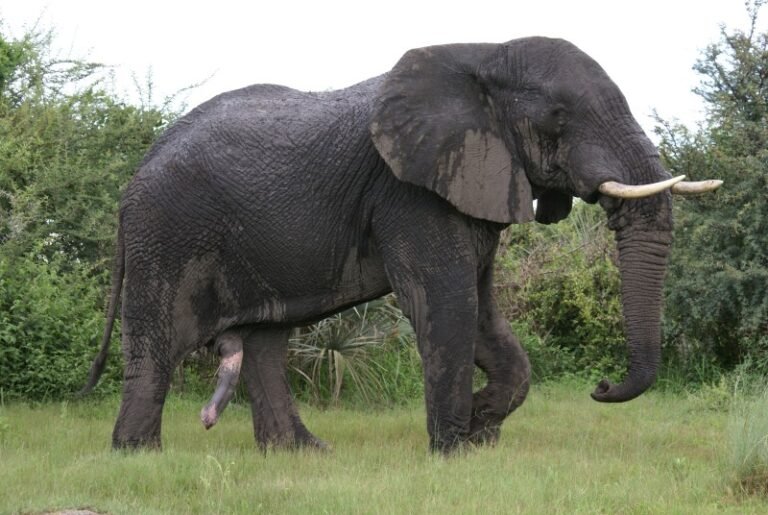
Elephant herds are led by the oldest and most experienced female, the matriarch. The herd consists of related females and their young, while adult males usually live alone or in loose bachelor groups. The matriarch’s knowledge is essential for the herd’s survival: she remembers where to find water and food in times of drought, and how to react to dangers such as lions and humans. Research has shown that herds with older matriarchs are better at recognizing threats.
3. Orcas
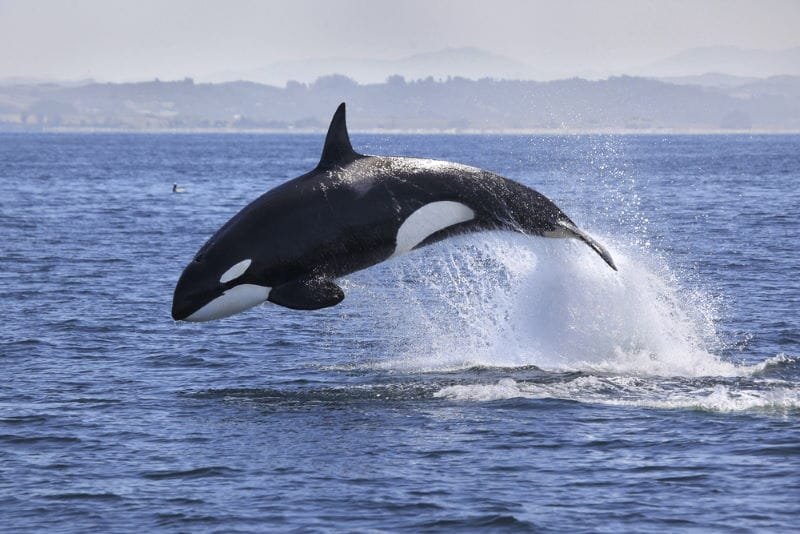
Many orcas live in tight-knit family groups led by the oldest female. In some populations, both sons and daughters stay with their mother for life. Remarkably, female orcas, like humans, go through menopause and can live for decades after they stop reproducing. Research shows that these grandmothers lead the group to food, especially in difficult years when salmon is scarce, and that their presence increases the survival of their grandchildren. Adult sons even have a higher chance of dying if their mother dies.
4. Bonobos
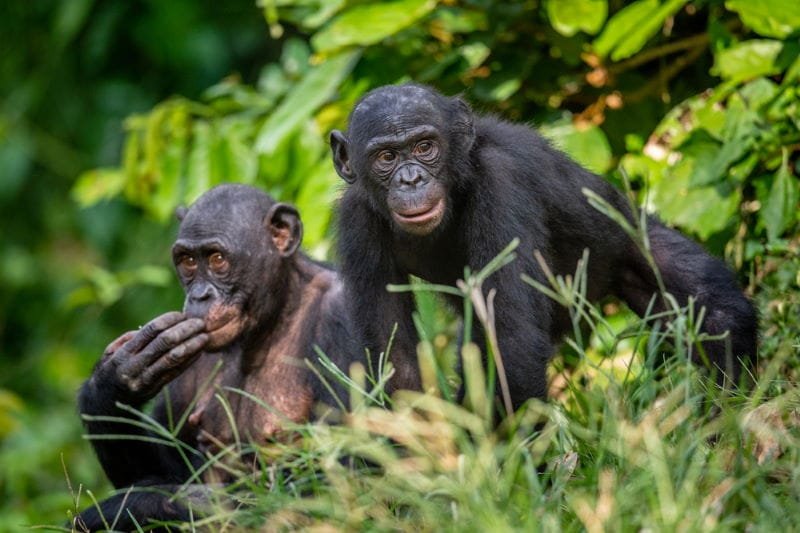
Bonobos, together with chimpanzees our closest living relatives, live in groups in which females have the upper hand. Although males are physically larger, females form strong alliances with each other. When a male behaves aggressively, females band together to put him in his place. Bonobos are also famous for using social and sexual contact to defuse tension and resolve conflicts, which is why their societies are generally much more peaceful than those of chimpanzees.
5. Ring-tailed lemurs
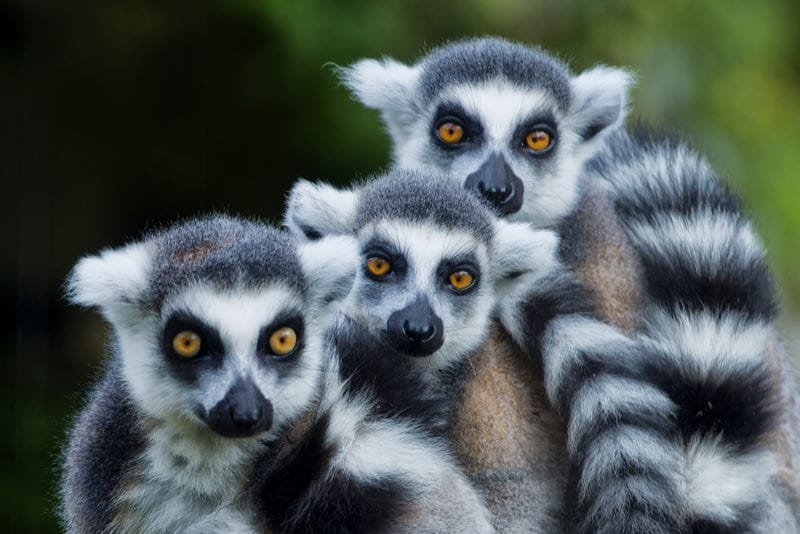
In ring-tailed lemurs from Madagascar, female dominance is the rule. Females have first access to food and the best resting places, and can push males aside or even slap them. Groups are led by females, while males often move between groups. During the breeding season, males engage in so-called “stink fights”, in which they rub their tails with scent from glands on their wrists and wave them at each other.
6. Naked mole-rats
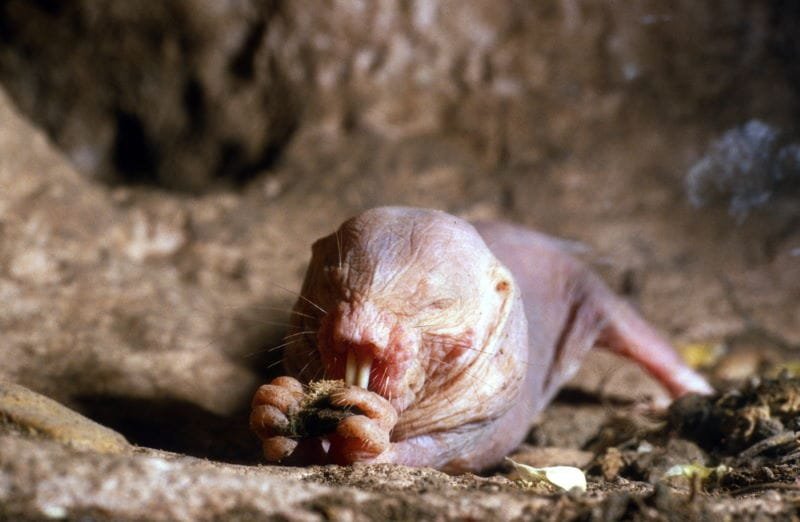
These animals will not win a beauty contest, but their colonies are led by a female at the top. A colony, which can have dozens to hundreds of members, works much like a colony of bees or ants. Only the queen breeds, with one to three males. She suppresses the reproduction of the other females, and if she dies, fierce and sometimes deadly fights break out among the females to take her place. When a female becomes queen, her body even becomes longer, to make room for larger litters.
7. Clownfish
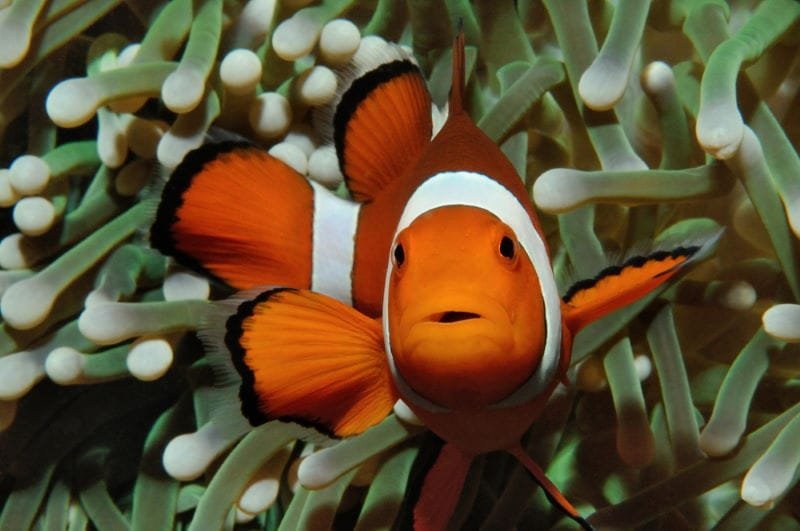
You probably know the clownfish from Finding Nemo. In each anemone, a small group lives with a strict hierarchy, at the top of which is the largest and most dominant fish: the female. Next comes the breeding male, and below them smaller, non-breeding males. If the female dies, the breeding male changes sex and becomes the new female, and the next male in line becomes the breeding male. In the real version of Finding Nemo, Nemo’s father would have turned into his mother.
8. Topi antelopes
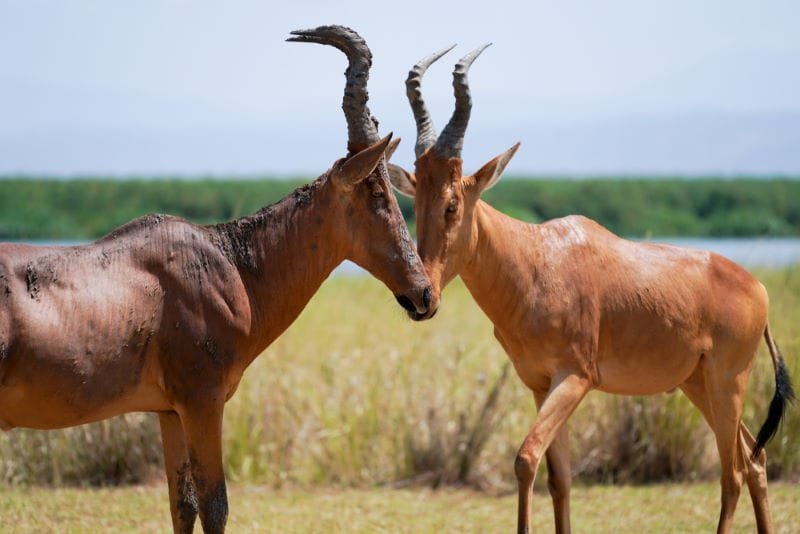
In many animals, males fight for females during the mating season. In the topi, an African antelope, the roles are partly reversed. Researchers found that during the very short period in which they are fertile, females compete fiercely for the most attractive males, and even attack other females that are mating with “their” male. Males, in turn, are sometimes so exhausted by all the attention that they become choosy, and occasionally reject females.
9. Lions
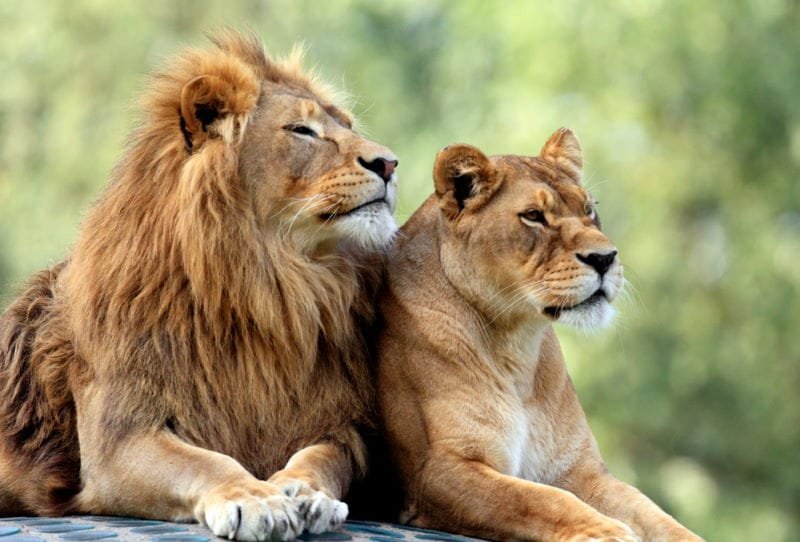
When you think of a lion, you think of a male with an impressive mane. But a pride is built around a group of related females, who often stay together for life, while males come and go. Lionesses do most of the hunting, raise the cubs together and even nurse each other’s cubs. Males do defend the territory and often eat first at a kill, but every few years, they are driven out by new males. The lionesses form the stable heart of the pride.