Some animals have noses so strange that they look almost unreal. Some are tiny, others are as big as an elephant’s. Every nose has its purpose, whether it is for finding food, drinking, fighting or attracting a partner.
These are 13 animals with strange noses.
1. Star-nosed mole
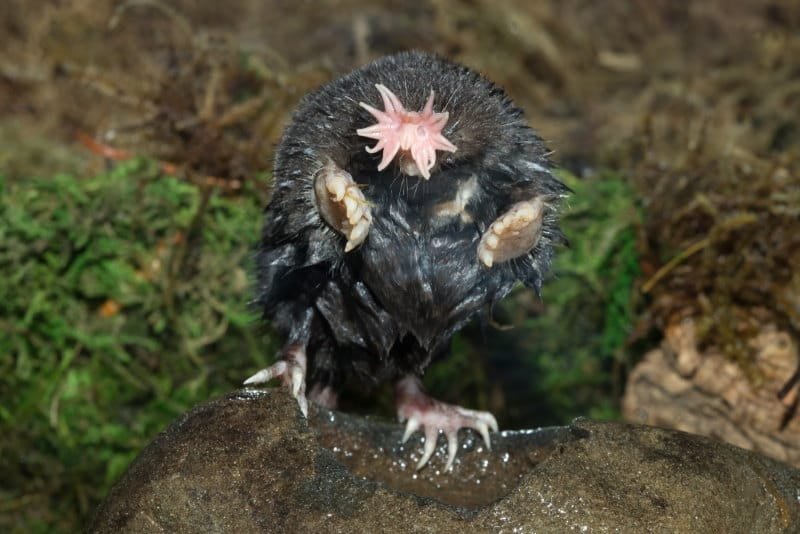
This small mole from eastern Canada and the northeastern United States easily tops the list. Its nose consists of 22 fleshy tentacles arranged in a star around its nostrils. The star is not used for smelling but for touch: it contains more than 100,000 nerve endings and is one of the most sensitive touch organs in the animal kingdom. With it, the mole can identify and eat a worm or insect in a fraction of a second, making it one of the fastest foragers in the world.
2. Proboscis monkey
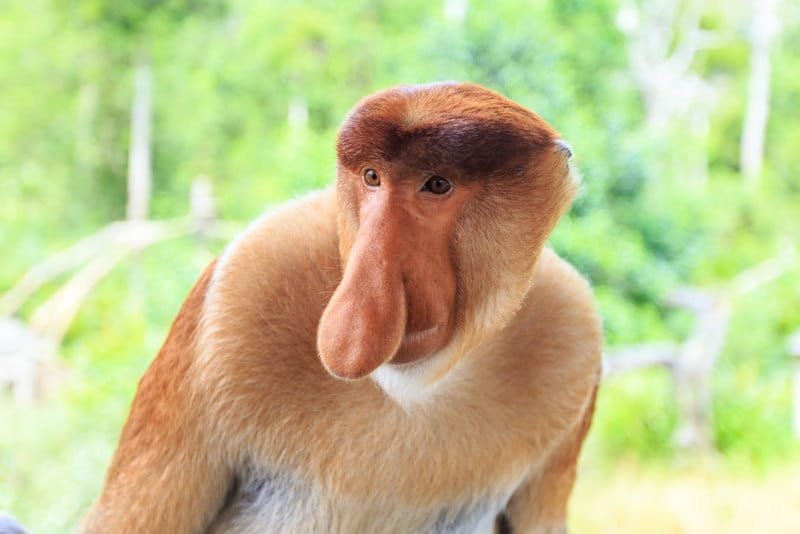
If you thought someone in your family had a big nose, think again. The male proboscis monkey of Borneo has a nose that can grow more than 10 centimeters long and hangs down over its mouth. The nose amplifies the male’s calls, and females prefer males with bigger noses. Sadly, the proboscis monkey is endangered.
3. Myanmar snub-nosed monkey
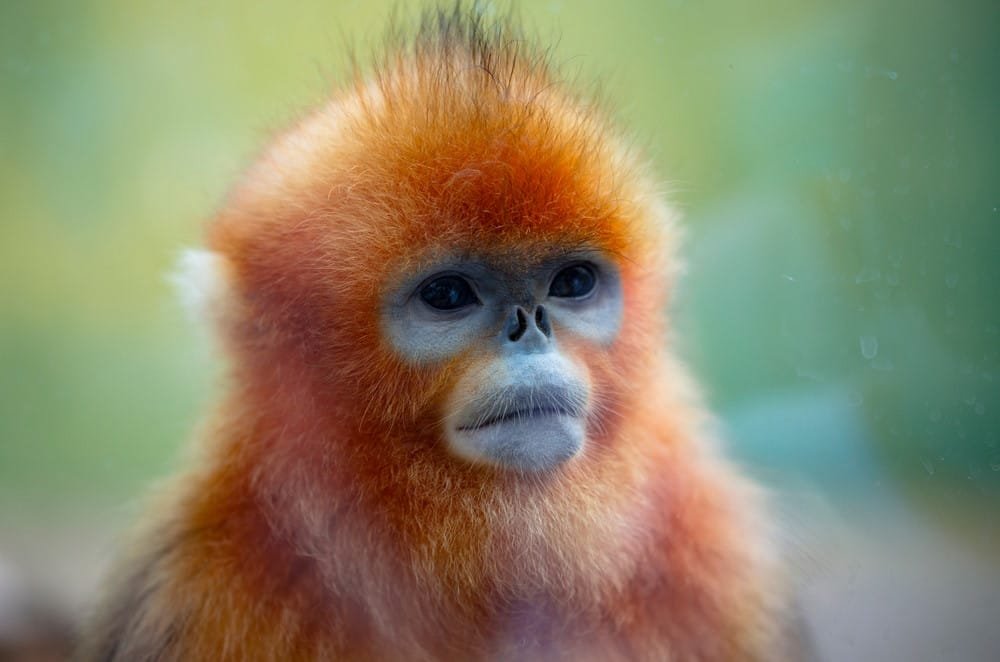
Snub-nosed monkeys have such flat noses that their nostrils point almost straight forward. The Myanmar snub-nosed monkey, only discovered by scientists in 2010, has a particularly strange problem: when it rains, water gets into its upturned nose and makes it sneeze. Local people say that on rainy days, these monkeys sit with their heads tucked between their knees to keep the rain out. Their sneezing also makes them easier for hunters to find. The species is critically endangered.
4. Mandrill
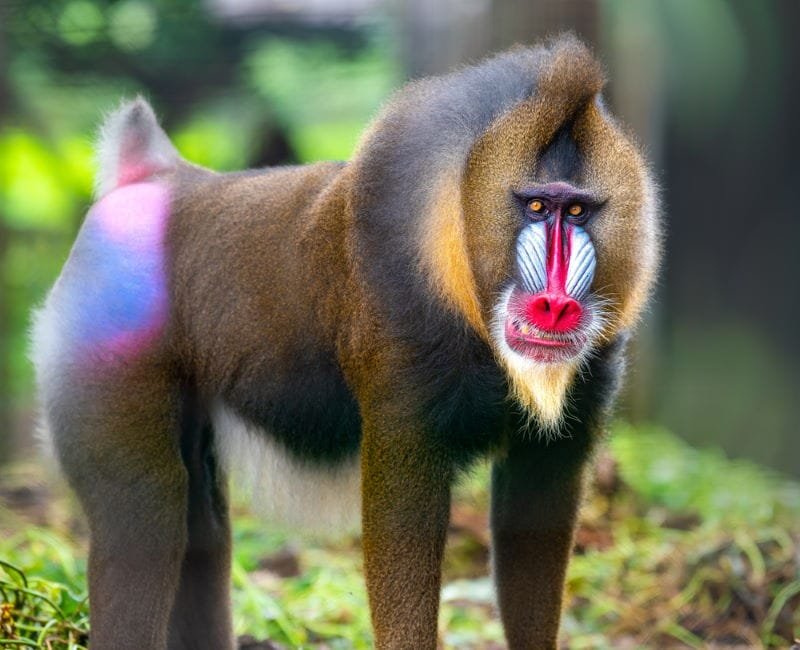
At first glance, the mandrill looks like a monkey wearing a lot of makeup. The males have a bright red stripe down the nose with ridged blue cheeks on either side. The colors are brightest in the most dominant males and help attract females. Females have much duller faces.
5. Pig
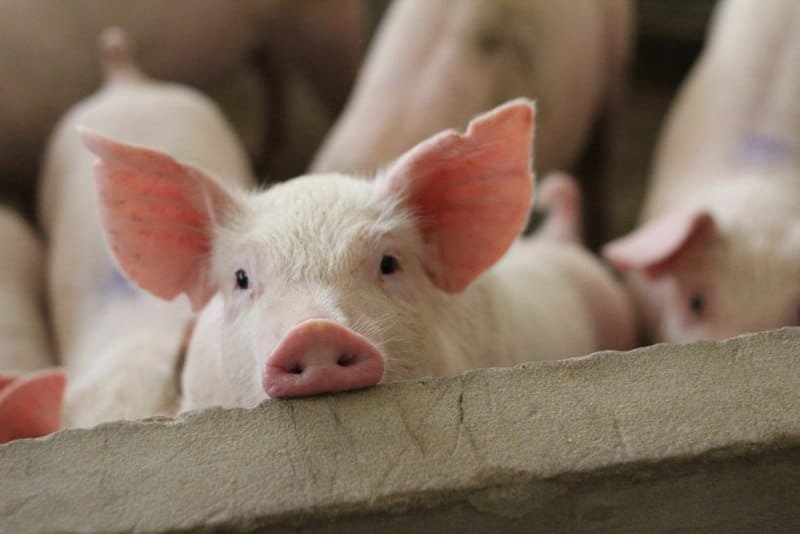
The pig’s snout is something we all know. But it is a remarkable tool: the flat, disc-shaped snout is strengthened by cartilage and a special bone, which allows pigs to dig in the ground for roots, insects and worms. Pigs also have an excellent sense of smell, which is why they have been used for centuries to find truffles.
6. Aardvark
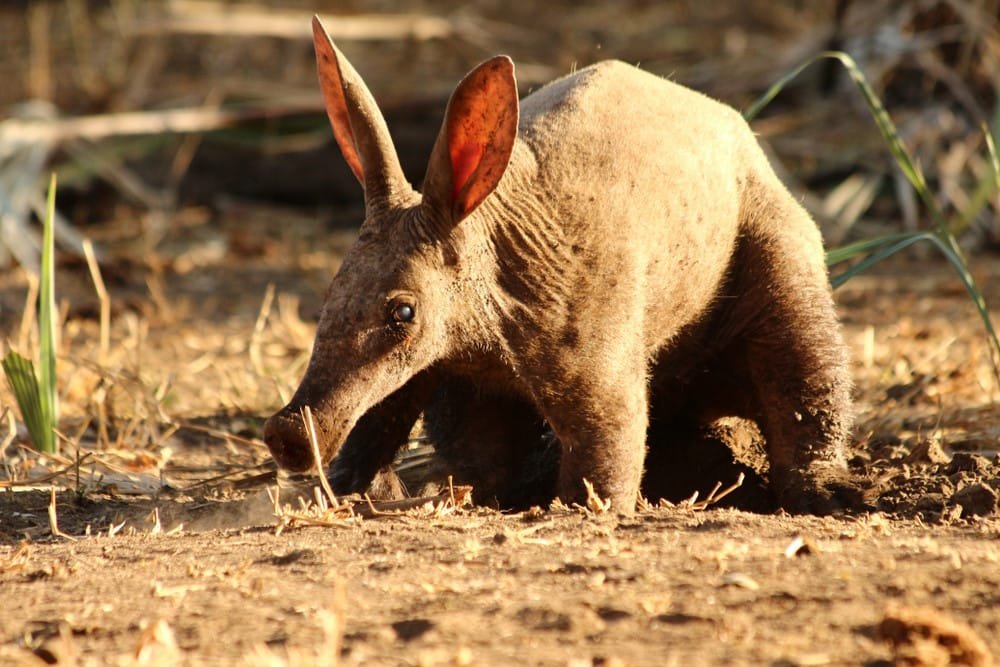
Despite its name, which means “earth pig” in Afrikaans, the aardvark is not related to pigs. It belongs to an ancient group of African mammals that also includes elephants. It uses its long, pig-like snout to sniff out ants and termites, and can close its nostrils to keep out dust and insects while it digs into their nests.
7. Hammerhead shark
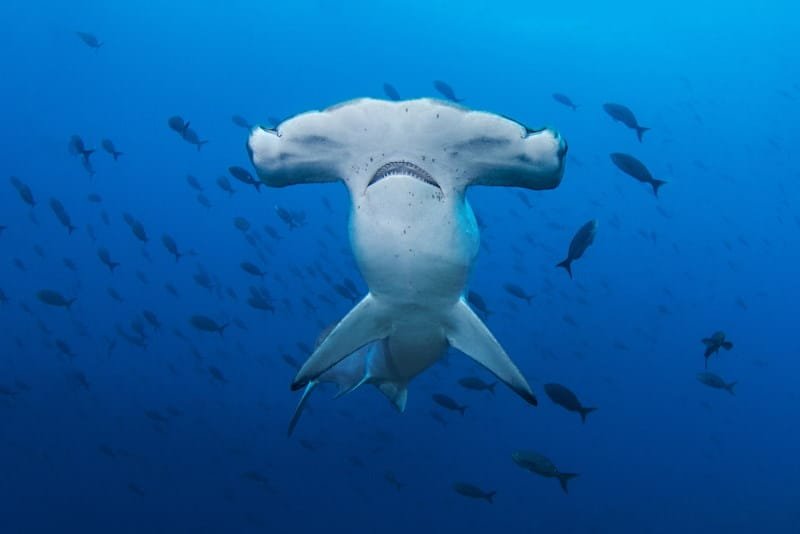
The hammerhead shark has a head that is flattened and stretched sideways, with the eyes and nostrils at the ends. This “hammer”, called a cephalofoil, spreads its senses over a wider area, which helps it smell, see and detect the electric fields of prey. Hammerheads have even been seen using their heads to pin stingrays to the sea floor.
8. Elephant
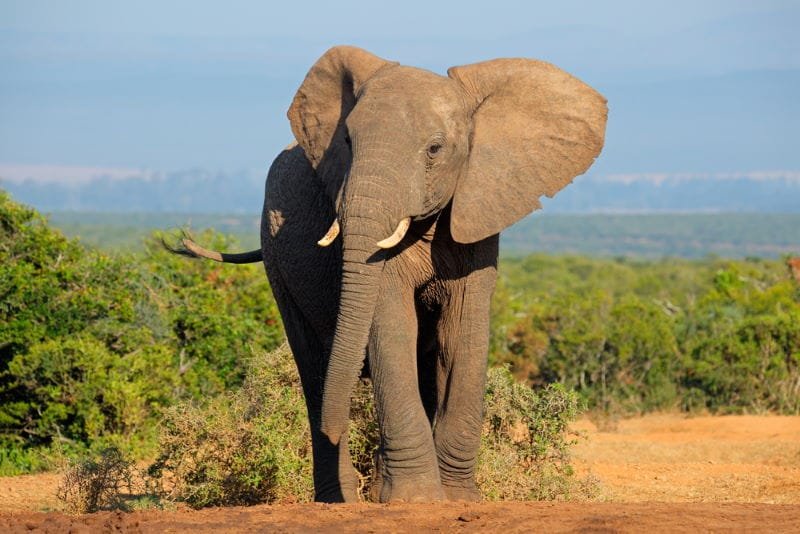
Have you ever tried to drink through your nose? It does not work very well for us, but elephants manage it. No list of strange noses would be complete without the elephant’s trunk, which is a combination of nose and upper lip. It is used for breathing, smelling, drinking, grabbing food, greeting other elephants and even as a snorkel when swimming. It contains tens of thousands of muscle units.
9. Elephant seal

There are two species of elephant seal, one in the northern Pacific and one in the Southern Ocean. Only the adult males have the enormous, inflatable nose that gives them their name. They use it to produce loud, resonant roars to intimidate rival males during the breeding season. The nose also helps recycle moisture from their breath, so they lose less water during the months they spend on land without eating or drinking.
10. Elephant shrew

The elephant shrew, also called the sengi, owes its name to its long, flexible snout. Despite its name and appearance, it is not a shrew at all. Genetic research shows that it is more closely related to elephants and aardvarks. It uses its twitching nose to sniff out insects, spiders and worms on the forest floor.
11. Sawfish
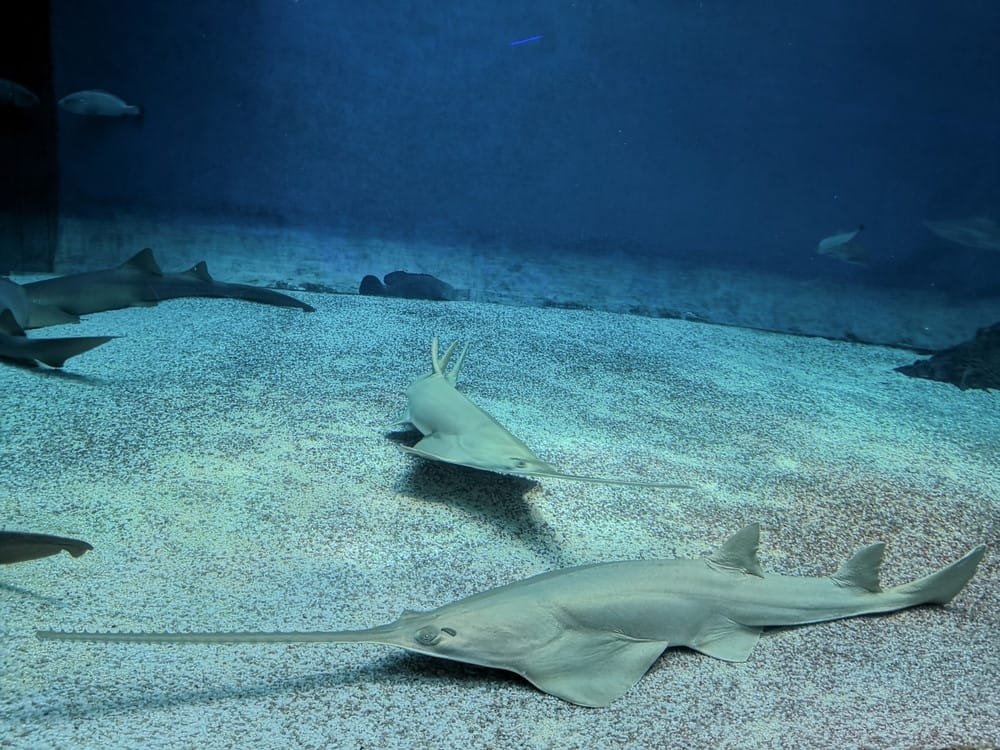
The sawfish has a long, flat snout lined with teeth on both sides, which looks just like a saw. The “saw”, called a rostrum, is covered with electrosensitive pores that help it find prey hidden in sand and mud. It then uses the saw to slash at fish and pin them to the bottom. All sawfish species are now endangered.
12. Unicornfish
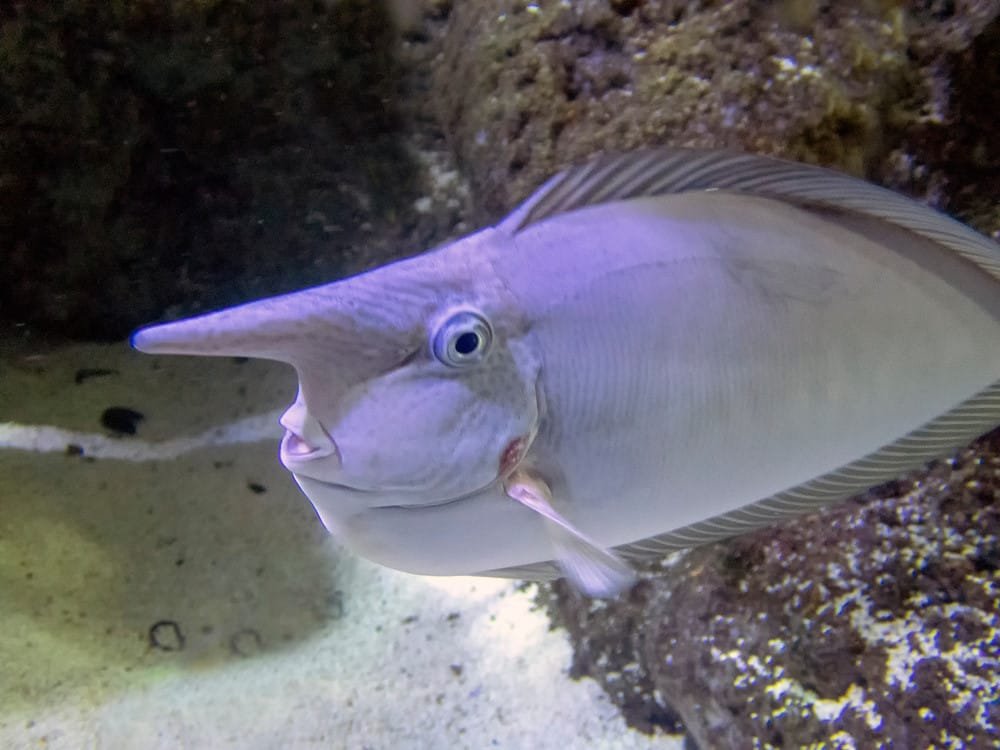
The spotted unicornfish (Naso brevirostris) is one of the most unusual-looking fish on the reef. Adults grow a long, horn-like projection on the forehead, in front of the eyes. Scientists are still not entirely sure what it is for. It may play a role in recognizing other members of the species or in courtship.
13. Tapir
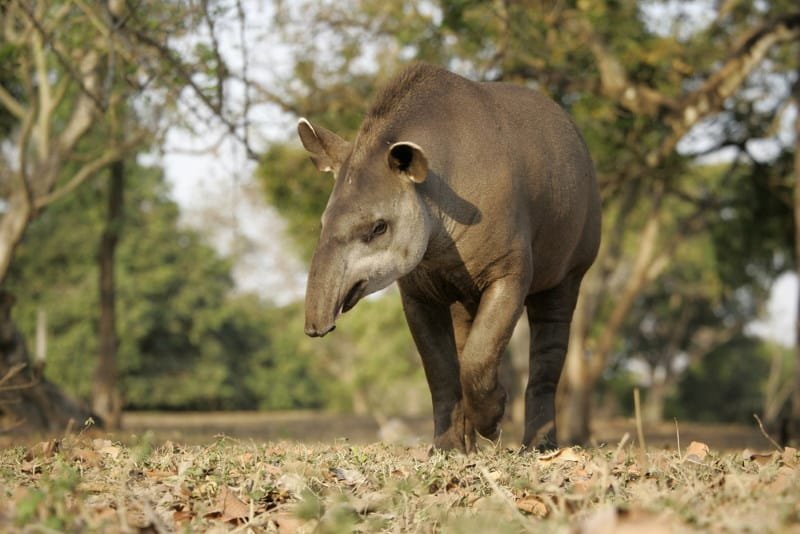
The tapir’s snout is a short, soft and extremely flexible trunk, formed by its nose and upper lip. It can bend in all directions as the tapir searches for food, and is used to grab leaves and branches from low shrubs. Tapirs also use it as a snorkel when they swim.