Throughout human history, water has served as the lifeblood of commerce, defense, and human survival. While most settlements grew along riverbanks or maritime natural harbors, several visionary civilizations went a step further, constructing complex urban marvels directly upon lagoons, reclaimed deltas, and interconnected canal networks.
These aquatic cities turned watery environments from challenging obstacles into flourishing centers of culture and commerce. From historic European capitals built atop wooden pilings to modern engineering triumphs rising from coastal shallows, here are ten spectacular cities built directly on water.
10. Cape Coral (Florida, United States)
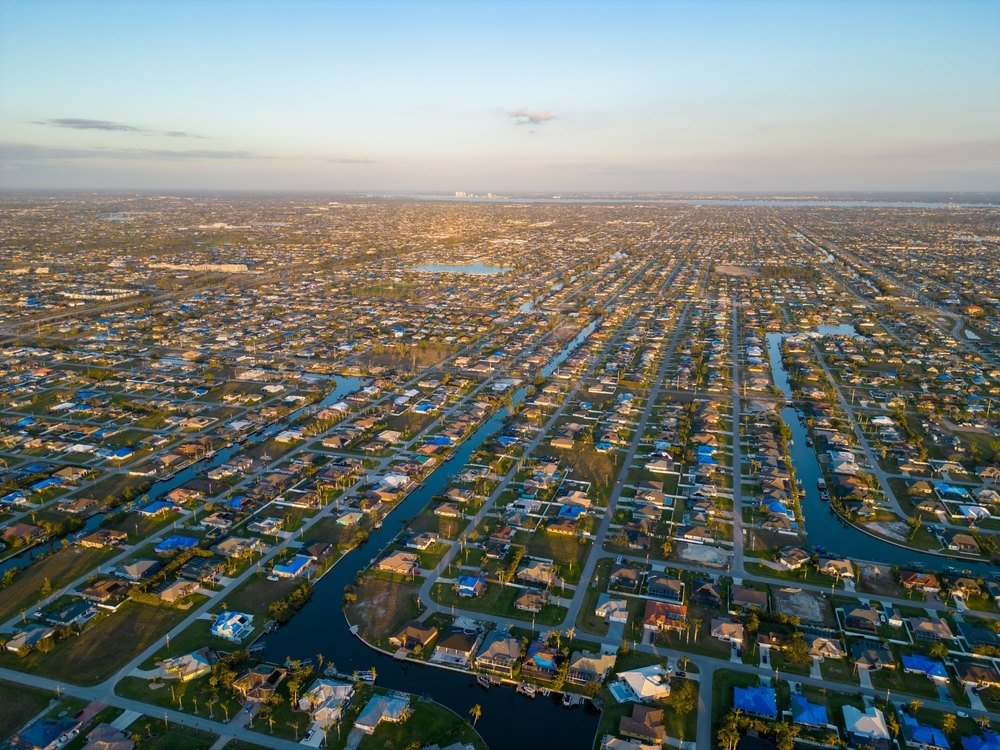
Founded in 1957 as a master-planned community on the Gulf Coast of Florida, Cape Coral is famous for having more navigable canals than any other city on planet Earth. Its engineered waterway network stretches over 640 kilometers (400 miles).
Many canals offer direct boat access to the Gulf of Mexico, making waterfront living and pleasure boating an everyday reality for residents. The expansive aquatic labyrinth also provides crucial regional drainage during subtropical storms.
9. Alappuzha / Alleppey (Kerala, India)
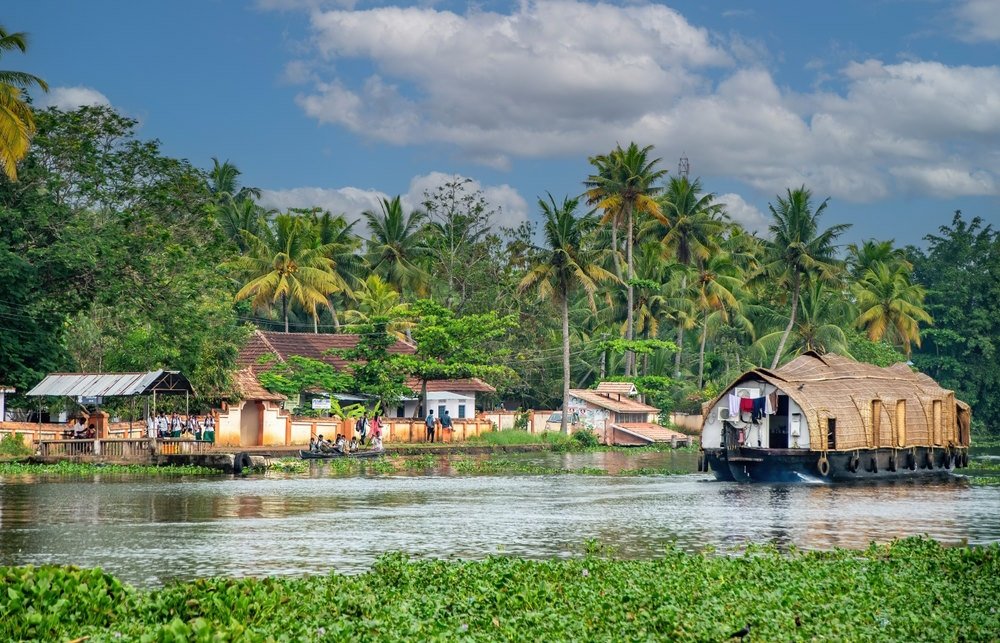
Referred to by Lord Curzon as the Venice of the East, Alappuzha is situated along the lush Kerala Backwaters in southern India. The city is interlaced with a tranquil network of palm-fringed canals, brackish lagoons, and freshwater lakes.
Traditional thatched-roof houseboats known as kettuvallams ply the waterways, carrying visitors past floating markets and coconut groves. Each August, the city hosts the famous Nehru Trophy Boat Race, where massive hundred-foot snake boats compete in high-energy rowing spectacles.
8. Dubai (United Arab Emirates)
Over the past two decades, Dubai has rewritten coastal engineering rules by creating vast artificial archipelagos directly within the Persian Gulf. Projects like Palm Jumeirah and the World Islands required dredging hundreds of millions of cubic meters of marine sand.
Additionally, the Dubai Water Canal carved an aquatic corridor through the heart of the modern metropolis, connecting Business Bay with the open sea and transforming once-landlocked desert districts into premier waterfront addresses.
7. Suzhou (Jiangsu, China)

Located along the Grand Canal in eastern China, the ancient water town of Suzhou was celebrated by Marco Polo for its elegant stone bridges and canal-lined streets. Founded in 514 BC, its urban layout integrated waterway transit with private residences.
White-washed merchant houses and classical scholar gardens back directly onto quiet canals where wooden sampans glide beneath arched bridges. Suzhou remains a major center for silk production and UNESCO-recognized garden architecture.
6. Bruges (Flanders, Belgium)
During the Middle Ages, Bruges flourished as one of the premier commercial hubs of northern Europe thanks to its direct tidal inlet connection to the North Sea via the Zwin channel.
Its preserved medieval city center is surrounded by an egg-shaped moat and traversed by scenic canals known as reien. While silting eventually cut off large maritime vessels, the waterways today carry thousands of sightseeing boats past Gothic brick facades and peaceful weeping willows.
5. Flevoland (The Netherlands)
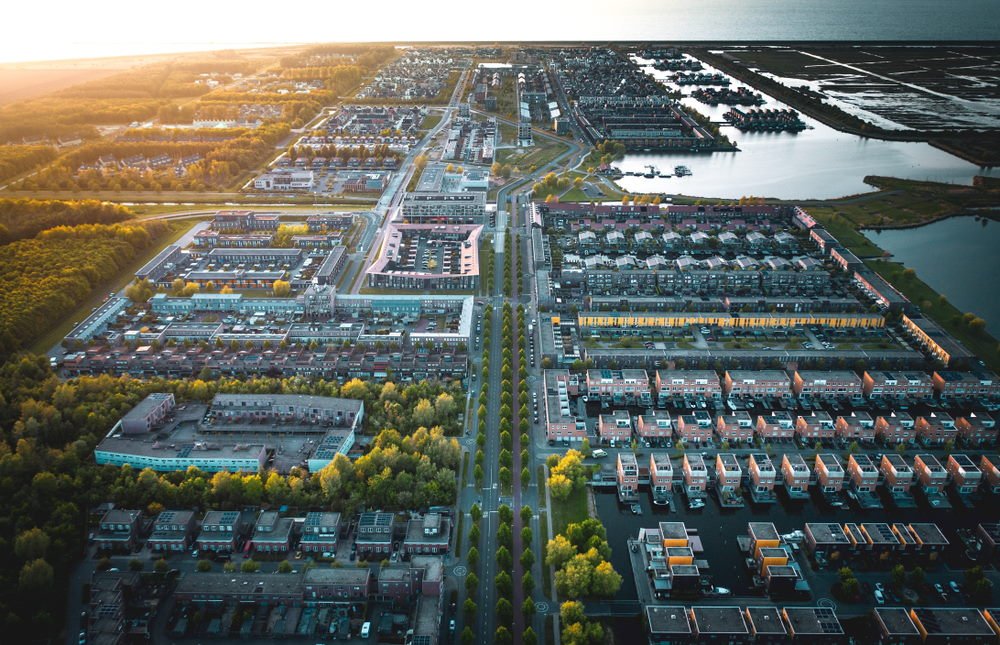
Unlike cities built along natural lagoons, the Dutch province of Flevoland, including cities like Almere and Lelystad, was built on land reclaimed directly from the bottom of the former Zuiderzee (now IJsselmeer).
Engineered during the mid-20th century under the ambitious Zuiderzee Works, massive dikes sealed off the inlet before diesel and electric pumping stations drained billions of liters of water. Today, hundreds of thousands of people live and work several meters below sea level.
4. Saint Petersburg (Russia)
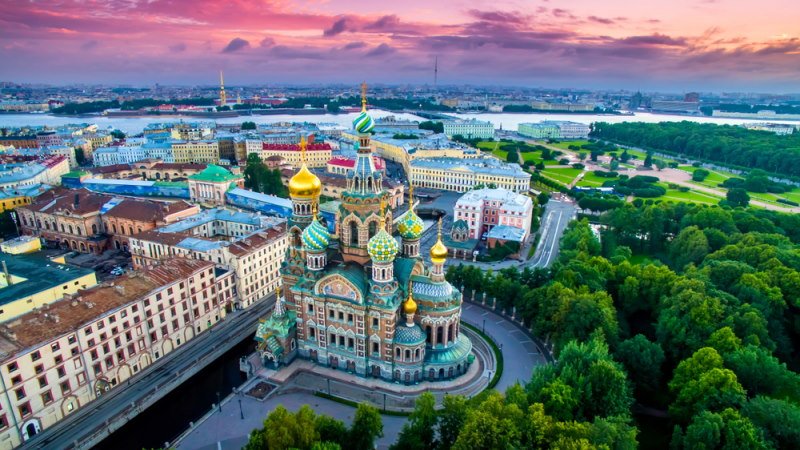
Founded in 1703 by Tsar Peter the Great across the swampy delta of the Neva River on the Gulf of Finland, Saint Petersburg was envisioned as Russia’s window to Europe. Italian architects directed the construction of dozens of canals to drain the marshy islands.
The city spans over forty islands connected by more than 300 ornate bridges, earning it the title Venice of the North. Grand imperial palaces and classical embankments reflect off the deep waters of the Moyka and Fontanka canals.
3. Bangkok (Thailand)
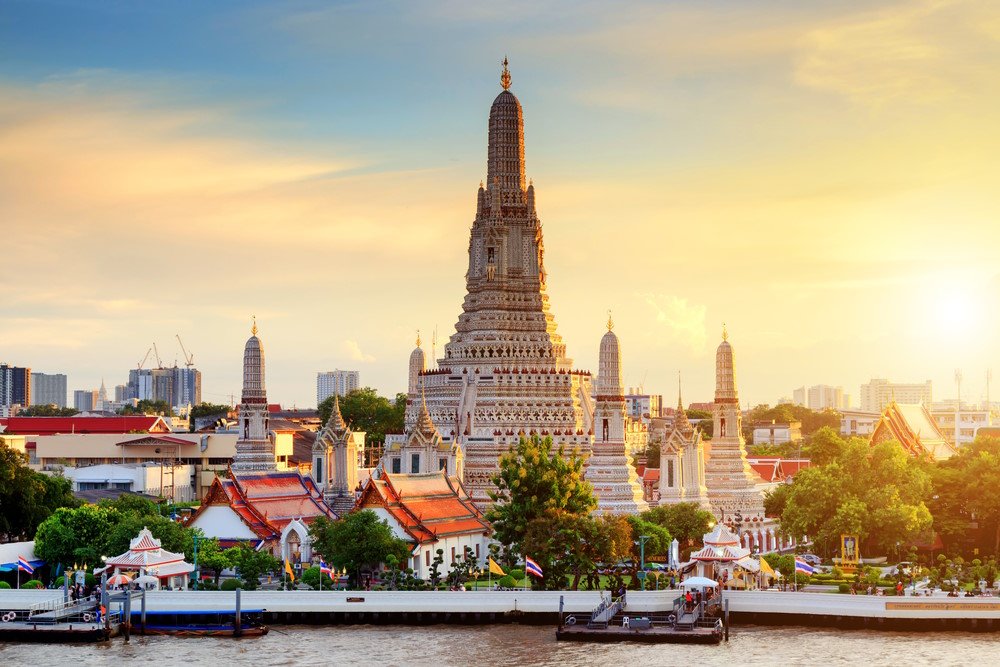
Constructed across the low-lying alluvial plains of the Chao Phraya River, Bangkok developed around a complex labyrinth of transportation canals known as khlongs. For centuries, watercraft served as the city’s primary method of transit.
While many central canals were paved over in the 20th century to accommodate motor traffic, bustling express boat services still carry hundreds of thousands of commuters daily. Iconic floating markets continue to thrive on the capital’s suburban fringes.
2. Amsterdam (The Netherlands)
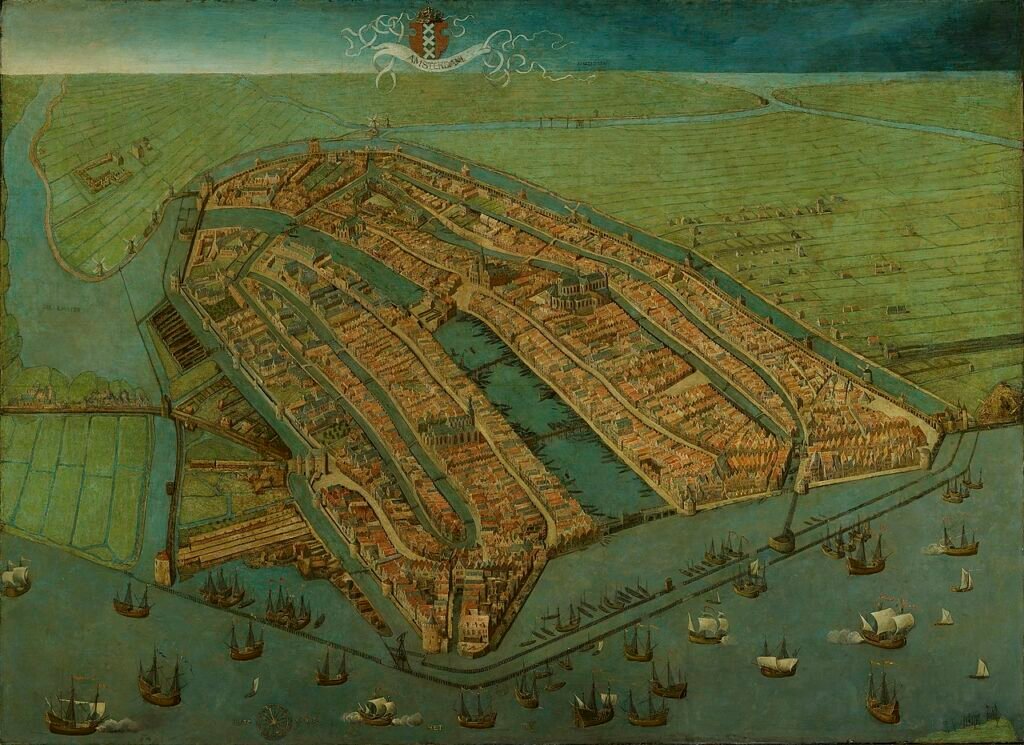
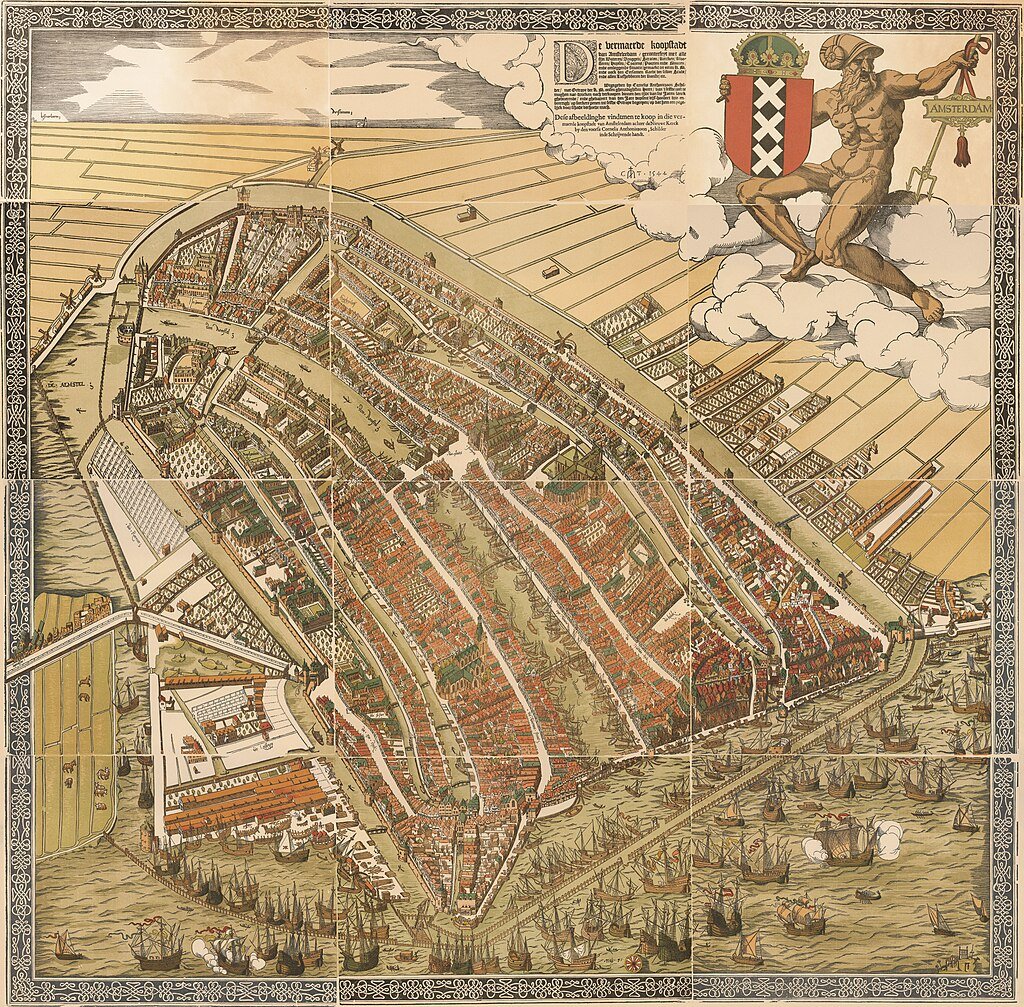
The capital of the Netherlands was founded in the late 12th century when fishermen built a dam across the Amstel River. During the Dutch Golden Age of the 17th century, city planners embarked on an ambitious urban expansion, excavating concentric horseshoe-shaped canals.
This historic canal network of Amsterdam (the Grachtengordel) comprises more than 100 kilometers of waterways crossed by 1,500 bridges. Historic gabled canal houses stand atop millions of timber piles driven deep into moist, sandy clay.
1. Venice (Veneto, Italy)
Venice is the undisputed archetype of the aquatic city. Founded in the 5th century by mainland refugees fleeing Germanic and Hunnic invasions, the city rose atop 118 small islands of the Venetian Lagoon.
The entire city is supported by millions of petrified alder wood stakes driven into the lagoon mud, which preserved without rotting in the oxygen-depleted sediment. Without cars or paved roadways, the Grand Canal and hundreds of winding side channels remain the exclusive thoroughfares for gondolas, water buses (vaporetti), and delivery barges.
From the medieval canal networks of Europe to the reclaimed polders of the Netherlands and the floating markets of Asia, these ten cities built on water demonstrate the timeless capacity of human engineering to thrive in harmony with aquatic landscapes.