The Nobel Prize is considered the highest scientific and cultural honor in the world. Since 1901, the prizes have been awarded for work that benefits humanity. But not every choice by the Nobel committees has been greeted with applause.
From discoveries that later turned out to be harmful to political choices that raised eyebrows, these ten awards, and one famous omission, caused worldwide controversy.
1. António Egas Moniz, the prize for lobotomy (1949)
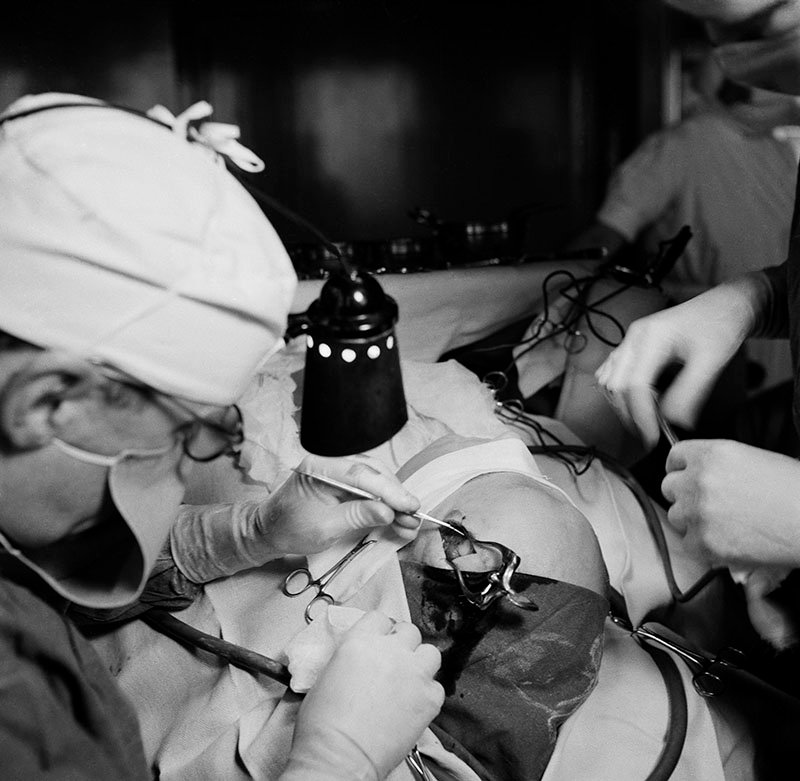
In 1949, the Portuguese neurologist António Egas Moniz received the Nobel Prize in Physiology or Medicine for developing the prefrontal leucotomy, better known as lobotomy. The procedure, in which connections in the front of the brain were cut, was initially hailed as a breakthrough in the treatment of serious mental illness.
The reality turned out to be horrifying. Tens of thousands of patients worldwide underwent the operation, often without real consent, and many were left permanently damaged, apathetic or without their former personality. Later, families of patients called for the prize to be revoked, but Nobel Prizes are never withdrawn.
2. Fritz Haber, the father of chemical warfare (1918)

Fritz Haber is a man of extremes. He won the Nobel Prize in Chemistry for developing a method to make ammonia from nitrogen in the air, the basis of the Haber-Bosch process for producing artificial fertilizer. That process now helps feed around half of the world’s population.
At the same time, he was the architect of German chemical warfare during the First World War, and personally oversaw the first large-scale chlorine gas attack at Ypres in 1915. Several scientists refused to attend the ceremony in protest. Tragically, his own institute later developed a pesticide, Zyklon, a later version of which was used by the Nazis in the gas chambers, where members of his own extended family were murdered.
3. Henry Kissinger, peace while the bombs fell (1973)
The award of the Nobel Peace Prize to US Secretary of State Henry Kissinger for negotiating a ceasefire in Vietnam is often called the most controversial peace prize ever. Kissinger had been one of the architects of the bombing of Cambodia and Laos, and the war continued.
His North Vietnamese counterpart, Lê Đức Thọ, who was awarded the prize together with him, refused it, saying that peace had not yet been achieved. Two members of the Nobel committee resigned in protest. Two years later, North Vietnam conquered South Vietnam.
4. Yasser Arafat, Yitzhak Rabin and Shimon Peres (1994)
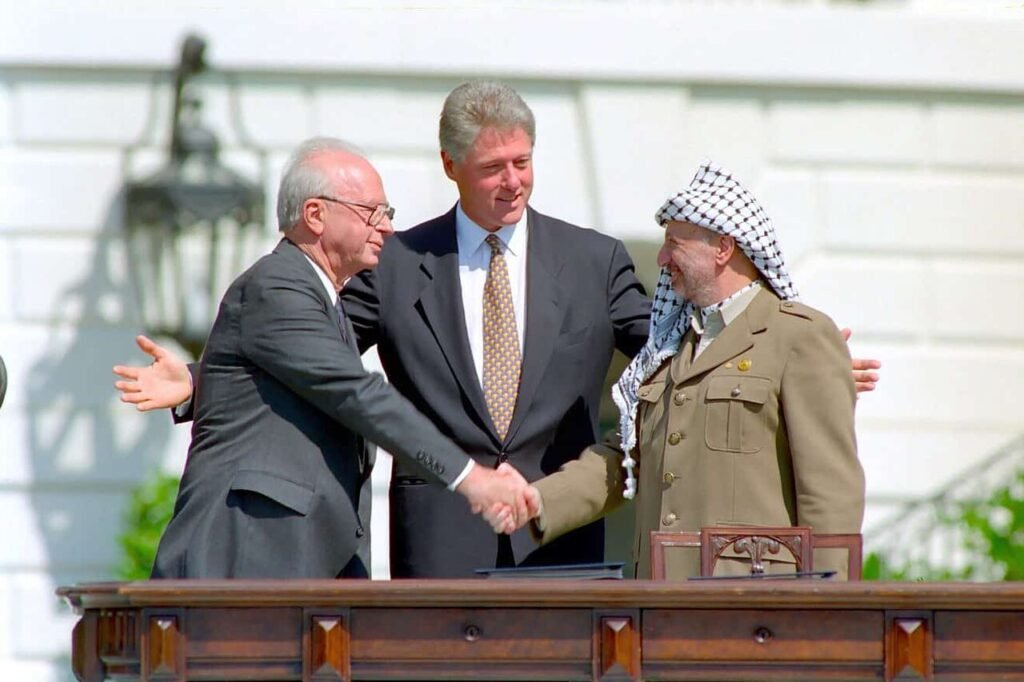
The Oslo Accords were meant to pave the way for peace between Israel and the Palestinians. Palestinian leader Yasser Arafat and Israeli leaders Yitzhak Rabin and Shimon Peres were awarded the Peace Prize for them, but the choice was controversial from the start. One committee member resigned because he considered Arafat a terrorist, while critics on the other side pointed to Israel’s policies in the occupied territories.
A year later, Rabin was assassinated by an Israeli extremist opposed to the peace process. The accords eventually stalled, and violence flared up again, which still overshadows this prize today.
5. Barack Obama, too soon (2009)
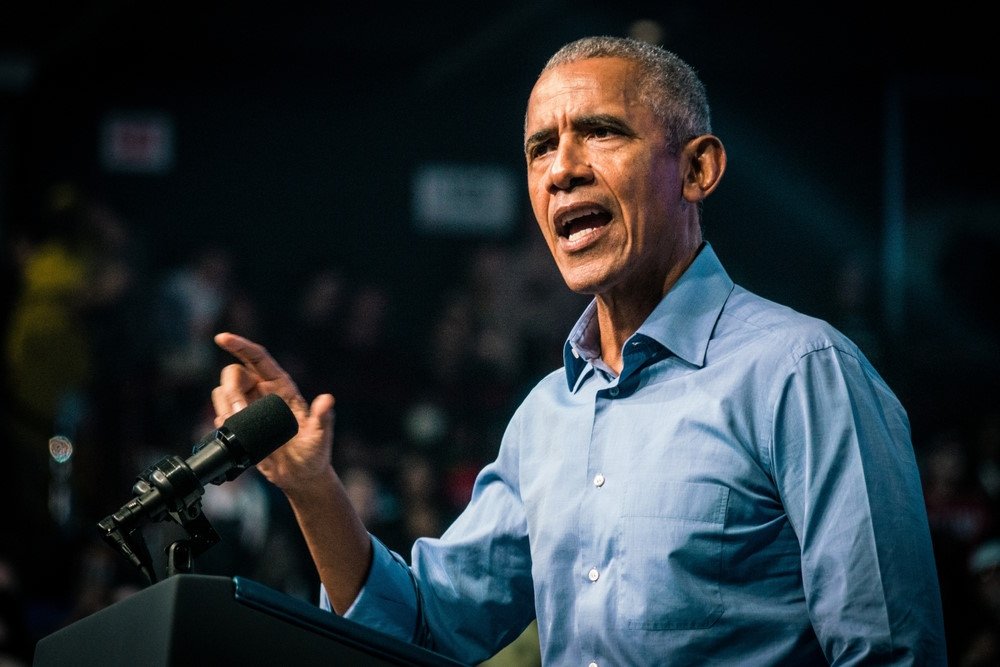
Even Barack Obama himself seemed surprised when he was awarded the Nobel Peace Prize in 2009, less than nine months after taking office. Nominations had closed just eleven days after he became president. The committee praised his efforts for international diplomacy and nuclear disarmament, but critics said the prize rewarded hopes rather than results.
During his presidency, the United States remained involved in wars in Afghanistan and Iraq and greatly expanded its use of drone strikes. Years later, the former secretary of the Nobel committee wrote that the committee had come to regret the decision.
6. Watson, Crick and Wilkins, and the missing Rosalind Franklin (1962)
Unraveling the structure of DNA is one of the greatest milestones in science. James Watson, Francis Crick and Maurice Wilkins received the Nobel Prize in Physiology or Medicine for it in 1962. But Rosalind Franklin, whose X-ray images, including the famous “Photo 51”, were crucial to the discovery, was not included.
Her data had been shown to Watson and Crick without her knowledge. Franklin died of cancer in 1958, at the age of 37, and the Nobel Prize is not awarded posthumously, so she could not have been included. But the way her contribution was overlooked for decades has made her a symbol of the lack of recognition for women in science.
7. Bob Dylan, is a song literature? (2016)
In 2016, the Swedish Academy made an unexpected choice for the Nobel Prize in Literature: the singer-songwriter Bob Dylan, “for having created new poetic expressions within the great American song tradition”. The literary world was divided. Some writers wondered whether song lyrics belong among the highest forms of literature, while others saw it as a long-overdue recognition.
Dylan himself remained silent for weeks, did not attend the ceremony in December and only delivered his required Nobel lecture, as a recording, months later, just before the deadline.
8. Johannes Fibiger, the worm that did not cause cancer (1926)
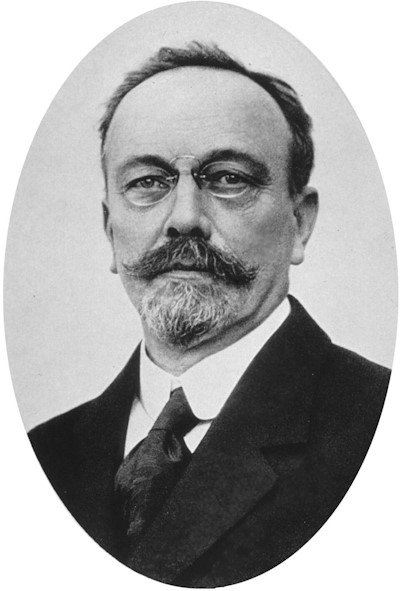
The Danish physician Johannes Fibiger received the Nobel Prize in Medicine for supposedly proving that a parasitic worm could cause cancer in rats. It seemed like a revolutionary discovery, but years later it turned out to be wrong: the growths he observed were not actually cancer caused by the worms, and a vitamin A deficiency in the rats’ diet probably played a major role.
Many scientists still give him some credit, because his work helped show that cancer could be studied experimentally in animals. But his prize is often cited as one of the biggest mistakes in Nobel history.
9. Peter Handke (2019)
The 2019 Nobel Prize in Literature for the Austrian writer Peter Handke caused fierce protests. Handke is considered an important and innovative author, but he had long been criticized for his defense of the Serbian regime during the wars in the former Yugoslavia in the 1990s. He had questioned the scale of the Srebrenica massacre and spoke at the funeral of former Serbian president Slobodan Milošević.
Several countries, including Bosnia and Herzegovina, Albania and Kosovo, boycotted the ceremony, and a member of the committee that advises the Swedish Academy resigned in protest.
10. Mahatma Gandhi, the greatest omission
Sometimes the biggest controversy is not about who wins, but about who is passed over. Mahatma Gandhi, the symbol of non-violent resistance, was nominated for the Nobel Peace Prize five times, but never won.
When he was assassinated in January 1948, the committee decided not to award a peace prize that year, stating that there was “no suitable living candidate”, which many saw as a silent tribute. Decades later, the Nobel Institute openly acknowledged that never awarding the prize to Gandhi was the greatest omission in the history of the Peace Prize.