Over thousands of years, people have shaped plants and animals to suit their needs. Through selective breeding, we created pets to cuddle, livestock for food and wool, and even domesticated insects. Many of these animals look very different from their wild ancestors. These are ten domestic animals and the wild animals they descend from.
1. Dogs and the wolf
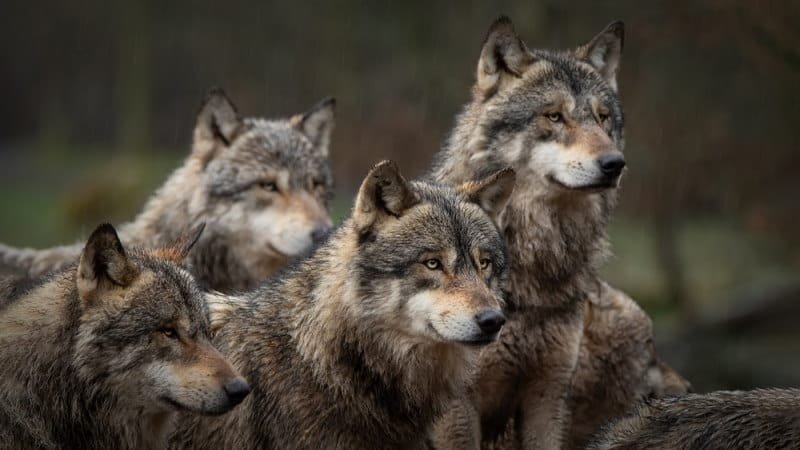
The dog was the first animal ever domesticated, long before agriculture began. Exactly when and where is still debated, but it happened at least 15,000 years ago, and possibly much earlier. Dogs descend from wolves, although DNA research suggests their ancestor was an extinct wolf population, not the gray wolves living today.

The result shows the enormous power of selective breeding: a Chihuahua and a Great Dane descend from the same ancestors. Even breeds that still look like wolves, such as the Saarloos wolfdog, behave very differently from a wild wolf.
2. Goats and the bezoar ibex
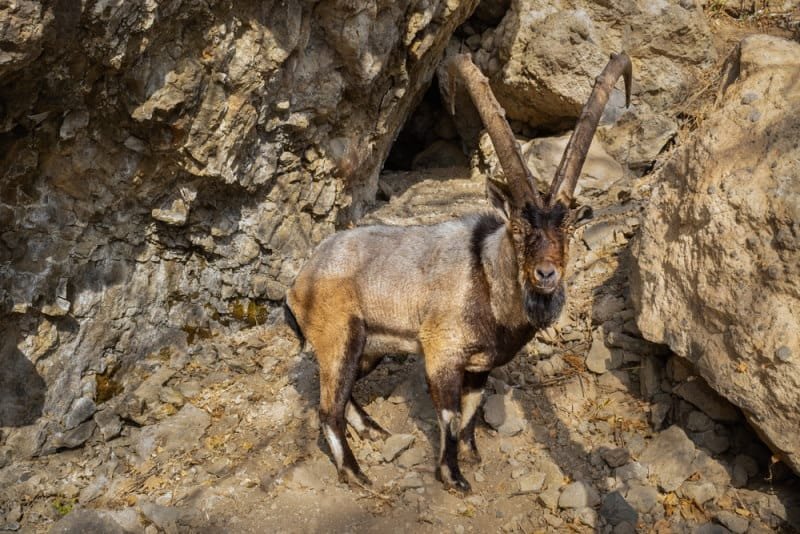
There are hundreds of goat breeds in the world, from miniature goats kept as pets to cashmere goats prized for their luxurious wool. All of them descend from the bezoar ibex, a wild goat that still lives in the mountains of the Middle East. Goats were domesticated around 10,000 to 11,000 years ago in the Fertile Crescent. They can turn vegetation in the most rugged places into meat, milk and hair, which made them extremely valuable to early farmers.
3. Sheep and the mouflon
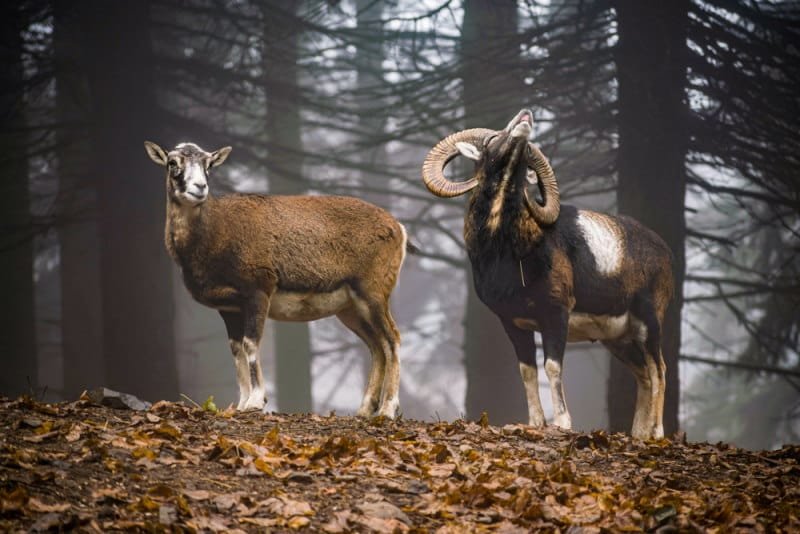
Sheep were domesticated around the same time and place as goats, in the Middle East around 10,000 to 11,000 years ago. Their ancestor is the Asiatic mouflon, a wild sheep from the mountains. Early domestic sheep were mainly kept for meat, milk and hides: the woolly fleece that we associate with sheep today was only developed through breeding thousands of years later. Wild sheep have a short, hairy coat that molts naturally.
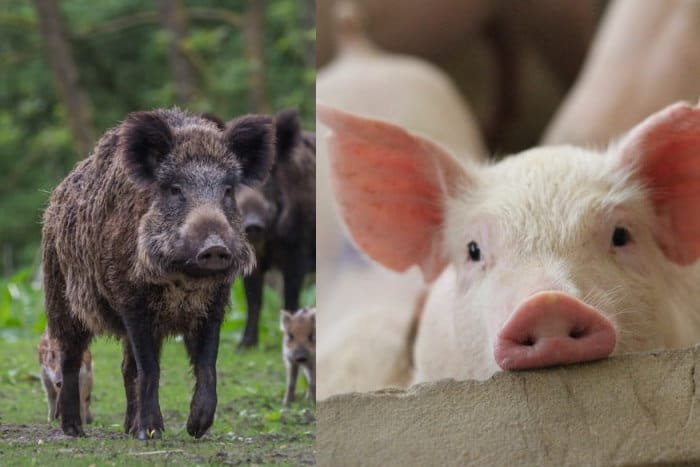
4. Pigs and the wild boar
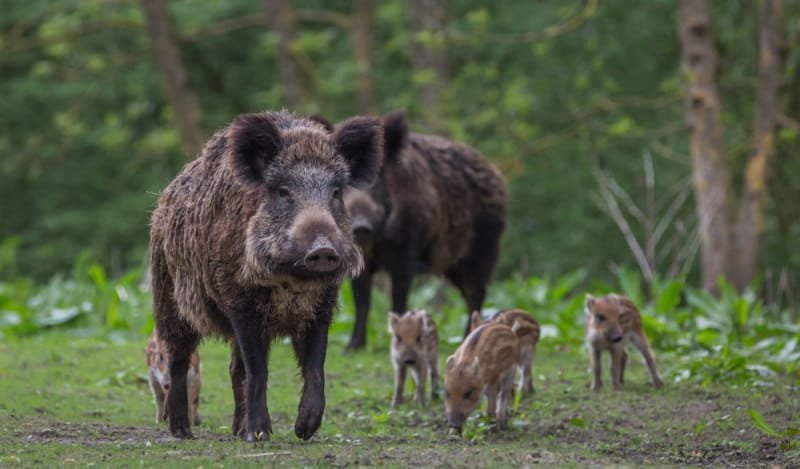
Pigs descend from the wild boar and were domesticated around 9,000 to 10,000 years ago, independently in at least two places: Anatolia in what is now Turkey, and China. Early pigs probably roamed around villages, eating food scraps. Pigs are among the most intelligent animals on Earth, and today, genetically modified pigs are even being used in experiments to grow organs for transplantation into humans. Domestic pigs that escape quickly become wild again, growing hair and tusks.
5. Horses and wild horses
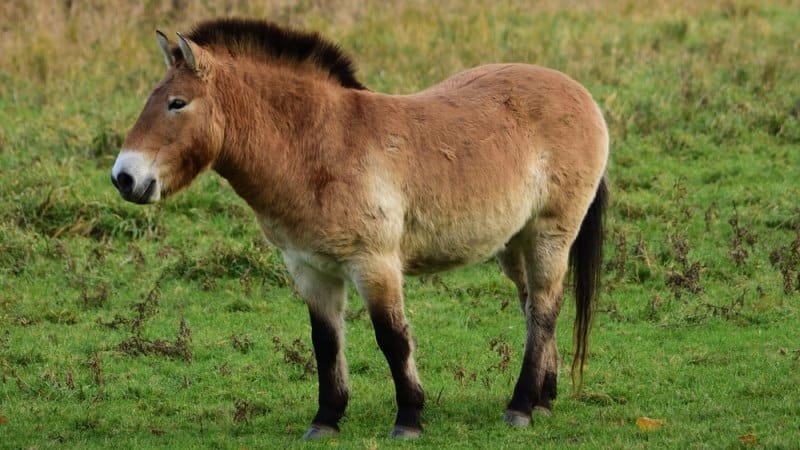
For a long time, it was thought that horses were first domesticated around 5,500 years ago in what is now Kazakhstan. But DNA research published in 2021 showed that the ancestors of today’s domestic horses were domesticated around 4,200 years ago on the steppes of southern Russia, and then spread rapidly across Asia and Europe. The horse revolutionized transport, trade and warfare. The famous Przewalski’s horse, long thought to be the last truly wild horse, is actually descended from early domesticated horses that went wild again.
6. Cats and the African wildcat
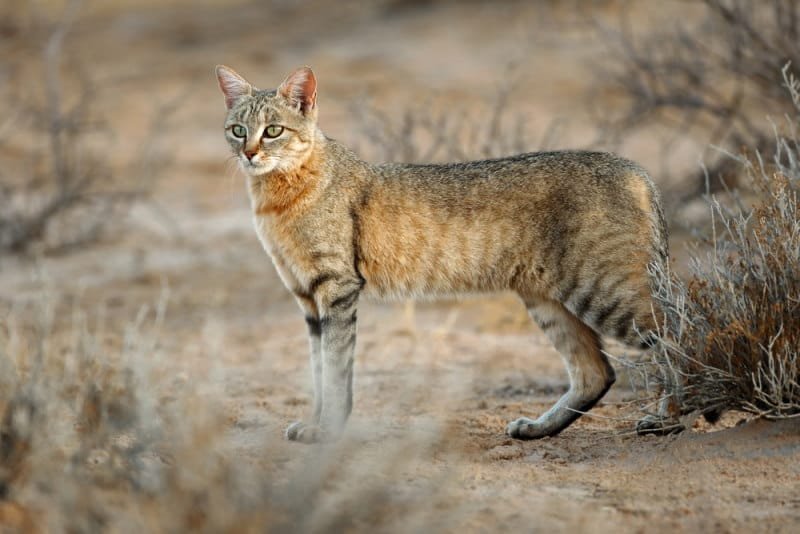
Cats probably domesticated themselves. When people began storing grain around 10,000 years ago, it attracted mice, and mice attracted wildcats. The oldest evidence of a close bond is a burial on Cyprus, around 9,500 years old, in which a person was buried together with a cat. In ancient Egypt, cats were later even worshipped. All domestic cats descend from the African wildcat, and despite all the breeds, they have changed less from their wild ancestor than most other domestic animals.
7. Cattle and the aurochs
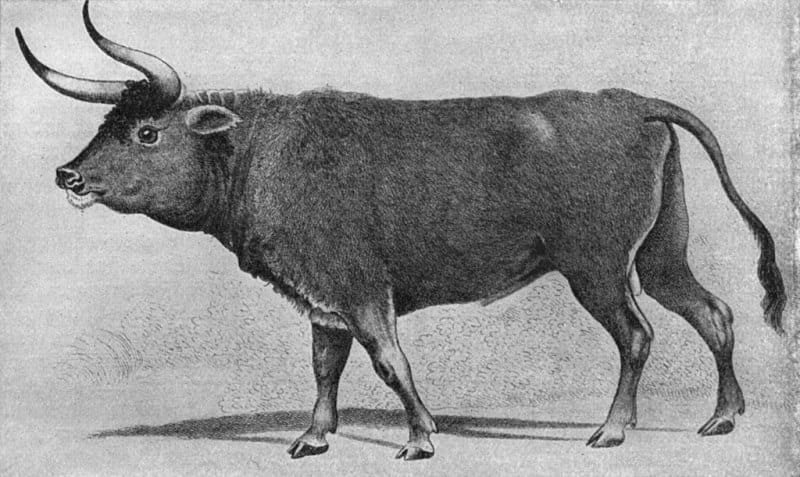
There are more than 800 cattle breeds in the world, and they all descend from the aurochs, a huge wild ox with long horns that could stand almost two meters tall at the shoulder. Cattle were domesticated around 10,500 years ago in the Middle East, and separately in South Asia, where the humped zebu cattle originated. The wild aurochs became extinct: the last known animal died in a forest in Poland in 1627.
8. Chickens and the red junglefowl
Chickens are the most numerous birds on Earth, with tens of billions alive at any time. They descend from the red junglefowl of Southeast Asia. Surprisingly, they were probably first kept not for meat or eggs, but for cockfighting or religious purposes. Recent research suggests that chickens were domesticated around 3,500 years ago, when rice and millet farming attracted junglefowl to fields in Southeast Asia, much later than was long assumed.
9. Llamas, alpacas and their wild relatives
In the Andes of South America, people domesticated two animals around 6,000 to 7,000 years ago: the llama, descended from the wild guanaco, and the alpaca, descended from the wild vicuña. Llamas were used as pack animals, while alpacas were bred for their soft wool. The Inca Empire depended on them for transport, wool, meat and even fuel, in the form of dried dung.
10. The silkworm
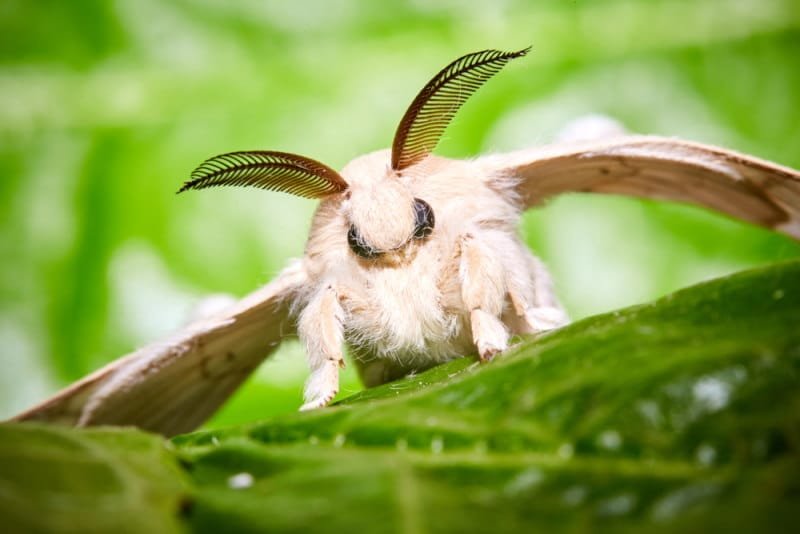
Not only mammals and birds have been domesticated. The silk moth was domesticated in China around 5,000 years ago from a wild moth species. After thousands of years of breeding for silk production, the domestic silk moth can no longer survive in the wild: the adults cannot fly, hardly move and do not eat. The caterpillars depend entirely on people to feed them mulberry leaves. Each cocoon consists of a single silk thread that can be more than a kilometer long.