Metamorphosis, the process in which an animal undergoes a dramatic transformation from larva to adult, is a well-known phenomenon in insects and amphibians. But many other animals also look completely different, and live completely different lives, when they are young. These are ten animals that are almost unrecognizable as babies.
1. Frogs: from tadpole to jumper
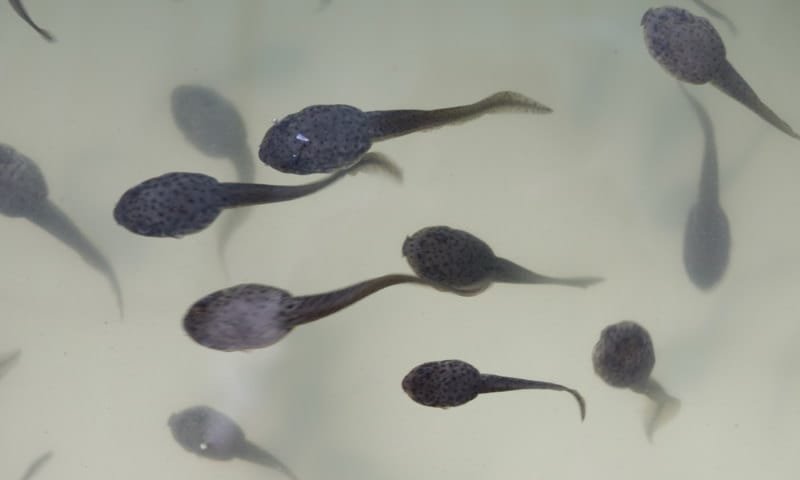
This is the classic example. Frogs begin life as tadpoles that hatch from eggs in the water. Tadpoles have gills to breathe underwater, a long tail for swimming and no legs. Most of them eat algae and plant material.
Over a period of weeks to months, they undergo a radical metamorphosis: they develop lungs and legs, their tail is absorbed, and their head and digestive system change so that they can eat insects. The result is an air-breathing, jumping frog that can live both on land and in water.
2. Butterflies: from caterpillar to flier
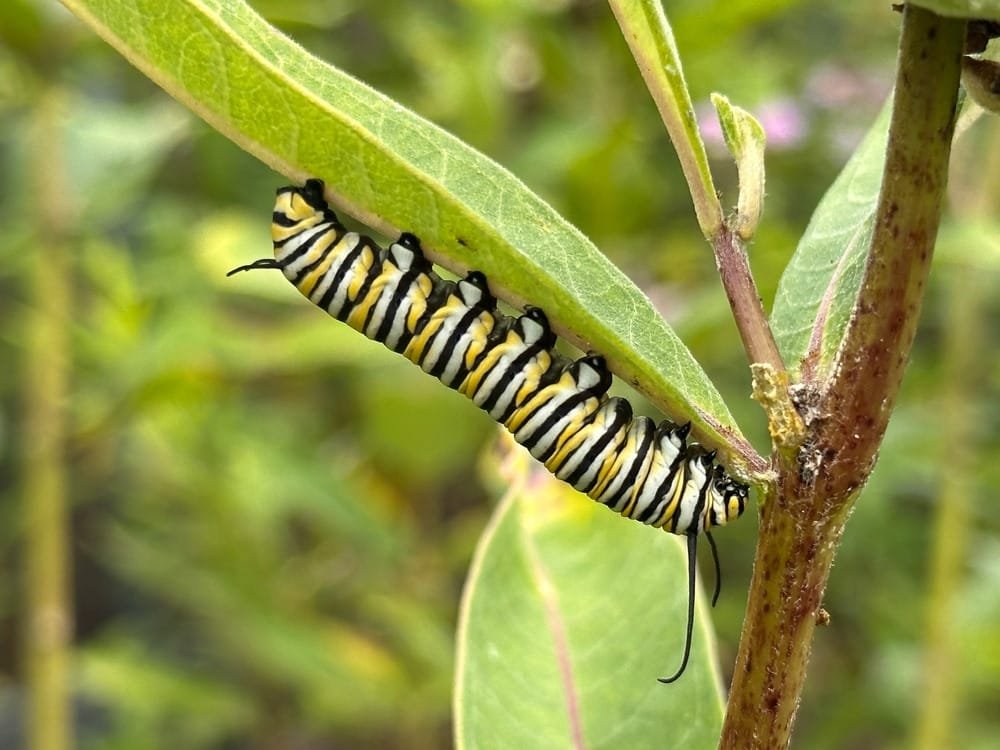
Another famous transformation. Butterflies begin as an egg, from which a caterpillar hatches. Caterpillars are eating machines with a worm-like body, chewing mouthparts and short legs. Their only goal is to eat and grow, and some increase their body weight by a thousand times or more.
Then the caterpillar forms a pupa, or chrysalis. Inside, a complete reorganization takes place: much of the caterpillar’s body is broken down into a kind of cellular soup and rebuilt into an adult butterfly with wings, long legs, a long tongue for drinking nectar and reproductive organs. Remarkably, studies suggest that some memories can survive the transformation.
3. Ocean sunfish: from tiny star to giant
The ocean sunfish, or mola, is the heaviest bony fish in the world, weighing up to two tonnes or more. But it hatches as a tiny larva of only a few millimeters, covered in spikes and looking like a little star. On its way to adulthood, it can increase its weight by around 60 million times, one of the most extreme growth rates of any vertebrate. Young sunfish swim in schools, while adults usually live alone.
4. Squid: from transparent baby to master of disguise
Newly hatched squid are often tiny, almost transparent versions of the adults, drifting with the ocean currents as part of the plankton. As they grow, they develop a complex skin full of special cells, including pigment cells and reflecting cells. With these, adult squid can change color and pattern in a fraction of a second for camouflage, communication and hunting, an ability the young larvae still lack.
5. Eels: from transparent leaf to river fish
The European eel has one of the most mysterious life cycles in nature. Scientists believe it spawns in the Sargasso Sea, in the western Atlantic Ocean, although nobody has ever seen it happen. The eggs hatch into transparent, leaf-shaped larvae that look nothing like eels. They drift with the Gulf Stream toward Europe, a journey that can take more than a year.
Near the coast, they change into “glass eels”: still transparent, but now with the long shape of an eel. They swim up rivers and turn into “yellow eels”, the stage in which they live for years, sometimes decades, in fresh water. Finally, they become sexually mature, change into “silver eels” with larger eyes, and travel thousands of kilometers back to the ocean to spawn and die.
6. Starfish: from symmetrical larva to five-pointed star
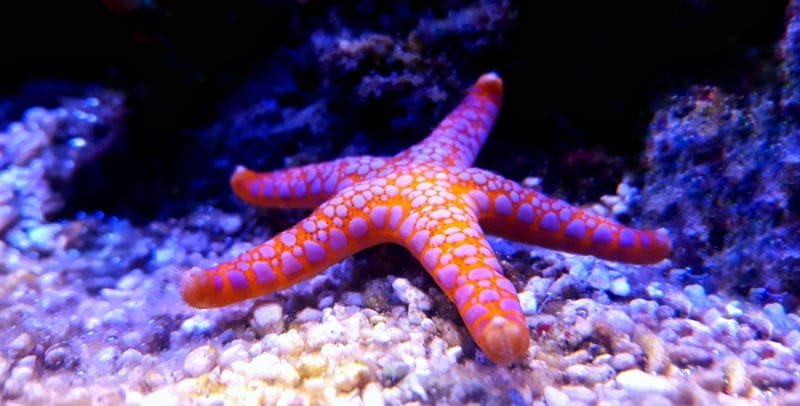
Starfish begin life as microscopic, free-swimming larvae. These larvae are bilaterally symmetrical, with a distinct left and right side, just like most animals, including humans.
During metamorphosis, the larva settles on the sea floor and undergoes a radical change. Its body completely reorganizes and develops the typical radial symmetry of an adult starfish, usually with five arms around a central disc. Starfish, sea urchins and their relatives are among the few animals that change their body plan this drastically.
7. Corals: from swimming larva to fixed polyp
Corals, the builders of coral reefs, also have very different life stages. After fertilization, a small, oval, free-swimming larva develops, called a planula. It moves through the water using tiny hairs.
The planula searches for a suitable hard surface on which to settle. Once attached, it transforms into a polyp: a sac-like animal with a mouth surrounded by tentacles. The polyp begins to produce a skeleton of calcium carbonate and multiplies by budding, eventually forming a coral colony that looks nothing like the original larva.
8. Dragonflies: from underwater hunter to aerial acrobat
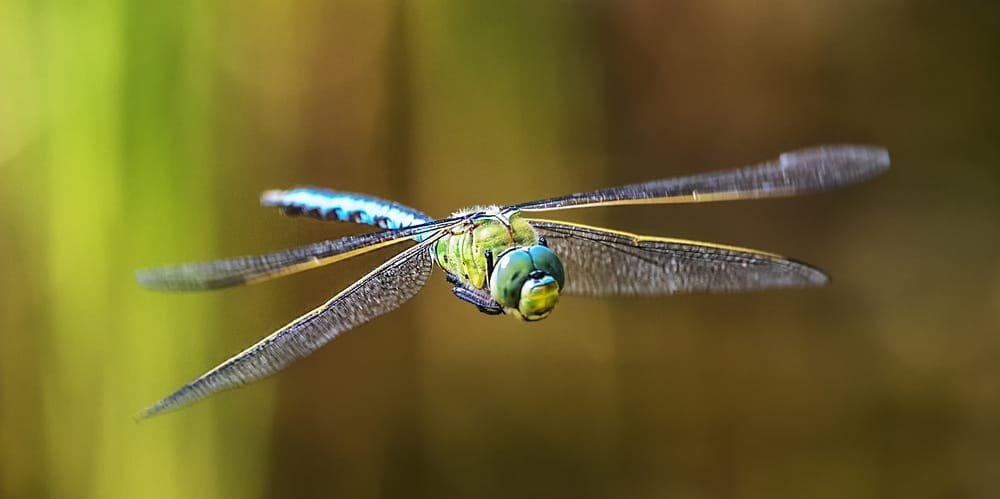
Dragonflies spend most of their lives underwater, as larvae called nymphs. A nymph looks very different from the adult: a sturdy, well-camouflaged predator with six legs and no wings. It has a unique, extendable lower lip, called a mask, which it shoots out to grab prey, even small fish and tadpoles. Some nymphs can also shoot water out of their rear end to move forward by jet propulsion.
Nymphs live underwater for months or even years, molting many times. For the last molt, the nymph climbs out of the water, its skin splits open and the adult dragonfly emerges, pumps up its wings and flies away.
9. Beetles: from grub to armored insect
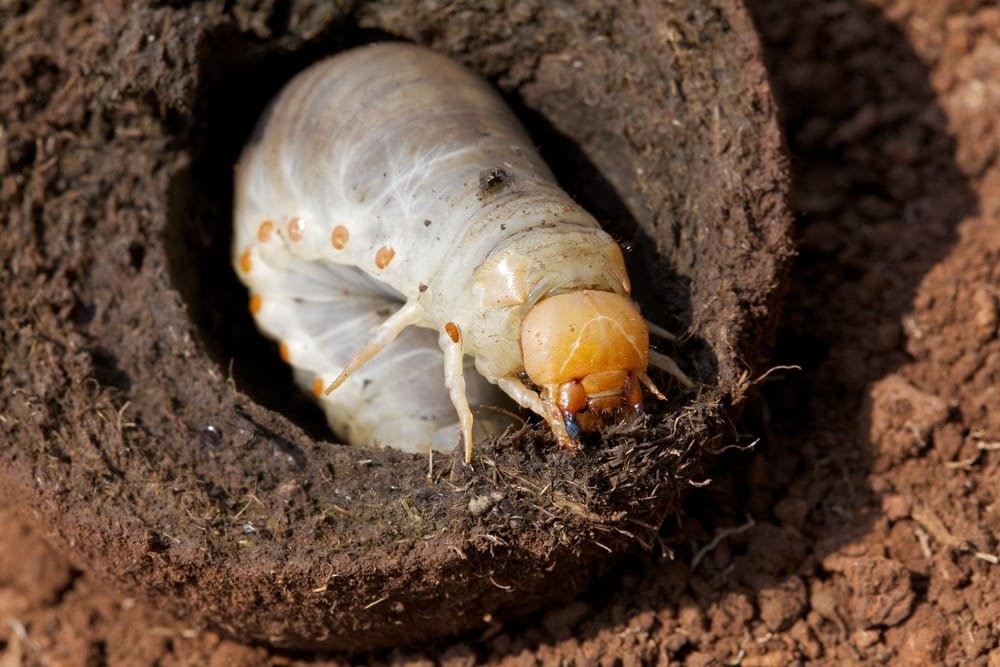
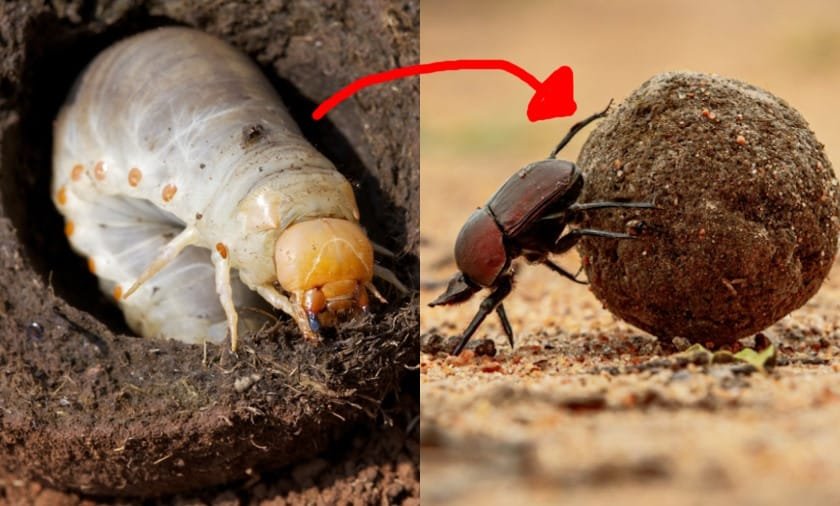
Beetles undergo a complete metamorphosis. From the egg comes a larva, which often looks like a soft, fat grub, such as the larvae of dung beetles and stag beetles, or is long and armored, like the wireworms that become click beetles. These larvae grow and molt several times, sometimes over several years.
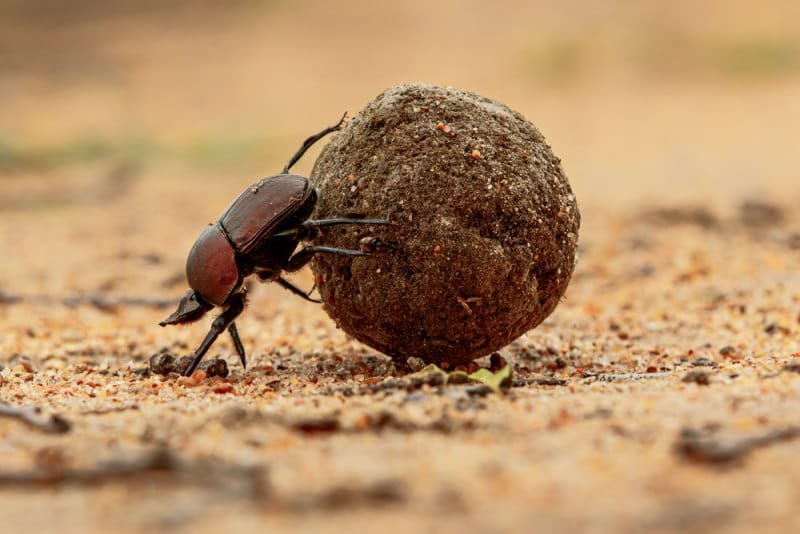
Then they pupate. Inside the pupa, they transform into an adult beetle with hard wing covers, six legs and a distinctive head. The differences between larva and adult are often enormous.
10. Tapeworms: a complex life in several hosts
Tapeworms are parasites with complex life cycles, in which they pass through different stages in different hosts. Their eggs leave the body of the final host, such as a human or a dog. An intermediate host, such as a cow, pig or fish, swallows the eggs.
In the intermediate host, a larva develops and forms a small cyst in the muscles or organs. When the final host eats the infected meat, the larva develops in the intestine into an adult tapeworm, which looks completely different and can grow to several meters long. Each stage is perfectly adapted to its specific host. Fortunately, thorough cooking of meat kills the larvae.