Nature possesses extraordinary ingenuity when it comes to survival, but parasitic organisms take adaptation to spine-chilling extremes. From brain-invading amoebas to flesh-burrowing flies, parasites exploit human hosts for food, shelter, and reproduction. Here are ten of the most terrifying parasites that can infect human beings.
10. The Screwworm Fly
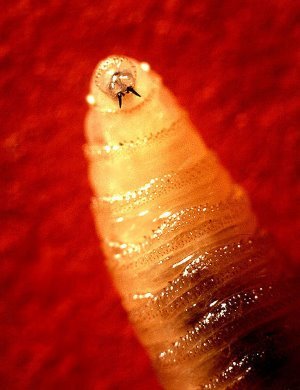
The New World screwworm fly (Cochliomyia hominivorax) lays hundreds of eggs along the edges of open wounds or mucous membranes on warm-blooded animals and humans. Upon hatching, the larvae burrow deep into living tissue with sharp mouth hooks, chewing through muscle and flesh like wood screws.
Unlike ordinary maggots that consume dead flesh, screwworms exclusively devour living tissue, causing massive tissue destruction unless surgically extracted.
9. Loa Loa: The African Eye Worm
Transmitted through the bites of deerflies in central and western African rainforests, Loa loa is a parasitic filarial worm that migrates through human subcutaneous tissue for years. Sufferers experience itchy Calabar swellings along their arms and legs.
The most horrific symptom occurs when the adult worm, measuring up to seven centimeters in length, crawls directly across the conjunctiva of the human eyeball in plain view.
8. Candiru: The Infamous Parasitic Catfish
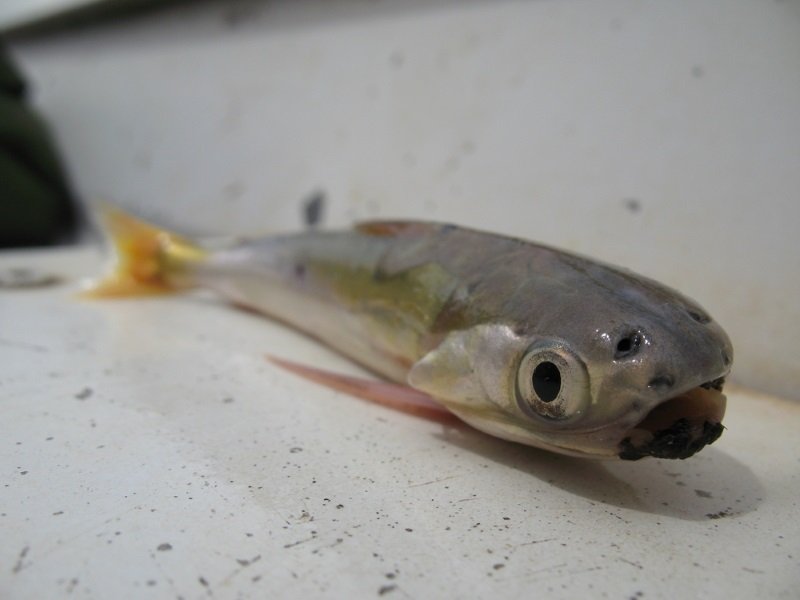
Native to the murky waters of the Amazon and Orinoco basins, the tiny candiru catfish is an aquatic parasite that normally swims into the gill chambers of larger fish to gorge on blood.
Amazonian folklore warns that the translucent fish can swim up human urethras when swimmers urinate in the river, anchoring itself with backwards-facing spines. While verified medical extractions from humans are exceptionally rare, the chilling reputation makes it a legendary river terror.
7. Naegleria fowleri: The Brain-Eating Amoeba
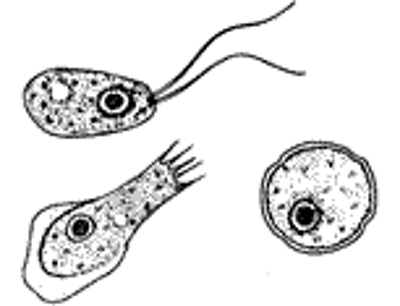
Thriving in warm freshwater lakes, rivers, and hot springs, Naegleria fowleri is a free-living amoeba that infects humans when water is forced forcefully up the nose during diving or swimming.
The amoeba travels along the olfactory nerve into the brain, causing primary amoebic meningoencephalitis by destroying brain tissue. The infection progresses rapidly, causing headache, fever, and coma with a fatality rate exceeding ninety-seven percent.
6. Ascaris lumbricoides: Giant Roundworms
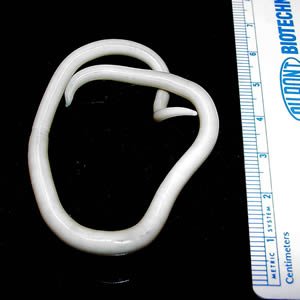
Ascaris lumbricoides is a giant intestinal roundworm that infects nearly one billion people globally through food or water contaminated with soil eggs. Once ingested, larvae burrow through intestinal walls, enter the bloodstream to reach the lungs, crawl up the trachea, and are swallowed back into the gut.
Adult worms grow up to thirty-five centimeters long inside the small intestine, where heavy infestations can cause physical bowel obstruction.
5. Ophiocordyceps: The Zombie Fungus
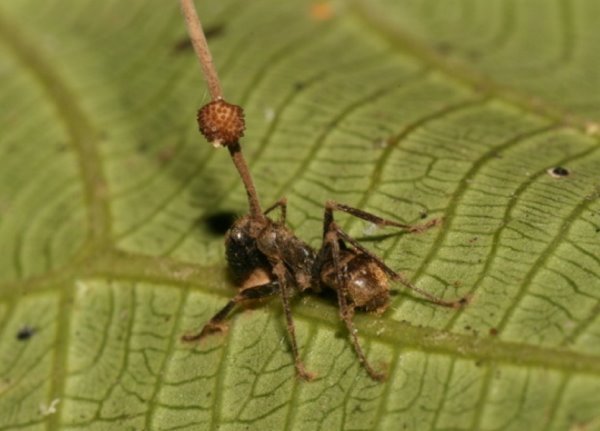
Famous for inspiring the post-apocalyptic fungus in The Last of Us, Ophiocordyceps unilateralis infects tropical carpenter ants, hijacking their central nervous system to command them to climb high onto vegetation. The fungus forces the ant to clamp onto a leaf vein before killing it and bursting through its head to release spores.
While the fungus cannot infect humans due to our complex immune systems and warm body temperatures, its behavioral manipulation remains pure biological horror.
4. Lymphatic Filariasis: Elephantiasis

Transmitted by mosquitoes, microscopic filarial nematodes like Wuchereria bancrofti lodge inside human lymphatic vessels, maturing into adults and living for years.
The tangled worms cause severe inflammation and lymphatic obstruction, resulting in extreme fluid retention, thickened skin, and massive swelling of limbs and genitals known as elephantiasis. Global health campaigns have drastically reduced case numbers through mass medication distributions.
3. Tapeworms: Silent Intestinal Giants
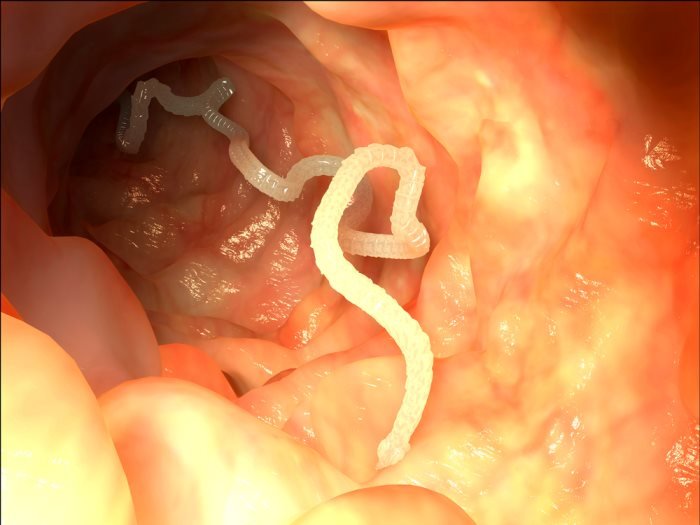
Contracted by consuming undercooked pork or beef containing larval cysts, adult tapeworms like Taenia solium can live undetected inside the human gut for decades, growing up to ten meters in length. The worm anchors itself to the intestinal wall using hooks and suckers, absorbing nutrients through its skin.
If humans accidentally ingest tapeworm eggs, the larvae can migrate to muscle tissue, eyes, and the brain, causing seizures and neurological damage in a condition called cysticercosis.
2. Human Botflies
Found throughout Central and South America, the human botfly (Dermatobia hominis) captures mosquitoes mid-air and glues its eggs onto the insect’s abdomen. When the mosquito bites a human, body heat triggers the eggs to hatch, allowing the larva to enter the bite wound.
The grub burrows beneath the skin, breathing through a tiny hole and anchoring itself with rows of barbed spines, squirming noticeably as it develops over six weeks.
1. The Guinea Worm: The Fiery Serpent
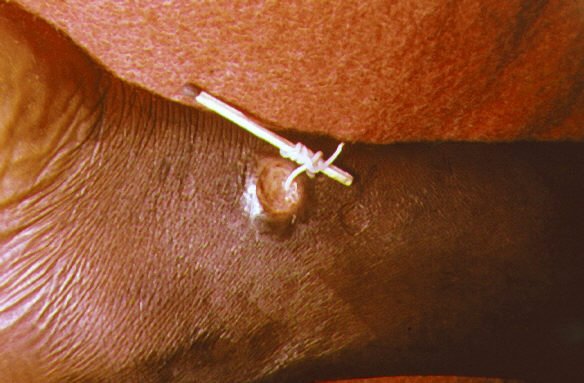
Dracunculus medinensis, or the Guinea worm, infects humans who drink stagnant water containing microscopic water fleas harboring worm larvae. Inside the human body, the female worm grows up to one meter long over the course of a year before migrating to the feet or legs.
The worm releases an acid to create a blisteringly painful ulcer, prompting the patient to immerse their foot in cold water, which stimulates the worm to burst through the skin and release millions of fresh larvae. The traditional treatment involves carefully winding the emerging worm around a stick over several weeks.