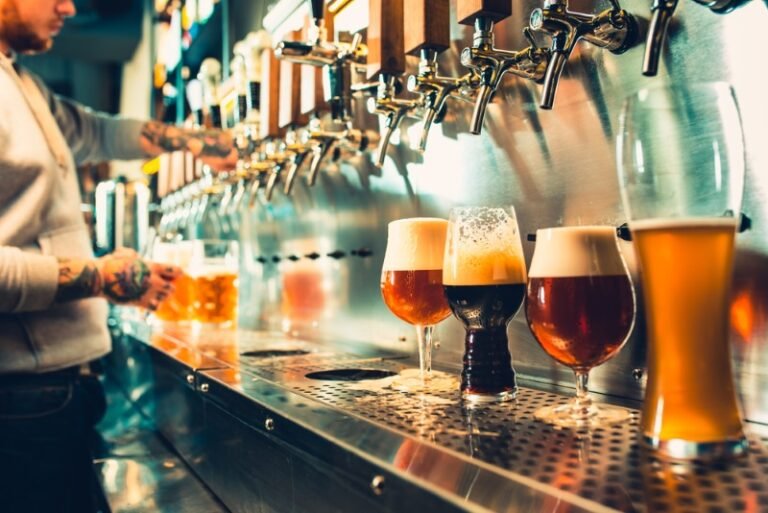
Standard commercial beers generally range between four and six percent alcohol by volume, while common dinner wines sit comfortably around twelve to fourteen percent. Even typical shelf spirits like whiskey, gin, and vodka rarely venture past forty or forty five percent. Yet beyond the realm of everyday social drinking exists an extreme category of ultra high proof spirits that push distillation to its absolute chemical threshold.
According to federal regulations established by the Alcohol and Tobacco Tax and Trade Bureau, commercial distillation proof indicates twice the liquid percentage of ethanol by volume. While casual consumers treat these bottles as extreme culinary novelties, bartenders and herbalists value them for botanical tinctures, flambé desserts, and precision cocktail floats. Here are the 10 strongest alcoholic drinks in the world ranked by pure alcohol concentration.
10. Absinthe (Up to 74% ABV)
Absinthe earned international notoriety during the late nineteenth century as the favored bohemian spirit of Paris painters and poets, including Vincent van Gogh and Henri de Toulouse Lautrec. Crafted through the distillation of neutral spirits infused with wormwood, green anise, and sweet fennel, commercial varieties frequently range from forty five to seventy four percent alcohol.
Popular folklore historically blamed wormwood chemical compound thujone for triggering hallucinogenic madness. Modern laboratory testing has thoroughly debunked that legend, proving that erratic behavior among historic drinkers stemmed purely from acute high proof ethanol intoxication. Drinking absinthe requires the traditional French louche ritual, where cold water slowly dissolves a sugar cube placed over a perforated spoon, transforming the clear green liquor into an opalescent milky drink.
9. Elixir Vegetal de la Grande Chartreuse (71% ABV)
Produced in the French Alps by Carthusian monks since 1737, the Elixir Vegetal represents one of the oldest continually produced herbal tonics in existence. The intricate recipe comprises one hundred and thirty alpine herbs, botanicals, and floral aromatics macerated into pure spirit and aged in oak casks.
With an alcohol concentration standing at seventy one percent, the monastic order markets this pungent green liquid as a digestive tonic rather than a recreational beverage. Consuming the spirit neat is widely discouraged because the potent botanical oils overwhelm the palate. Enthusiasts traditionally add a few drops to an herbal tea, splash it over a sugar cube, or blend miniature quantities into restorative punches.
8. Inner Circle Rum Black Dot (75.9% ABV)
Originating in the nineteenth century at Australia Colonial Sugar Refining Company, Inner Circle Rum was originally kept exclusively for refinery managers and board executives. The distillery reserved distinct colored dots on the label to distinguish proof strengths, with the legendary Black Dot marking the top tier seventy five point nine percent ABV reserve.
Distilled through traditional pot stills and matured in seasoned wooden vats, the rum delivers rich molasses richness and charred oak aromas beneath its scorching alcohol burn. After public release in the mid twentieth century, it became a cult classic across maritime circles, requiring generous quantities of fresh citrus juice or cola to dilute its heavy punch.
7. Bacardi 151 (75.5% ABV)
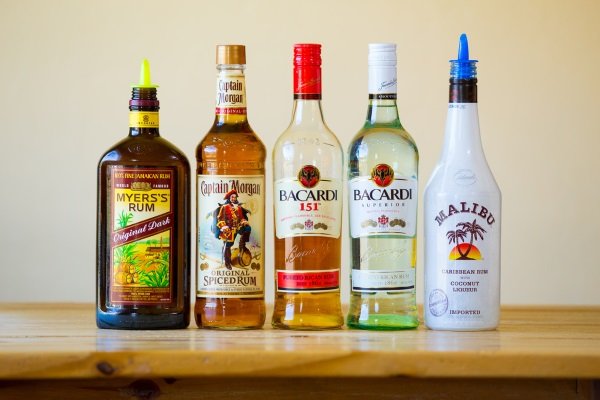
Perhaps the most famous overproof rum in American cocktail culture, Bacardi 151 carried an intense seventy five point five percent alcohol content. Distinctive for the stainless steel flame arrester built directly into the neck of every bottle, this high proof spirit was a staple in tiki bars for decades, utilized primarily to ignite flaming cocktails like the Flaming Dr Pepper and the Zombie.
The extreme flammability of the product created substantial legal liabilities. In 2016, Bacardi officially halted global production to focus on safer, lower proof expressions. Today, surviving unopened bottles function as expensive collector items traded among tiki cocktail historians.
6. Devil Springs Vodka (80% ABV)
Manufactured in New Jersey, Devil Springs Vodka carries an imposing eighty percent alcohol content (160 proof). Unlike artisanal sippers, this neutral grain spirit strips away all subtle aromas in pursuit of pure, uncompromising strength.
The bottle label explicitly warns customers against drinking the liquid unmixed. Instead, home mixologists and bar owners utilize Devil Springs as a high efficiency solvent for crafting custom botanical bitters, infused lavender tinctures, and rapid fruit extracts where dense ethanol draws out flavors in days rather than months.
5. Stroh 80 Rum (80% ABV)
Originating from Klagenfurt, Austria in 1832, Stroh is a distinctive Central European spiced spirit known as Inlander Rum. Because landlocked nineteenth century Austria lacked Caribbean sugar colonies, local distiller Sebastian Stroh crafted a custom spirit utilizing imported molasses combined with secret botanical spice extracts.
At eighty percent alcohol by volume, Stroh 80 gives off deep aromas of vanilla, caramel, butterscotch, and winter spices. Across Austria and Germany, it is rarely consumed straight. Instead, alpine travelers add hearty splashes into hot tea (creating Jagertee), while European pastry chefs consider it indispensable for flavoring holiday cookies, apple strudels, and rum cakes.
4. Poitin (Up to 90% ABV)
Poitin, derived from the Irish word pota for small pot, is Ireland traditional moonshine. Banned by the British government in 1661 to enforce alcohol taxation, clandestine distillers spent more than three centuries cooking batches in remote peat bogs and mountain valleys under cover of thick fog.
Distilled from malted barley, grains, or occasionally potatoes, authentic traditional batches frequently touched ninety percent alcohol. Since the legalization of commercial poitin distillation in 1997, craft distilleries have restored the historical beverage, capturing earthy, cereal forward flavors that provide a direct glimpse into Celtic distilling heritage.
3. Marienburg Rum (90% ABV)
Produced in Suriname, Marienburg Rum is tied directly to the history of the Marienburg sugarcane plantation established along the Commewijne River. The flagship version bottled for domestic distribution clocks in at an astounding ninety percent alcohol by volume.
International shipping regulations prevent the domestic ninety percent bottling from being exported abroad, restricting foreign shipments to an eighty one percent version. In Suriname, locals mix small quantities of Marienburg into tropical fruit juices, using ice and citrus to tame its formidable heat.
2. Everclear Grain Alcohol (95% ABV)
Manufactured by Luxco, Everclear is the undisputed symbol of high proof neutral grain spirits in North America. Produced from selected corn grains, the flagship 190 proof bottling reaches ninety five percent pure ethanol by volume.
Because pure grain alcohol lacks distinctive flavor or color, its consumption neat poses extreme risks of rapid alcohol poisoning and chemical mucosal burning. Several American states have placed outright sales bans on 190 proof spirits. In safe kitchen applications, cooks rely on Everclear for creating homemade limoncello, extracting vanilla bean caviar, and sanitizing culinary instruments.
1. Spirytus Rektyfikowany and Cocoroco (96% ABV)
Reaching ninety six percent alcohol by volume (192 proof), Poland Spirytus Rektyfikowany and Bolivia Cocoroco share the title of the strongest commercially bottled alcoholic drinks on planet Earth. Distillation chemistry reaches a physical boundary known as the ethanol water azeotrope at ninety six point five percent, meaning standard fractional distillation cannot separate additional water molecules without specialized industrial solvents.
According to research highlighted by the Distilled Spirits Council of the United States, spirits at this extreme threshold evaporate almost instantaneously at room temperature. In Polish households, Spirytus is used strictly as a base for preparing traditional nalewki fruit liqueurs. In the high altitude Andes of Bolivia, tin cans of Cocoroco made from sugarcane are shared during indigenous ritual ceremonies and diluted with tea.
Ultra high proof spirits represent extreme achievements in distillation technology and cultural heritage. From centuries old monastic remedies hidden in the French Alps to illegal Irish moonshines perfected over generations, each of these beverages carries historical significance far beyond sheer alcohol strength.
Whether utilized for crafting homemade fruit liqueurs, infusing aromatic botanicals, or adding dramatic flambé finishes to culinary presentations, these ten spirits must always be approached with strict respect and responsible dilution.