Modern civilization runs on grain. Wheat bakes our bread and pasta, rice feeds billions across Asia and Africa, and corn and soybeans sustain the world’s livestock herds. Yet despite the planet’s size, global food security rests on just a handful of extraordinarily fertile regions where soil, rainfall, and flat terrain align.
When drought, war, or export blockades hit even one of these agricultural heartlands, grocery prices spike on every continent. Here are the ten most important breadbaskets on Earth.
1. The Black Sea Region (Russia and Ukraine)

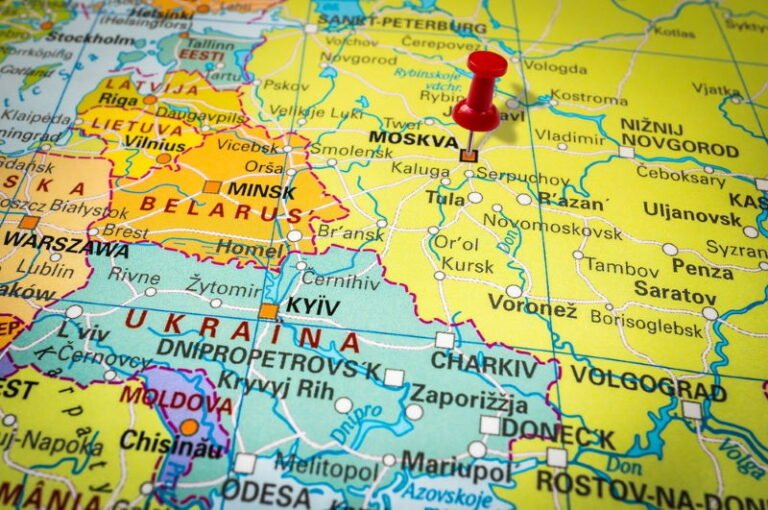
Stretching across southern Ukraine and southwestern Russia lies the world’s largest expanse of chernozem, a humus-rich black topsoil up to a meter deep that requires almost no artificial fertilizer to produce bumper harvests of wheat, barley, corn, and sunflower oil.
Together, Russia and Ukraine account for roughly a quarter of global wheat exports. Even amid the devastation of war and mined farmland, shipments passing through Danube river ports and Black Sea corridors remain a lifeline for import-dependent nations across North Africa and the Middle East, from Egypt to Lebanon.
2. The American Great Plains and Corn Belt
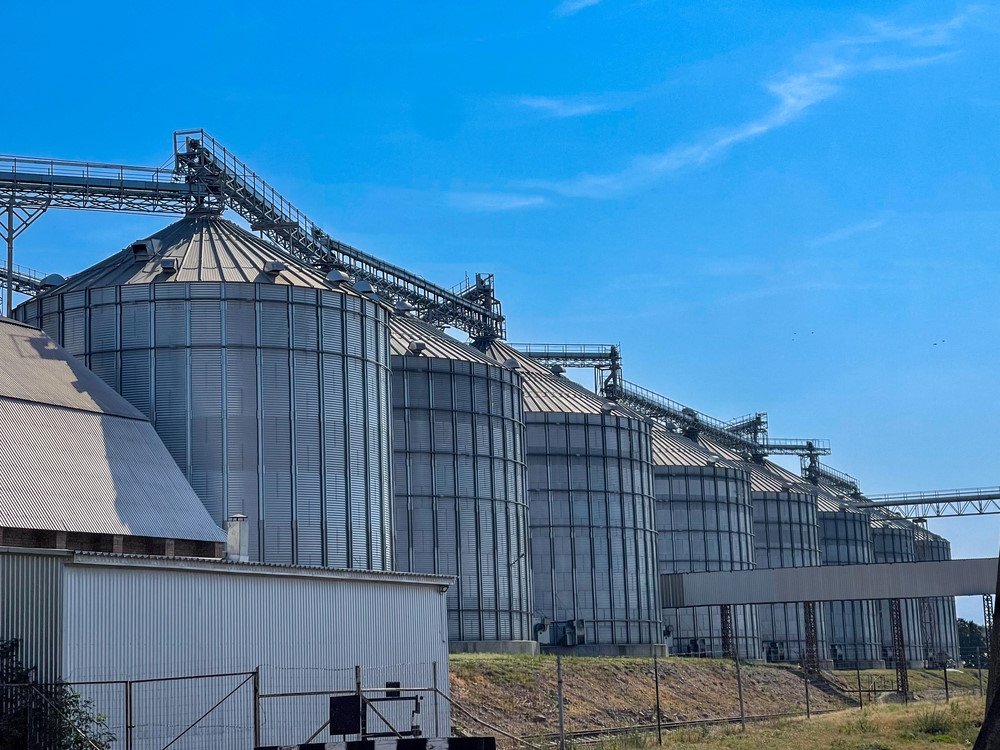
From the wheat fields of Kansas, Nebraska, and the Dakotas to the corn and soybean farms of Iowa and Illinois, the interior plains of the United States form an agricultural machine of unmatched scale. Family and corporate farms spanning thousands of hectares harvest grain with GPS-guided combines and load it onto barges traveling down the Mississippi River to Gulf of Mexico export terminals, shipping tens of billions of dollars’ worth of wheat, corn, and soy to Mexico, Japan, China, and the Philippines each year.
3. The Brazilian Interior (Mato Grosso and the Cerrado)
Fifty years ago, agronomists dismissed Brazil’s vast tropical savanna, the Cerrado, as too acidic and nutrient-poor for large-scale farming.
By neutralizing the soil with lime and breeding tropical soybean varieties, Brazilian researchers turned the state of Mato Grosso into an agricultural juggernaut that now outperforms the United States as the world’s leading exporter of both soybeans and corn. Warm temperatures and seasonal rains allow Brazilian farmers to harvest two (and sometimes three) crops from the exact same field in a single calendar year, though rapid expansion continues to stir fierce debate over deforestation along the Amazon frontier.
4. The Canadian Prairies
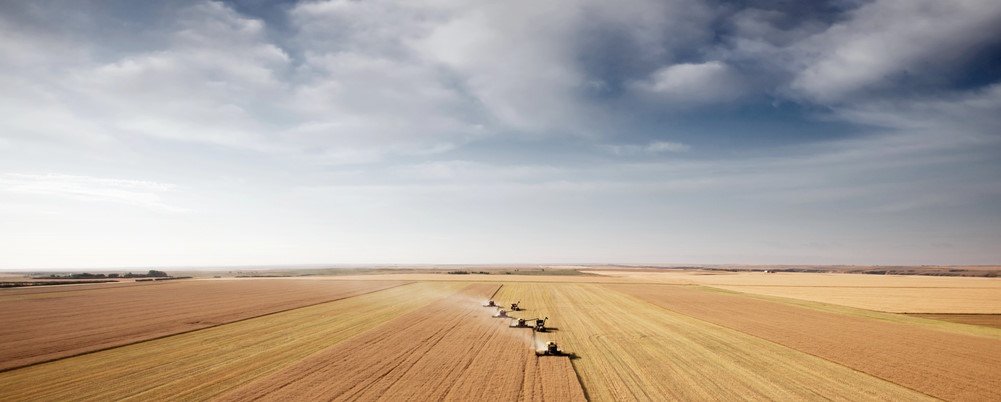
Across Saskatchewan, Alberta, and Manitoba, short summers with long, sunny days produce some of the highest-protein hard spring wheat, durum wheat, and canola on the planet. Bakers in Europe, North Africa, and Asia prize Canadian wheat for making crusty bread and firm Italian pasta, making Canada the world’s number one wheat exporter by dollar value as unit trains haul millions of tons across the Rockies to the port of Vancouver.
5. The North China Plain
Watered by the Yellow River across Henan, Shandong, and Hebei provinces, the North China Plain produces roughly 140 million metric tons of wheat a year, making China the largest wheat-growing nation on Earth.
Almost none of that grain ever reaches international markets: every ton is consumed domestically to feed China’s 1.4 billion citizens. Keeping the North China Plain self-sufficient in staple grains is a top national security priority for Beijing, even as China relies heavily on imported Brazilian and American soybeans to feed its vast pig and poultry herds.
6. The Punjab (India and Pakistan)
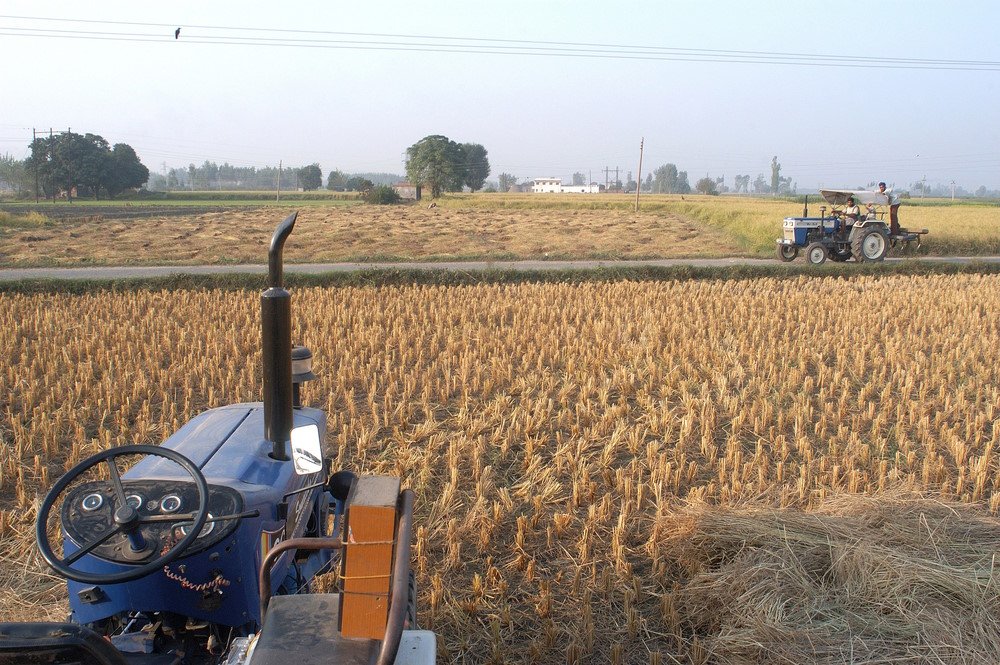
Named from the Persian words for five waters after the five tributaries of the Indus River that cross its alluvial plains, the Punjab region straddling northwestern India and eastern Pakistan is the cradle of South Asia’s Green Revolution. High-yield wheat and rice seeds introduced in the 1960s turned India into the world’s second-largest wheat producer at over 100 million tons annually, though decades of non-stop tube-well pumping are now dangerously depleting the region’s underground aquifers.
7. The Argentine Pampas

Fanning out from Buenos Aires across Santa Fe and Cordoba, the flat, fertile grasslands of the Pampas give the global grain market a vital seasonal counterbalance: while Northern Hemisphere fields lie frozen in winter, Argentina harvests fresh wheat, corn, and soybeans in the Southern Hemisphere summer and ships them directly from river ports along the Parana River.
8. The Australian Wheat Belt
Curving across southwestern Western Australia and through South Australia, Victoria, and New South Wales, Australia’s Wheat Belt is the swing producer of the Asia-Pacific region. Because Australia’s domestic population of 27 million consumes only a small fraction of the harvest, up to 70 percent of Australian wheat is exported to Indonesia, China, the Philippines, and Japan during wet La Nina years, though severe El Nino droughts can cut output in half almost overnight.
9. The Paris Basin (France)
Surrounding the French capital across regions like Beauce, Brie, and Picardy lies the richest agricultural basin in the European Union. Deep wind-blown loess soils and reliable Atlantic rainfall allow French farmers to achieve some of the highest wheat yields per hectare anywhere on Earth, making France Europe’s leading grain exporter and a crucial supplier to Algeria, Morocco, and West Africa.
10. The Mekong Delta (Vietnam)

Known locally as the Nine Dragon River Delta where the Mekong splits into branches before emptying into the South China Sea, southern Vietnam’s Mekong Delta is one of the most productive rice bowls on the planet.
Warm tropical weather and nutrient-rich silt allow Vietnamese farmers to harvest three rice crops a year, propelling Vietnam into the top three rice exporters globally alongside India and Thailand. Yet no breadbasket on this list faces a more urgent climate threat: rising sea levels and upstream dams are pushing saltwater deeper into the delta’s irrigation canals each dry season, forcing many coastal farmers to abandon rice paddies for saltwater shrimp farming.