
Human desire is endlessly inventive. Most people have a type, a preference or a fantasy or two. And then there are the fetishes that make you wonder how anyone discovered them in the first place.
All ten below are real and documented, most of them with impressive Greek or Latin names. None of this is meant to judge. As long as everyone involved is a consenting adult, or an inanimate object, it is nobody else’s business.
1. Formicophilia: insects
Formicophilia is arousal from small creatures crawling over the body, usually insects such as ants or beetles, sometimes snails. The tickling sensation, combined with a hint of danger, is what does it.
It is rare enough that much of what is known comes from individual case reports in medical journals. Which is probably for the best.
2. Hybristophilia: attraction to criminals
Hybristophilia is attraction to people who have committed crimes, sometimes violent ones. It is sometimes called “Bonnie and Clyde syndrome”.
It explains why notorious killers receive sacks of fan mail and marriage proposals in prison. Ted Bundy married a supporter during his own murder trial, and the Menendez brothers, Charles Manson and Richard Ramirez all had admirers who wanted to marry them.
3. Mechanophilia: machines
For mechanophiles, cars, motorcycles and other machines are not just objects but objects of desire. The attraction can focus on the shape, the sound of an engine or the feeling of power.
A handful of men have appeared in documentaries and talk shows describing long-term “relationships” with their cars. Car culture, with its curves, chrome and engine noise, makes the fetish a little easier to understand than most on this list.
4. Objectophilia: buildings and bridges
Objectophilia goes one step further: emotional and sexual attachment to objects, often large ones like buildings, bridges or monuments.
The most famous case is Erika Eiffel, an American former archer who held a commitment ceremony with the Eiffel Tower in 2007 and changed her surname accordingly. Others have described relationships with the Berlin Wall, a fairground ride and the Golden Gate Bridge.
5. Vorarephilia: being eaten
Vorarephilia, or “vore”, is a fantasy about eating someone or being eaten, usually whole. It almost always stays in the realm of fantasy, drawings and role play.
Psychologists see it as an extreme version of themes found in many fetishes: total control on one side and total surrender on the other.
6. Forniphilia: human furniture
Forniphilia is arousal from using a person as furniture, or being used as furniture: a table, a footstool, a lamp holder.
It is mostly found within BDSM, where it is a form of objectification and submission. The real challenge, enthusiasts admit, is staying still for that long.
7. Dendrophilia: trees
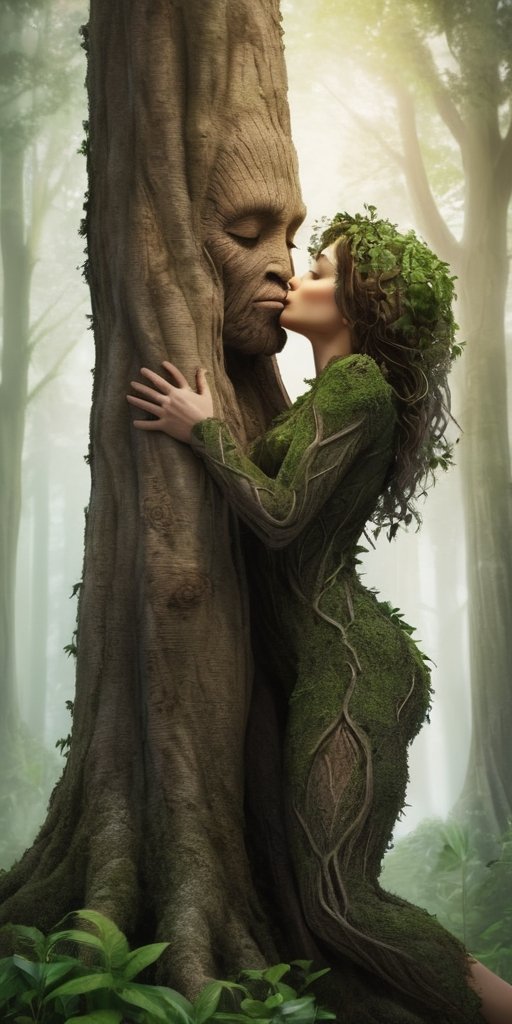
Dendrophilia is sexual attraction to trees. It can mean anything from a deep sensual connection with nature to actual physical intimacy with a trunk.
The word got a second life online as a joke, but there are people who mean it seriously, and there is a branch of the so-called ecosexual movement that literally embraces it.
8. Eproctophilia: flatulence

It sounds like a joke, but eproctophilia, arousal from flatulence, is real enough that psychologists have written case studies about it. The sound, the smell and the taboo can all play a part.
There is, inevitably, an online community and a market for it. We will leave it there.
9. Klismaphilia: enemas
Klismaphilia is arousal from giving or receiving enemas, often as part of medical role play. The physical sensations, the intimacy and the element of control all contribute.
It has been described in medical literature since the 1970s, mostly in case reports. A word of caution: enemas carry real health risks when overdone.
10. Agalmatophilia: statues and mannequins
Agalmatophilia is attraction to statues, dolls or mannequins. The idea is as old as mythology: the Greek sculptor Pygmalion fell in love with his own ivory statue, which Aphrodite then brought to life.
Today the fetish has gone high-tech. Lifelike silicone dolls, some with built-in AI, are a growing industry, and they have raised new questions about where an object ends and a relationship begins.