Biological diversity encapsulates the living fabric of Earth, spanning millions of animal, plant, and microbial species alongside the diverse ecosystems they inhabit. High biodiversity provides critical ecosystem services, from climate regulation and watershed protection to pharmaceutical discoveries and agricultural pollination.
Conservation biologists evaluate megadiverse nations using indices compiled by environmental bodies and the IUCN Red List of Threatened Species. In statistical rankings published by The Swiftest Global Biodiversity Index, scientists assign comparative scores across mammal, bird, reptile, amphibian, fish, and vascular plant species. By evaluating these biological counts, these ten nations stand as the richest biological sanctuaries on our planet.
10. United States
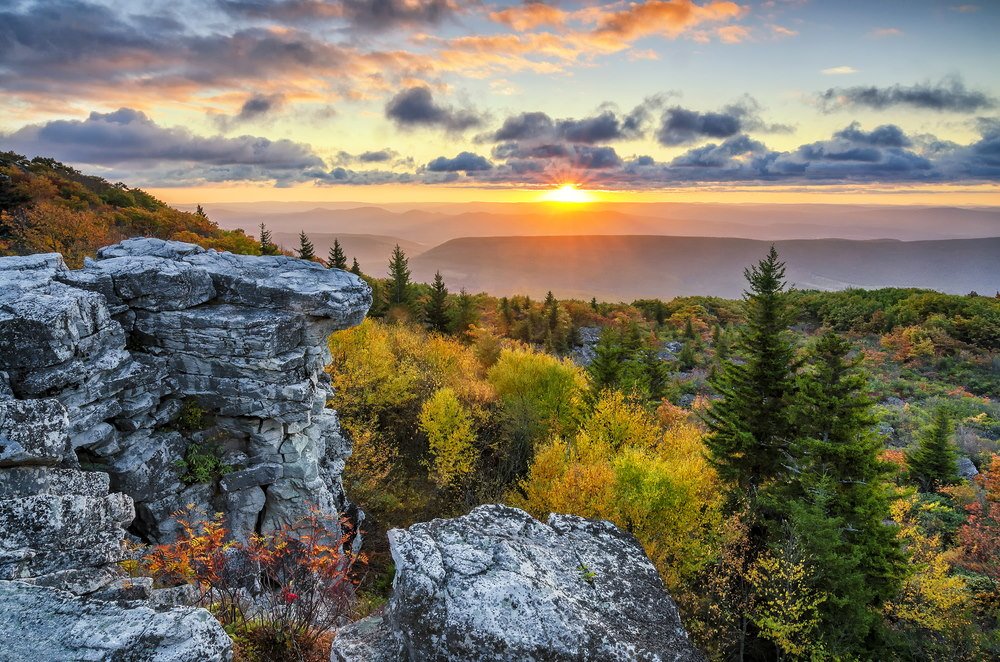
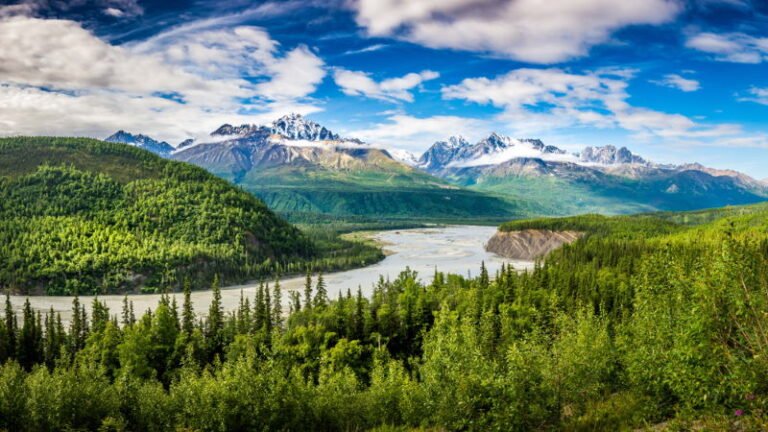
Covering nearly ten million square kilometers across diverse climate zones, the United States protects an astonishing variety of habitats, ranging from Alaskan arctic tundra to subtropical Florida wetlands and Hawaiian volcanic rainforests.
The country is a global hotspot for temperate freshwater fish, salamanders, and ancient coniferous forests, home to giant sequoias, grizzly bears, and bison.
9. Ecuador
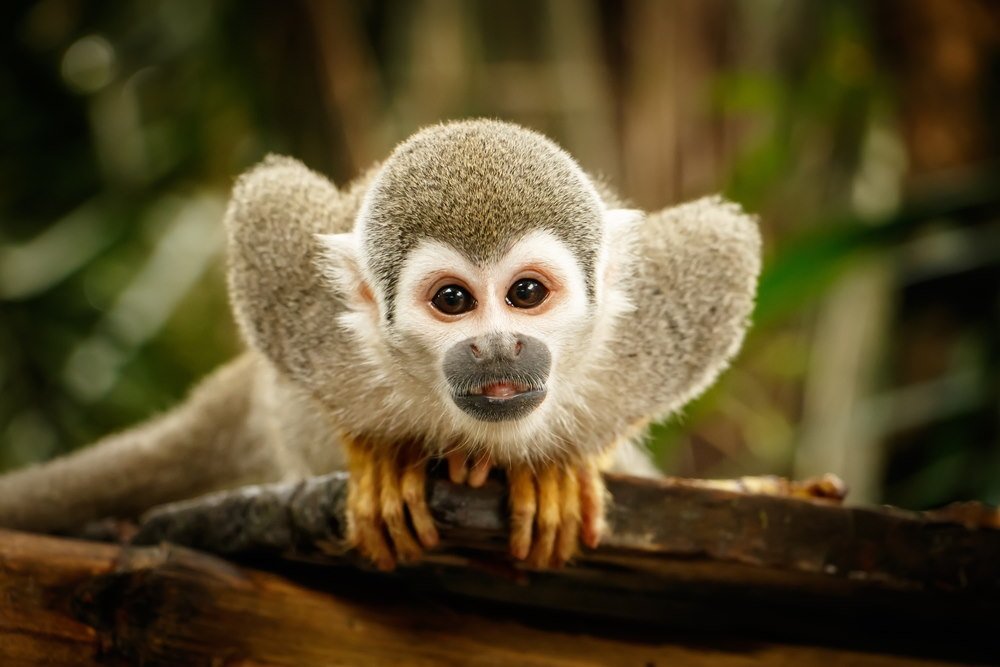
Despite its compact land area, Ecuador harbors more biodiversity per square kilometer than almost any nation on Earth. Its territory encompasses the Amazon rainforest, Andean cloud forests, coastal lowlands, and the Galápagos archipelago.
The Galápagos alone hosts famous endemic evolutionary icons, including marine iguanas, giant tortoises, and flightless cormorants that inspired Charles Darwin’s evolutionary theories.
8. India
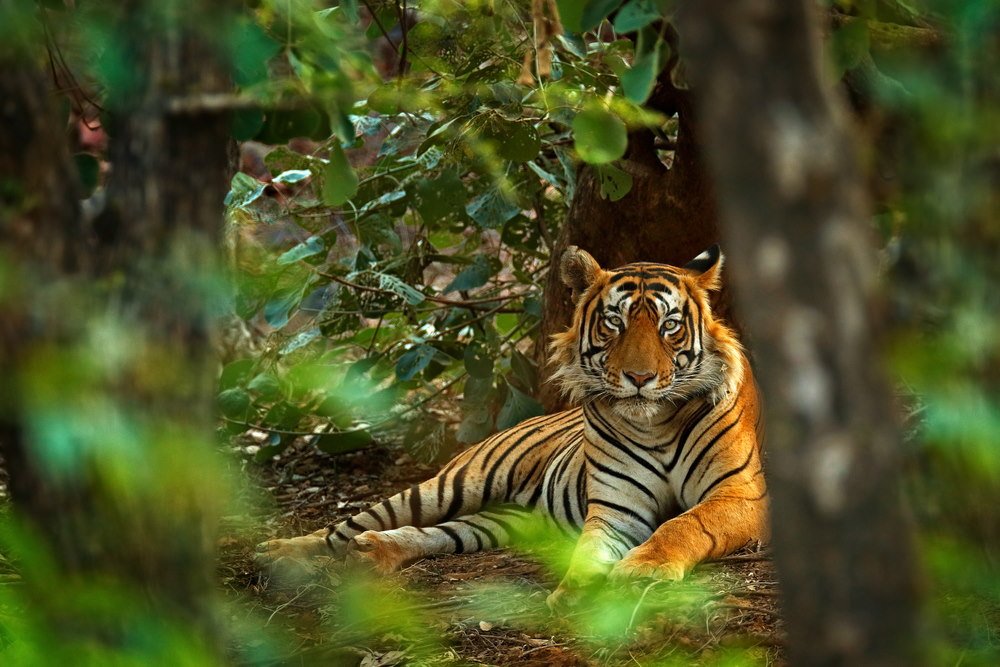
India houses roughly eight percent of all documented terrestrial species on Earth across four recognized global biodiversity hotspots: the Western Ghats, the Himalayas, the Indo-Burma region, and Sundaland.
It remains the only nation on Earth where both tigers and lions roam wild, supported by populations of Asian elephants, Indian rhinoceroses, and over 1,300 bird species.
7. Peru
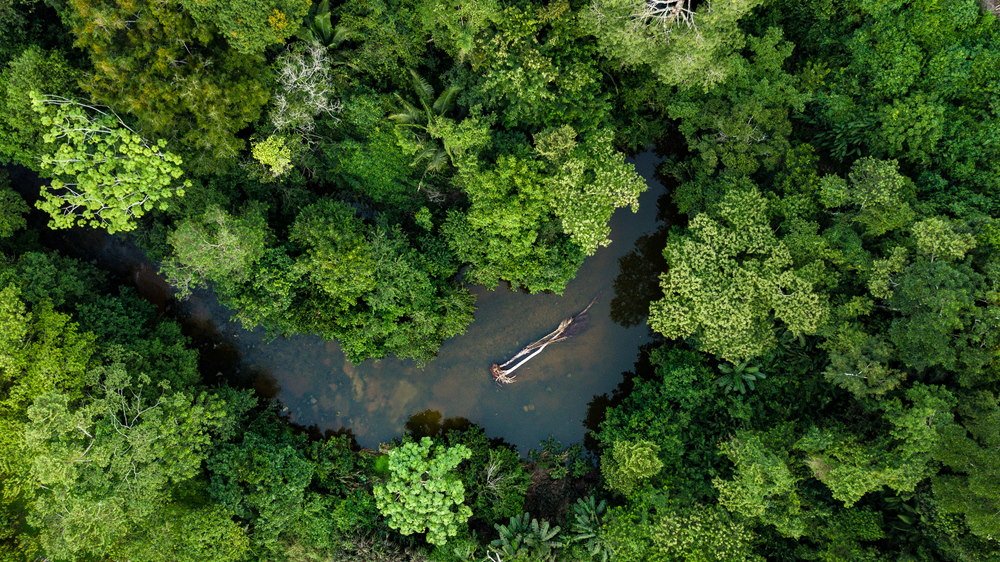
Peru spans seventy percent of the world’s tropical glaciers alongside vast stretches of western Amazon basin. It ranks second globally in bird diversity and fifth in mammals and amphibians.
Manu National Park and the Tambopata Reserve shelter jaguars, giant river otters, and harpy eagles, while the eastern Andean slopes harbor thousands of wild orchid species.
6. Australia
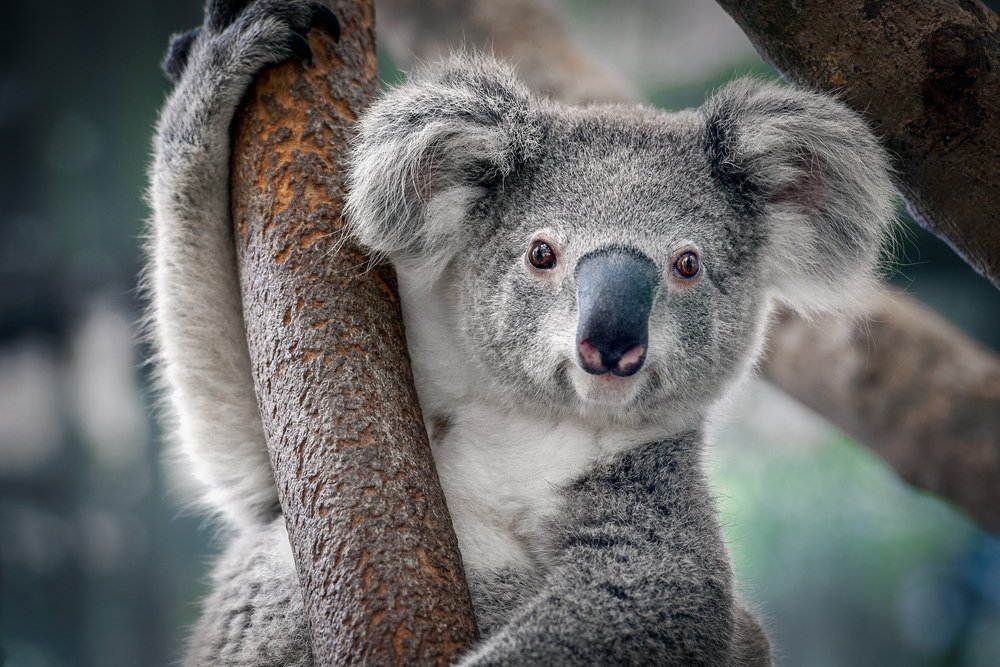
Tens of millions of years of continental isolation transformed Australia into an evolutionary crucible. Approximately eighty-five percent of its flowering plants, eighty-four percent of mammals, and nearly ninety percent of inshore coastal fish occur nowhere else on Earth.
Iconic marsupials like kangaroos, wombats, and koalas roam alongside the platypus and echidna, while off the northeastern coast, the Great Barrier Reef forms the largest living coral structure on Earth.
5. Mexico
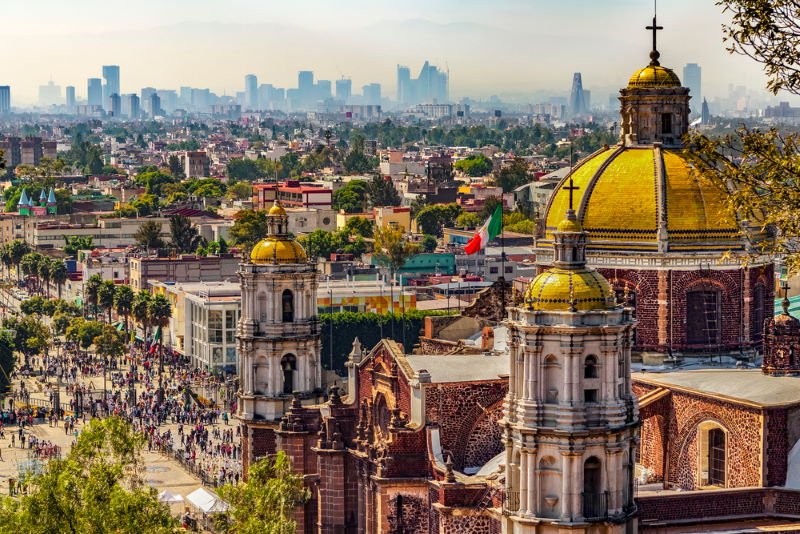
Positioned where Nearctic and Neotropical ecological zones converge, Mexico hosts extraordinary endemism. It ranks first in the world for reptile diversity, with over 800 cataloged species, and second in mammalian richness.
From the arid Sonoran desert to the Lacandon jungle in Chiapas, the country shelters pumas, tapirs, spider monkeys, and millions of overwintering monarch butterflies.
4. China
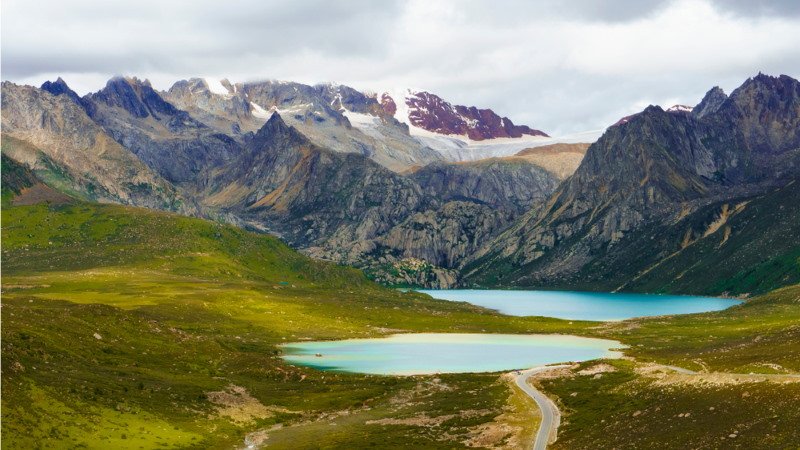
Spanning subarctic taiga, vast deserts, and subtropical rainforests, China is one of the few megadiverse countries outside the tropics. It hosts over 30,000 species of higher vascular plants, surpassing North America and Europe combined.
Iconic endemic wildlife includes the giant panda, golden snub-nosed monkey, red panda, and Chinese alligator, finding shelter within protected bamboo reserves in Sichuan and Yunnan.
3. Colombia
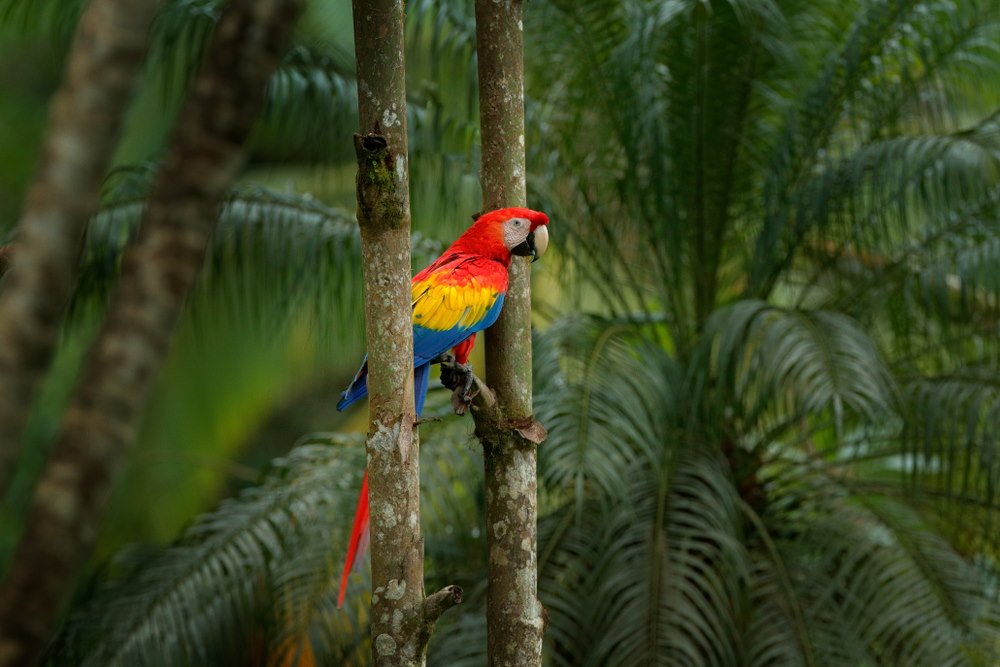
Colombia holds the world record for avian diversity, housing nearly 2,000 bird species (nearly one-fifth of the planet’s total) within its borders. It also claims first place for orchid diversity and second place for plants and amphibians.
Its extraordinary wealth stems from its unique geography: it is the only South American country touching both the Pacific and Caribbean, intersected by three parallel branches of the Andes.
2. Indonesia
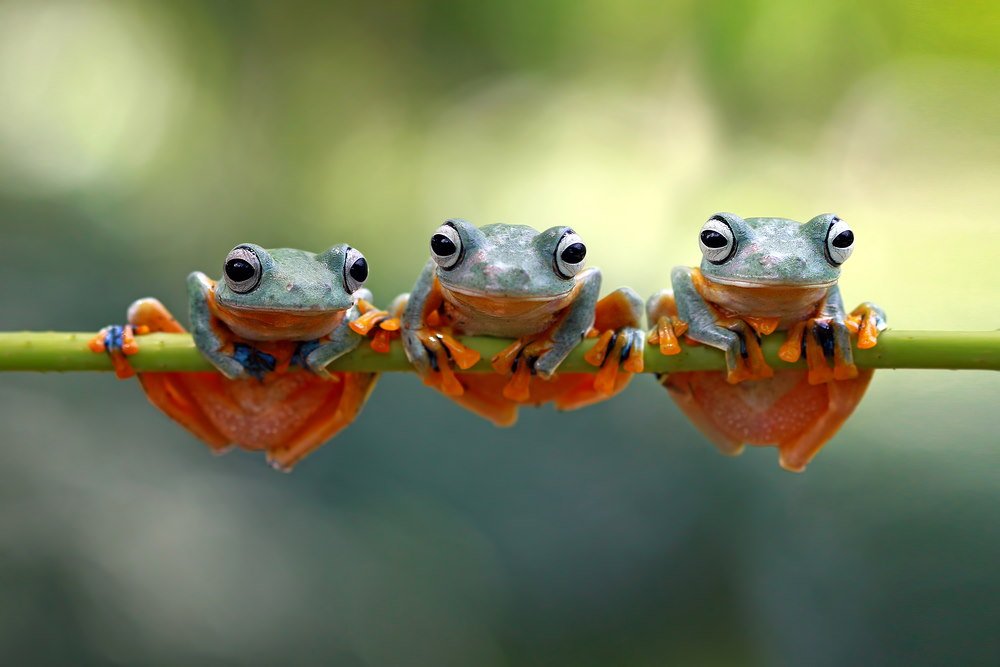
Encompassing more than 17,000 islands across the Wallace Line, Indonesia bridges the Asian and Australasian zoogeographical realms. It houses the third-largest tropical rainforest on Earth and forms the heart of the Coral Triangle.
Sumatran tigers, orangutans, Javan rhinoceroses, and Komodo dragons thrive alongside 3,000 species of marine fish and over twenty percent of the world’s coral reefs.
1. Brazil
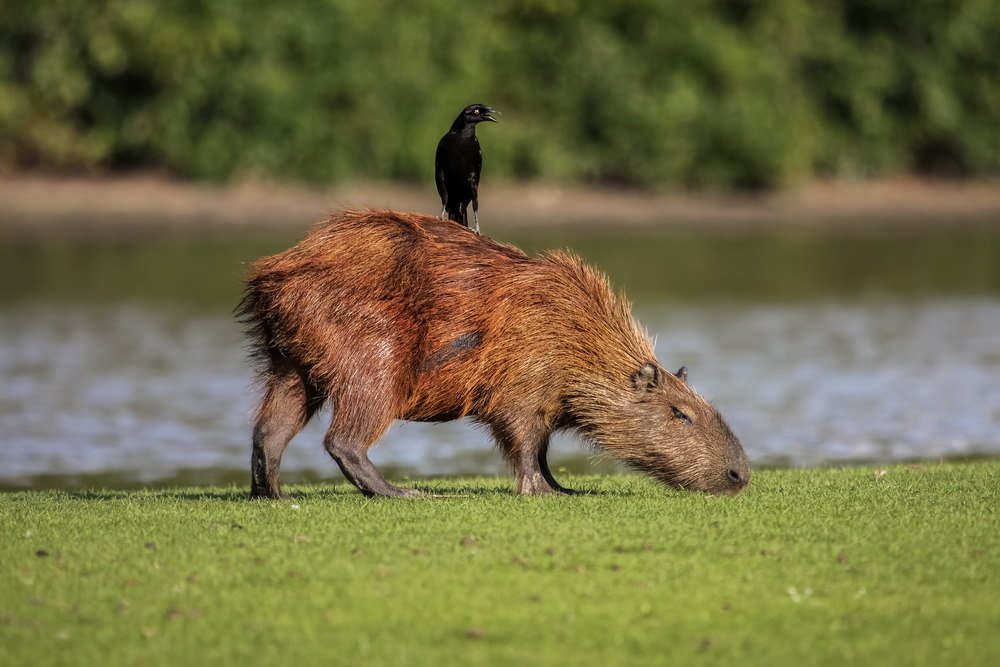
Brazil stands as the undisputed champion of global biodiversity. Anchored by the mighty Amazon Basin, the vast flooded savannas of the Pantanal, and the Atlantic Forest, it harbors the largest collection of plant and animal species on Earth.
Scientists estimate Brazil contains over 55,000 plant species, 3,000 freshwater fish species, and more than 1,000 mammal and bird species. From elusive jaguars and pink river dolphins to poison dart frogs, its preservation is vital for the global biosphere.