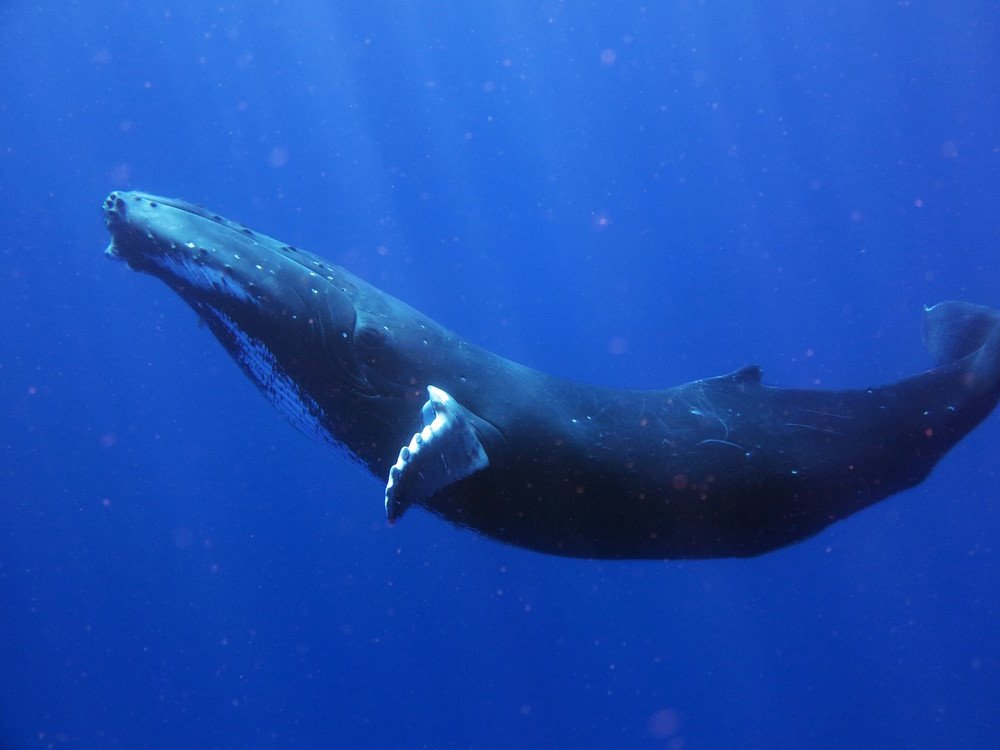
If you rank sea animals purely by weight, the result is a little monotonous: apart from the whale shark, the top ten would consist almost entirely of whales. Giants such as the bowhead whale, the humpback and the right whales, with tens of tons of muscle and blubber, would push every other sea creature off the list.
To keep this from being a whales-only party, we bend the rules a little. The largest whale keeps the number one spot, but after that we look at the record holders of the other animal groups beneath the waves. These are the ten largest sea animals.
1. Blue whale (the largest of all)
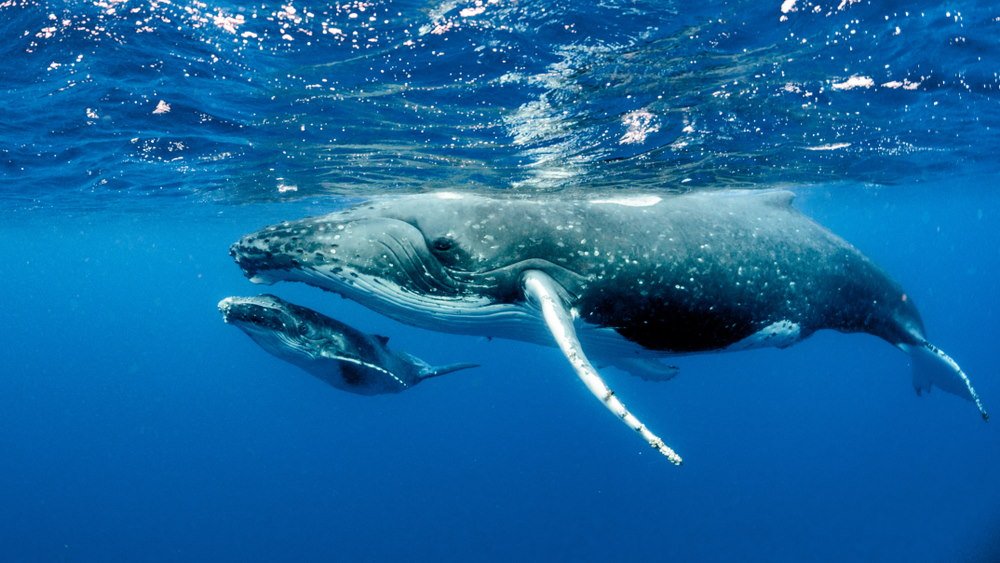
The blue whale is not only the largest whale, but the largest animal that has ever lived on Earth, as far as we know. It can grow to around 30 meters long and weigh up to about 190 tons, dwarfing even the biggest dinosaurs. Its tongue can weigh as much as an elephant, and its heart is about the size of a small car.
Remarkably, this giant feeds almost entirely on krill, tiny shrimp-like animals, which it filters from the water by the ton. An adult can eat several tons of krill a day.
2. Whale shark (the largest fish)
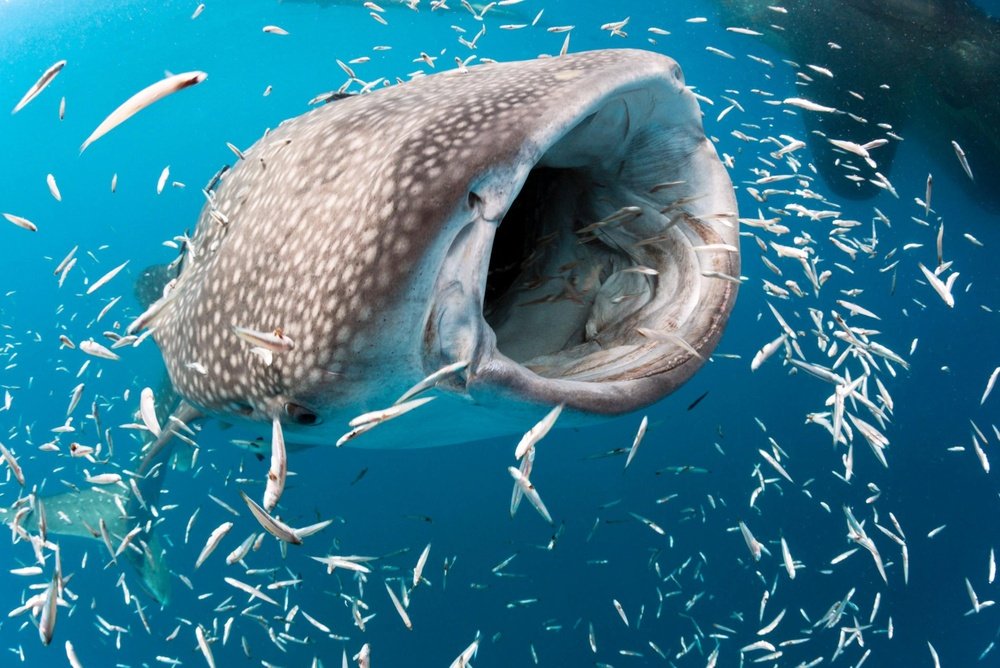
The whale shark may have “whale” in its name, but it is a shark, and the largest fish in the world. The largest reliably measured whale sharks were around 18 meters long, bigger than most city buses.
Unlike its fearsome relatives, the whale shark has no interest in large prey. With a mouth up to 1.5 meters wide, it filters plankton, fish eggs and small fish from the water. It is completely harmless to humans, and divers can swim alongside it.
3. Giant squid (the longest invertebrate)
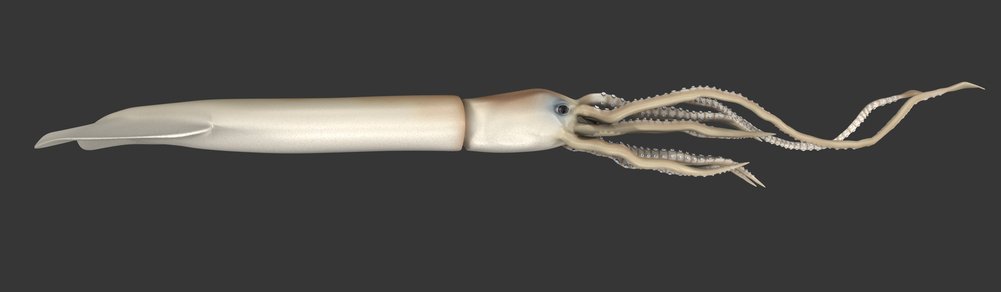
The giant squid is living proof that the legends of the kraken had a kernel of truth. Including its two extremely long feeding tentacles, it can reach a length of around 12 to 13 meters. Its eyes are among the largest in the animal kingdom, about the size of a dinner plate, to catch the little light that reaches the deep sea. It was only photographed alive in its natural habitat for the first time in 2004, and filmed in 2012.
4. Basking shark

At up to around 10 to 12 meters long, the basking shark is the second largest fish in the world. Like the whale shark, it is a peaceful filter feeder. It is often seen in temperate waters, including off the coasts of Britain and Ireland, swimming slowly near the surface with its enormous mouth wide open to sieve plankton from the water.
5. Colossal squid (the heaviest invertebrate)
The colossal squid is a little shorter than the giant squid, but much heavier and more muscular. With a weight of up to around 500 kilograms, it is the heaviest invertebrate on Earth. It lives in the icy depths of the Southern Ocean around Antarctica and has sharp, swiveling hooks on its arms and tentacles to grip its prey. It also has the largest eyes of any known animal. In 2025, a young colossal squid was filmed alive in its natural habitat for the first time.
6. Lion’s mane jellyfish (the largest jellyfish)
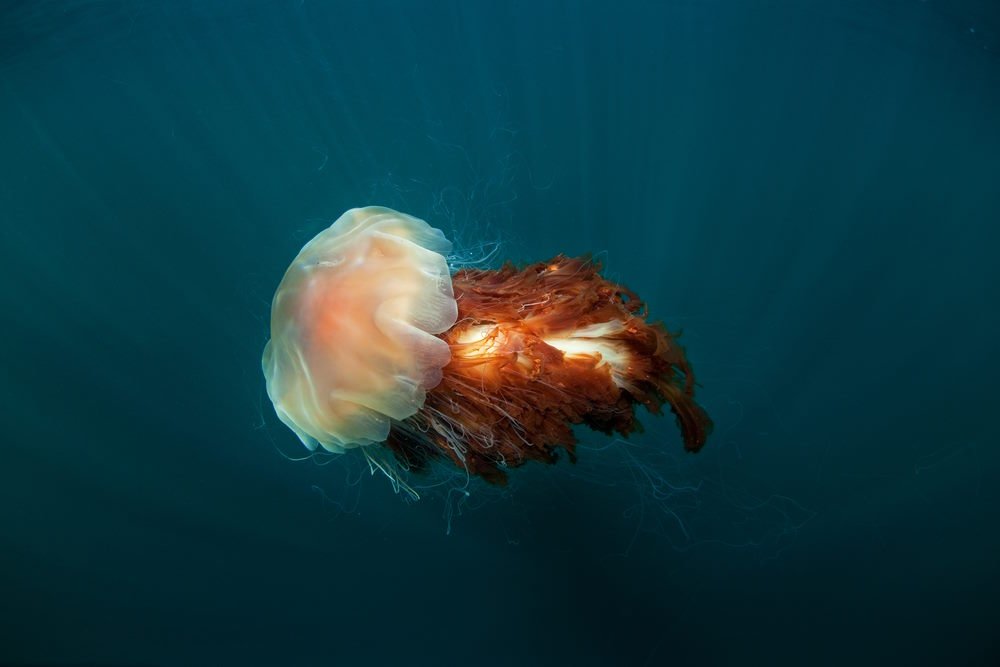
If you measure from the top of the bell to the tip of the longest tentacle, the lion’s mane jellyfish can even beat the blue whale. Its bell can grow to more than two meters across, and its thin, stinging tentacles can reach a length of more than 30 meters. The record specimen, which washed up in Massachusetts in 1870, was said to have tentacles of over 36 meters. This deadly net drifts through cold northern waters in search of fish and other jellyfish.
7. Giant manta ray (the largest ray)
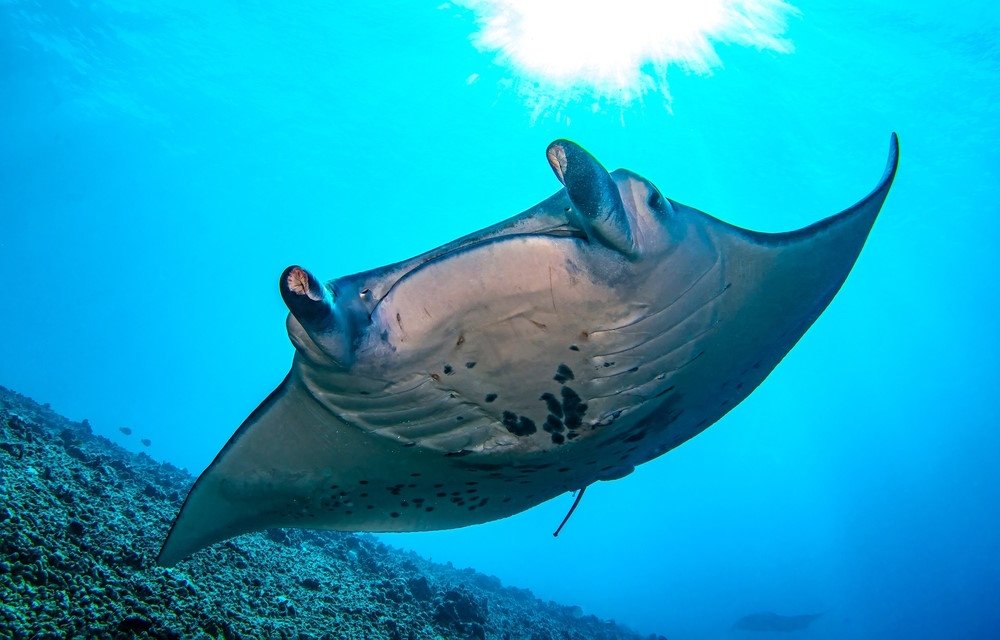
With a wingspan of up to around seven meters, the giant manta ray glides through the open ocean like a stealth bomber. Despite its impressive size, it is completely harmless. It feeds on plankton and sometimes performs graceful somersaults while feeding. Mantas also have the largest brain relative to body size of any fish, and some studies suggest they may recognize themselves in a mirror.
8. Southern elephant seal (the largest seal)
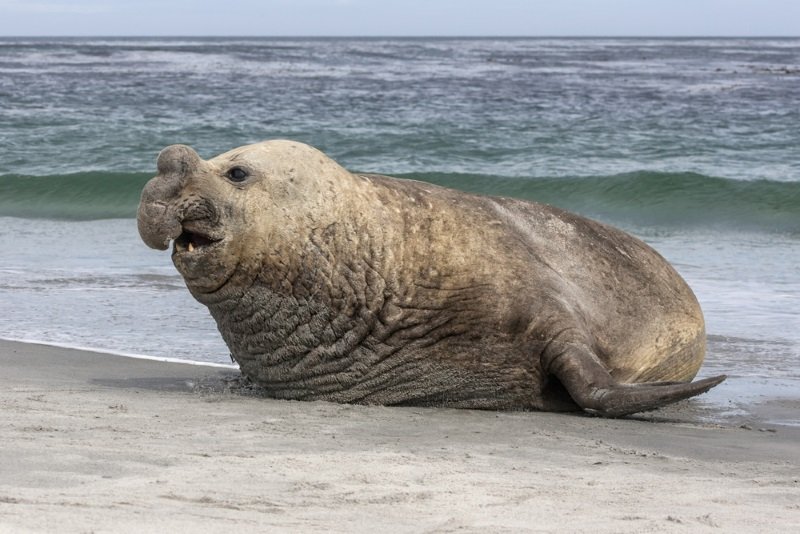
The southern elephant seal is the largest seal in the world. The difference between the sexes is enormous: while females stay relatively small, adult males can weigh up to around four tons and reach a length of five to six meters. They owe their name to the fleshy nose that males inflate to roar at rivals during the breeding season on sub-Antarctic beaches. They are also extraordinary divers, reaching depths of more than 2,000 meters.
9. Leatherback sea turtle (the largest sea reptile)
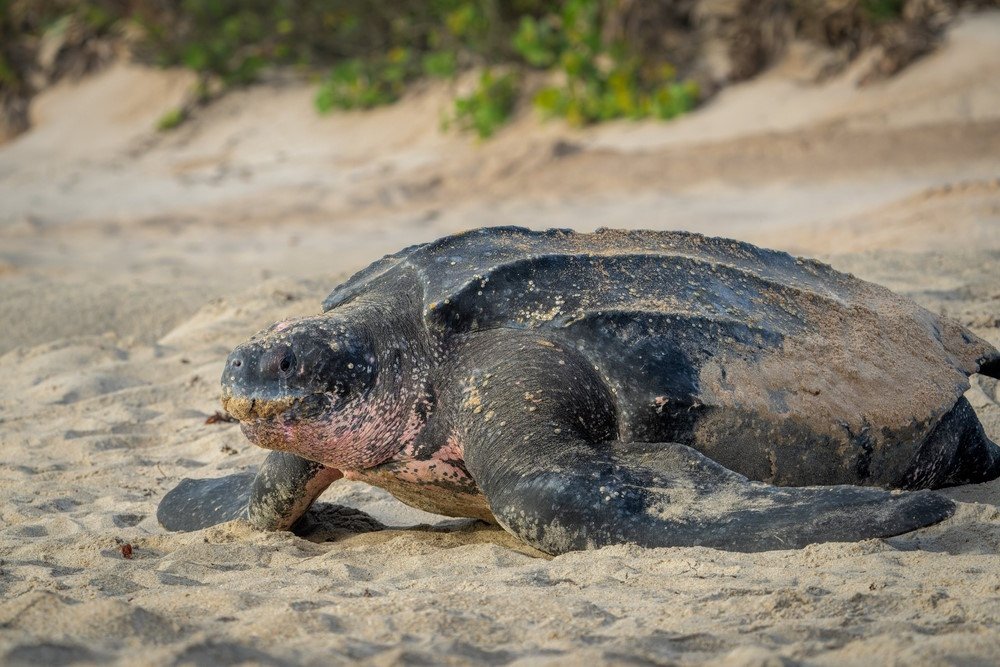
With a weight that can exceed 900 kilograms and a length of more than two meters, the leatherback is the largest turtle in the world. Unlike other sea turtles, it does not have a hard shell, but a flexible, leathery skin over a layer of bones. That allows it to dive to depths of more than a kilometer in search of jellyfish, its main food. It also travels further than almost any other reptile, crossing entire oceans.
10. Giant oarfish (the longest bony fish)

This ribbon-shaped fish is the longest bony fish in the world, with reliably measured specimens of around eight meters and claims of up to 11 meters, while its body stays thin and flattened. Because it lives in deep water, it is rarely seen alive. When it does appear at the surface, it is usually sick or dying, which has inspired many sailors’ tales of sea serpents over the centuries.