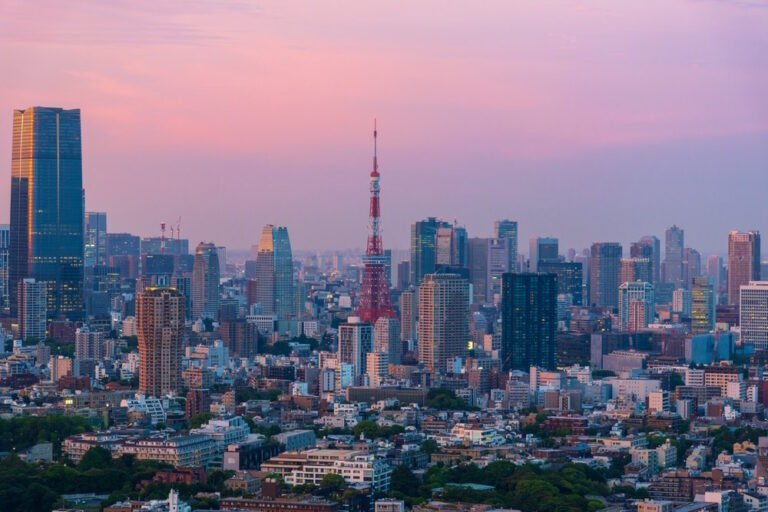
Sweden stands as the largest and most populous Scandinavian nation, balancing expansive boreal forests, rolling southern plains, and thousands of coastal islands with modern urban centers. Across ten centuries of statehood, the nation evolved from a regional medieval Baltic empire into a powerhouse of industrial innovation, progressive social design, and technological enterprise. According to municipal demographic tallies maintained by Statistics Sweden, the national population remains largely clustered in the southern third of the country where climate conditions and continental transportation links are most favorable.
Swedish municipalities are renowned for their focus on sustainability, public transit integration, and clean urban spaces. While Stockholm, Gothenburg, and Malmö command international attention as economic and cultural hubs, secondary regional cities preserve medieval castles, prestigious academic campuses, and industrial districts that fueled Sweden’s export economy. Examining the ten largest cities provides insight into how regional traditions and cutting-edge design shape modern life in northern Europe.
10. Norrköping (approx. 145,000 residents)
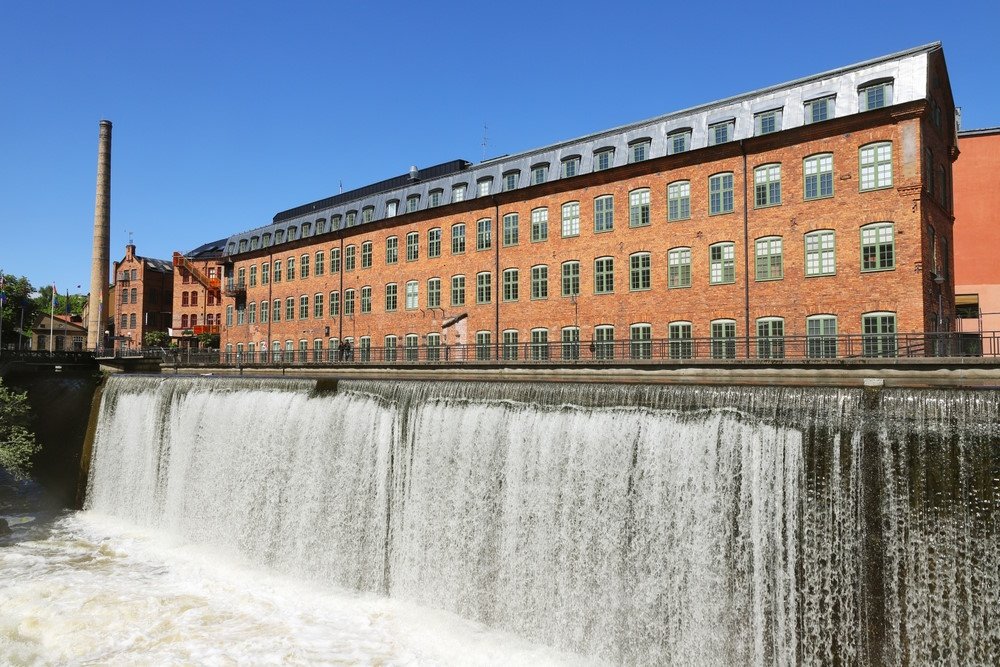
Situated in the eastern province of Ostergotland along the rushing waters of Motala strom, Norrköping earned the historical moniker of Sweden’s Manchester. In the nineteenth century, the city grew into the nation’s premier textile manufacturing center, powered by waterfalls coursing directly through the city core. Today, that industrial landscape has been preserved and transformed into an architectural showpiece, with former spinning mills and dye works now housing Linköping University campus facilities, design agencies, and the Museum of Work.
Norrköping is also famous for maintaining one of Sweden’s few surviving historic electric tramway systems, whose yellow railcars glide through leafy avenues and alongside restored brick facades. In summer, the town serves as the primary gateway to the Kolmarden Wildlife Park, one of the largest animal sanctuaries in Scandinavia.
9. Jönköping (approx. 145,000 residents)
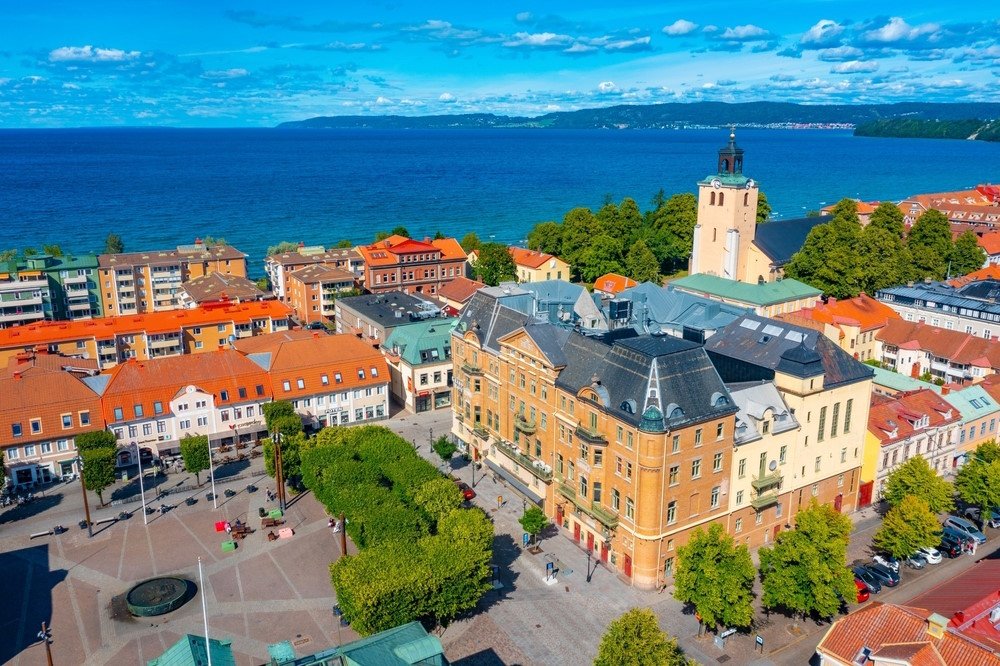
Positioned on the scenic southern tip of Lake Vattern, Sweden’s second-largest inland body of water, Jönköping enjoys a picturesque waterside setting framed by dramatic forested hills. The city holds a unique place in global industrial history as the birthplace of the safety match, invented by the Lundstrom brothers in the 1840s. The historic factory complex on the lakeshore now houses the world’s only Match Museum, chronicling how this modest local invention grew into an international trade empire under industrialist Ivar Kreuger.
Today, Jönköping thrives as a major logistics hub for Scandinavia, leveraging its central geographic position between Stockholm, Gothenburg, and Malmö. The Jönköping International Business School draws thousands of students, creating an energetic student community centered around lakeside cafes and docks.
8. Helsingborg (approx. 150,000 residents)
Perched on the narrowest point of the Oresund strait just four kilometers across the water from Denmark, Helsingborg has served as a strategic maritime bastion for over nine centuries. The iconic medieval tower keep of Karnan, the sole surviving fortification of a grand Danish royal castle, rises above the harbor and offers clear views across to the Danish coast at Helsingor. High-speed ferries depart continuously throughout the day, providing an essential maritime bridge between Sweden and continental Europe.
The city’s modern waterfront district, Oceanhamnen, has garnered international praise for sustainable urban architecture, featuring vacuum waste systems, greywater treatment, and climate-neutral residential blocks. Pedestrian promenades line the seaside marinas, where locals gather during warm summer evenings to dine in harborfront bistros.
7. Linköping (approx. 165,000 residents)
Located on the fertile plains of Ostergotland, Linköping is recognized across Scandinavia as a premier center for high technology, aerospace engineering, and academic research. The city serves as the primary manufacturing base for defense giant Saab, where the Gripen supersonic fighter aircraft was designed and constructed. Linköping University acts as a catalyst for innovation, fostering technology incubators and research laboratories within the sprawling Mjardevi Science Park.
Despite its modern high-tech status, Linköping preserves deep historic roots. The magnificent Linköping Cathedral dates back to the twelfth century and features a soaring spire visible across the plains, while the open-air museum of Gamla Linköping preserves dozens of historic wooden homes and cobbled lanes depicting Swedish town life a century ago.
6. Örebro (approx. 158,000 residents)
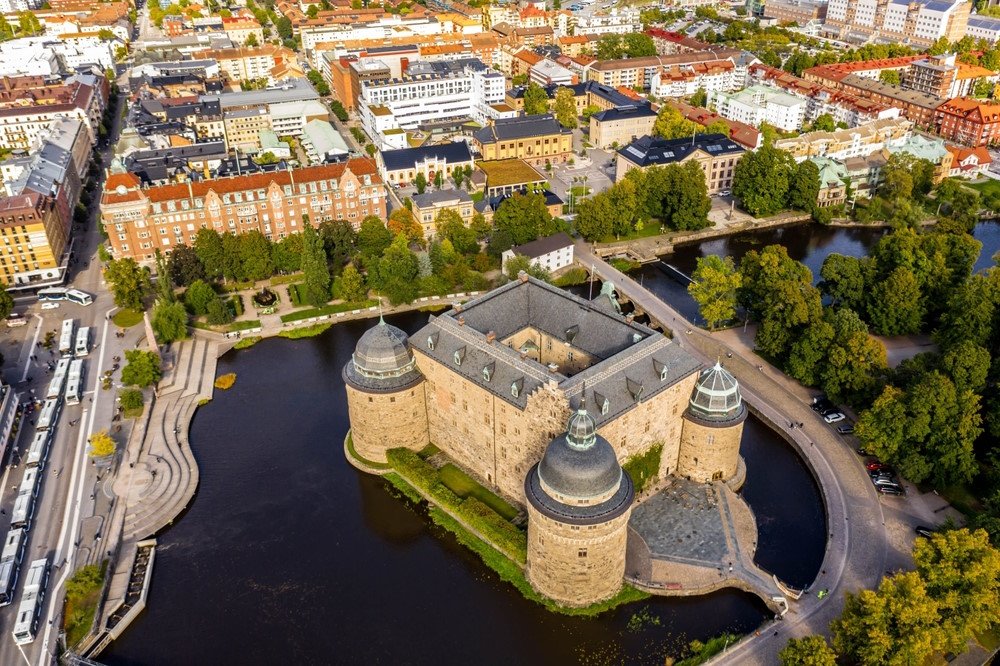
Straddling the Svartan river near the eastern shore of Lake Hjalmaren, Örebro possesses one of Scandinavia’s most postcard-perfect medieval castles. Örebro Castle, complete with four rounded stone towers and a wide defensive moat, occupies an island in the river right in the center of the town, having hosted royal councils and parliamentary sessions since the fourteenth century. The open-air museum quarter of Wadkoping lines the riverbanks nearby, filled with red-painted timber houses, craft workshops, and tranquil gardens.
In modern times, Örebro has built an international reputation in healthcare and logistics. The town is home to Örebro University and the distinctive mushroom-shaped water tower Svampen, which offers an observation deck looking out across the surrounding central plains.
5. Västerås (approx. 158,000 residents)
Resting on the northern shore of Lake Malaren roughly one hundred kilometers west of Stockholm, Västerås is recognized as one of Sweden’s oldest cities and an industrial pioneer. Founded in the late tenth century, it became the cradle of Swedish electrical engineering when the multinational firm ASEA (later ABB) established its core manufacturing plants here in the late nineteenth century. Large multinational engineering conglomerates continue to employ thousands of researchers, roboticists, and technicians across the city.
Västerås features a beautifully preserved historic cathedral containing the tomb of King Eric XIV, as well as the Anundshog ancient burial mound, Sweden’s largest prehistoric burial site. Along the shoreline, modern lakeside developments have turned the harbor into a popular recreation zone with marinas, floating restaurants, and water-ski facilities.
4. Uppsala (approx. 240,000 residents)
Situated seventy kilometers north of Stockholm along the Fyris river, Uppsala stands as Sweden’s historical academic and spiritual heart. Uppsala University, founded in 1477, is the oldest functioning university in Scandinavia, having educated luminary scientists like Carl Linnaeus and Anders Celsius. Uppsala Cathedral, the largest and tallest church building in the Nordic countries, dominates the skyline with twin gothic spires reaching one hundred and nineteen meters above the city.
The city maintains an energetic, bike-friendly atmosphere driven by more than forty thousand university students who participate in historic student nations, traditional choir performances, and annual Valborg celebrations. Today, Uppsala is also a powerhouse of modern biotechnology and pharmaceutical research.
3. Malmö (approx. 360,000 residents)
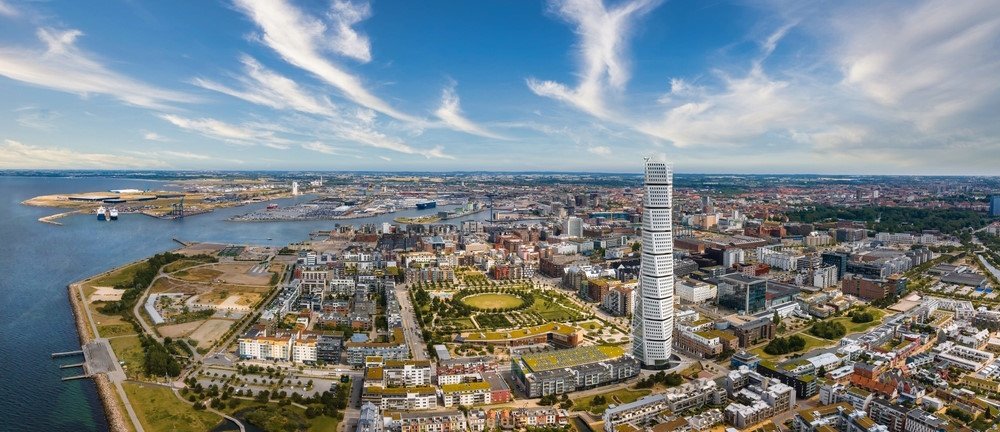
Perched on the southwestern tip of Sweden, Malmö has transformed itself over the last three decades from a declining industrial shipbuilding hub into a dynamic, multicultural model of ecological urbanism. The opening of the iconic Oresund Bridge in 2000 connected the city directly to Copenhagen by rail and motorway, anchoring Malmö within a dynamic transnational metropolitan region. The Western Harbour district, once dominated by the Kockums shipyard crane, now showcases the futuristic Turning Torso skyscraper designed by Santiago Calatrava.
Malmö boasts residents from over one hundred and seventy nations, creating a diverse culinary and cultural scene centered around the bustling square of Mollevangstorget. Expansive parks like Slottsparken and wide public beaches at Ribersborg give citizens outdoor recreational spaces just minutes from downtown.
2. Gothenburg (approx. 600,000 residents)
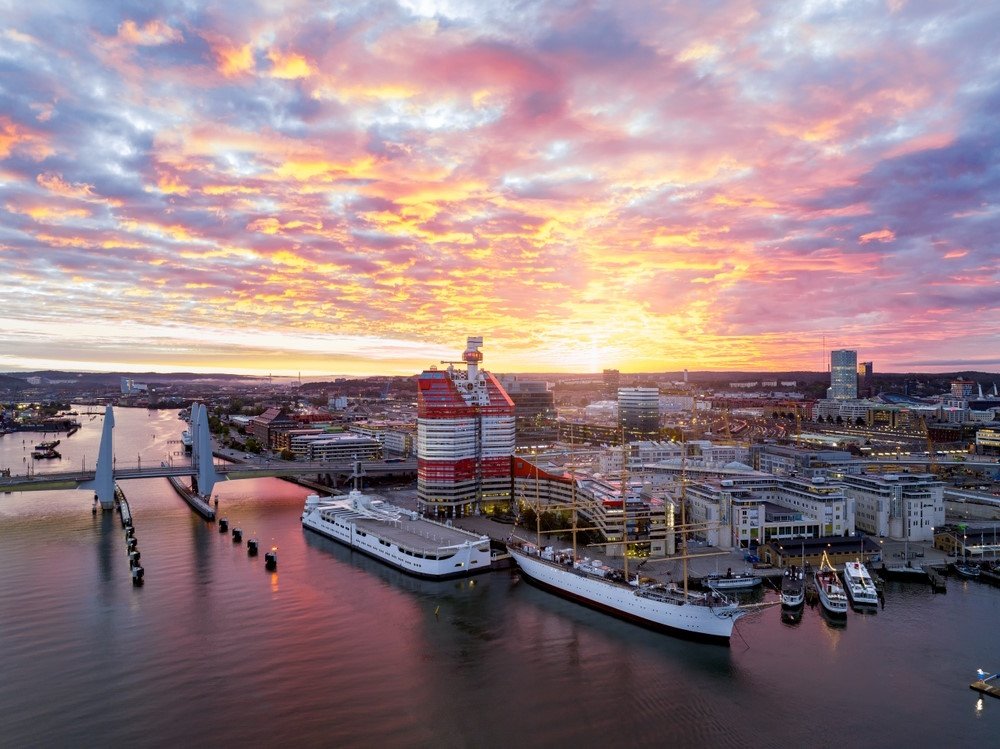
Located on the scenic western coast where the Gota alv river empties into the Kattegat, Gothenburg (Göteborg) is the industrial and maritime capital of western Sweden. Founded in 1621 by King Gustavus Adolphus with the help of Dutch engineers, the city retains historic inner city canals, leafy boulevards, and the charming wooden quarter of Haga. The Port of Gothenburg stands as the largest commercial seaport in Scandinavia, operating year-round without ice restrictions.
The city is the spiritual home of automotive giant Volvo, which maintains design studios, manufacturing plants, and a dedicated brand museum here. Gothenburg also delights visitors with Liseberg, the largest amusement park in Northern Europe, and world-class seafood restaurants supplied by daily fish auctions at the historic Feskekorka market hall.
1. Stockholm (approx. 990,000 residents)
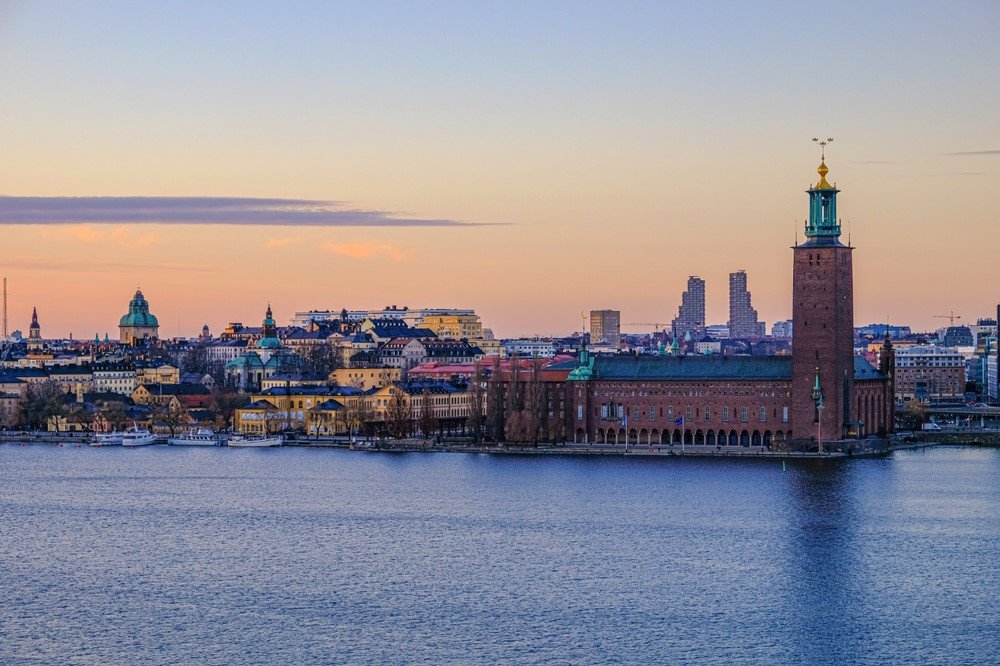
Spread across fourteen granite islands connected by fifty-seven bridges where Lake Malaren meets the Baltic Sea, Stockholm is celebrated as one of the most beautiful capital cities in the world. Often described as the Venice of the North, the city encompasses pristine waterways, centuries-old royal palaces, and extensive natural parklands. The historic heart of Gamla Stan features narrow cobblestone alleys lined with golden seventeenth-century merchant houses surrounding the grand Royal Palace.
Stockholm is a global titan in technology and creative industries, having produced international success stories such as Spotify, Klarna, and King, earning a reputation as Europe’s unicorn factory. With world-renowned institutions like the Nobel Prize committees, the Vasa Museum, and an impeccably clean public transit network, the Swedish capital represents an extraordinary balance of heritage, economic vitality, and progressive social wellbeing.
Conclusion
Sweden’s urban landscape reflects a seamless blend of historical heritage and forward-thinking sustainability. From the tech startups of Stockholm and the maritime docks of Gothenburg to the university halls of Uppsala and Lund, the nation’s largest cities illustrate how Nordic communities achieve economic prosperity while safeguarding environmental quality and civic life.