While tropical paradises draw sunseekers, the opposite end of our planetary spectrum features places so frigid that human lungs can freeze upon inhaling unprotected air. These extreme regions push the physical limits of survival and equipment resilience.
Meteorological records verified by the World Meteorological Organization distinguish between ground-level thermometer stations and advanced satellite radiometric readings. According to research published by NASA Earth Observatory, polar plateaus generate micro-pockets of air that plunge far below standard ground station readings. From remote Siberian settlements to barren polar summits, these are the ten coldest documented locations on Earth.
10. Snag, Yukon, Canada (-63.0°C / -81.4°F)
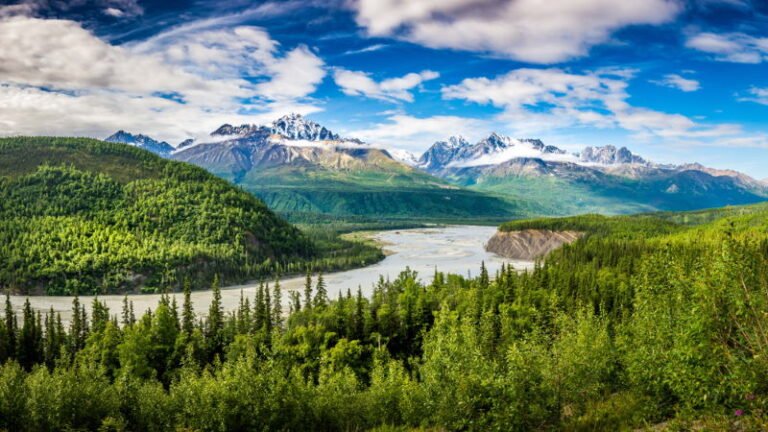
Snag is a small, quiet outpost in Yukon that etched its name into meteorological textbooks on February 3, 1947. During an extraordinary Arctic cold snap, weather station thermometers plummeted to an astonishing -63.0°C, marking the lowest temperature ever officially confirmed on the North American mainland.
The air was so calm and dense that sound carried across immense distances, with observers reporting that they could hear the faint hissing sound of their own breath freezing in midair.
9. North Ice, Greenland (-66.1°C / -87.0°F)
North Ice operated as a British research station perched high on the Greenland Ice Sheet during the British North Greenland Expedition. In January 1954, researchers logged a bone-chilling record of -66.1°C.
Reachable only through high-risk airlift operations, the station demonstrated that interior Greenland forms an autonomous polar refrigerator capable of matching the harshest corners of northern Siberia.
8. Klinck Research Station, Greenland (-69.6°C / -93.3°F)
Deep within the Arctic Circle, the automated Klinck weather station sits at an elevation of 3,105 meters on the crest of the Greenland Ice Sheet. In December 1991, its sensors recorded a temperature of -69.6°C.
The measurement underwent thorough retrospective validation by climate historians before receiving formal WMO certification decades later, confirming Klinck as the official northern hemisphere low for ground-based automated stations.
7. Verkhoyansk, Russia (-69.8°C / -93.6°F)
Verkhoyansk in the Sakha Republic ranks among the coldest continuously inhabited towns on our planet. Around 1,400 resilient residents navigate winters where -45°C is considered an ordinary Tuesday.
In February 1892, official instruments confirmed -69.8°C. What makes Verkhoyansk globally extraordinary is its annual thermal swing: during brief subarctic summers, temperatures occasionally surge past 38°C, generating a world-record annual temperature range exceeding 105 degrees Celsius.
6. Oymyakon, Russia (-71.2°C / -96.2°F)
Located in an alpine valley that traps sinking pools of dense freezing air, Oymyakon is legendary as the primary Pole of Cold for settled human communities. An unverified 1924 measurement placed the temperature at -71.2°C, while an official 1933 record verified -67.7°C.
Life in Oymyakon requires constant vigilance. Car engines run continuously to avoid block freezing, ink solidifies inside ballpoint pens, and local elementary schools remain open until readings cross below -52°C.
5. Denali, Alaska, United States (-73.8°C / -100.8°F)
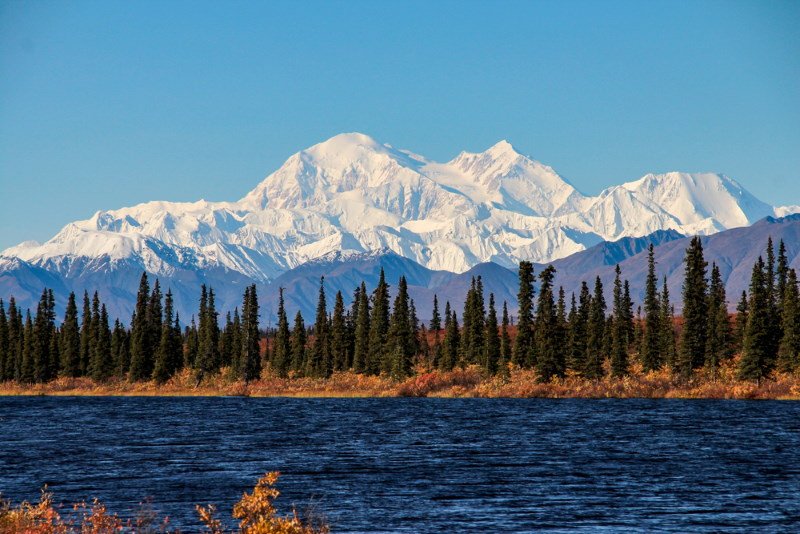
As the highest peak in North America, Denali rises 6,190 meters above sea level into the fierce polar jet stream. An automated weather station situated near 5,800 meters recorded an extreme ambient temperature of -73.8°C during a ferocious winter storm.
When combined with sustained hurricane-force winds, the apparent windchill plunges well below -85°C. Climbers attempting early-season ascents face frostbite risks within mere seconds of skin exposure.
4. Dome A, Antarctic Plateau (-82.5°C / -116.5°F)
Rising to 4,093 meters near the central dome of the East Antarctic Ice Sheet, Dome Argus (Dome A) represents the highest ice feature on the frozen continent. Automated weather monitors registered an ambient temperature of -82.5°C in July 2005.
The air here is among the driest and calmest on the globe. Because atmospheric turbulence is virtually nonexistent, international astronomers now operate high-altitude automated observatories here to peer deep into outer space.
3. Amundsen-Scott South Pole Station (-82.8°C / -117.0°F)
Resting directly atop the geographic South Pole at an elevation of 2,835 meters, the Amundsen-Scott station houses researchers who endure months of total polar darkness. In June 1982, ground instruments logged -82.8°C.
Winter-over staff participate in the playful yet intense 300 Club tradition: sprinting outdoors in boots and shorts after spending time in a 93°C sauna to experience a 160-degree temperature transition across mere paces.
2. Vostok Research Station, Antarctica (-89.2°C / -128.6°F)
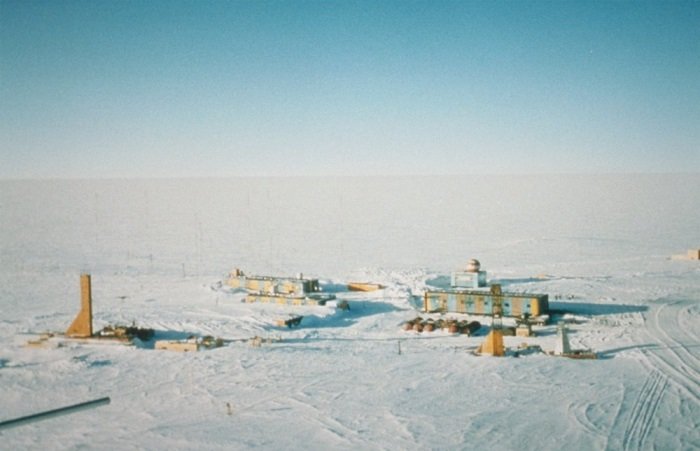
Vostok holds the undisputed benchmark for the lowest ambient air temperature directly recorded by a ground thermometer station. On July 21, 1983, Soviet meteorologists recorded -89.2°C in the dead of the polar winter.
Perched above the subglacial Lake Vostok under nearly four kilometers of solid ice, station personnel endure conditions where conventional aviation fuels gel into paste, synthetic rubber shatters like glass, and metal equipment becomes perilously brittle.
1. Eastern Antarctic Plateau (-98.0°C / -144.4°F)
The coldest spot on planet Earth belongs to shallow topographical hollows scattered across the high ridge between Dome Argus and Dome Fuji. Using high-resolution thermal infrared sensors aboard satellites like Landsat 8, researchers identified pockets where snow surface temperatures plunged to -98.0°C in July 2004 and August 2010.
These ultra-low readings occur during prolonged winter nights when clear skies, completely motionless air, and extreme dryness allow heat to radiate directly into deep space. Stepping into such temperatures without specialized thermal life support would cause fatal respiratory damage within moments.