Most people buy their meat at the supermarket, but food lovers pay fortunes for rare breeds, strict breeding programs and unique aging methods. From pampered Japanese cattle and acorn-fed pigs to a patented deep-freezing technique, prices for exclusive meat can reach thousands of dollars per steak.
These are the ten most expensive meats in the world. Prices vary widely by cut, restaurant and country, so treat them as a rough guide.
1. Polmard vintage côte de boeuf (France): up to about 3,000 euros per steak
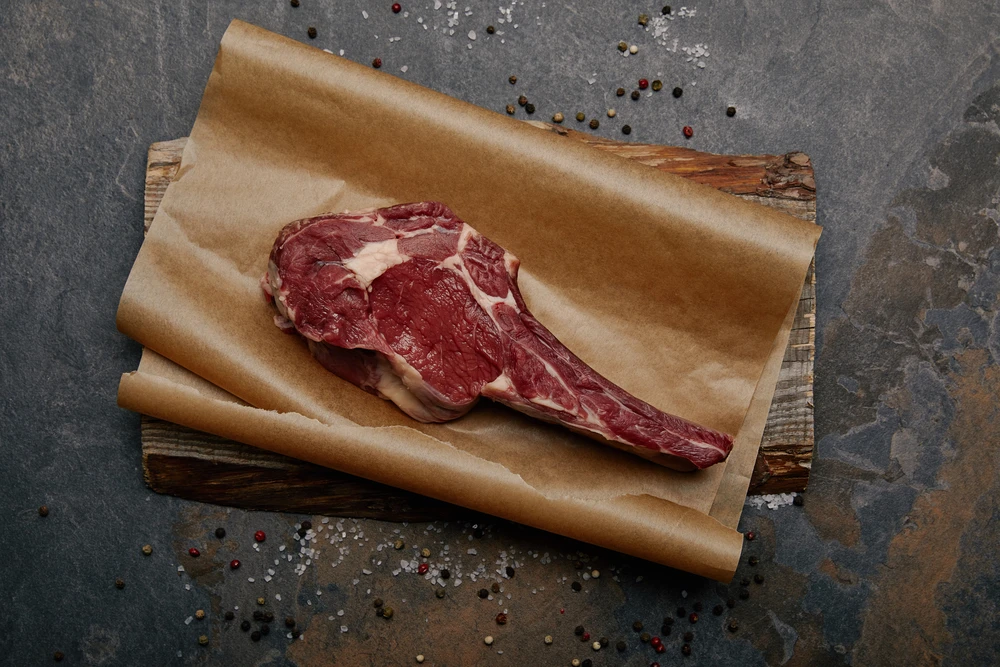
The world’s most expensive steak comes from the French butcher family Polmard. They raise Blonde d’Aquitaine cattle in northeastern France in very calm conditions, believing that less stress means better meat.
After slaughter, the meat goes through a patented process they call “hibernation”: very cold air at around minus 43 degrees Celsius is blown over it at high speed. According to the Polmards, this lets the meat age for years, even decades, without losing quality. A vintage rib steak from a carcass stored for a decade or more has reportedly sold for around 3,000 euros, more than 3,000 dollars.
2. Matsusaka beef (Japan): around 800 euros per kilo
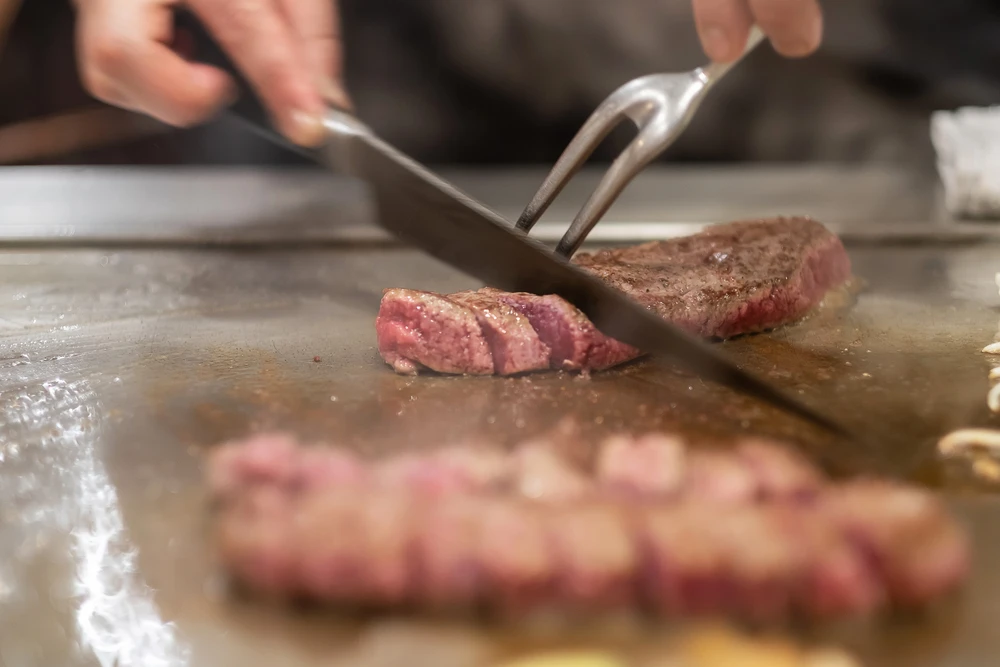
Among Japanese food lovers, Matsusaka beef from Mie Prefecture is often rated even higher than Kobe. Only female cattle that have never calved are used, and they are raised for around three years.
The stories about the cows are almost as famous as the meat: some farmers are said to give them beer to boost their appetite in hot summers and to massage them by hand. Whether that makes any real difference is debated, but the beef’s extreme marbling and melt-in-the-mouth texture are not.
3. Kobe beef (Japan): around 600 euros per kilo
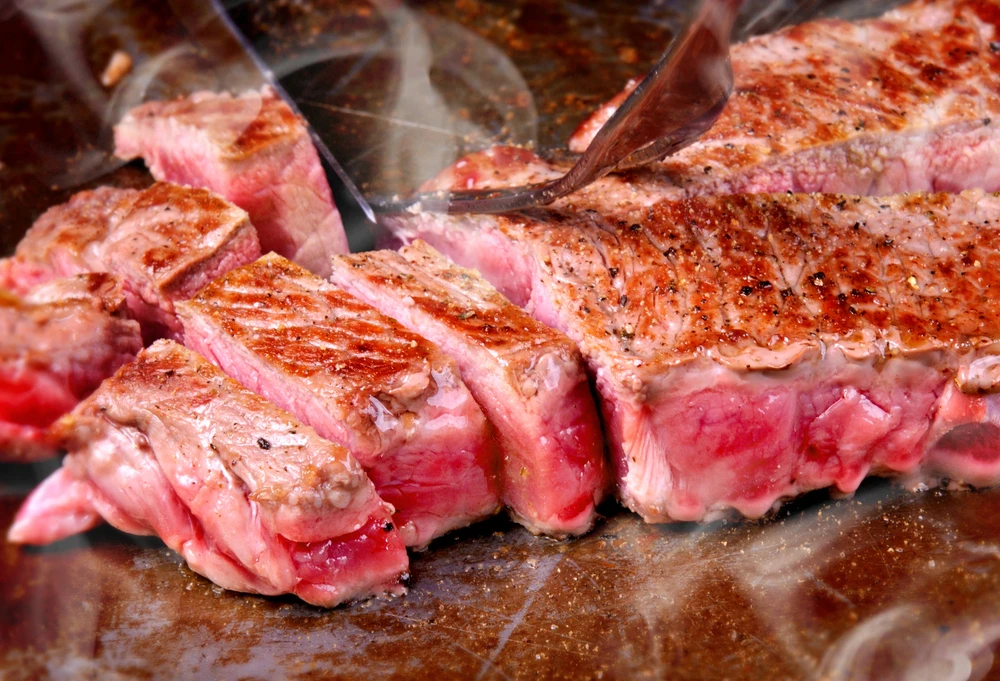
Kobe is a protected name that may only be used for beef from Tajima cattle that were born, raised and slaughtered in Hyogo Prefecture. The meat must also meet strict standards for marbling and carcass weight.
The stories that all Kobe cattle drink beer and listen to classical music are mostly myths, but the farmers’ dedication is real. The fine white fat melts at a low temperature, which gives the meat its famous buttery texture. Be careful outside Japan: a lot of “Kobe beef” on restaurant menus is not the real thing.
4. Olive Wagyu (Japan): around 450 euros per kilo
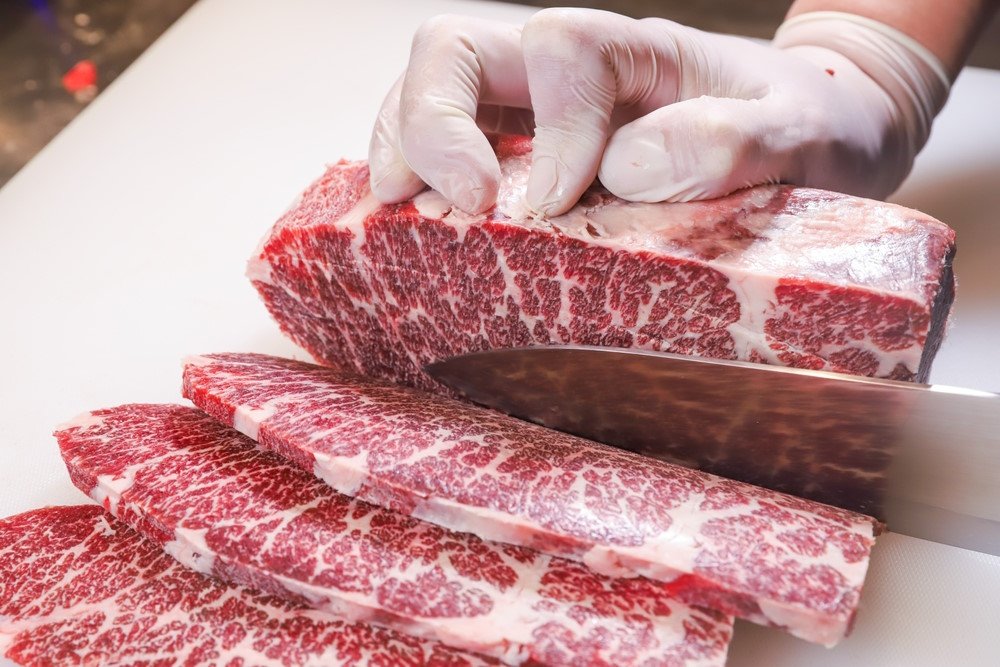
On the small Japanese island of Shodoshima, farmer Masaki Ishii came up with a unique idea: he toasted the leftover pulp from local olive oil production to remove its bitterness and mixed it into his cattle feed. The meat is said to be extra rich in oleic acid, the healthy fat found in olive oil. With only a few thousand animals, Olive Wagyu is one of the rarest steaks in the world.
5. Jamón Ibérico de Bellota (Spain): around 250 euros per kilo
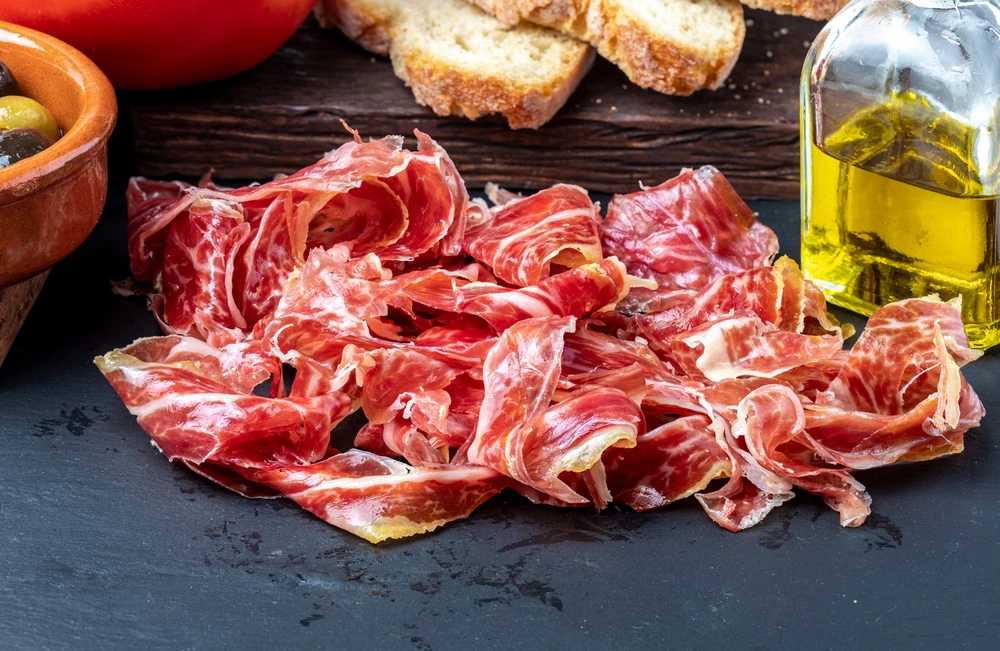
The finest cured ham in the world carries a black label, meaning it comes from 100 percent purebred Iberian pigs. These pigs roam free in the oak forests of southwestern Spain, called dehesas, and in their final months eat almost nothing but acorns, or bellotas.
The acorns give the fat a soft texture that literally melts on your tongue. A whole leg, aged for three to four years, can easily sell for well over 1,000 euros, and the very best for several times that.
6. Ayam Cemani chicken (Indonesia): up to hundreds of dollars per bird
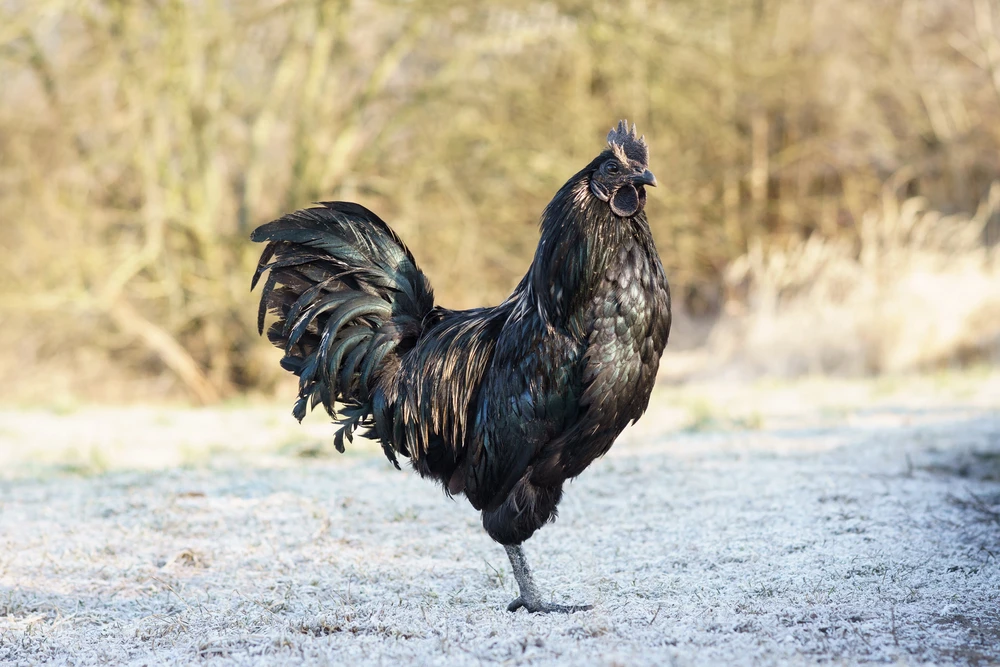
The Ayam Cemani from Java is black through and through, thanks to a rare genetic trait called fibromelanosis. Not just its feathers, beak and comb, but even its tongue, muscles, bones and organs are black.
On Java, the bird was traditionally used in rituals because of supposed magical powers. Because of its rarity and export restrictions, collectors outside Indonesia have paid hundreds and sometimes thousands of dollars for a single bird. It is prized far more as a show bird than as food.
7. Rubia Gallega (Spain): around 140 euros per kilo
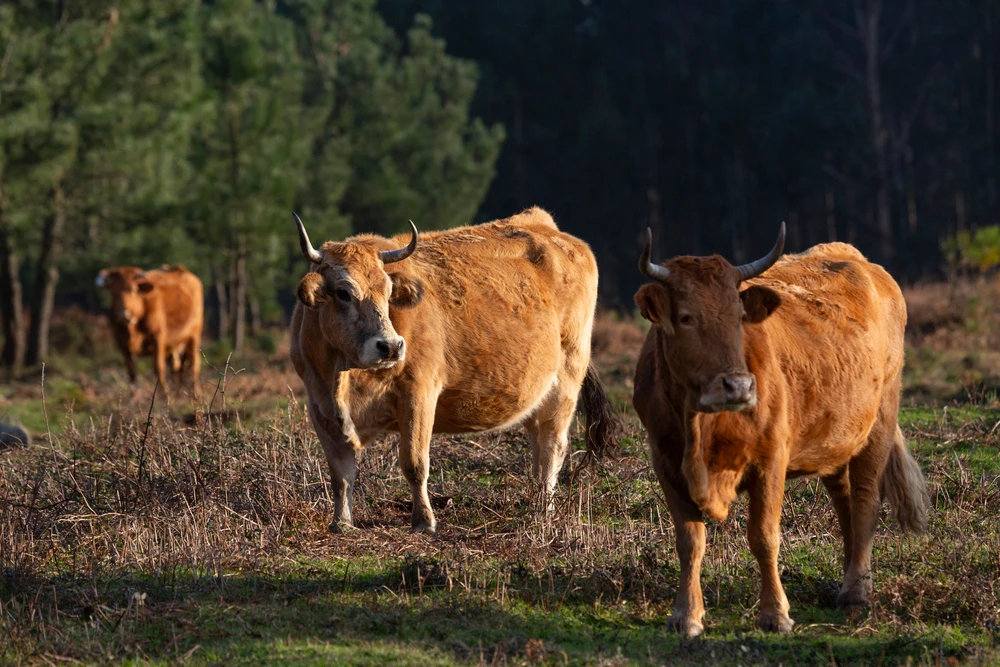
Most cattle are slaughtered young, but in northwestern Spain they often do the opposite. The Rubia Gallega, “Galician blonde”, is a working breed, and some of the most prized meat comes from cows that have grazed freely for many years in the green hills of Galicia.
A long diet of grass and wild herbs gives the meat golden-yellow fat and a deep, complex flavor, which is intensified by long dry-aging. Top steakhouses around the world now seek out “old cow” beef from Galicia.
8. Chianina beef (Italy): around 110 euros per kilo
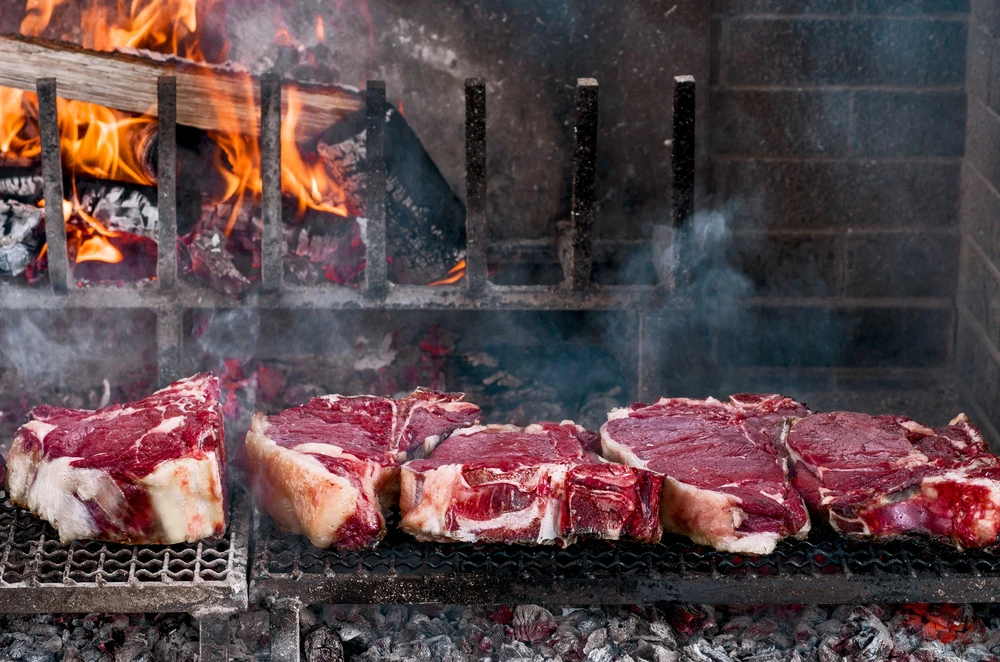
The Chianina from Tuscany is one of the largest and oldest cattle breeds in the world; the Romans already praised these white giants. The meat is lean but has a deep, rich flavor. It is the traditional choice for the real Bistecca alla Fiorentina, a thick T-bone steak of at least a kilo, briefly grilled over charcoal.
9. Kurobuta pork (Japan and UK): around 75 euros per kilo
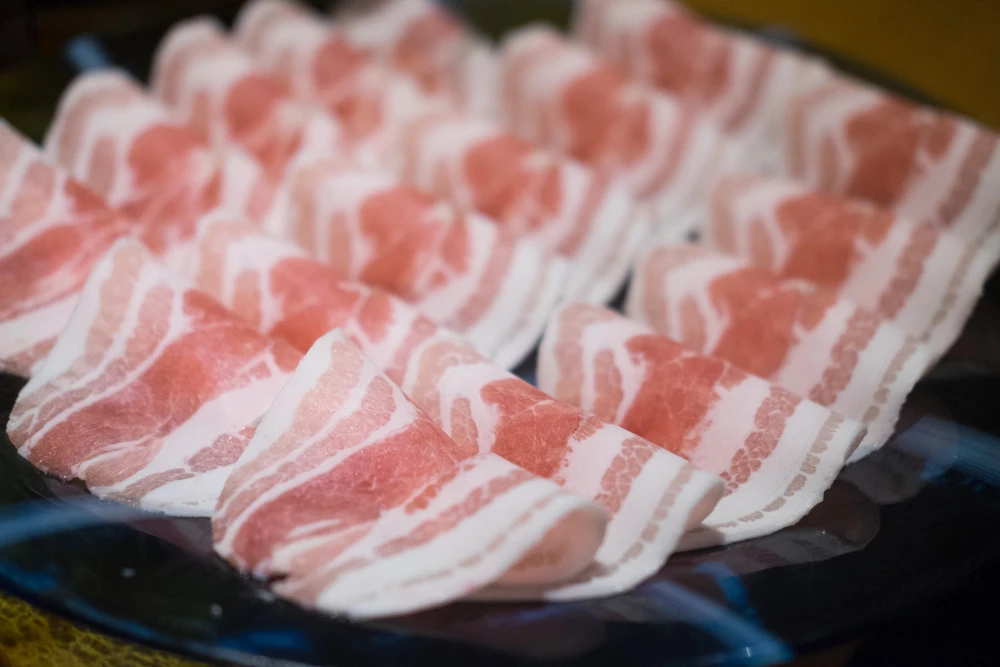
Kurobuta, “black pig” in Japanese, comes from the old English Berkshire breed and is known in Japan as the Wagyu of pork. Unlike regular pork, it is darker and richly marbled with fine fat.
Because that fat melts at a lower temperature, the meat stays very tender during cooking. In Japan, it is especially prized for tonkatsu, the famous breaded pork cutlet.
10. Poulet de Bresse (France): around 45 euros per kilo
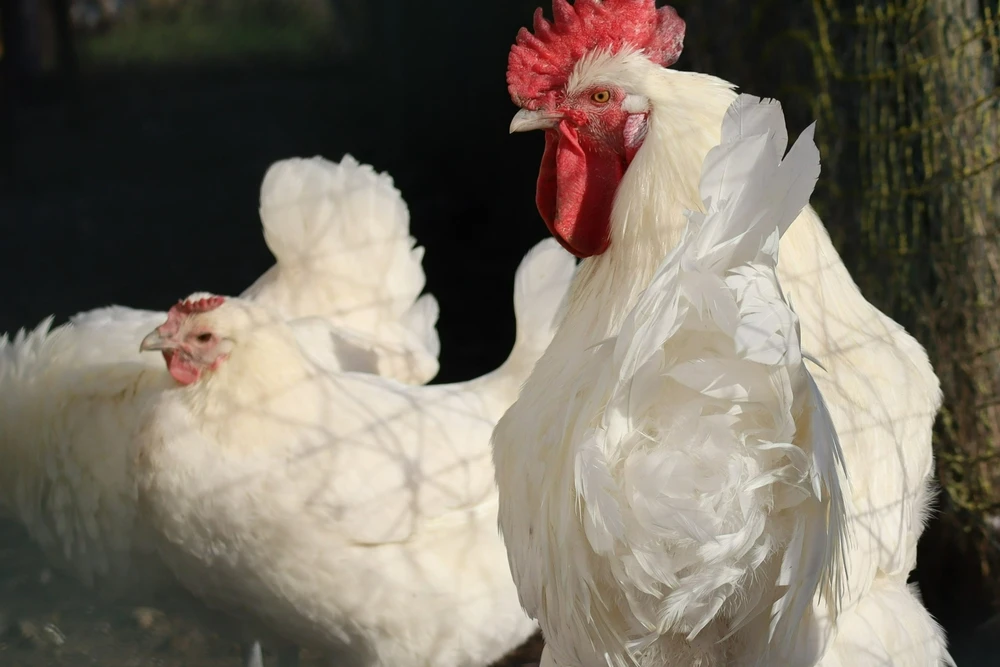
The Bresse chicken from eastern France was the first poultry in the world to receive protected designation of origin status, in 1957. With their red combs, white feathers and blue feet, they are said to wear the colors of the French flag.
They roam freely on grassy pastures for months and are fed grain and milk. The result is juicy, tender meat with a rich flavor that has been a favorite of top French chefs for centuries.