Self-healing is one of the most fascinating abilities some animals have. While humans depend on medical treatment and are left with scars, some animals can regenerate serious wounds or even lost body parts. Scientists study them in the hope of one day helping human patients. These are nine animals with amazing healing powers.
1. Axolotl
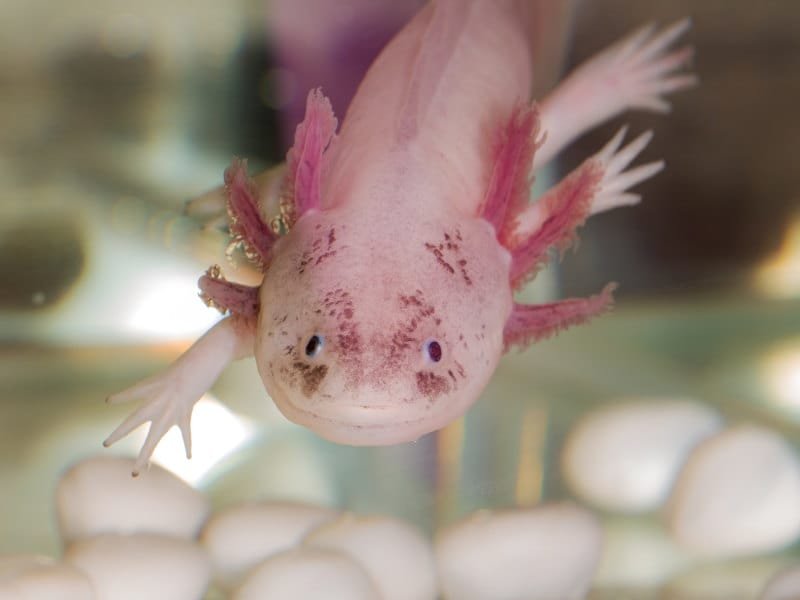
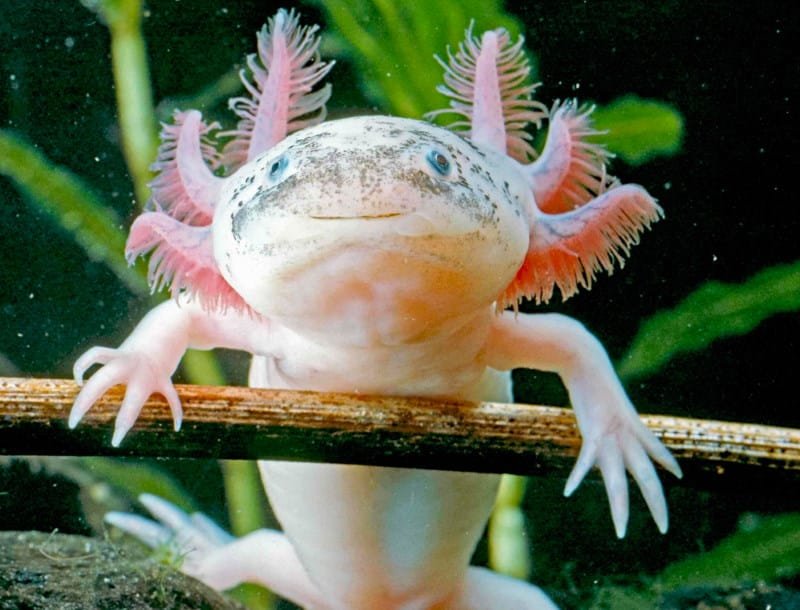
The axolotl, a Mexican salamander, is perhaps the best-known example of regeneration. It can regrow not only complete legs, with bones, muscles and nerves, but also parts of its heart, spinal cord, eyes and even its brain. The new tissue grows back without scars. That makes it one of the most studied animals in research on healing and regeneration. Sadly, in the wild, it now survives only in a few canals near Mexico City and is critically endangered.
2. Sea cucumber
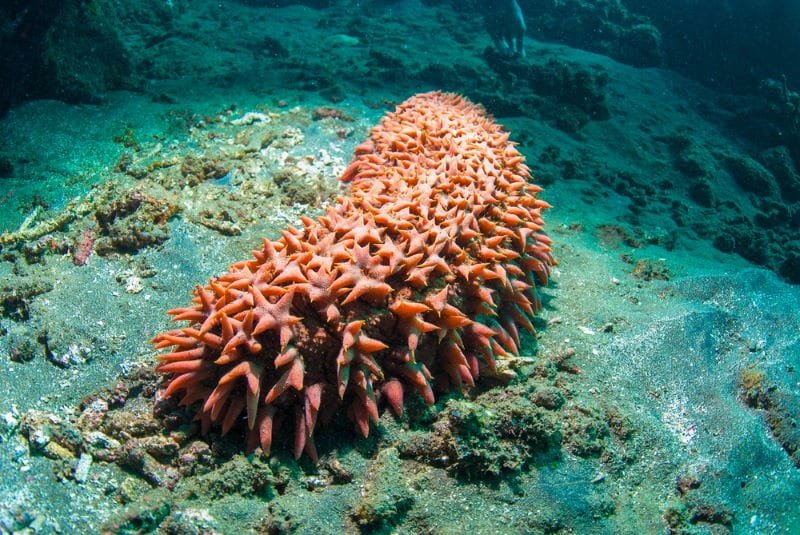
Sea cucumbers have a drastic way of defending themselves. When threatened, some species can expel part of their internal organs, including their gut, to distract a predator, or shoot out sticky threads. That sounds like a death sentence, but they can regrow the lost organs within a few weeks.
3. Planarians
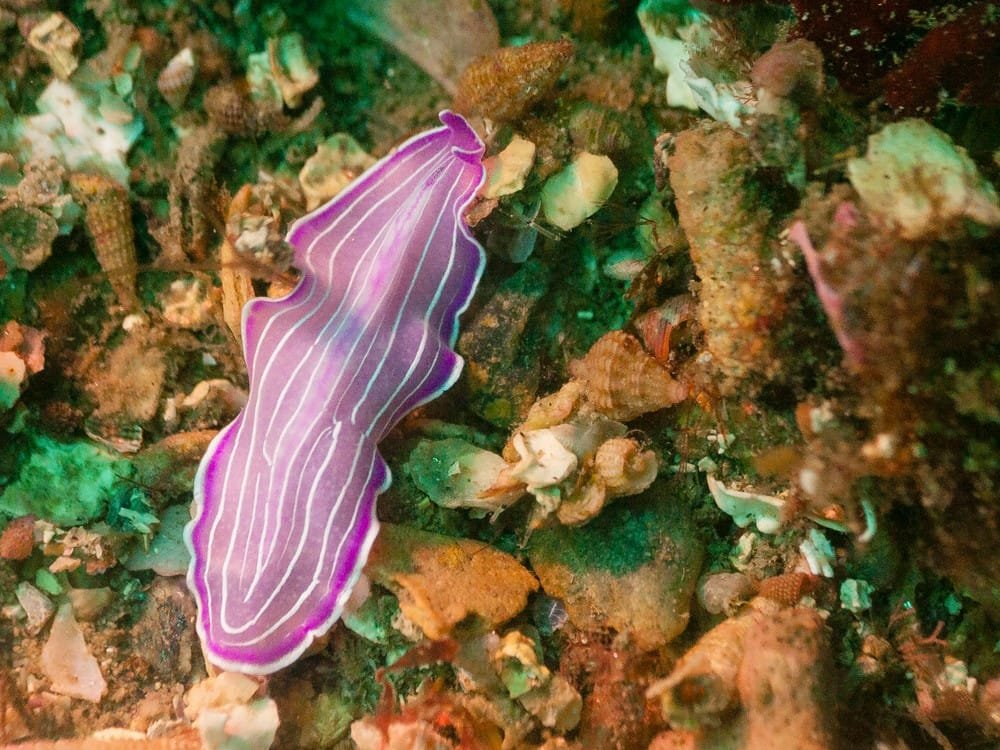
Planarians are small freshwater flatworms with an astonishing ability to regenerate. If you cut one into pieces, each piece can grow into a complete new worm, including a new head and brain. One famous experiment cut a planarian into 279 pieces, and each grew into a new animal. Their secret is a large supply of stem cells that can develop into any type of tissue.
4. Starfish
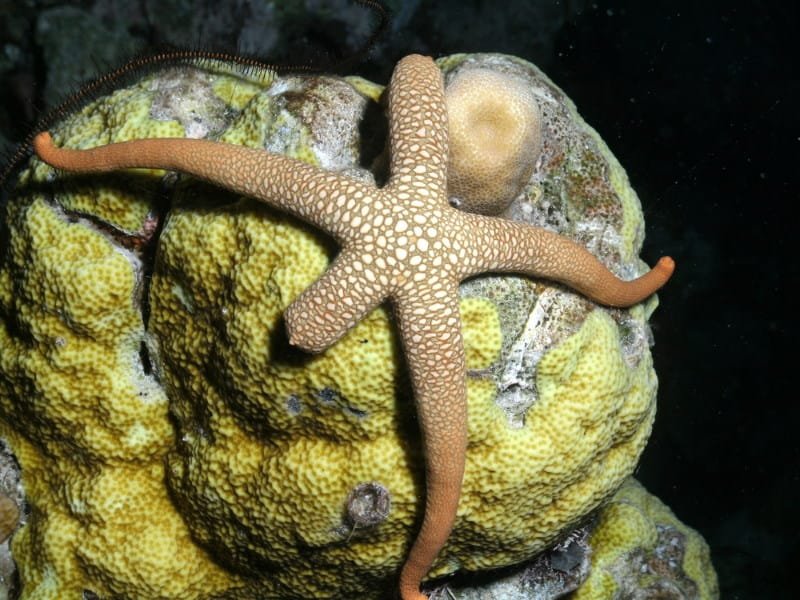
Starfish can regrow lost arms, and in some species, a single lost arm can grow into a complete new starfish, as long as it contains part of the central disc. Regrowing an arm can take months to a year, depending on the species. Some species even use this ability to reproduce, by deliberately splitting themselves in two.
5. Lizards
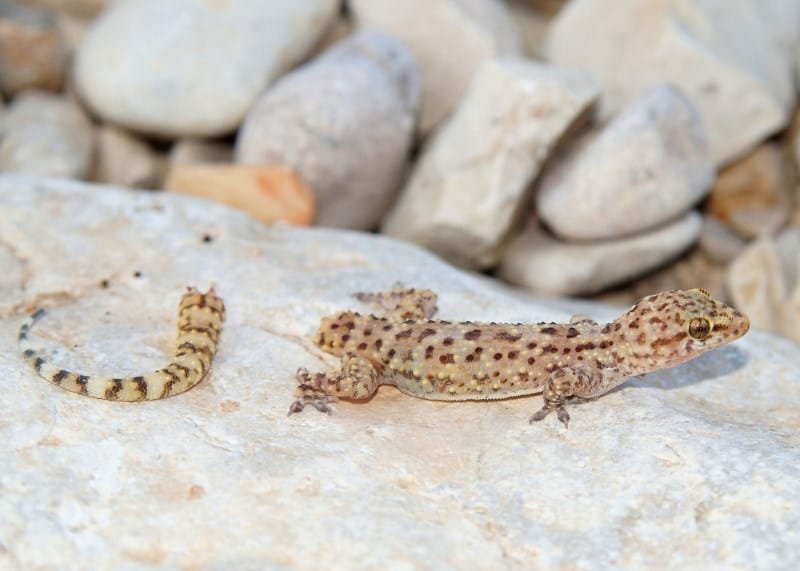
Many lizards can shed their tail when attacked by a predator. The detached tail keeps wriggling, distracting the attacker while the lizard escapes. The lizard can then grow a new tail. But the new one is not a perfect copy: instead of bone vertebrae, it has a simple rod of cartilage, and its scales are often different. Growing it takes a lot of energy and can take months.
6. Spiny mice
African spiny mice have an unusual defense: when grabbed by a predator, their skin tears off very easily, allowing them to escape. That would be a serious injury for most mammals, but spiny mice heal remarkably quickly, and can regrow skin, hair follicles, sweat glands and even cartilage, almost without scars. They are one of the few mammals known to regenerate tissue in this way, which makes them very interesting for medical research.
7. Zebrafish
The zebrafish, a small striped aquarium fish, can repair its heart. When scientists removed up to 20 percent of a zebrafish’s heart in experiments, the heart muscle grew back within a few months, without lasting scar tissue. In humans, a heart attack leaves permanent scars. Zebrafish can also regrow fins, parts of the spinal cord and the retina.
8. Earthworms
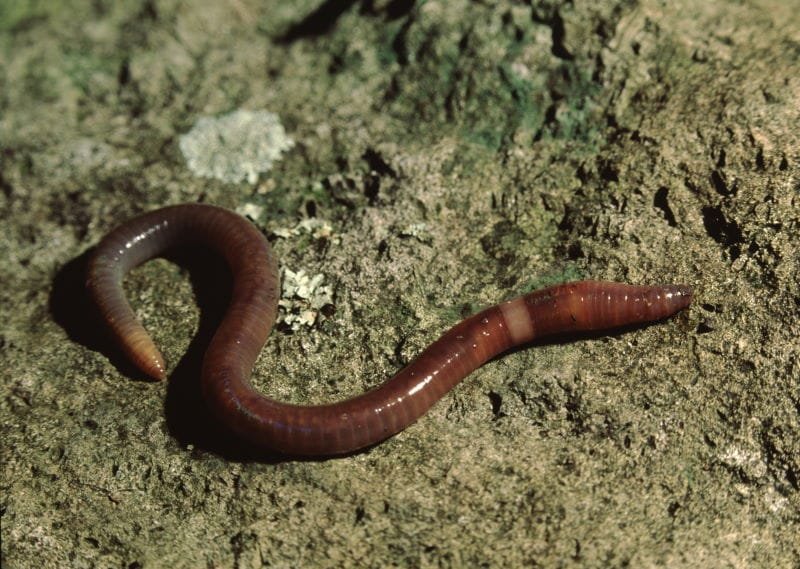
It is a popular myth that if you cut an earthworm in two, you get two worms. In reality, in most species, only the front part can survive and grow a new tail, and only if enough segments remain and the cut is in the right place. The back part usually dies. Still, the ability to regrow a lost tail helps earthworms survive attacks by birds and other predators.
9. Stick insects
Insects are vulnerable, so stick insects have developed a clever defense: when a predator grabs one of their legs, they can drop it at a special breaking point, and escape. Young stick insects can regrow the lost leg, which reappears, often slightly smaller, the next time they molt. Adults, which no longer molt, cannot regrow legs.