Condoms are in millions of nightstands, but most people never give them a second thought. They prevent pregnancy and protect against sexually transmitted infections, and that is about as far as most of us get.
Yet the humble condom has a long, strange history and a few surprising tricks up its sleeve. Here are ten facts worth knowing.
1. People have used them for thousands of years

The condom may look modern, but the idea is ancient. Some claim a cave painting in the Grotte des Combarelles in France, more than 12,000 years old, shows a man wearing a sheath, though historians are far from convinced.
The ancient Egyptians are known to have worn linen sheaths over the penis. Whether those were meant to prevent pregnancy, protect against disease and insects, or simply show status is still debated.
2. They did not always cover everything

Today a condom is rolled all the way down, which is a big part of why it works. That was not always the case. In China, oiled silk paper was reportedly wrapped over just the tip of the penis.
In Japan, men used small caps that covered only the glans, made of tortoiseshell or animal horn. They were more about status than protection, and probably not very comfortable.
3. The first clinical trial was held in the 16th century

The Italian anatomist Gabriele Falloppio, the man the fallopian tubes are named after, published the first known description of a condom in 1564. His version was a linen sheath soaked in a chemical solution and tied on with a ribbon.
Its purpose was not contraception but protection against syphilis, then sweeping across Europe. Falloppio claimed he tested it on more than a thousand men and that none of them caught the disease. Modern scientists would have a few questions about his methods.
4. Rubber changed everything
For centuries, condoms were made of linen or animal intestines, which made them expensive and often reused. That changed after Charles Goodyear patented vulcanized rubber in 1844. Within a couple of decades, rubber condoms were being mass-produced.
Latex condoms arrived in the 1920s. They were thinner, stronger and cheaper to make, and they are still the standard today.
5. Every condom gets an electric test
Manufacturers do not leave anything to chance. Every single condom is pulled over a metal form and tested with an electric current. Latex does not conduct electricity, so if current passes through, there is a hole and the condom is rejected.
Samples from every batch also go through water leak tests and inflation tests, in which they are filled with air until they burst.
6. They stretch far more than you think

Anyone who has filled a condom with water as a joke knows how much it can take. In the official inflation test, a condom has to hold well over 15 liters of air before it bursts, enough to blow it up to the size of a beach ball.
So when someone claims a condom is “too small”, it usually is not. Fit matters for comfort and for slipping, though, so finding the right size is still worth the effort.
7. Most failures are user error

Used perfectly, condoms are about 98 percent effective at preventing pregnancy. In real life, the figure drops to about 87 percent, according to the CDC.
The gap comes almost entirely from mistakes: putting the condom on too late, not leaving room at the tip, using oil-based lubricant with latex, or reusing one. And no, you cannot reuse a condom, no matter how carefully you wash it.
8. They have an expiration date
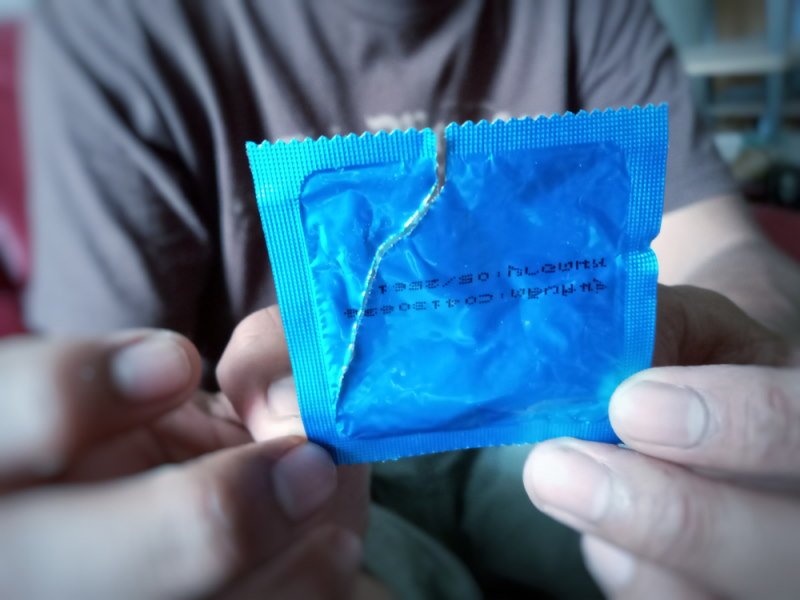
That date on the wrapper is not a suggestion. Latex slowly breaks down over time, becoming drier and more likely to tear.
The classic wallet or back pocket is a bad place to keep one too. Body heat and friction wear down the material long before the expiration date, so store them somewhere cool and dry.
9. One brand dominates the American market

In the United States, Trojan has been the market leader for decades. At its peak it accounted for around three quarters of all condoms sold in American stores, far ahead of rivals like Durex and Lifestyles.
Durex, on the other hand, is the bigger name in much of Europe and the rest of the world. The two brands rarely compete head to head in the same market.
10. They have plenty of uses outside the bedroom
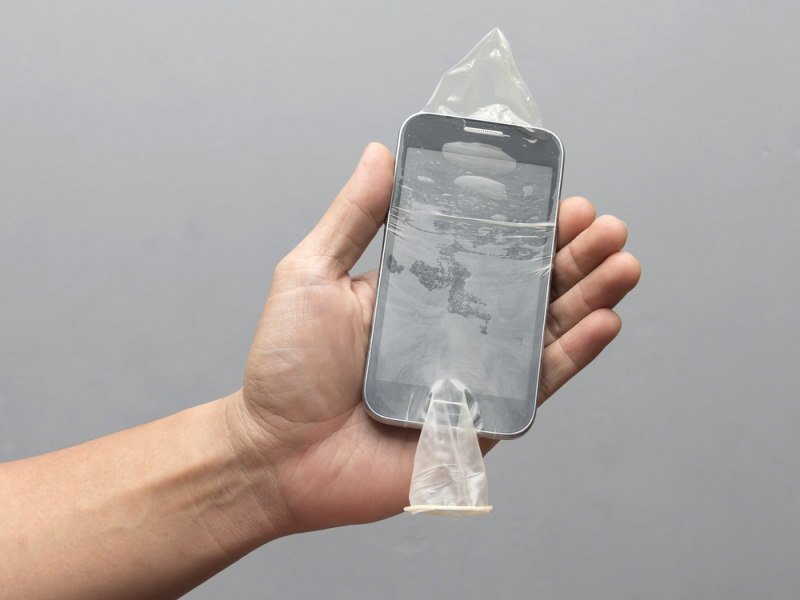
Survival experts love condoms. An unlubricated one can carry a surprising amount of water in an emergency, keep matches or a phone dry, or serve as a makeshift slingshot band.
Soldiers in World War II famously pulled them over their rifle barrels to keep out sand and water. Not bad for something most people only think about in the heat of the moment.