The human body performs thousands of automated biological operations every minute, keeping us alive without conscious effort. Alongside routine digestion and breathing, human physiology harbors lesser-known abilities that sound like science fiction. Here are ten strange functions of the human body that demonstrate the wonders of biology.
10. The Mammalian Dive Reflex
When cold water touches a person’s face, the autonomic nervous system triggers the mammalian dive reflex. The heart rate instantly slows by up to twenty-five percent, and blood vessels in the extremities constrict to redirect oxygenated blood toward the brain and heart.
This ancient survival adaptation allows freedivers to hold their breath for minutes at underwater depths that would otherwise cause fainting.
9. Cross-Sensory Synesthesia
For millions of people worldwide, sensory pathways in the brain are physically cross-wired, producing a phenomenon known as synesthesia. A person with synesthesia might taste strawberries when hearing a violin chord or perceive the letter A as vivid royal blue.
Neurologists confirmed that the condition involves increased structural connectivity between sensory processing regions in the cerebral cortex.
8. Continuous Skeletal Remodeling
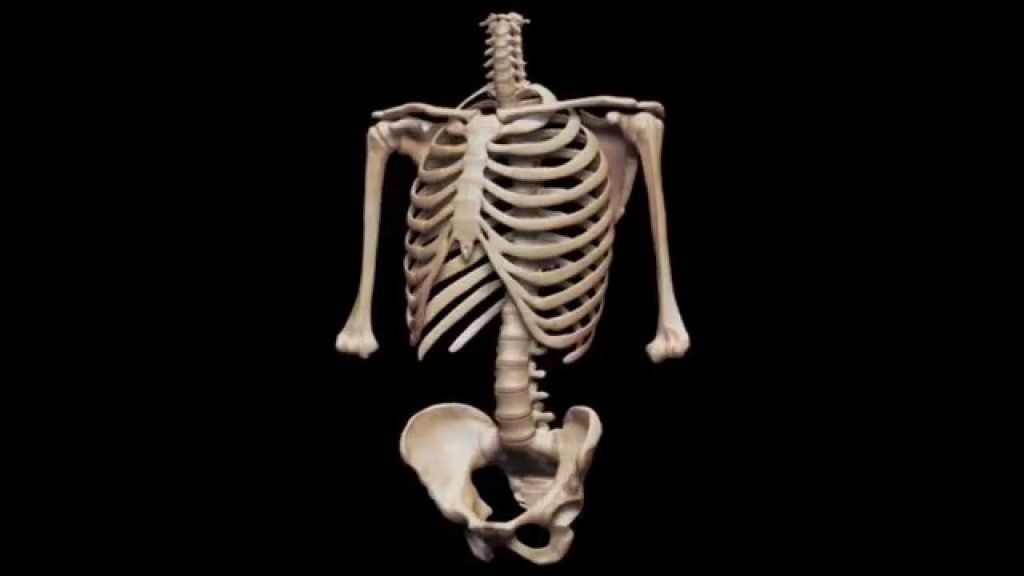
Human bones are not inert calcium scaffolding, but dynamic living tissues that regenerate constantly throughout life. Specialized cells called osteoclasts break down aging bone mineral, while osteoblasts construct fresh bone matrix in response to physical stress and weightbearing exercise.
Through this perpetual cellular cycle, the entire adult skeleton is completely replaced roughly every ten years.
7. An Internal Master Clock

Situated in the hypothalamus, the suprachiasmatic nucleus acts as the body’s master circadian pacemaker. This tiny neural cluster of twenty thousand neurons synchronizes hormone releases, core body temperature, and metabolic cycles with the 24-hour day-night cycle.
Specialized photoreceptors in the eyes detect morning blue light, suppressing melatonin production to wake the body naturally.
6. Pain Memories Fade Strategically
The brain possesses a psychological defense mechanism that dulls the emotional sharpness of physical pain memories over time. While a person accurately remembers that an injury or childbirth was intensely agonizing, they cannot mentally re-experience the raw sensory torture of the sensation.
This evolutionary adaptation prevents individuals from becoming permanently paralyzed by fear of essential physical experiences.
5. Daily Cellular Quality Control
Every single day, trillions of cells divide inside the body, generating thousands of genetic copying mistakes and mutated cells. The immune system deploys cytotoxic T-cells and natural killer cells that patrol tissues, identifying damaged cells and commanding them to undergo programmed cell death.
This internal cleanup crew destroys thousands of potentially malignant cells before they can ever form tumors.
4. The Enteric Second Brain in the Gut
The human gastrointestinal tract is lined with more than five hundred million neurons, comprising the enteric nervous system. This network operates independently of the spinal cord, controlling digestive secretions and muscle contractions on its own.
The gut also produces ninety percent of the body’s serotonin, explaining why emotional states like anxiety directly impact stomach comfort.
3. The Brain Predicts the Immediate Future
Visual information takes approximately eighty milliseconds to travel from the retina to the visual cortex. To prevent people from constantly living in the past, the brain calculates motion trajectories and projects visual scenes milliseconds into the future.
When catching a flying baseball, your eyes track where the brain predicts the ball will be rather than where it currently sits.
2. Bioelectric Voltage Across Cell Membranes
Every living cell in the human body operates like a miniature rechargeable battery, maintaining an electrical voltage across its lipid membrane using sodium-potassium pumps. This cellular bioelectricity coordinates muscle twitches, nervous impulses, and tissue healing.
Collectively, a person produces enough electrical energy resting in bed to illuminate a low-voltage lightbulb.
1. Human Skin Literally Glows in the Dark
Sensitive imaging cameras developed by Japanese biophotonics researchers revealed that human skin emits ultra-weak visible light continuously. This faint glow is the result of metabolic cellular reactions involving free radicals reacting with lipids and proteins.
The luminescence is a thousand times weaker than the human eye can perceive, peaking in intensity in the late afternoon around the forehead and cheeks.