Purple is a rare color in the animal kingdom. Often it does not even come from pigment, but from tiny structures in feathers, scales or wings that break up the light. These ten animals show how beautiful purple can be.
1. Purple emperor
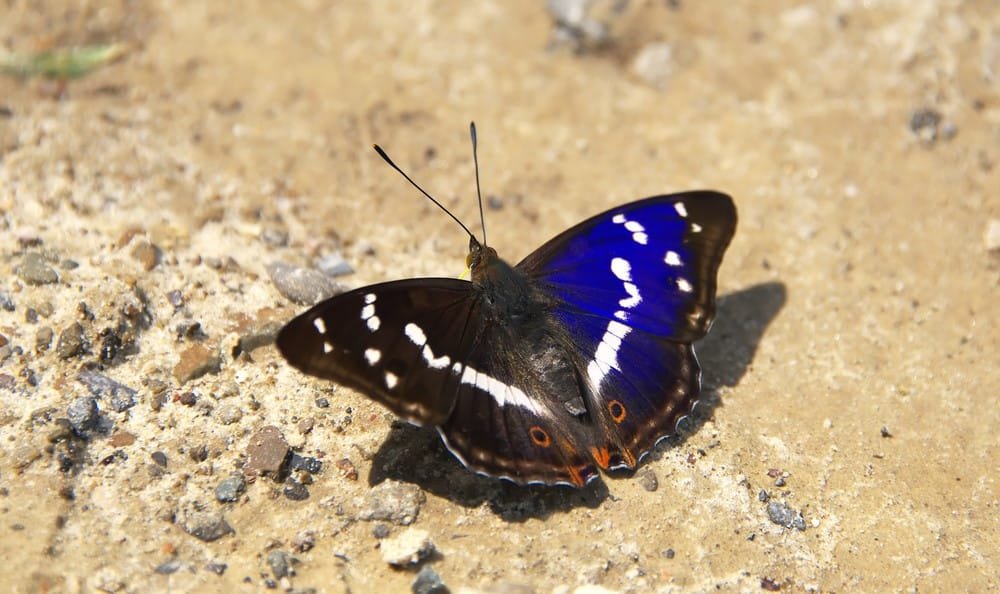
The purple emperor (Apatura iris) is one of the most beautiful butterflies in Europe. The wings of the male only turn purple when the light hits them at the right angle; from other angles, they look brown. The female is brown with white markings. This butterfly lives high in the treetops of old woodland. When it does come down, it is not for flowers: it prefers to drink from dung, carcasses, puddles or even human sweat.
2. Purple glossy starling
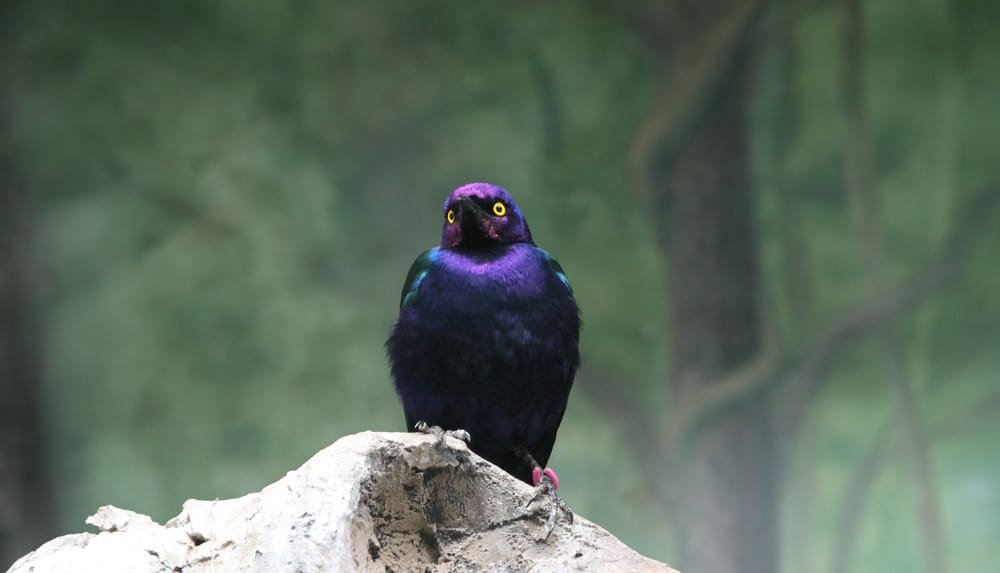
This starling from the African savanna shines purple and blue, with a striking yellow eye. Here too, the gloss comes from the structure of the feathers, not from pigment. Seen in dull light, the bird can look almost black.
3. Violet ground beetle
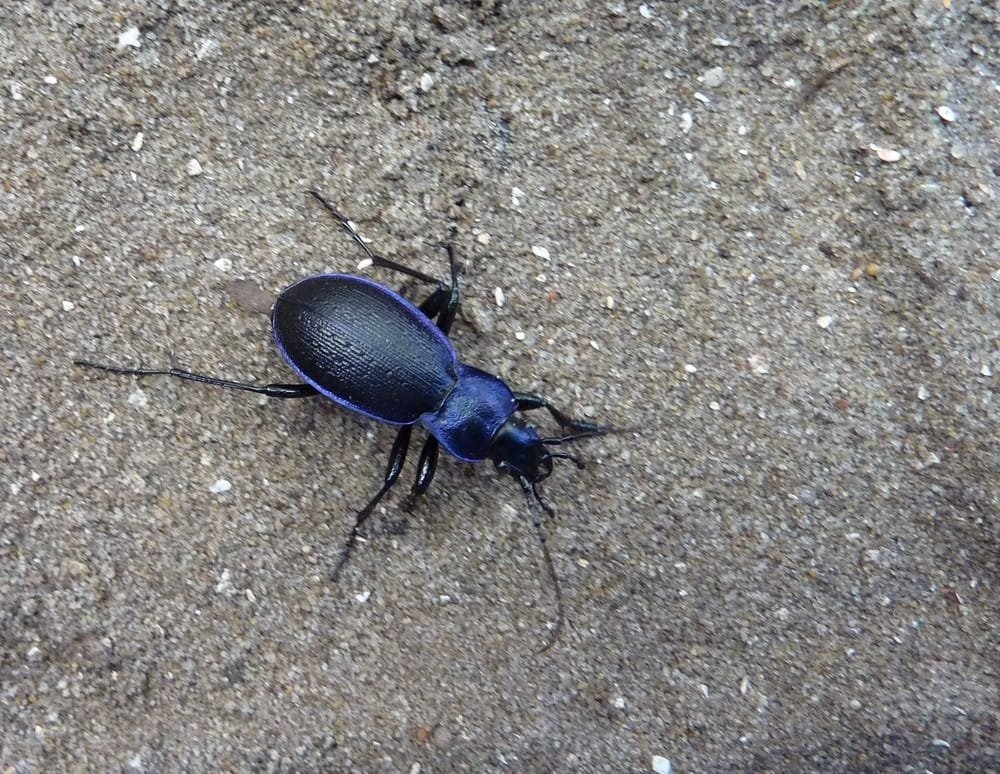
The violet ground beetle (Carabus violaceus) lives in gardens, fields and woodland across much of Europe. Its black wing cases have a purple or violet edge that gleams in the light. It cannot fly, but it is a fast runner, and at night it hunts slugs, worms and other small animals.
4. Orchid dottyback
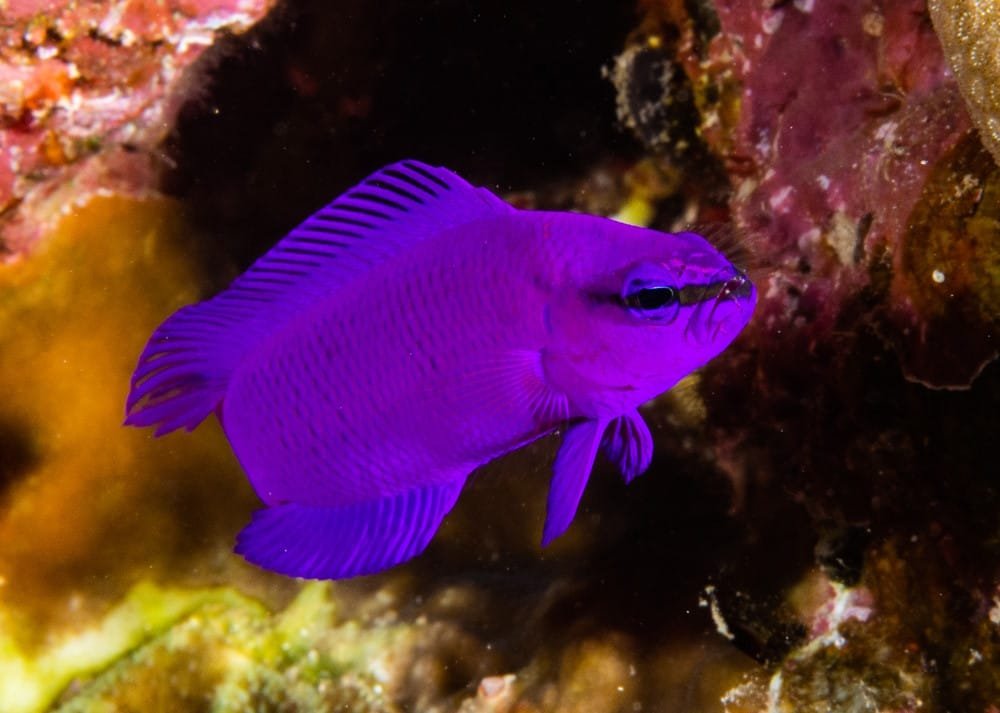
The orchid dottyback (Pseudochromis fridmani) is a small, brilliant purple fish that is only found in the Red Sea. It is popular in saltwater aquariums, partly because it can be bred in captivity, so it does not have to be taken from the wild. It can be quite territorial toward other fish, though.
5. Ochre sea star
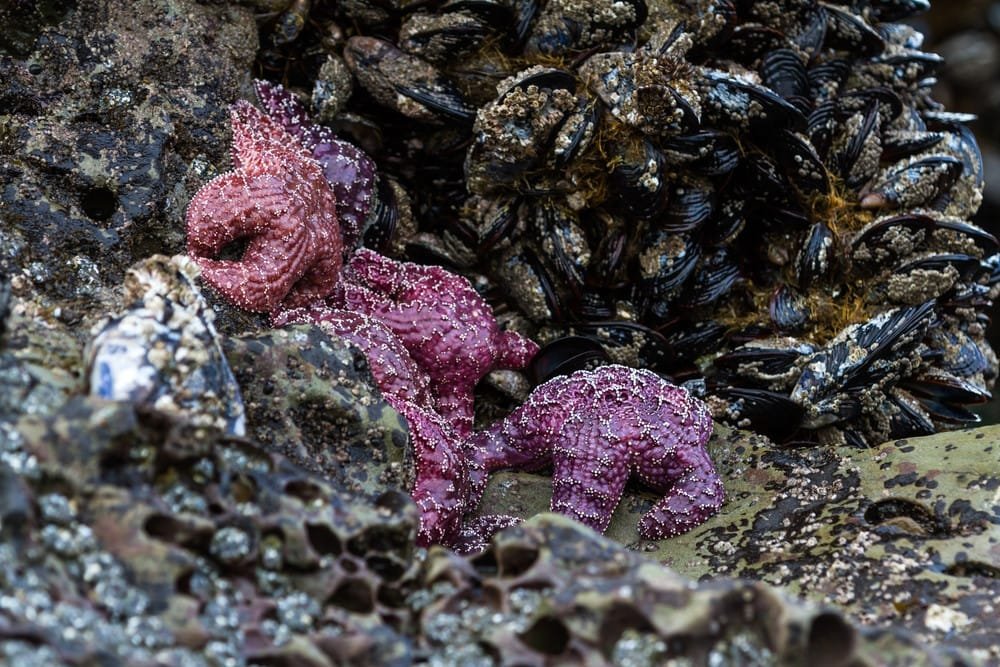
Despite its name, the ochre sea star (Pisaster ochraceus), which lives along the Pacific coast of North America, is often purple. It became famous through the ecologist Robert Paine. In the 1960s, he removed the sea stars from a stretch of rocky coast, after which mussels took over and many other species disappeared. That led Paine to come up with the concept of the keystone species: a species on which an entire ecosystem depends.
6. Purple frog
The purple frog (Nasikabatrachus sahyadrensis) from the Western Ghats in India looks like a purple balloon with a pointed snout. It spends almost the whole year underground, where it feeds on termites. It only comes to the surface for a few weeks during the monsoon to breed. As a result, scientists did not describe it until 2003. Its closest relatives live in the Seychelles, a leftover from the time when India and the Seychelles were part of the same landmass.
7. Purple sea urchin
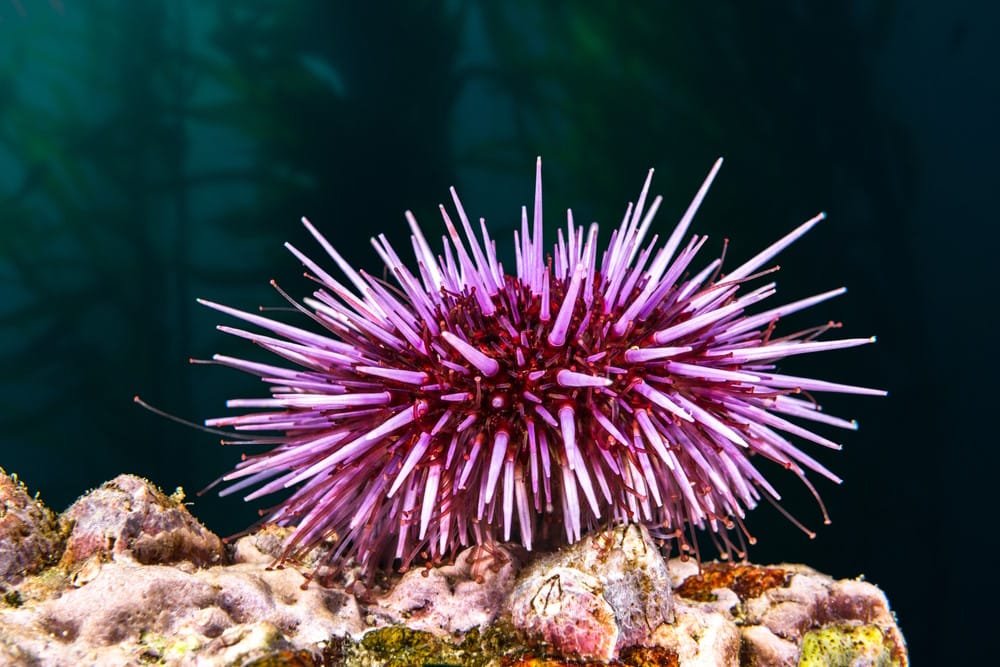
The purple sea urchin (Strongylocentrotus purpuratus) lives along the west coast of North America and mainly eats kelp. When there are too few predators, such as sea otters and sunflower sea stars, its numbers explode, and urchins can strip entire kelp forests bare, leaving behind so-called urchin barrens.
8. Purple firefish
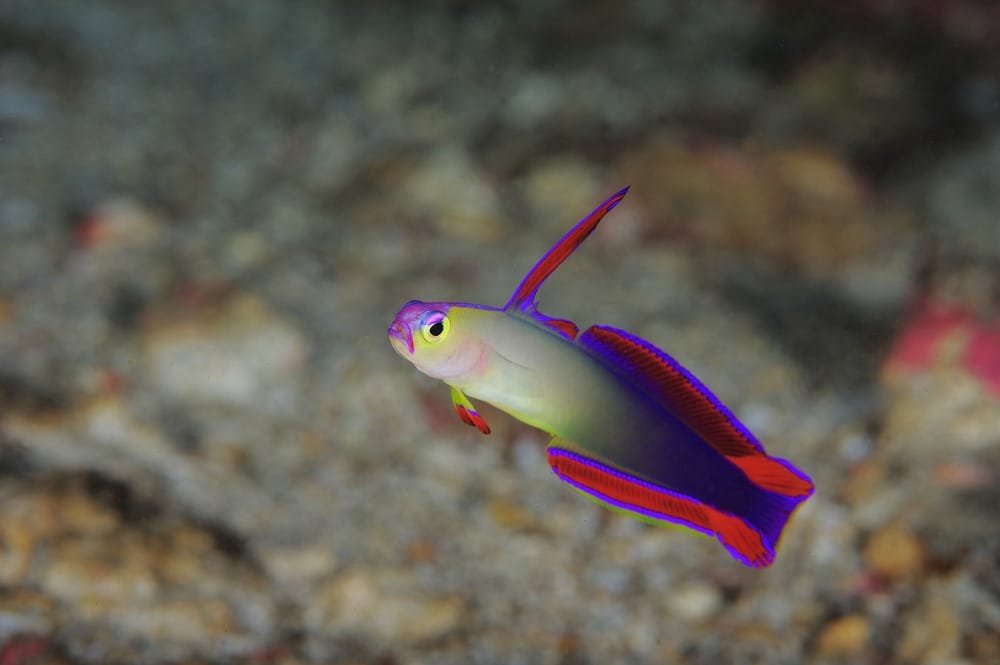
The purple firefish (Nemateleotris decora) is white and purple, with a long dorsal fin that it raises like a flag. It lives on reefs in the Indian and Pacific Oceans, and when danger threatens, it darts into a hole in the reef at lightning speed.
9. Violet sea snail
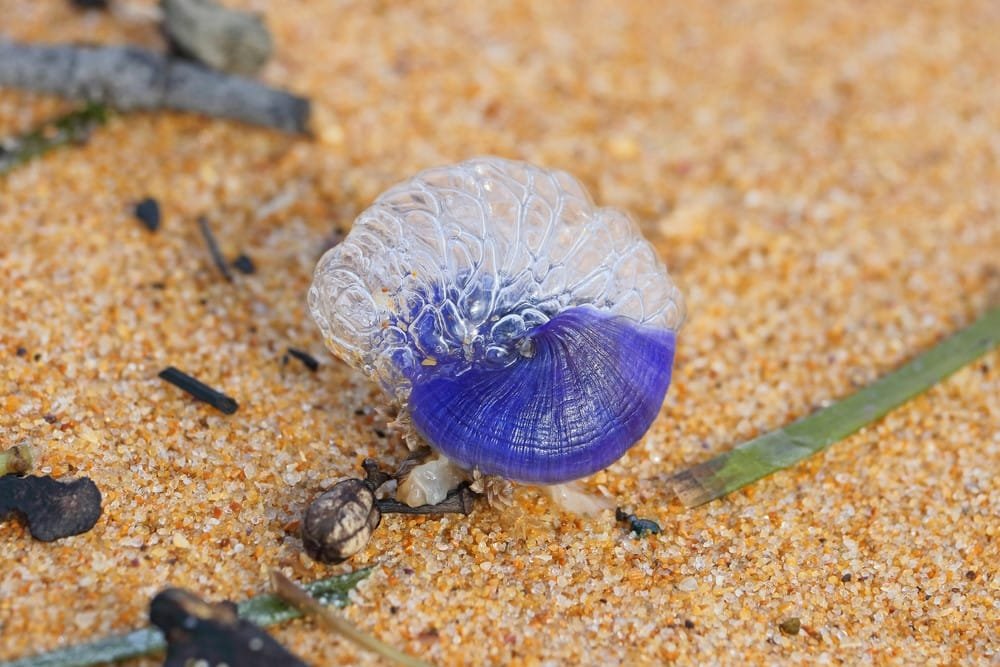
This purple sea snail (Janthina janthina) lives at the surface of warm oceans. It builds a raft of mucus bubbles and floats upside down beneath it. Along the way, it feeds on floating animals related to jellyfish, such as the Portuguese man o’ war. After storms, it sometimes washes up on beaches, including in Europe.
10. Magnificent sea anemone
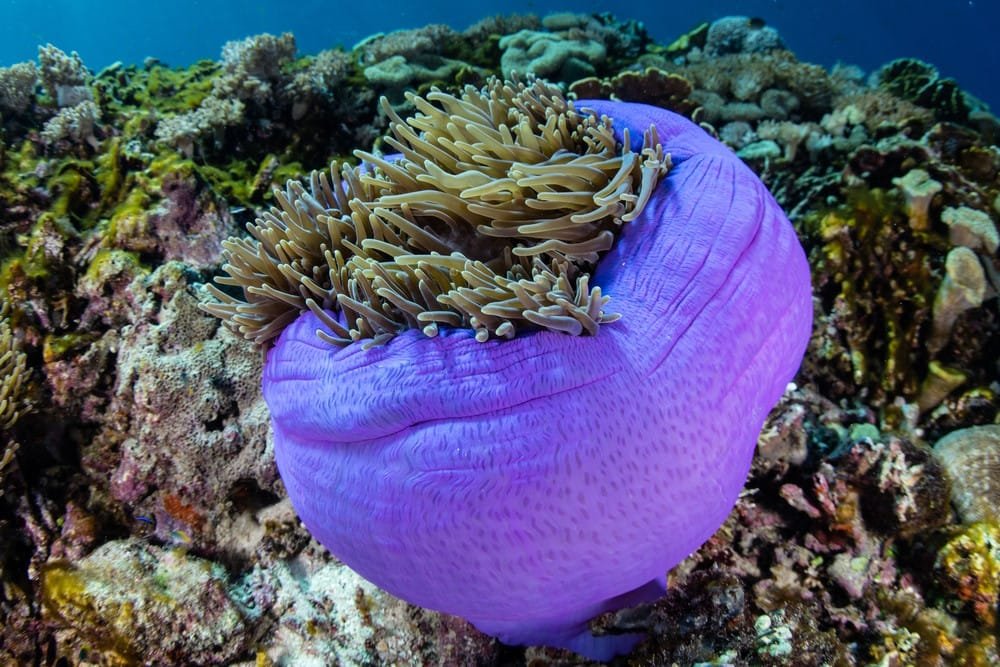
The magnificent sea anemone (Heteractis magnifica) often has a purple base and can be brightly colored. It is one of the sea anemones in which clownfish, famous from Finding Nemo, make their home. The clownfish are not stung by the anemone’s stinging cells, thanks to a protective layer of mucus.