In the animal kingdom, the difference between male and female is far less fixed than you might think. Some animals change sex during their lives, others are male and female at the same time, and in some species the temperature of the nest decides whether a baby becomes male or female.
These are 11 animals that change sex, or blur the line between the sexes in other remarkable ways.
1. Clownfish
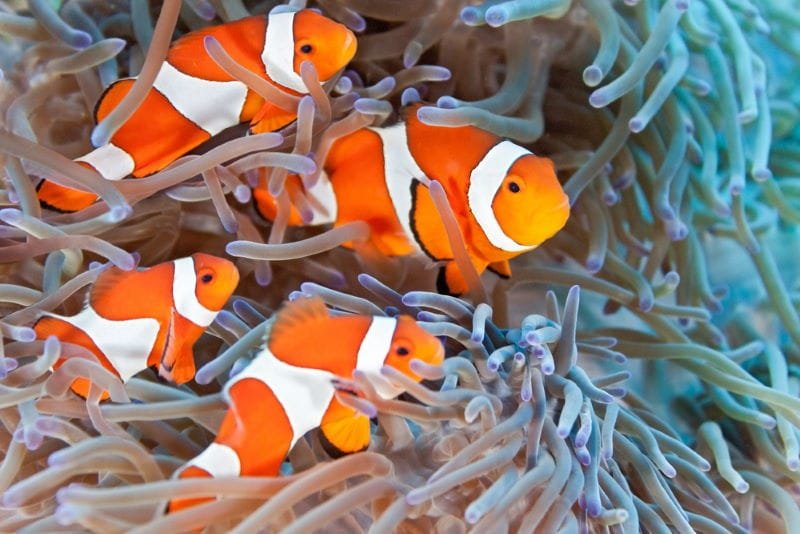
You probably know clownfish from Finding Nemo. What the film does not show is that they can change sex. Clownfish live in small groups in a sea anemone, led by one large female and one slightly smaller breeding male. The rest are smaller, non-breeding males. When the female dies, the breeding male turns into a female, and the largest of the other males becomes the new breeding male. In real life, Nemo’s father would have become his mother.
2. Coral gobies
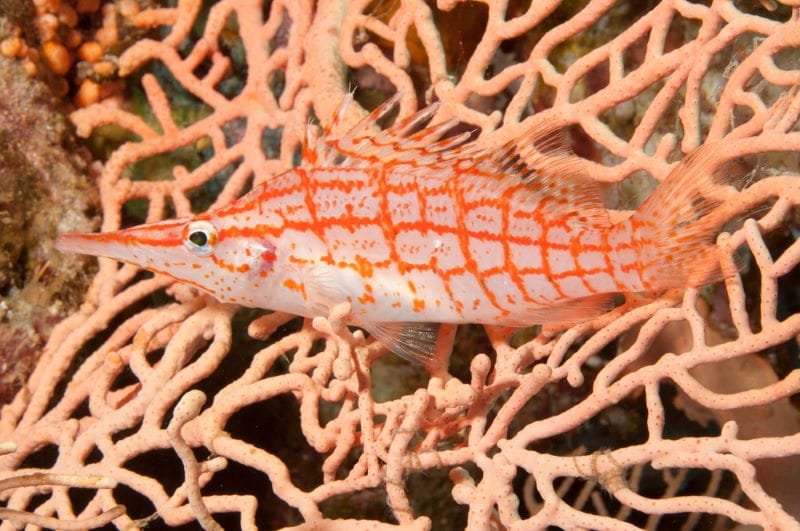
These small, colorful fish live among the branches of coral. Unlike most sex-changing fish, some coral gobies can change in both directions: from female to male and back again. If two females meet and there is no male around, one of them can turn into a male, so the pair can still breed. It allows them to avoid dangerous trips across the reef to look for a partner.
3. Black sea bass
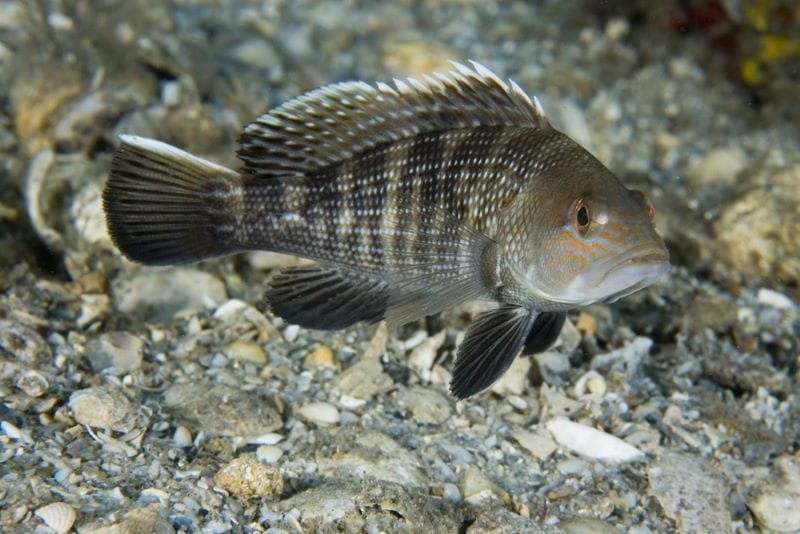
The black sea bass of the western Atlantic starts life as a female. Many of them later change into males, usually when they are a few years old and have grown larger. This sex change seems to be influenced by the social structure of the group: when there are few males, more females make the switch.
4. Humphead wrasse
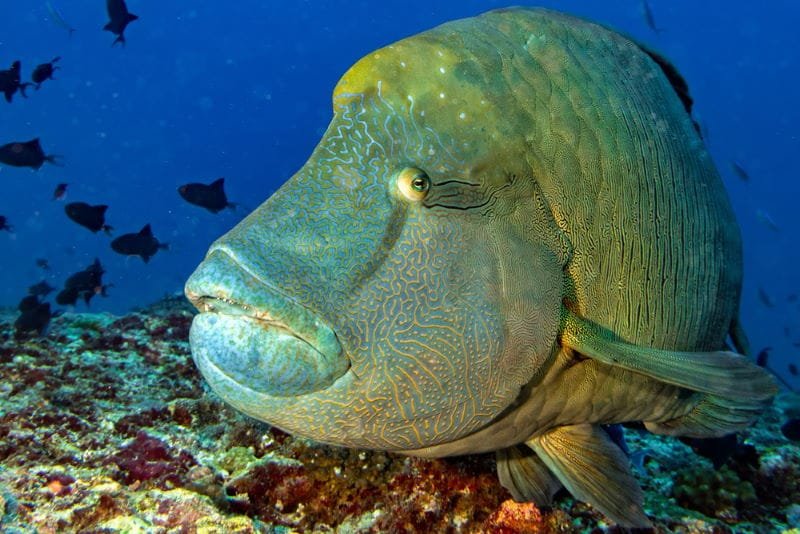
The humphead wrasse, also called the Napoleon wrasse, is a huge fish of coral reefs that can grow to around two meters long and live for about 30 years. Most start life as females and some turn into males at around nine years old. Along with the sex change, their color changes too, from orange-red to the bright blue-green of the adult males, with the distinctive bump on their forehead.
5. Banana slugs
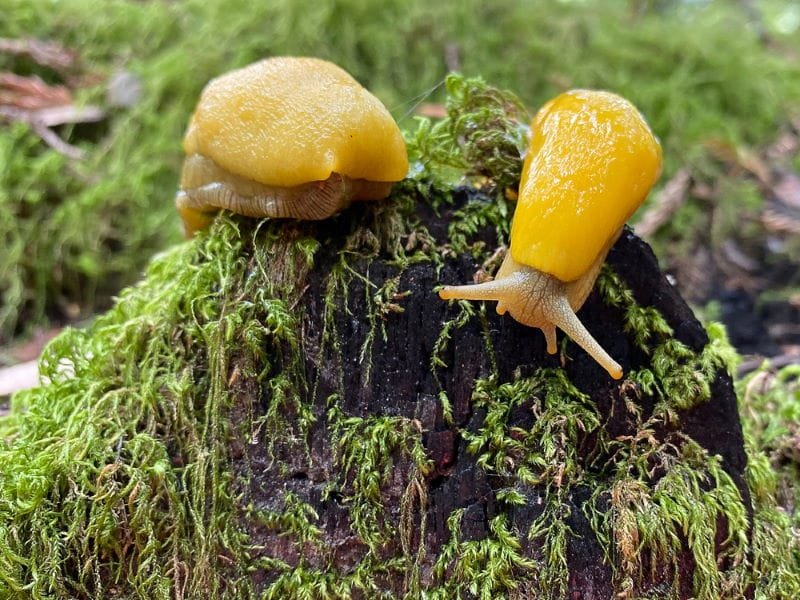
You can recognize these big slugs from the forests of the American Pacific coast by their bright yellow color. They do not need to change sex, because they are hermaphrodites: male and female at the same time. When two banana slugs mate, both are fertilized. They can even fertilize themselves if necessary. One species, Ariolimax dolichophallus, is named after its penis, which can be as long as its entire body.
6. Butterflies
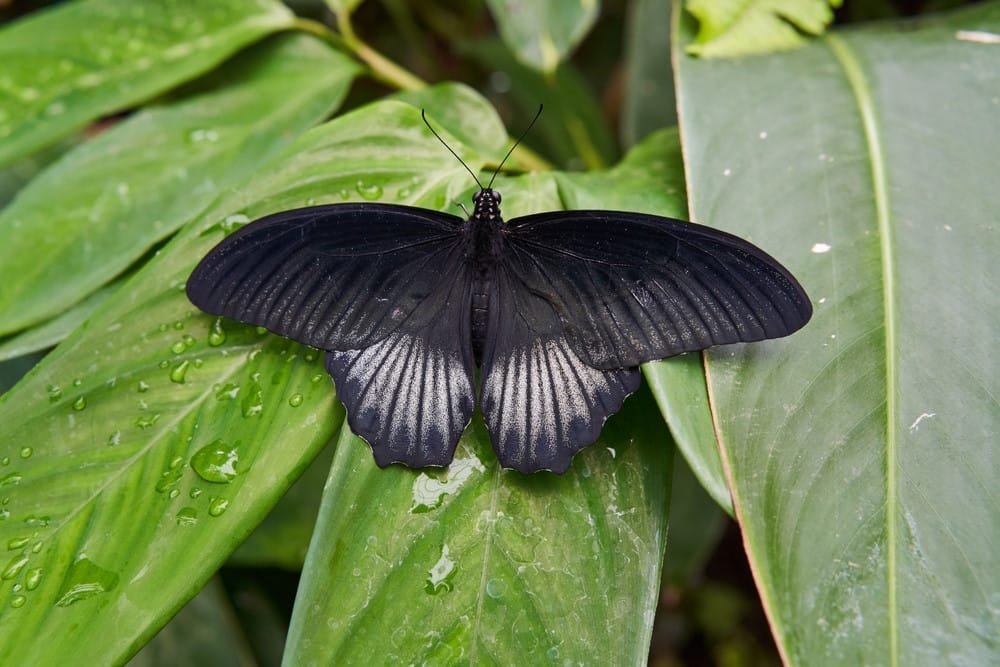
Very occasionally, a butterfly is born that is half male and half female, a condition called gynandromorphism. In species where males and females look different, such as the great Mormon butterfly (Papilio memnon), you can see it clearly: one side of the body has male wings, the other side female wings. It is caused by an error in the very first cell divisions after fertilization, and it also occurs in other insects, crustaceans and birds.
7. Northern cardinals
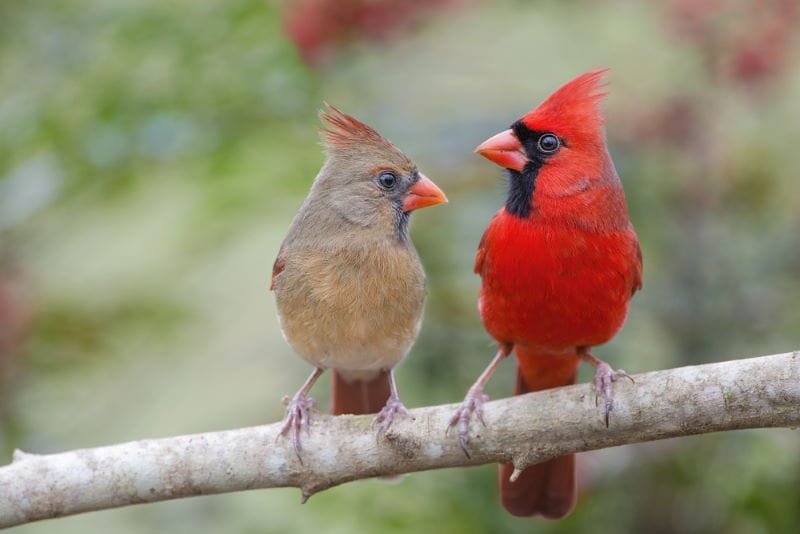
The same phenomenon also happens in birds. In northern cardinals, males are bright red and females are grayish brown, so a gynandromorph cardinal is literally half red and half brown, split right down the middle. Such birds are extremely rare. In one bird that was studied for years in Illinois, researchers noticed that it never sang and was never seen with a partner.
8. Frogs
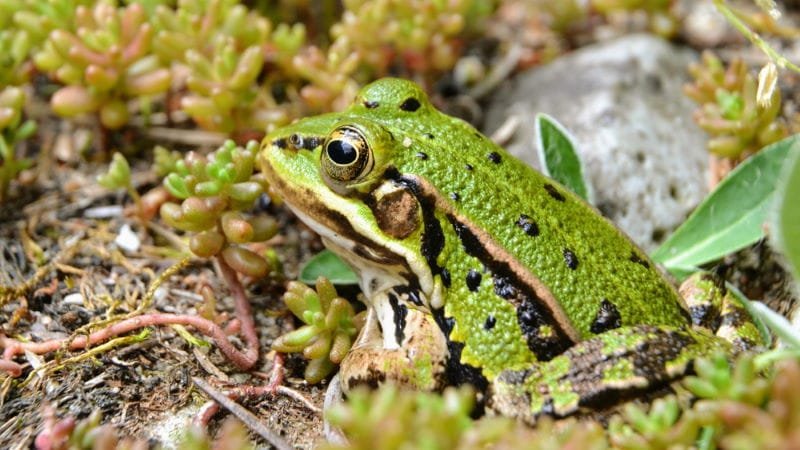
Scientists have discovered that some frogs, such as green frogs and wood frogs, can develop as the opposite sex to the one their genes say. In wild populations, researchers found that individuals with male genes sometimes developed into females, and vice versa. Some scientists suspect that pollution with hormone-like chemicals plays a role, especially in suburban areas, while others think it is at least partly a natural phenomenon.
9. Copperheads
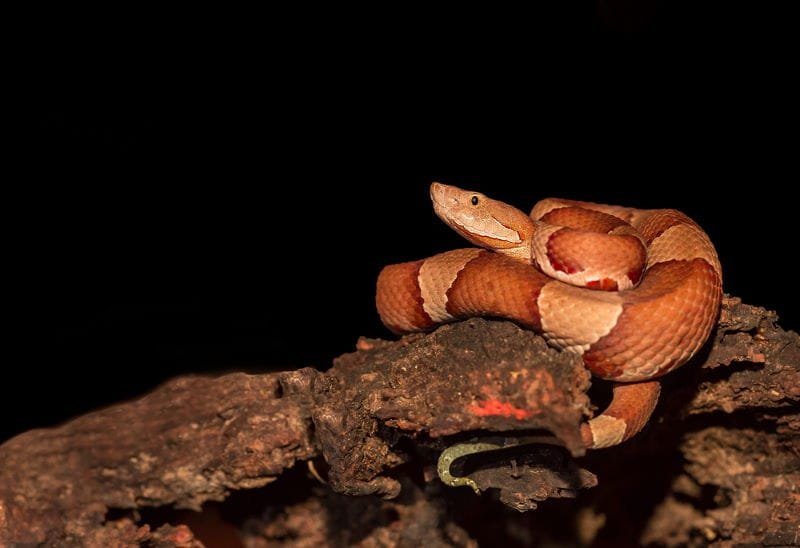
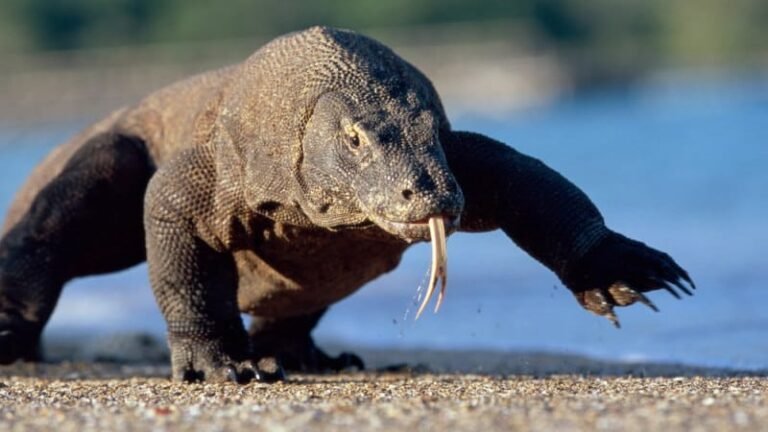
Female copperheads, a venomous snake from North America, do not change sex, but they can do something just as surprising: reproduce without a male. This is called facultative parthenogenesis, or virgin birth. It has been confirmed in wild copperheads and also occurs in other snakes, sharks and Komodo dragons. All the young are genetically very similar to their mother.
10. Bearded dragons
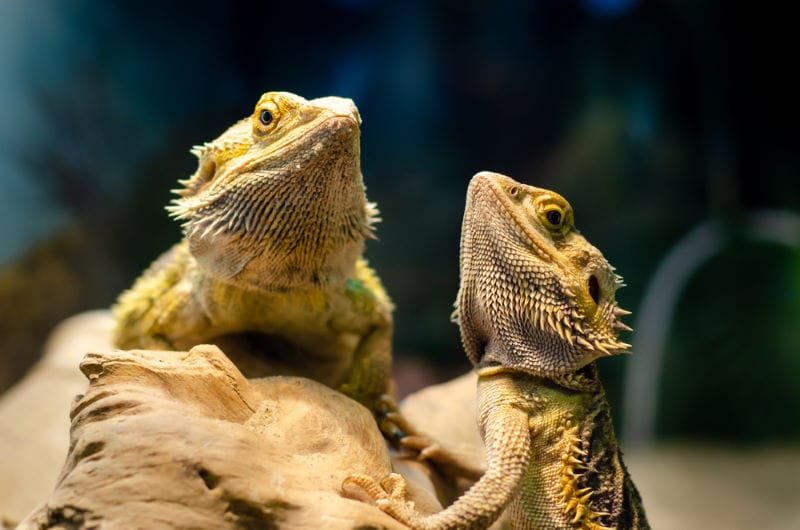
In bearded dragons, sex is normally determined by chromosomes. But research in Australia in 2015 showed that when eggs with male chromosomes are incubated at high temperatures, the embryos develop into females anyway. These “sex-reversed” females can lay eggs and some even lay more than normal females. Scientists fear that rising temperatures will lead to more and more of these females in the wild.
11. Green sea turtles
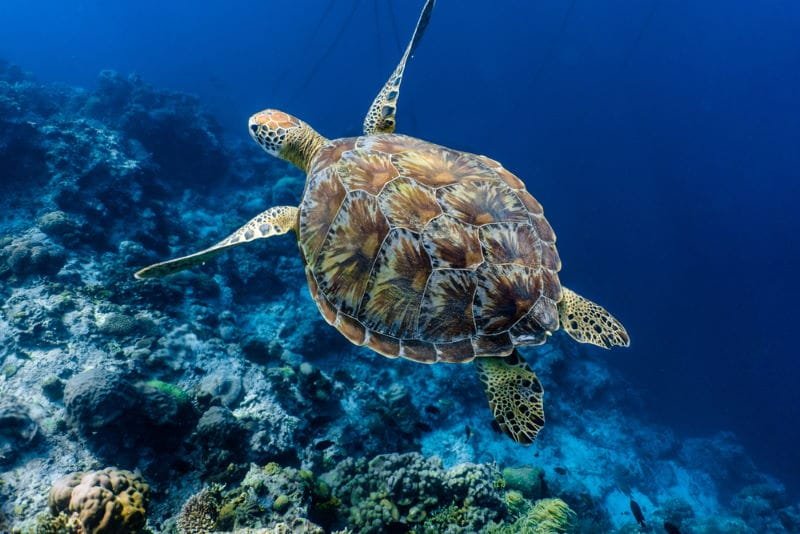
In sea turtles, the sex of the young depends entirely on the temperature of the sand in which the eggs are buried. Warmer sand produces more females, cooler sand more males. That is becoming a serious problem because of climate change. A study published in 2018 found that more than 99 percent of young green turtles from the warmest nesting beaches of the northern Great Barrier Reef were female.