The Roman Empire is famous for many things, but above all for its impressive architecture and engineering. Roman builders perfected the arch, the vault and the dome, and invented a type of concrete so durable that some of their buildings are still standing almost 2,000 years later.
From the breathtaking Colosseum to the perfectly preserved Pantheon, these are ten of the most famous buildings of the Roman Empire that you can still visit today.
1. The Colosseum, Rome
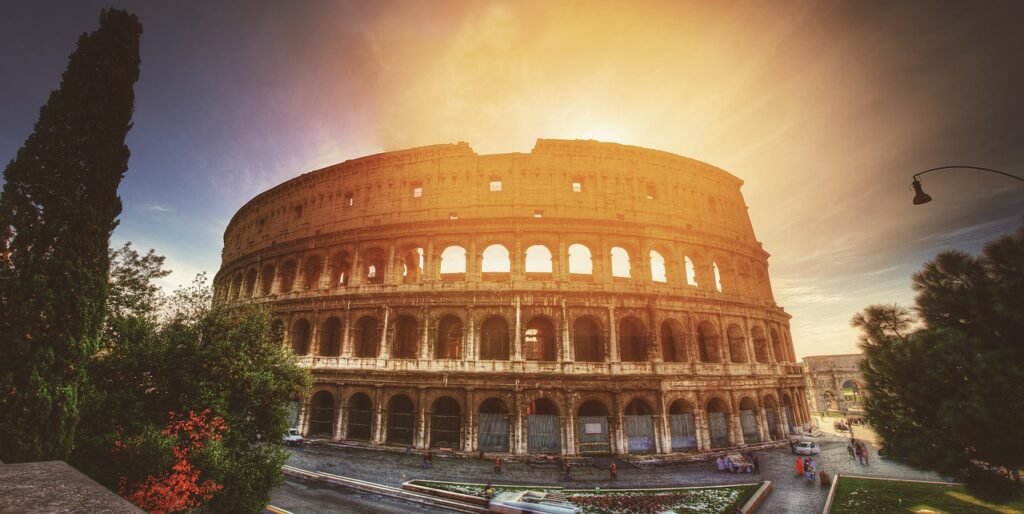
The Colosseum is the most iconic building of ancient Rome. Construction began under Emperor Vespasian around 70 AD and it was inaugurated by his son Titus in 80 AD with 100 days of games. It was used for gladiator fights, animal hunts and public spectacles. With room for an estimated 50,000 to 80,000 spectators, it was the largest amphitheater in the Roman world.
The outer walls were built of travertine stone, while the interior was supported by a system of vaults and arches made of brick and concrete. Underneath the arena was the hypogeum, a maze of tunnels and cages with lifts that brought animals and gladiators up to the arena floor. Today, it is one of the most visited monuments in the world.
2. The Pantheon, Rome

The Pantheon is the best-preserved building of ancient Rome. The first temple on the site was built by Marcus Agrippa around 25 BC. The building we see today was rebuilt under Emperor Hadrian around 125 AD, though it still carries Agrippa’s name on the front. Since 609 AD, it has been used as a church, which is the main reason it survived so well.
The Pantheon is famous for its enormous dome, which is still the largest unreinforced concrete dome in the world, with a diameter of 43.3 meters. The concrete becomes lighter towards the top, and at the center is an open hole, the oculus, nine meters across, which is the only source of light. When it rains, the rain falls straight in and drains away through holes in the floor.
3. The Roman Forum, Rome
The Roman Forum was the political, religious and social heart of ancient Rome. Located in a valley between the Palatine and Capitoline Hills, it served as a marketplace, a place for religious ceremonies, public speeches and criminal trials. It was surrounded by important buildings and temples, such as the Temple of Saturn, the Basilica Julia and the Curia Julia, where the Roman Senate met. Today, visitors can walk among the ruins and imagine the bustling center of the ancient world.
4. Diocletian’s Palace, Split
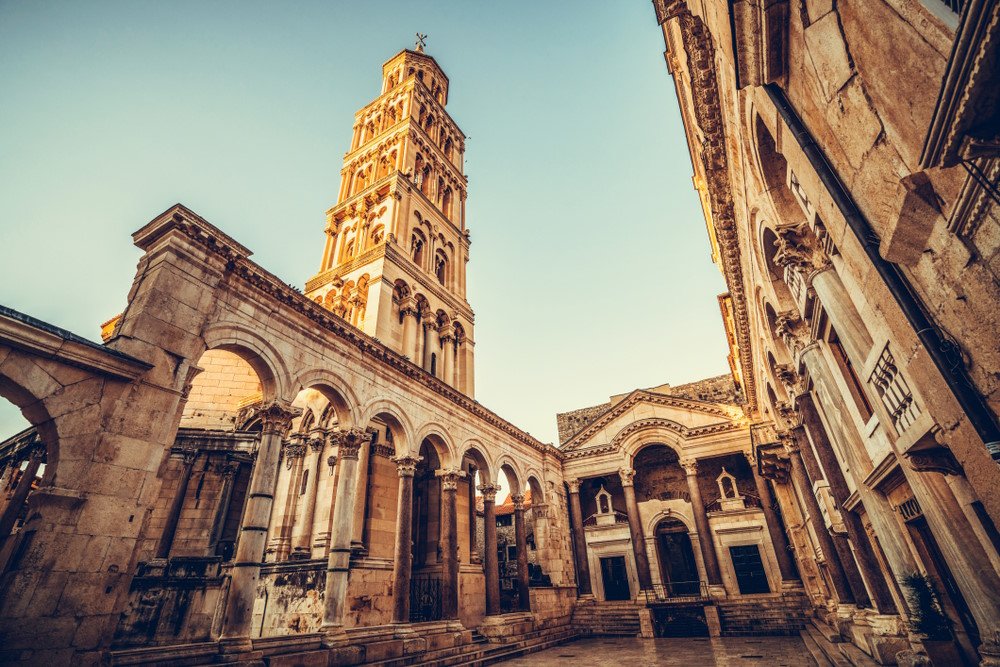
Diocletian’s Palace in Split, Croatia, was built around 300 AD by Emperor Diocletian as his retirement residence, after he became the first Roman emperor to step down voluntarily. The complex, part palace and part fortress, covers about 30,000 square meters. What makes it unique is that it never became a ruin: after the fall of Rome, local people moved into the palace and built their homes inside its walls.
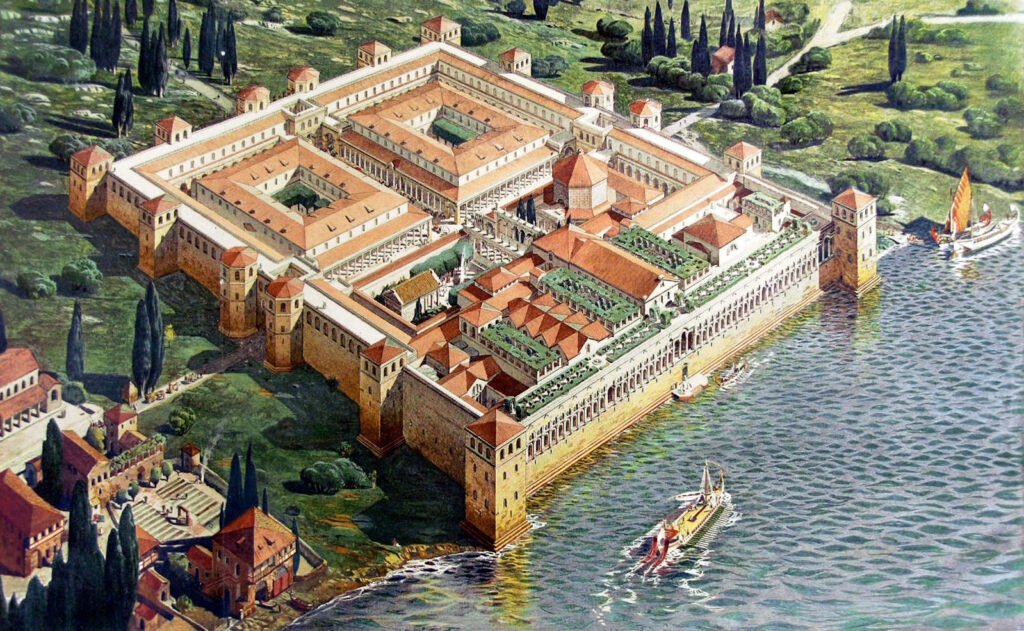
Today, the old town of Split still lives inside the palace, with shops, restaurants and around 3,000 residents. It is a UNESCO World Heritage Site and was used as a filming location for Game of Thrones.
5. Castel Sant’Angelo, Rome
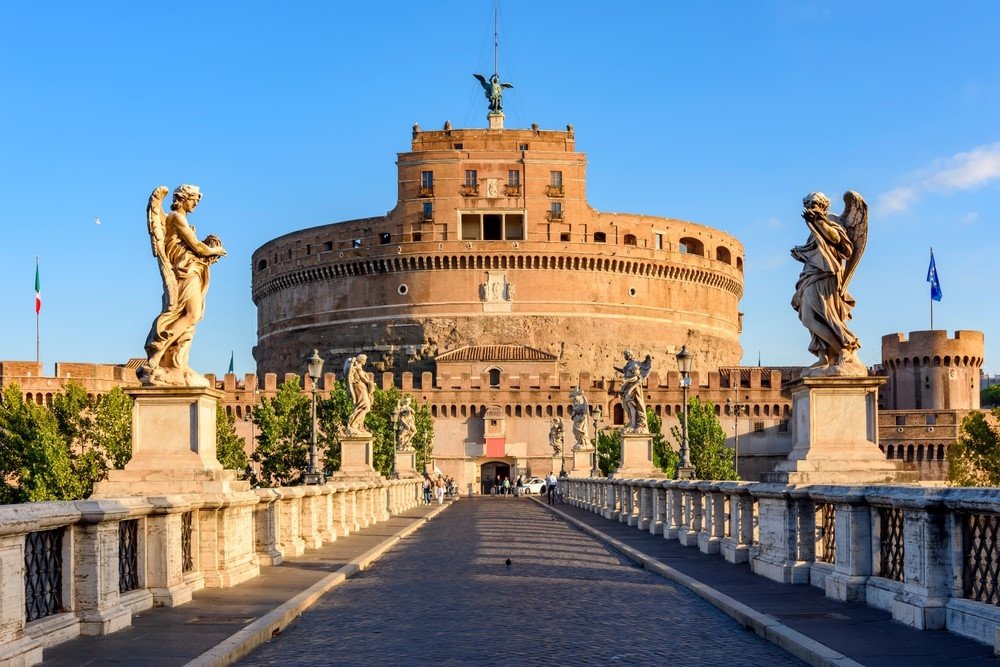
Castel Sant’Angelo started life as the Mausoleum of Hadrian, a giant cylindrical tomb for Emperor Hadrian and his family, completed around 139 AD. In the centuries that followed, it was turned into a fortress and later served as a papal residence, refuge and prison. A secret, fortified passage, the Passetto di Borgo, connects it to the Vatican, and popes fled along it during sieges of the city. Today, it is a museum with a great view over Rome.
6. Hadrian’s Villa, Tivoli

Hadrian’s Villa near Tivoli, about 30 kilometers east of Rome, was the luxurious private retreat of Emperor Hadrian, built in the 2nd century AD. This sprawling complex covers around 120 hectares and contains more than 30 buildings, including palaces, baths, temples and theaters.

The villa was designed like a small city, with gardens, fountains and courtyards. Hadrian, a great traveler, recreated places he had visited across the empire. One highlight is the Canopus, a long pool surrounded by columns and statues, named after a town in Egypt. Today, it is a UNESCO World Heritage Site.
7. Ara Pacis, Rome
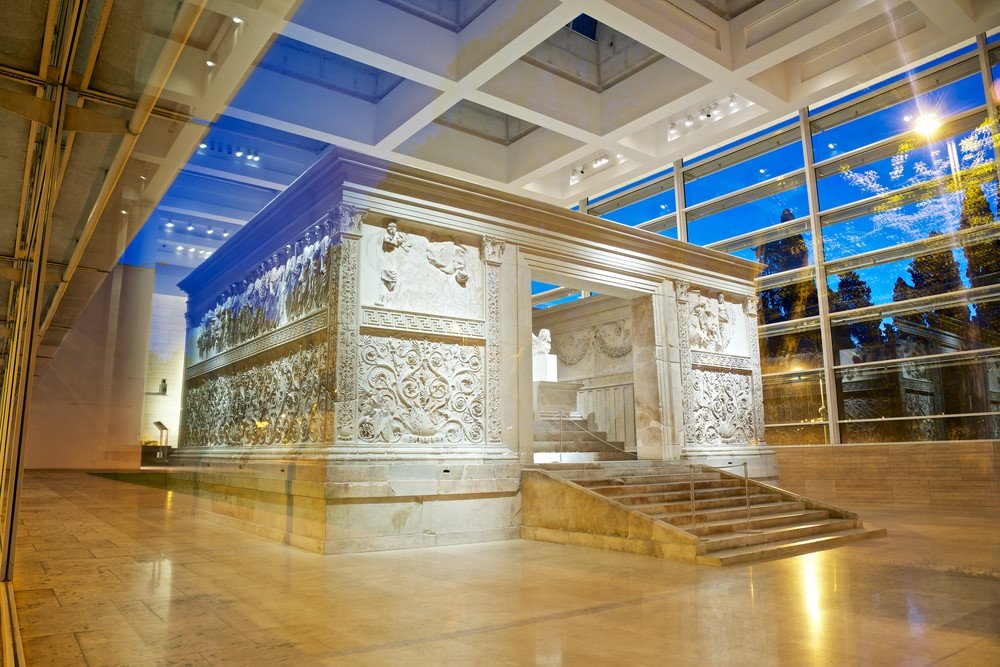
The Ara Pacis Augustae, or Altar of Augustan Peace, was commissioned by the Roman Senate in 13 BC to celebrate Emperor Augustus’ return from campaigns in Spain and Gaul, and consecrated in 9 BC. It is a masterpiece of Roman art, with detailed reliefs of the imperial family, officials and religious ceremonies.
The altar was lost for centuries. Fragments were rediscovered from the 16th century onwards, and it was reassembled in the 1930s. Since 2006, it has been displayed in a modern museum building designed by American architect Richard Meier.
8. Theater of Marcellus, Rome

The Theater of Marcellus was begun by Julius Caesar and completed by Emperor Augustus around 13 to 11 BC. Augustus named it after his nephew and son-in-law Marcus Claudius Marcellus, who had died young. It could hold an estimated 11,000 to 20,000 spectators.
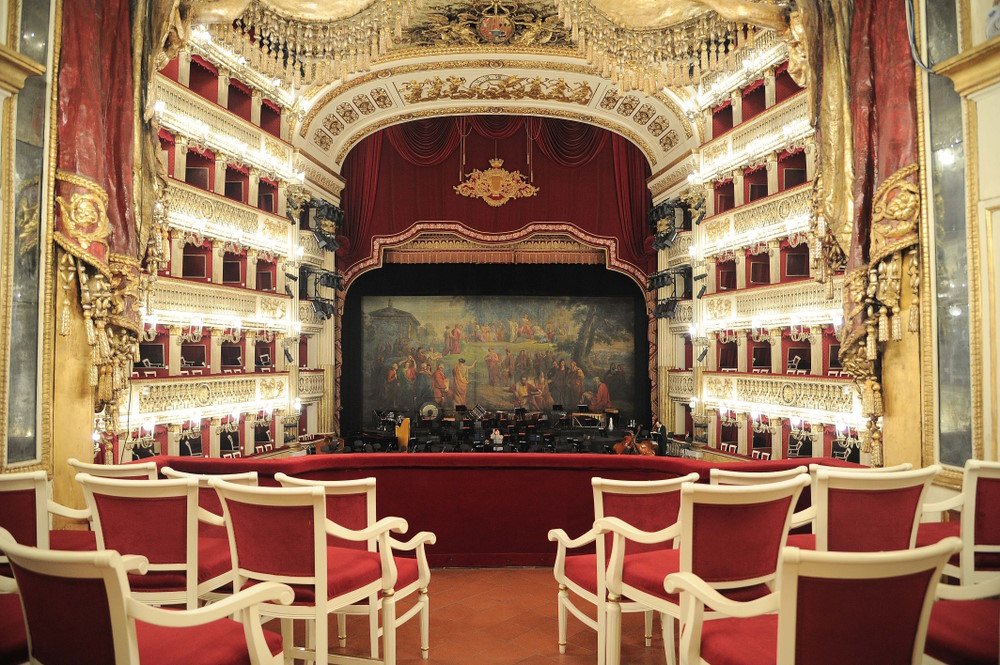
In the Middle Ages, it was turned into a fortress, and in the 16th century a palace was built on top of the ancient arches. Remarkably, the upper floors still contain private apartments today.
9. Baths of Caracalla, Rome
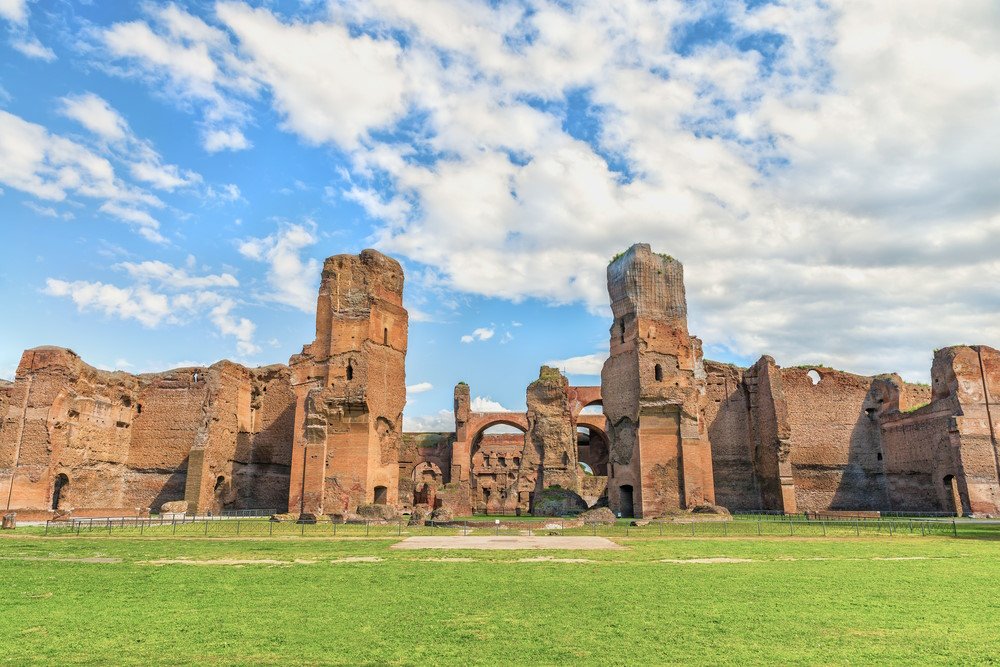
The Baths of Caracalla were huge public baths built in the early 3rd century AD under Emperor Caracalla. They could accommodate around 1,600 bathers at the same time. The complex included hot and cold baths, a swimming pool, steam rooms, gyms, gardens and even libraries. Today, the ruins are used as an open-air venue for opera and concerts in summer. The famous concert of the Three Tenors in 1990 was held there.
10. Tower of Hercules, A Coruña
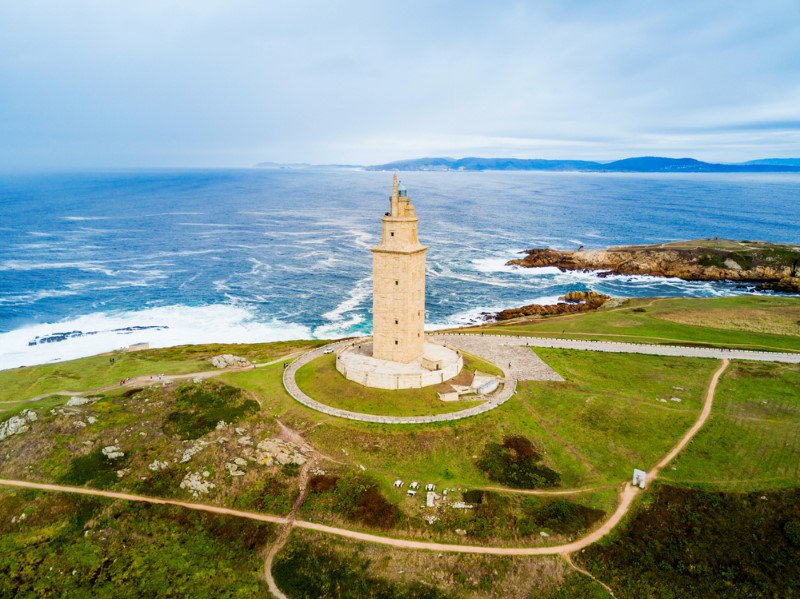
The Tower of Hercules is a Roman lighthouse in the city of A Coruña in northwestern Spain, built in the late 1st or early 2nd century AD, probably during the reign of Emperor Trajan. Its exterior was restored in the 18th century, but the Roman core is still intact. At 55 meters high, it is the oldest Roman lighthouse still in use, guiding ships along the Atlantic coast for almost 1,900 years. It is a UNESCO World Heritage Site.