Patience is a virtue, especially in architecture. Today, entire skyscrapers rise in a few years, but in the past, there were projects that outlasted generations and sometimes even centuries. Wars, lack of money and technical puzzles caused building sites to stand still for decades. Yet successors kept building on the dreams of their ancestors. These are ten structures that took the longest to build.
1. The Great Wall of China (around 2,000 years)
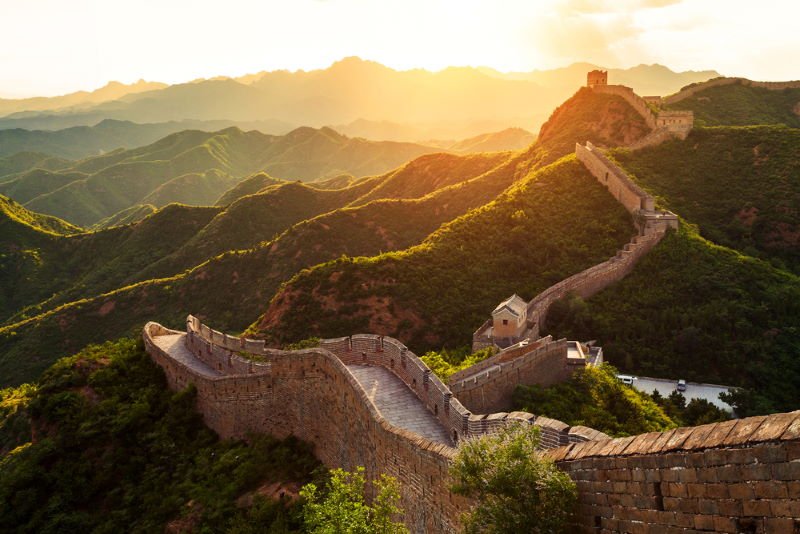
The Great Wall of China is not a single building, but a project that spanned more than twenty centuries. Construction of separate defensive walls began as early as the 7th century BC. Around 221 BC, the first emperor, Qin Shi Huang, linked several of them together, but most of the wall that tourists see today was built during the Ming dynasty, between the 14th and 17th centuries.
Under many different dynasties, walls were built, repaired and extended. According to a Chinese survey in 2012, all sections ever built add up to more than 21,000 kilometers. Millions of workers labored on it, and many died during construction.
2. Cologne Cathedral (632 years)
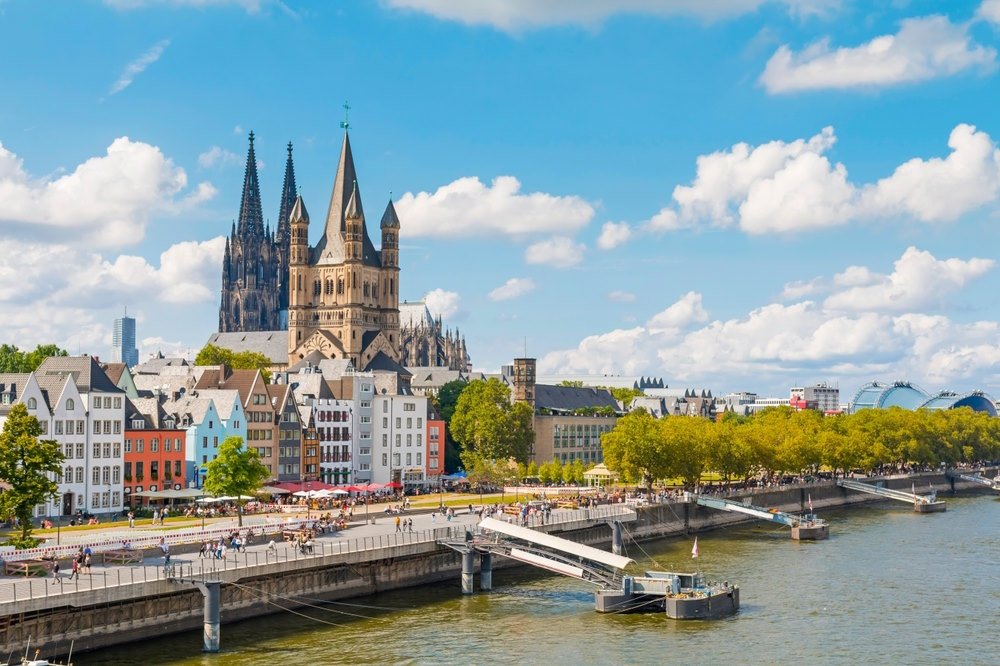
In 1248, the first stone was laid for what was meant to become the pride of Christendom. Construction progressed well at first, but money ran out and the Gothic style went out of fashion. Around 1560, work stopped completely. For more than 300 years, a huge medieval wooden crane stood on the unfinished south tower, a famous landmark of the city skyline.
Only in the 19th century, when the Romantic movement rediscovered the Gothic style, was the project resumed, partly based on rediscovered medieval plans. In 1880, the cathedral was finally completed, 632 years after construction began. At 157 meters, it was briefly the tallest building in the world.
3. Milan Cathedral (almost 600 years)

Construction of Milan Cathedral began in 1386, and the last details were only officially completed in 1965. The cathedral is one of the most detailed buildings on Earth, with 135 spires and thousands of statues. That extreme detail was one of the reasons for the slow progress: every piece of marble had to be carved by hand by generations of stonemasons.
Many architects worked on the design, each with their own ideas. Even Napoleon left his mark: he had the main facade completed in time for his coronation as King of Italy in the cathedral in 1805. The last bronze doors were only installed in the 1960s.
4. St. Vitus Cathedral, Prague (585 years)

Construction of St. Vitus Cathedral within Prague Castle took 585 years. The foundation stone was laid in 1344, but the Hussite Wars of the 15th century soon brought work to a halt. For centuries, the cathedral remained unfinished. In 1541, a great fire also destroyed parts of the structure.
Only in the 19th and 20th centuries was it truly completed. In 1929, just in time for the 1,000th anniversary of the death of Saint Wenceslas, the cathedral was finally finished.
5. York Minster (around 250 years)
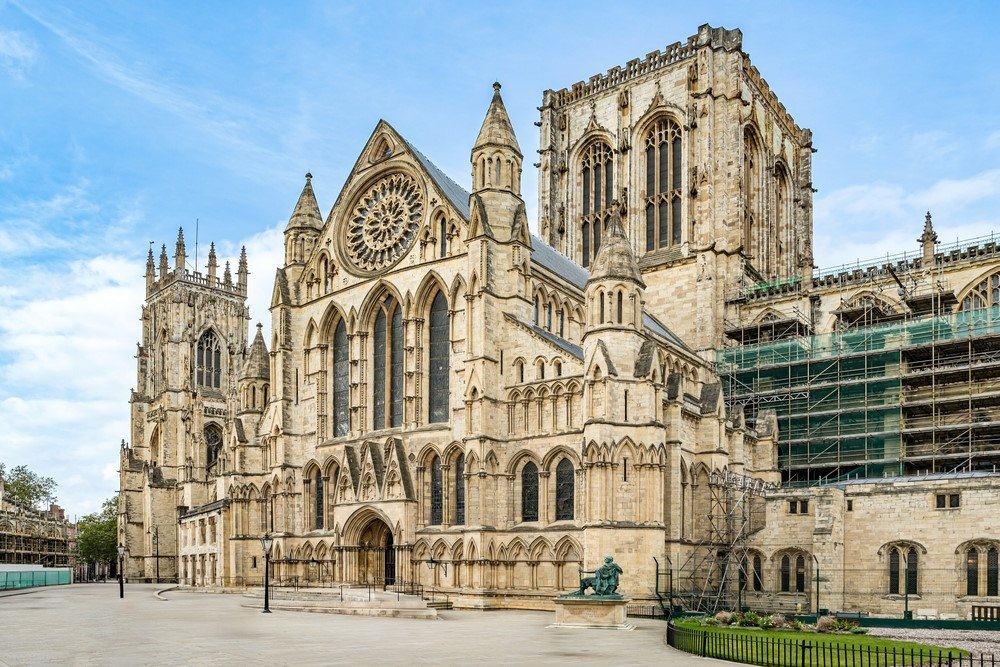
York Minster is one of the largest Gothic cathedrals in Northern Europe. Construction of the current building took around 250 years, from the 1220s to 1472. The project suffered setback after setback: the central tower even collapsed completely in 1407 and had to be rebuilt.
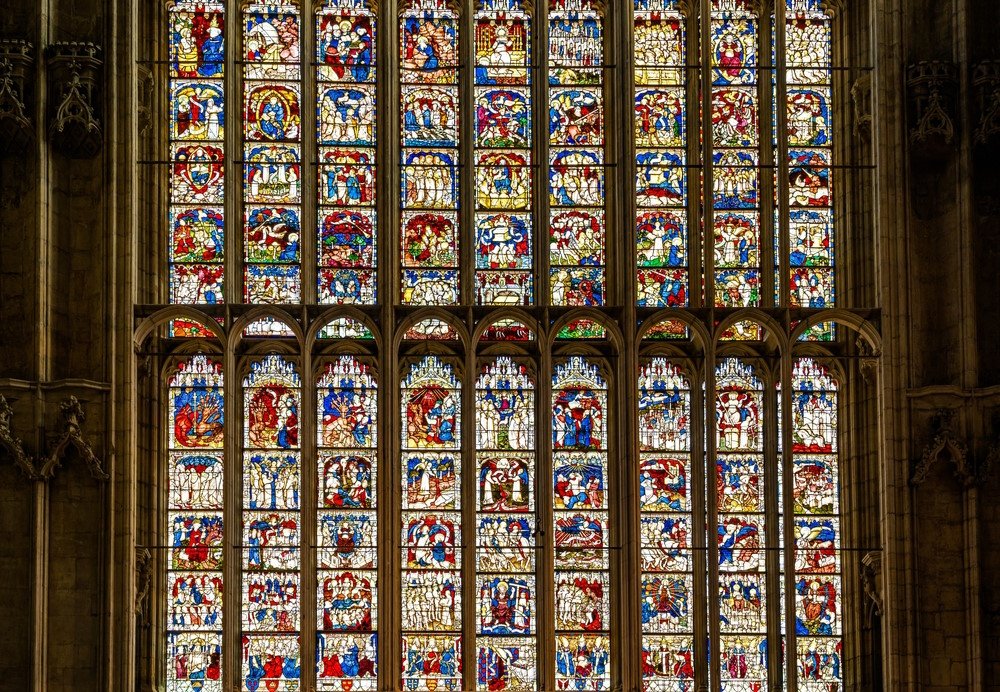
The cathedral is famous for its Great East Window, a stained-glass window roughly the size of a tennis court, and the largest expanse of medieval stained glass in the world. Because construction took so long, you can see the entire development of English Gothic architecture in the building.
6. Sagrada Família, Barcelona (since 1882)
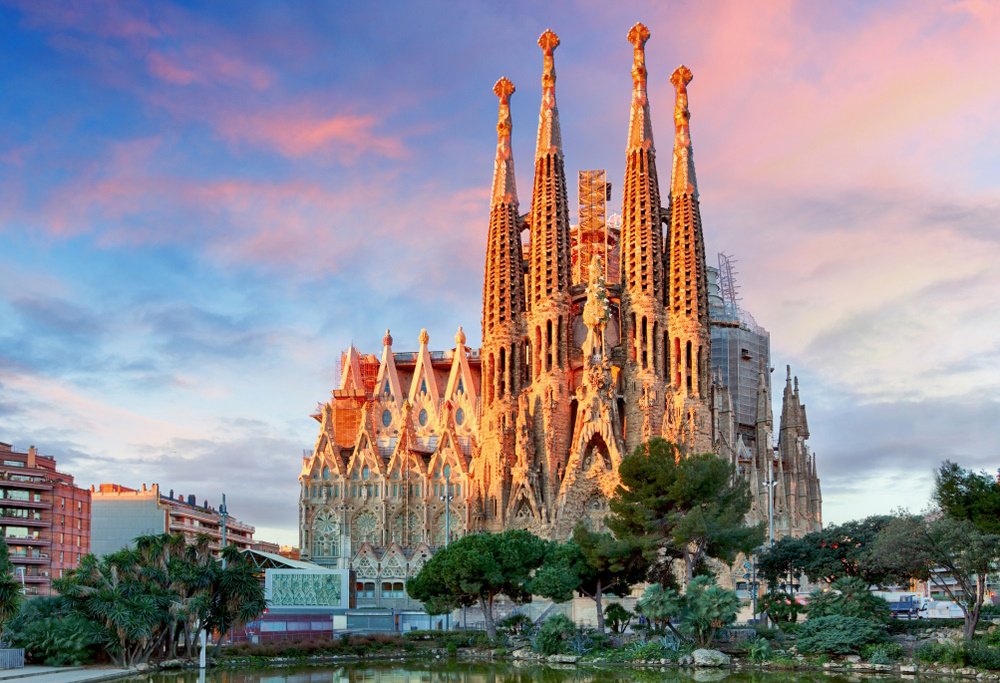
The Sagrada Família in Barcelona is the most famous ongoing building project in the world. Construction began in 1882, and architect Antoni Gaudí took over a year later. Gaudí worked on the basilica for more than forty years and knew he would never see it finished. “My client is not in a hurry,” he reportedly said, referring to God.
During the Spanish Civil War, much of his workshop, including plans and plaster models, was destroyed. Today, modern technology, such as computer modeling and 3D printing, is speeding up construction considerably. The main tower, the Tower of Jesus Christ, was due to be completed in 2026, a hundred years after Gaudí’s death, but work on the facades and other parts is expected to continue into the 2030s.
7. St. Peter’s Basilica, Rome (120 years)

The construction of the new St. Peter’s Basilica took 120 years, from 1506 to 1626. The greatest artists of the Renaissance worked on it: Bramante started, Michelangelo designed the iconic dome at the age of 71, and later Bernini designed the famous square.
The project was so expensive that the popes increased the sale of indulgences to help pay for it. That contributed to Martin Luther’s protest in 1517, which led to the Reformation and the split of Western Christianity. St. Peter’s is therefore not only an architectural wonder, but also a building that changed the religious map of the world.
8. Notre-Dame de Paris (around 180 years)
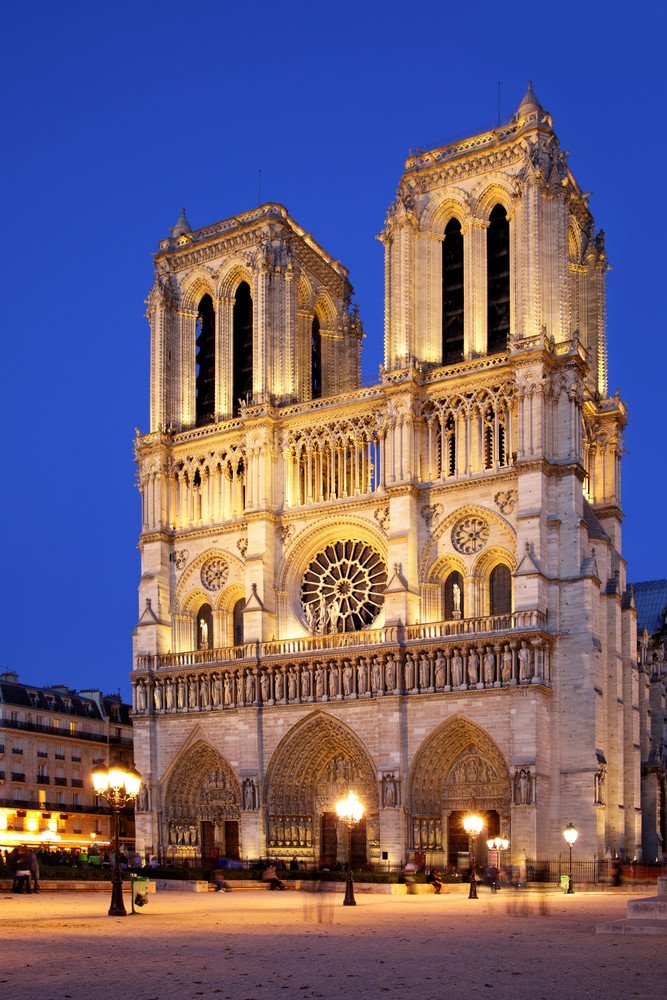
Notre-Dame de Paris was built between 1163 and around 1345. Over those 180 years, it became one of the first buildings to make large-scale use of flying buttresses, which made it possible to build higher walls with larger windows.
The cathedral survived the French Revolution and a major restoration in the 19th century. After the devastating fire of April 2019, which destroyed the roof and the spire, it was restored at record speed: in December 2024, after just over five years, it reopened to the public.
9. Westminster Abbey, London (500 years)

Westminster Abbey is a building that was never really “finished”. The current Gothic church was begun under King Henry III in 1245, and construction continued for centuries. The famous western towers were only completed in 1745, to a design by architect Nicholas Hawksmoor.
Because the abbey is where British monarchs are crowned, the building has been constantly adapted and extended. It contains the tombs of kings and queens, but also of scientists such as Isaac Newton and Charles Darwin.
10. Florence Cathedral (140 years)
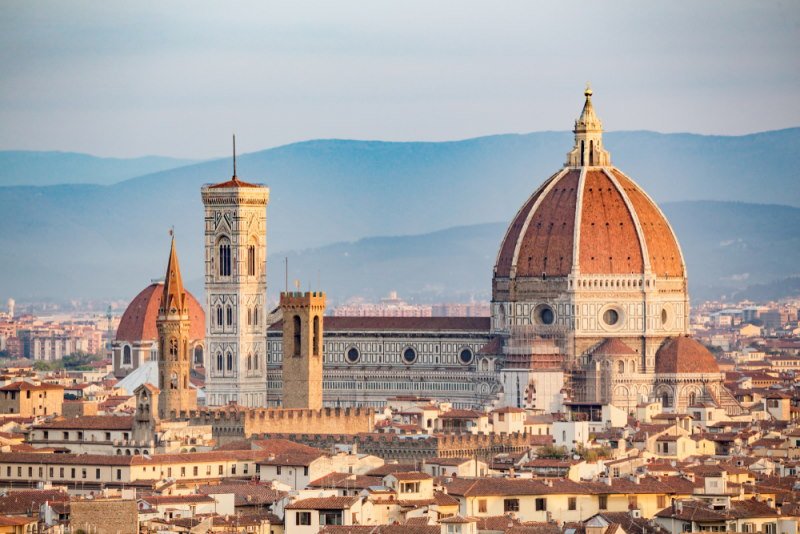
Florence Cathedral was built between 1296 and 1436. Construction went smoothly until the builders reached the roof: nobody knew how to build a dome around 45 meters wide without it collapsing during construction. For decades, the cathedral had a huge hole where the dome should have been.
The solution came from Filippo Brunelleschi, who designed a double-shelled dome that supported itself during construction. He had to invent new lifting machines and a new way of laying bricks. When the dome was completed in 1436, it was not only the end of 140 years of building, but also one of the great symbols of the Renaissance.