As humans, we are used to communicating easily with each other. And if we do not speak the same language, we can still get a long way with body language. But how do animals do it? They too need ways to warn each other, find partners and share information, and some of their methods are truly remarkable. These are ten impressive ways in which animals communicate.
1. Prairie dogs can describe people
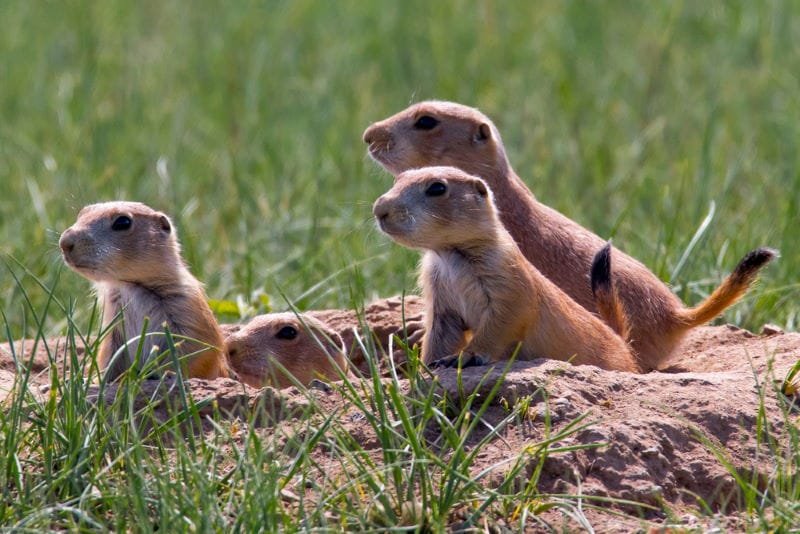
Prairie dogs are small rodents that live in colonies on the grasslands of North America. They are preyed upon by many animals, so it is vital to warn each other when an enemy approaches. They have a complex system of alarm calls for that purpose.
Research by biologist Con Slobodchikoff showed that prairie dogs have different calls for different predators, such as hawks, coyotes and humans. Even more remarkable: their calls seem to include information about the size, shape and color of an intruder, and how fast it is moving. In experiments, they even used different calls for people wearing different colored shirts.
2. The waggle dance of honeybees
When a honeybee has found a good source of food, she returns to the hive and performs a “waggle dance” on the honeycomb. The direction of the waggling part of the dance, relative to straight up, shows the direction of the food relative to the Sun, and the duration of the waggle shows the distance. Other bees follow the dance and fly straight to the flowers, which can be kilometers away. The Austrian scientist Karl von Frisch received a Nobel Prize in 1973 for decoding this dance.
3. Treehoppers communicate through vibrations

Treehoppers spend most of their lives on twigs and plant stems, so it is no surprise that they use these plants to communicate. By vibrating their bodies, they send tiny vibrations through the stems, which other treehoppers pick up through their legs. They use this to signal that they have found food, to warn of danger and, in the case of adults, to attract a partner. The vibrations are so small that we cannot hear them without special equipment, but when recorded, they sound like a strange mixture of hums, clicks and calls.
4. Caribbean reef squid make patterns on their bodies

Caribbean reef squid take the idea of body language very literally. Their skin is full of special pigment cells that can change color in a fraction of a second. They use this not only to hide, but also to communicate: they change color and pattern to attract a partner, to warn off rivals or to signal aggression. A male can even show a courtship pattern to a female on one side of his body and a warning pattern to a rival on the other side at the same time.
5. Elephants communicate over long distances

Elephants do not need a phone to talk to each other over long distances. They produce very low rumbles, partly at frequencies too low for us to hear, called infrasound. These sounds can travel several kilometers through the air and even through the ground. Elephants are thought to pick up ground vibrations with sensitive cells in their feet and trunk. Researchers also found that elephants seem to address each other with individual “names”.
6. Humpback whales sing complex songs
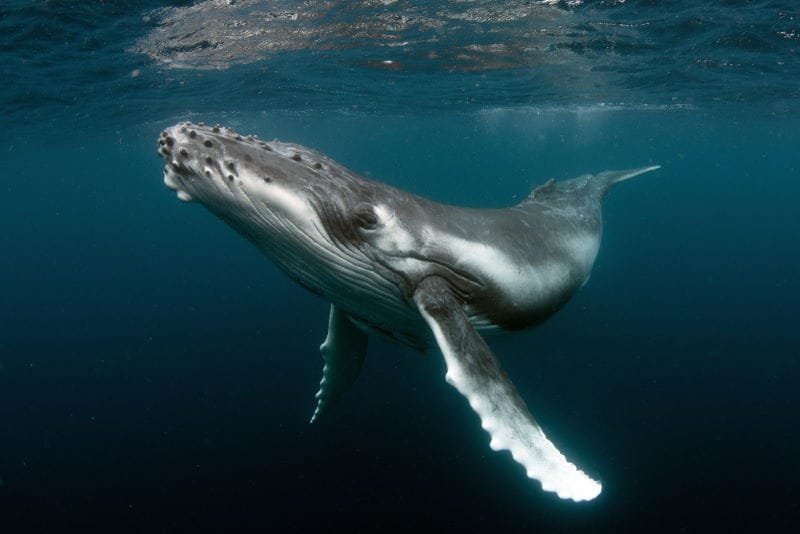
Male humpback whales are famous for their songs, probably used to attract females or compete with other males. A song consists of themes that are repeated in a fixed order and can last for up to half an hour, and males can keep singing for hours. All males in a population sing roughly the same song, which slowly changes over time. Sometimes a completely new song spreads across an entire ocean basin within a few years, like a hit single.
7. Blind mole rats bang their heads
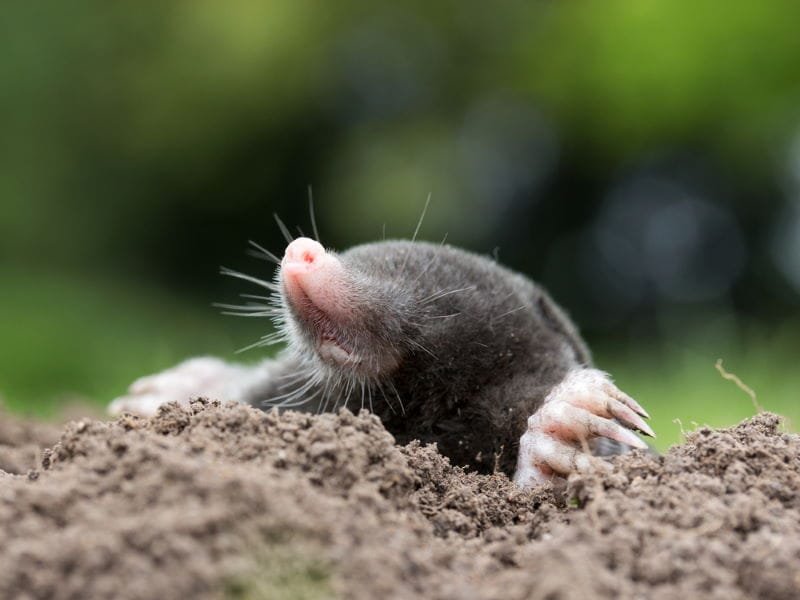
Blind mole rats live in dark underground tunnels, where visual signals are useless. Instead, they communicate by banging their heads against the roof of their tunnel. The vibrations travel through the soil and can be felt by other mole rats in neighboring tunnels. They use special patterns of thumps to announce their presence, warn off rivals and court partners.
8. Bats argue with each other
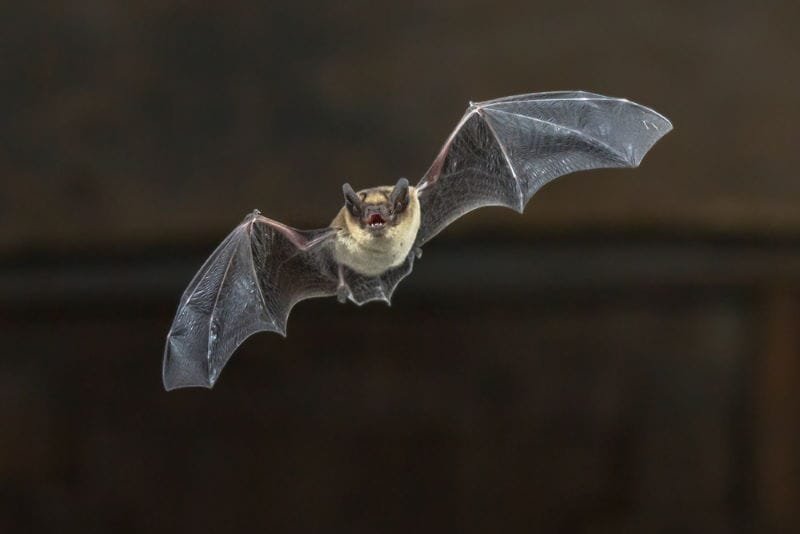
When you see a bat flying, you might think it is silent. But bats are constantly making sounds, mostly at frequencies too high for us to hear. Besides the echolocation calls they use to find their way and their prey, they also make social calls. Researchers who recorded thousands of calls from Egyptian fruit bats found that much of their “conversation” consisted of squabbles, about food, sleeping places and unwanted mating attempts, and that they addressed specific individuals.
9. Ravens use gestures
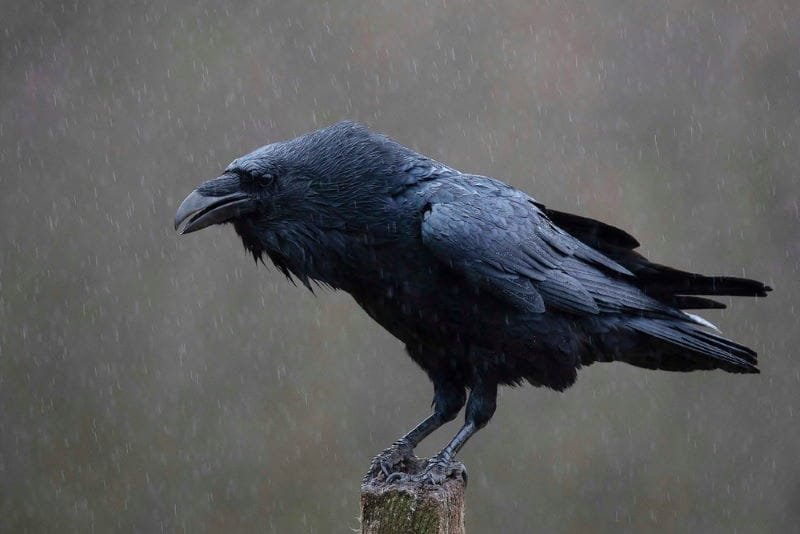
When people talk, they often use gestures to make their message clear. Ravens do something similar. Researchers observed wild ravens holding up objects, such as moss, stones or twigs, in their beaks to show them to a partner, a bit like pointing. These gestures seem to attract the attention of other ravens and may help to build or test their bond. It was one of the first examples of such gestures observed in wild animals other than primates.
10. Gorillas have a rich vocabulary
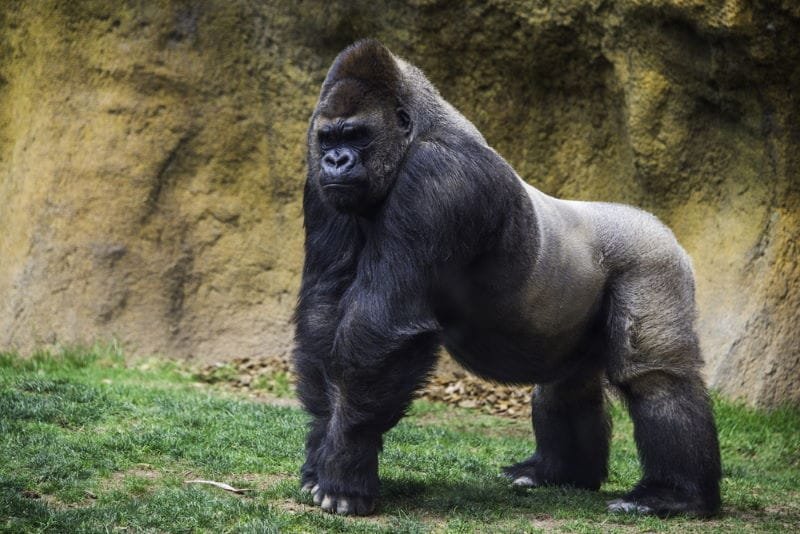
Gorillas use a wide range of sounds to communicate, from soft grunts that show contentment to loud roars and the famous chest-beating of silverback males. Research has shown that the sound of chest-beating carries information about the size of the male. Gorillas also sometimes hum and “sing” while eating. Silverbacks can even give off a strong odor when they are excited or stressed, which other gorillas can smell from a distance. Add to that countless facial expressions and gestures, and it is clear that gorillas have a rich language of their own.