In an age when AI-generated faces win photo contests, influencers are made of pixels and deepfakes look more convincing than real people, it can seem as if fame itself has become an illusion. But this is not an invention of the internet age. Long before computers existed, people believed in celebrities who were not real.
These are ten famous “people” who never existed, at least not as the world thought they did.
1. Sidd Finch
In 1985, Sports Illustrated published a sensational story about an unknown baseball pitcher named Sidd Finch. According to the article, Finch could throw a ball at 168 miles per hour, far faster than anyone in history, and had learned his skills in a Buddhist monastery in Tibet. The young New York Mets prospect pitched with one bare foot and one hiking boot, played the French horn and was undecided between baseball and a career as a musician.
The story was picked up by media around the world, and fans flocked to the Mets’ training camp. But there was a clue many had missed: the article appeared in the issue of 1 April, and the first letters of the words in the subtitle spelled “Happy April Fools Day”. Sidd Finch was invented by the writer George Plimpton, with fake photos featuring a friend of the photographer.
2. Alan Smithee

For decades, Hollywood had a remarkably productive director who made dozens of films and TV episodes: Alan Smithee. He worked in every genre, but nobody had ever met him.
The reason: Alan Smithee was an official pseudonym, introduced in 1968 by the Directors Guild of America, for directors who wanted to remove their name from a film that had been taken out of their hands by the studio. After the 1997 comedy An Alan Smithee Film: Burn Hollywood Burn, about a director actually named Alan Smithee, made the secret widely known, the pseudonym was officially retired in 2000.
3. JT LeRoy
In the late 1990s, the literary world was captivated by a young writer named JT LeRoy. His novels about a harrowing childhood full of abuse, drugs and life on the streets were praised as raw and honest. Celebrities embraced him, and a film was made of one of his books.
LeRoy appeared in public wearing sunglasses and a blond wig, and gave interviews by phone. But in 2005 and 2006, journalists revealed that JT LeRoy did not exist. The books had been written by Laura Albert, a woman in her thirties, and the shy person in the wig was played by her sister-in-law, Savannah Knoop.
4. Princess Caraboo
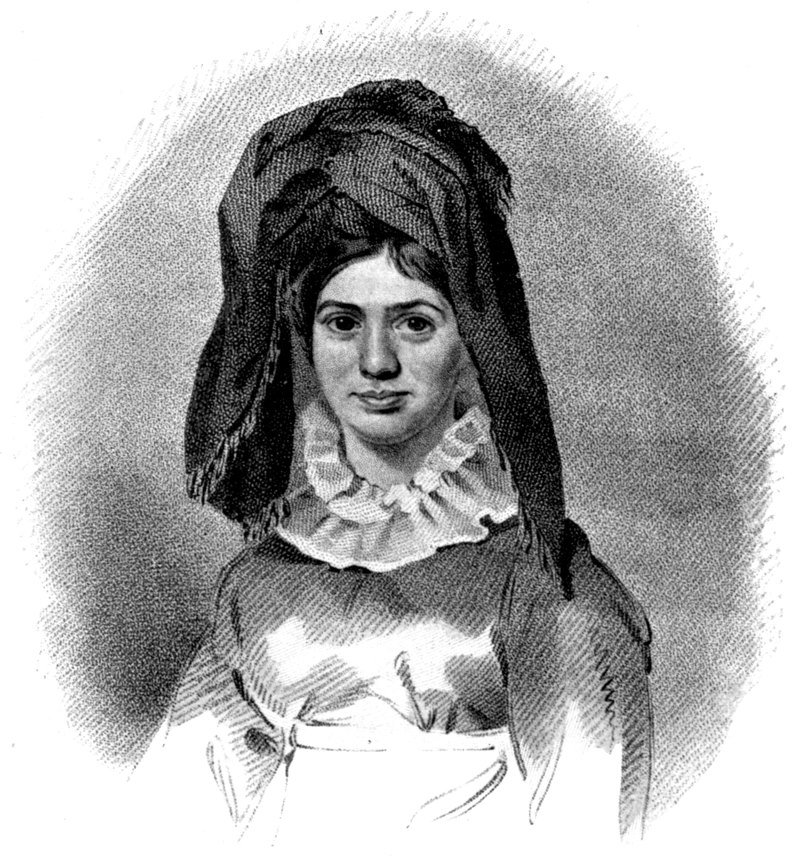
In 1817, a young woman in exotic clothing appeared in a village near Bristol, England. She spoke an unknown language and seemed not to understand English. With the help of a Portuguese sailor who claimed to understand her, she told how she was a princess from the island of “Javasu”, kidnapped by pirates, and had escaped by jumping overboard. The local gentry were fascinated and took her in.
After a few weeks, she was recognized by a woman from Bristol: “Princess Caraboo” was really Mary Baker, a cobbler’s daughter from Devon, who had invented her role and her language. She later traveled to America, where she briefly performed as Princess Caraboo, and eventually returned to England, where she sold leeches to hospitals.
5. LonelyGirl15
In the early days of YouTube, in 2006, a teenage girl named Bree began posting personal video diaries about her life, school and strict religious parents under the name LonelyGirl15. Viewers became deeply involved and believed she was a real teenager. Her videos were watched millions of times.
Within a few months, fans and journalists discovered that Bree was a fictional character played by actress Jessica Lee Rose, and that the videos were a professionally scripted web series. It was one of the first big online hoaxes, and it helped pave the way for the web series and influencers we know today.
6. David Manning
Around 2000 and 2001, the same name kept appearing in advertisements for films from Sony’s Columbia Pictures: “David Manning, The Ridgefield Press”. He praised films such as A Knight’s Tale and The Animal with enthusiastic quotes.
In 2001, a journalist from Newsweek discovered that David Manning did not exist: he had been invented by an employee of the studio’s marketing department. The Ridgefield Press, a small real newspaper in Connecticut, had never heard of him. The scandal led to a lawsuit, and Sony agreed to pay refunds to cinema-goers who felt misled.
7. Satoshi Nakamoto
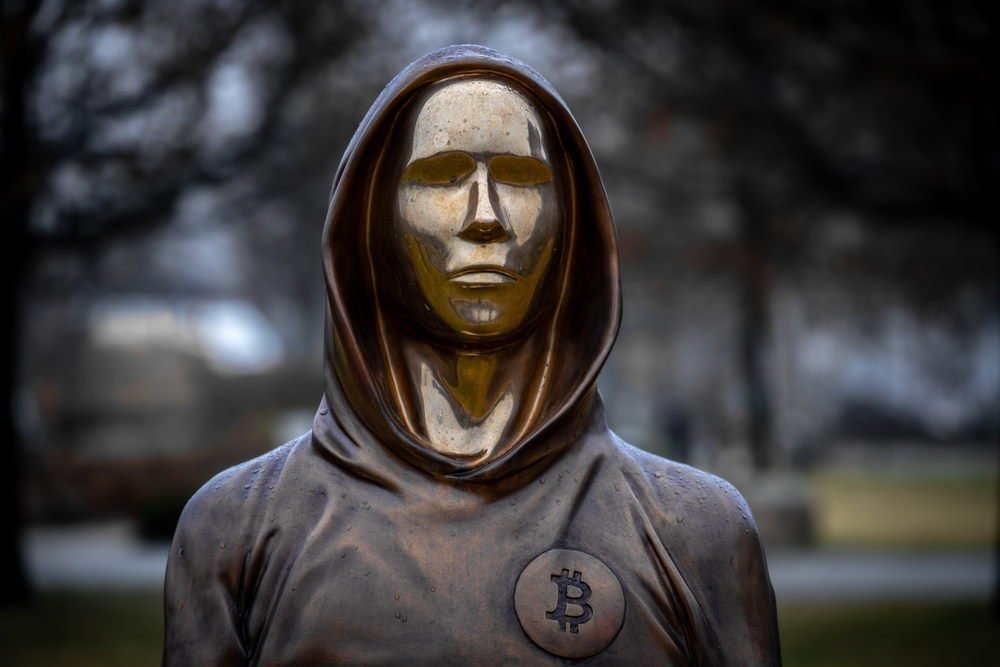
In 2008, someone using the name Satoshi Nakamoto published the white paper that laid the foundation for Bitcoin. Nakamoto worked on the project with other developers by email and on forums until 2010, and then disappeared from view.
Since then, there have been countless attempts to unmask “the real Satoshi”, and several people have been named or have even claimed to be him, but none of these claims has been convincingly proven. Whether Satoshi Nakamoto is one person or a group, the name belongs to someone who, as far as the public knows, does not exist. Bitcoin wallets linked to Nakamoto are believed to hold around a million bitcoins, which have never been touched.
8. Elena Ferrante
The Italian author behind the internationally acclaimed Neapolitan novels, including My Brilliant Friend, has published under a pseudonym since 1992. She gives interviews only in writing and has never appeared in public, while her books have been translated into dozens of languages and adapted for television.
Many have tried to discover who she is. In 2016, a journalist claimed, based on financial records, that the books were written by the translator Anita Raja, which caused outrage over the invasion of privacy. Researchers who compared writing styles have suggested her husband, the writer Domenico Starnone. Both have denied it. Ferrante herself has said that the books, not the author, should matter.
9. Lil Miquela
She wears designer clothes, has worked with brands such as Prada and Calvin Klein, has released music and has millions of followers on social media. But Lil Miquela is a computer-generated character.
This “virtual influencer” was created in 2016 by a start-up in Los Angeles and was given a complete personality, including emotions, friendships and even “dramas” with other virtual stars. For a long time, many followers were unsure whether she was real. She has been named one of the most influential people on the internet by Time magazine, which says something about the times we live in.
10. Aitana López
In 2023, a pink-haired Spanish fitness and fashion influencer called Aitana López appeared on Instagram. She posted photos, worked with brands and quickly gained tens of thousands of followers. Her creators, a Spanish marketing agency, openly present her as an AI creation, but many followers interact with her as if she were a real person. Some even send her private messages asking her out.
No person, no model, no real photos: only pixels and strategy. According to her creators, she earns thousands of euros a month. She represents a new type of celebrity: digital, profitable and entirely artificial.