Spreading across the northwestern flank of Mount Fuji, Aokigahara is an exceptionally dense woodland known as the Sea of Trees. This quiet forest holds deep geological wonder alongside a tragic cultural reputation that draws global curiosity. Here are ten facts about the mysterious history and folklore of Aokigahara.
10. Born from Ancient Volcanic Lava
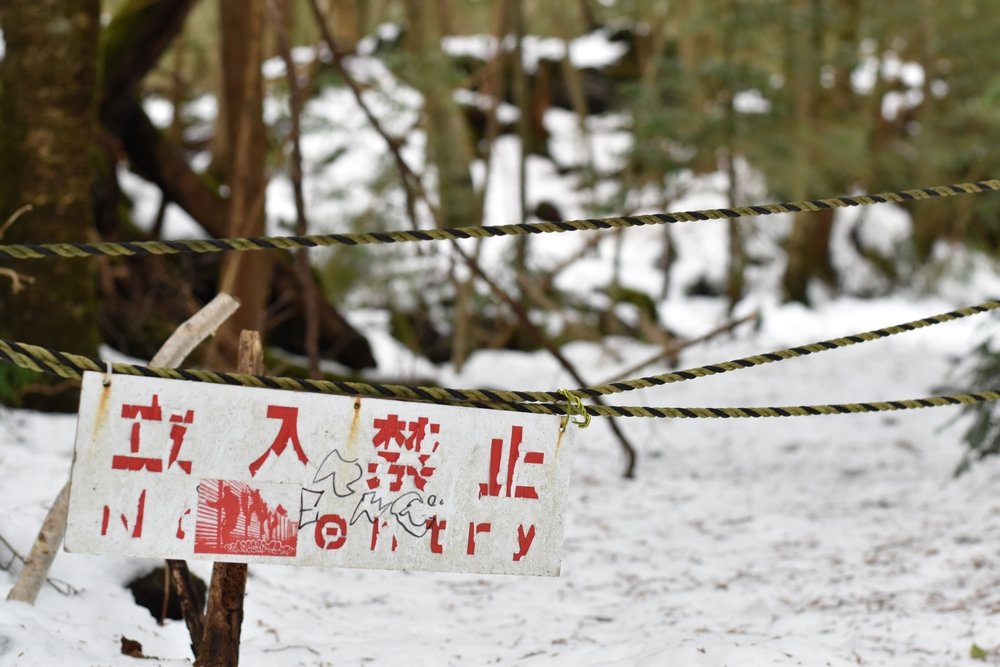
Aokigahara covers thirty square kilometers atop hardened volcanic basalt formed during a massive eruption of Mount Fuji in 864 AD. The porous volcanic rock absorbs ambient sound, creating an unnerving acoustic stillness where visitors hear only their own footsteps and rustling leaves.
Tree roots cannot easily penetrate the solid rock, forcing them to twist and sprawl across the forest floor in moss-covered knots.
9. The Ubasute Legend
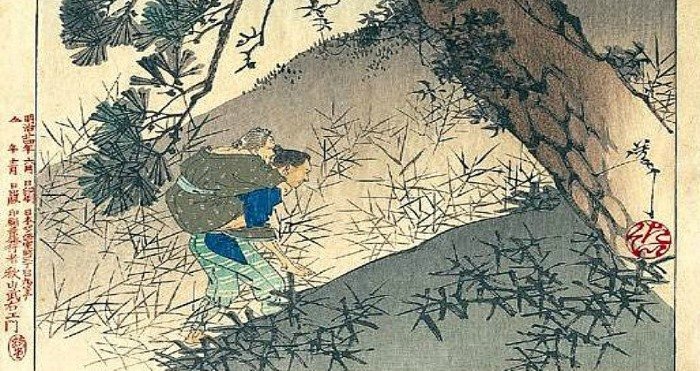
Japanese folklore associates Aokigahara with ubasute, a grim practice alleged to have occurred during severe historical famines. According to oral traditions, impoverished families carried elderly relatives deep into the wilderness to leave them to perish from exposure, conserving food for younger family members.
While modern historians consider ubasute mostly a dramatic folkloric motif rather than common practice, the legend cemented the forest’s reputation for suffering.
8. Yurei and Wandering Forest Spirits

In traditional Shinto and Buddhist spiritual beliefs, those who die in loneliness or distress become yurei, restless spirits bound to the physical realm.
Spiritualists claim that the trees of Aokigahara are saturated with negative spiritual energy accumulated over centuries of untimely deaths. Visitors frequently report optical illusions and feelings of being watched among the tangled trunks.
7. Compass Anomalies and Magnetic Rocks
Popular legends claim that navigational instruments are useless inside the Sea of Trees because underground deposits spin compass needles uncontrollably. The volcanic basalt does contain rich concentrations of natural magnetite, which can cause slight needle deflections when held directly against the rock.
Standard magnetic compasses held at waist height function normally, and modern GPS equipment works when tree cover permits satellite reception.
6. Plastic Ribbon Trails
Visitors who venture beyond official wooden boardwalks frequently notice brightly colored plastic ribbons tied from branch to branch. Search teams, researchers, and volunteers string these tape trails so they can safely retrace their path through the uniform terrain without getting lost.
Forestry officials periodically clean up old tape while leaving key routes marked for safety.
5. Patrolling Forest Rangers

Dedicated forest rangers and local volunteers patrol the main pathways of Aokigahara year-round. These workers look out for solitary hikers carrying only small bags, offering compassionate conversation, assistance, and contact with mental health professionals.
Their interventions save dozens of vulnerable individuals every year.
4. Warning Signs and Help Hotlines
At the entrances to popular trails near the Fuji Five Lakes, local authorities installed large billboards featuring heartfelt messages in Japanese.
The signs remind visitors that their lives are a precious gift from their parents and provide direct telephone hotline numbers for free, confidential counseling.
3. Influential Literature and Popular Media

The tragic modern association between Aokigahara and personal despair was popularized in 1960 by Japanese novelist Seicho Matsumoto in his bestselling book Kuroi Jukai (Black Sea of Trees), where two characters journey to the forest for their final moments.
In 1993, author Wataru Tsurumi featured the forest in his controversial guide. The setting later inspired Hollywood films such as The Sea of Trees (2015) and horror feature The Forest (2016).
2. Magnetic Caves and Ice Formations
Beneath the quiet forest canopy lies a network of ancient lava tubes, including the famous Narusawa Ice Cave and Fugaku Wind Cave.
Even during humid Japanese summers, internal temperatures inside these subterranean caverns hover near freezing, preserving thick pillars of ice year-round. Tourists regularly tour these illuminated geological structures without encountering the somber areas of the woodland.
1. Strict Privacy and Media Blackouts
To discourage copycat behavior and protect the dignity of grieving families, local Yamanashi prefecture authorities stopped publishing annual casualty statistics in the early 2000s.
Signage and tourism brochures focus strictly on the natural wonders of the national park, including guided nature walks and birdwatching excursions that highlight the rich alpine ecosystem.