The human body is not a solitary organism, but a thriving walking ecosystem inhabited by trillions of microscopic guests. From harmless face mites to mouth amoebas, countless organisms call your skin, hair, and organs home. Here are ten creepy organisms that live on and inside you right now without you even noticing.
10. Demodex: Microscopic Mites in Your Eyelashes
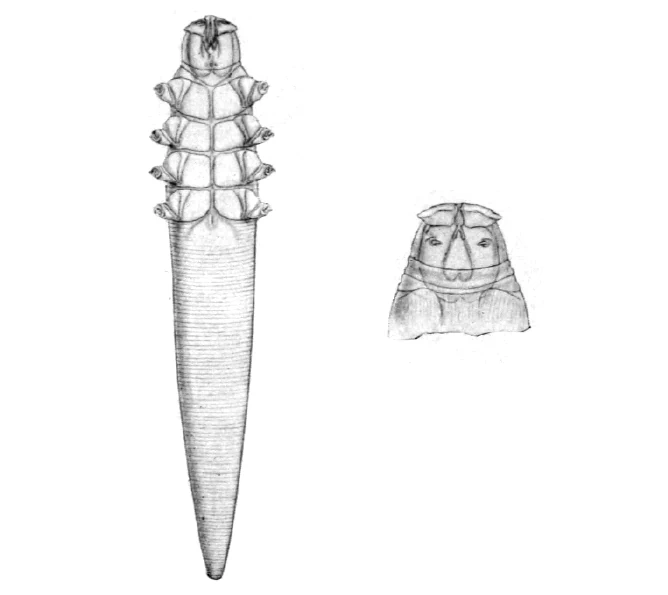
Virtually every adult human has thousands of microscopic eight-legged arachnids living inside their facial hair follicles and sebaceous glands. Known as Demodex folliculorum, these elongated mites crawl across your forehead, cheeks, and eyelashes at night while you sleep to feed on facial oils and mate.
Because they lack an anus, they accumulate metabolic waste inside their bodies throughout their two-week lifespan, decomposing harmlessly inside the pore upon death.
9. The Diverse Jungle Inside Your Navel

Researchers participating in the Belly Button Biodiversity project swabbed hundreds of human navels and discovered over two thousand distinct species of bacteria. The warm, protected cavity of the belly button acts as an untouched nature reserve for microbial life.
Scientists frequently find bacteria in human navels that were previously documented only in oceanic trenches or polar ice caps.
8. Malassezia: The Scalp Yeast Behind Dandruff
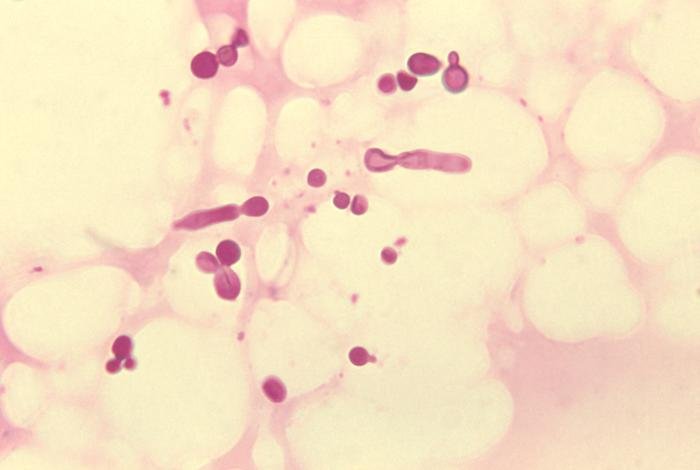
Malassezia is an opportunistic yeast fungus that resides on the oily surfaces of human skin, particularly across the scalp, neck, and upper back. The fungus consumes sebum secretions and leaves behind oleic acid as a byproduct.
For individuals sensitive to oleic acid, the skin responds with irritation, itching, and rapid cellular turnover, manifesting as frustrating dandruff flakes.
7. Candida: The Opportunistic Fungal Resident
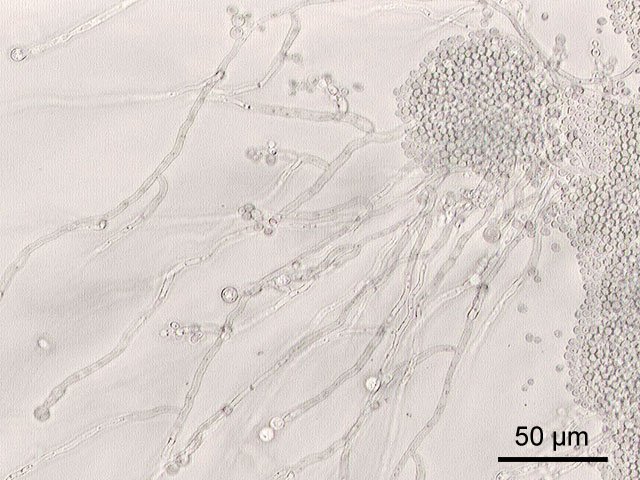
Candida albicans is a common yeast that quietly populates the oral cavity, digestive tract, and reproductive tissues of healthy individuals. Under normal circumstances, beneficial gut bacteria and the immune system keep fungal numbers strictly balanced.
When a course of antibiotics wipes out protective bacteria, Candida can proliferate rapidly, causing uncomfortable thrush infections in the mouth or skin folds.
6. Dental Biofilms and Oral Bacteria
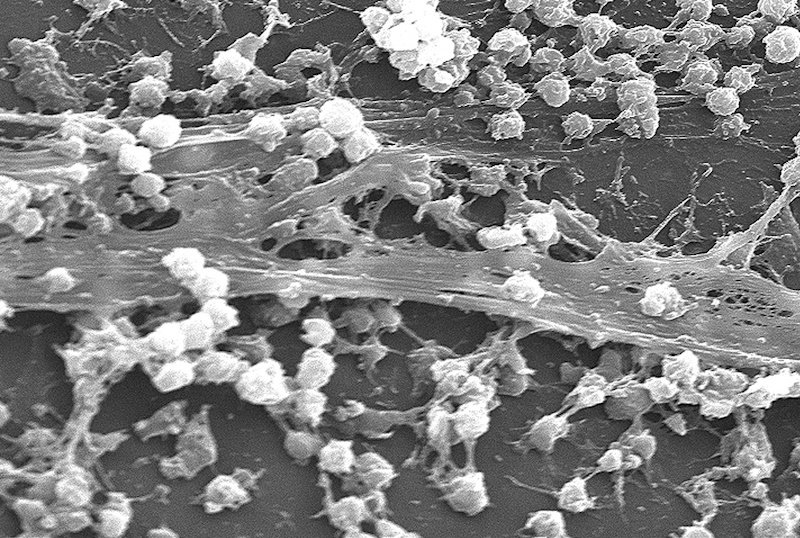
Your mouth hosts more than seven hundred species of bacteria that continuously collaborate to construct protective microscopic structures called biofilms. Within hours of brushing your teeth, these organisms secrete sticky polymeric substances that form dental plaque.
Left undisturbed, plaque bacteria ferment dietary sugars into lactic acid that slowly corrodes protective tooth enamel.
5. Entamoeba gingivalis: Amoebas in Your Gums

Discovered in 1849, Entamoeba gingivalis is a single-celled amoeba that crawls along human gum lines and dental crevices. Using creeping pseudopods, the microscopic predator feeds on cellular debris, food particles, and bacteria.
While harmless in clean mouths, high populations are frequently detected in patients suffering from advanced periodontal disease.
4. Trichomonas tenax: Microscopic Mouth Swimmers
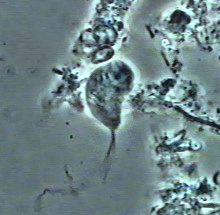
Another single-celled resident of the oral cavity is Trichomonas tenax, a pear-shaped protozoan equipped with four whipping flagella that propel it through saliva. This organism thrives in low-oxygen pockets between crowded teeth and beneath inflamed gum margins.
It cannot survive in the harsh stomach acid, meaning it spends its entire life cycle exclusive to human dental pockets.
3. Staphylococcus aureus in the Nose
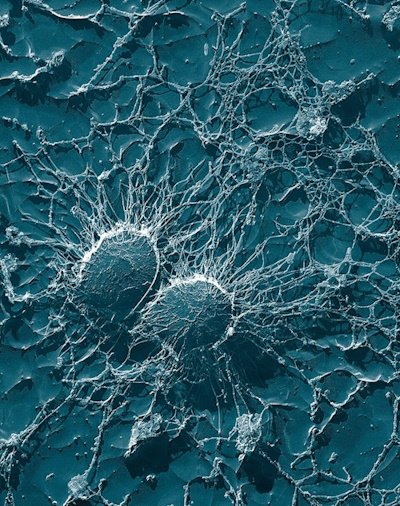
Approximately thirty percent of the human population carries Staphylococcus aureus bacteria inside their nasal passages without exhibiting any symptoms. These golden, spherical bacteria cluster together like bunches of grapes along the moist mucous membrane.
While usually peaceful roommates, they can cause serious skin and bloodstream infections if they enter deep open wounds or surgical incisions.
2. Pinworms: Nocturnal Intestinal Crawlers
Particularly prevalent among young school children, pinworms (Enterobius vermicularis) are small, white parasitic nematodes that inhabit the large intestine. At night, female worms migrate out of the rectum onto surrounding skin to deposit thousands of microscopic eggs.
The movement triggers intense itching, prompting scratching that transfers eggs onto fingers, bedsheets, and toys, restarting the contagious cycle.
1. The Trillions of Microbes in Your Gut
Deep inside your colon resides the human gut microbiome, an astonishing community of forty trillion bacteria, viruses, and fungi that outnumber human body cells. Far from harmful invaders, these symbiotic residents break down complex dietary fibers, synthesize essential vitamin K, and train immune responses.
Without this vast internal ecosystem working around the clock, human digestion and immune defense would completely collapse.