When two different species have offspring together, the result is called a hybrid. It usually only works between closely related animals, and the babies are often unable to have young of their own. But every now and then, nature, or a curious scientist, produces something truly bizarre.
From a cat bigger than a lion to a dolphin with a whale for a father, these are ten of the strangest hybrid animals in the world.
1. Liger: lion father, tiger mother
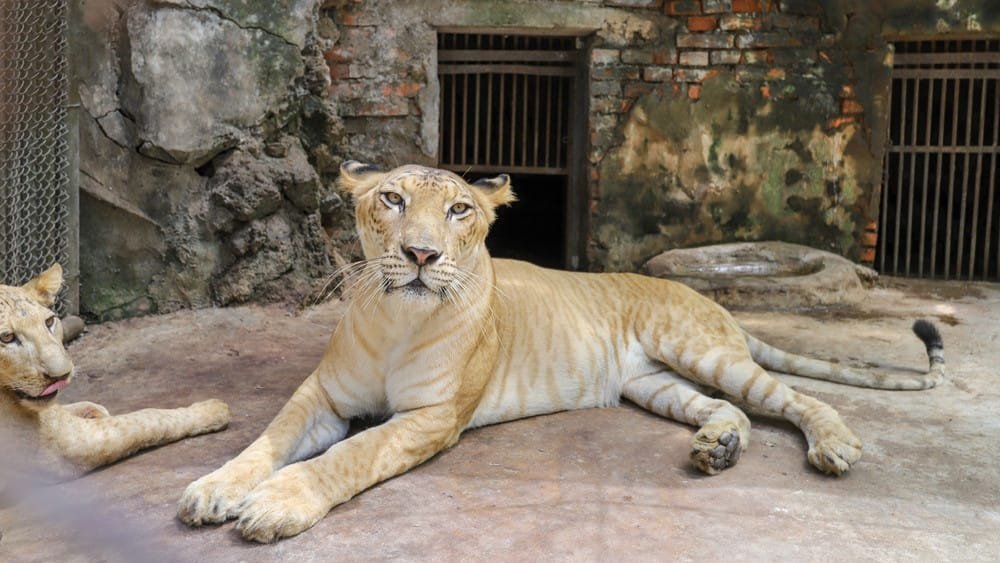
A liger is the offspring of a male lion and a female tiger. Strangely, ligers usually grow much bigger than both parents, because some of the genes that normally limit growth are missing in this combination.
A liger named Hercules was recognized by Guinness World Records as the largest living cat, weighing about 418 kilograms. The reverse cross, a male tiger with a lioness, is called a tigon, and tigons tend to stay smaller. Ligers only exist in captivity, since lions and tigers hardly ever meet in the wild.
2. Pizzly bear: half polar bear, half grizzly
In 2006, a hunter on Banks Island in the Canadian Arctic shot what he thought was a polar bear. DNA tests revealed it was a hybrid, with a polar bear mother and a grizzly father. It was the first confirmed case in the wild.
Since then, several more have been found, and a 2017 study showed that the known wild hybrids all descended from a single female polar bear. As the Arctic warms, grizzlies are moving further north, so encounters between the two species may become more common.
3. Wholphin: a whale and a dolphin
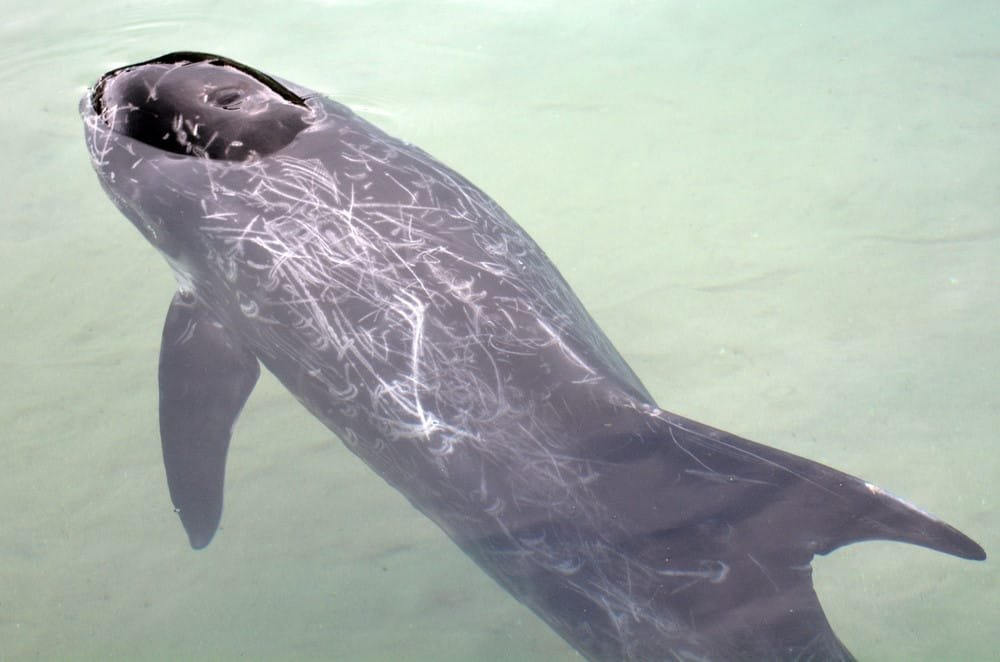
A wholphin is a cross between a false killer whale and a bottlenose dolphin. The most famous one, Kekaimalu, was born in 1985 at Sea Life Park in Hawaii, and, unlike most hybrids, she was able to have calves of her own.
Despite its name, the false killer whale is actually a large member of the dolphin family, which explains why the two species could breed at all. In the wild, wholphins have only been confirmed a handful of times.
4. Cama: a camel and a llama
A dromedary camel can be six times as heavy as a llama, so they will not mate on their own. Yet on January 14, 1998, a cama named Rama was born at the Camel Reproduction Centre in Dubai, through artificial insemination with a camel father and a llama mother.
The goal was an animal with the strength of a camel, the wool of a llama and a calm temper. Camas have short ears and a long camel-like tail, but no hump.
5. Geep: half sheep, half goat
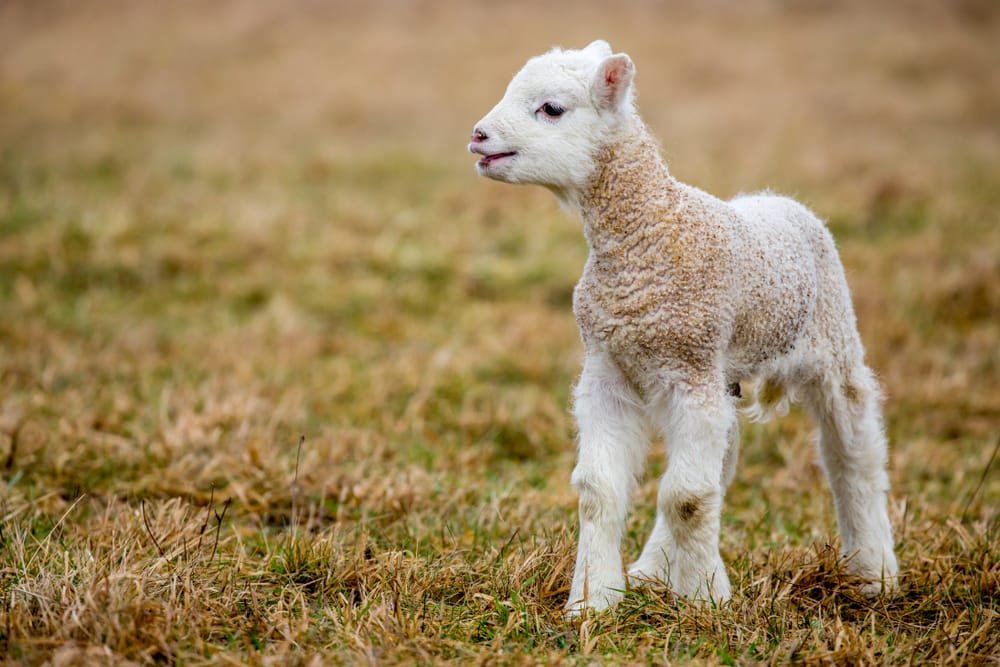
Sheep and goats look alike, but a sheep has 54 chromosomes and a goat has 60, so crosses almost never survive. In 2000, however, Botswana’s Ministry of Agriculture reported the birth of a geep, with a ram as father and a goat as mother.
The animal had 57 chromosomes, exactly in between, and was infertile. A true geep is different from a sheep-goat chimera, which is created in a lab by merging two embryos.
6. Mule: the most useful hybrid of all
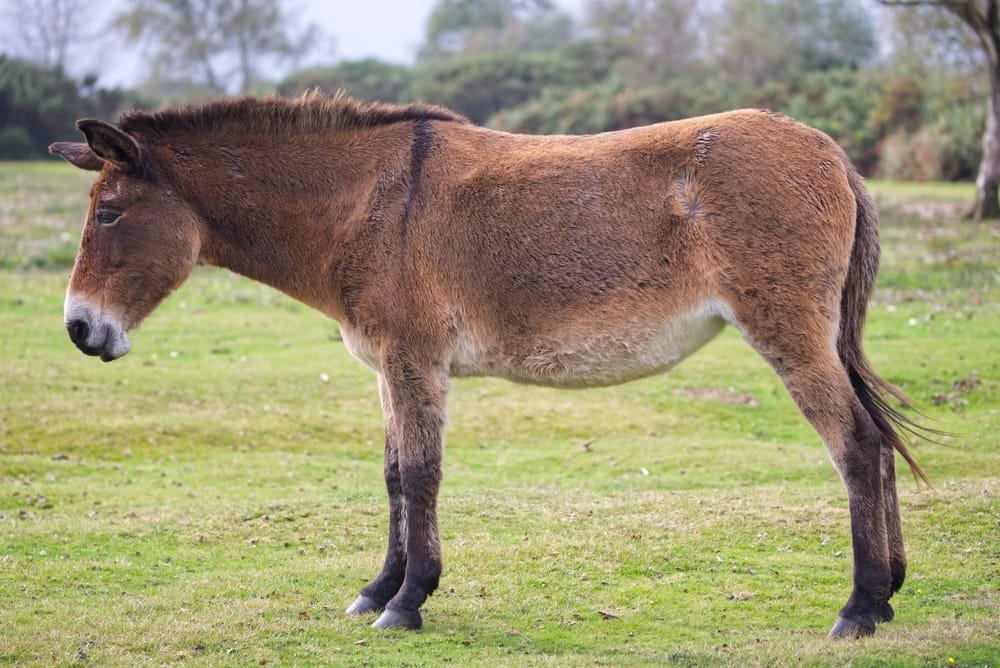
A mule is the offspring of a male donkey and a female horse. The reverse, a male horse with a female donkey, is called a hinny. Mules have been bred for thousands of years because they are stronger and hardier than horses and smarter and less stubborn than their reputation suggests.
A horse has 64 chromosomes and a donkey 62, so mules end up with 63, which makes them almost always infertile. Almost: since 1527, about 60 cases have been recorded of a female mule giving birth to a foal.
7. Zorse and zonkey: stripes on a horse

Crosses with zebras are called zebroids. With a horse you get a zorse, with a donkey a zonkey. They usually have the body shape of their mother and the stripes of their zebra father, often only on the legs or neck.
Depending on the species, a zebra has 32 to 46 chromosomes, very different from a horse or donkey, so zebroids are almost always unable to reproduce.
8. Savannah cat: a house cat with a wild side
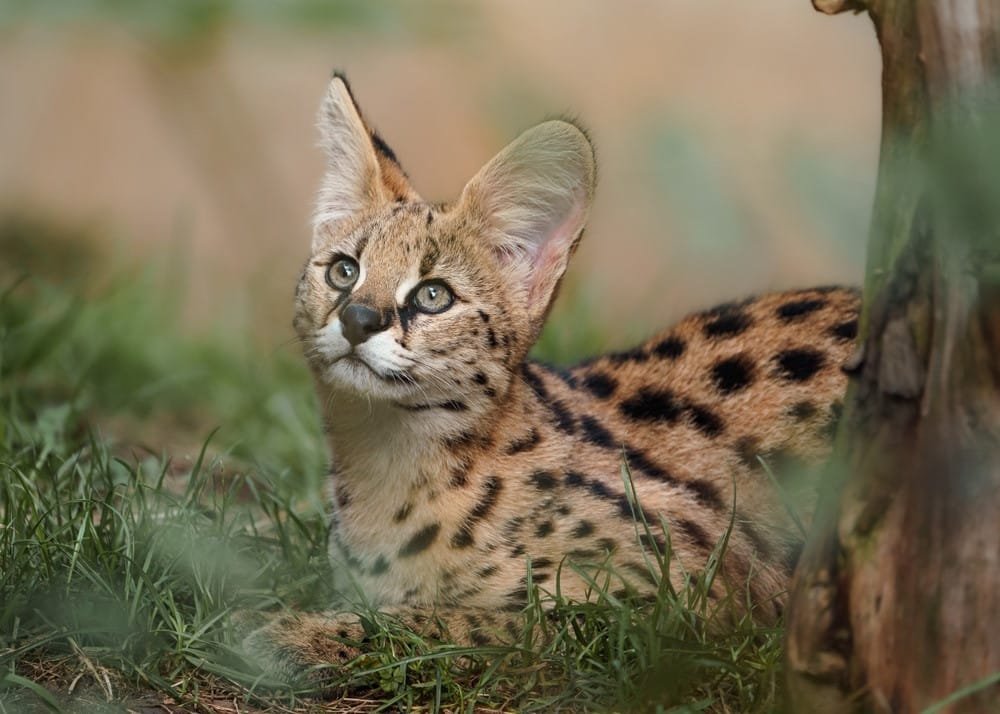
The Savannah is a cross between a domestic cat and a serval, a wild cat from Africa with long legs and huge ears. The first one was born on April 7, 1986, to a Siamese mother and a serval father.
First-generation Savannahs can grow as big as a medium-sized dog. Because of their wild ancestry, they are banned or restricted in several places, including Australia, some US states and a number of European countries.
9. Beefalo: less buffalo than you think
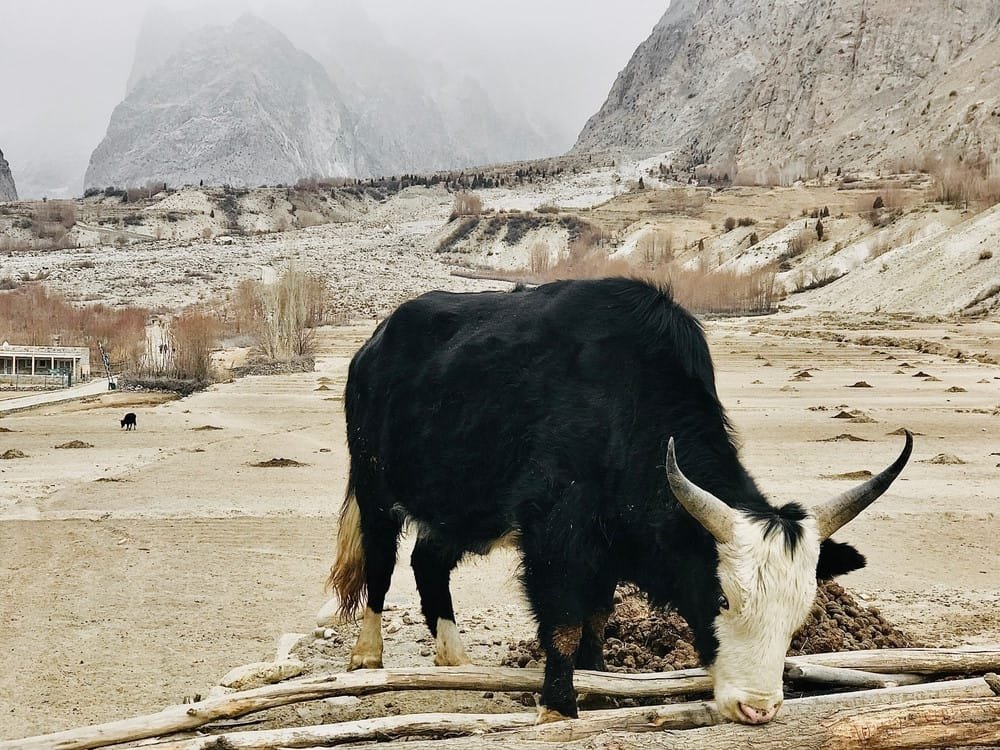
The beefalo is a cross between domestic cattle and the American bison. Accidental crosses were already noticed in North America in the 1700s, and breeders later tried to combine the hardiness of bison with the meat of cattle.
According to the breed association, a true beefalo is three-eighths bison. But when researchers tested their DNA, most had far less bison in them than claimed. It also works the other way: many American bison herds carry cattle DNA, and only a few herds are still considered completely pure.
10. Coywolf: a mix of three species
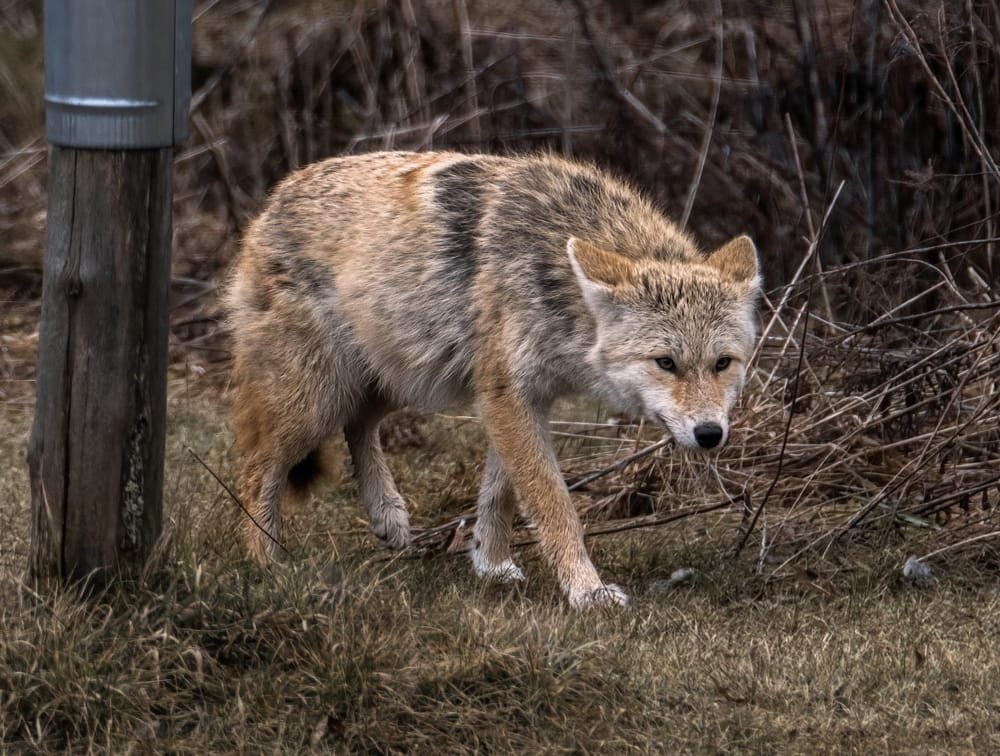
In eastern North America lives the coywolf, also called the eastern coyote. It is bigger than a coyote but smaller than a wolf, and it has thrived in a landscape changed by humans, even in cities like Toronto and New York.
Its DNA is a true cocktail. According to a 2016 study, it is mostly coyote, about a quarter wolf and roughly 10 percent dog.