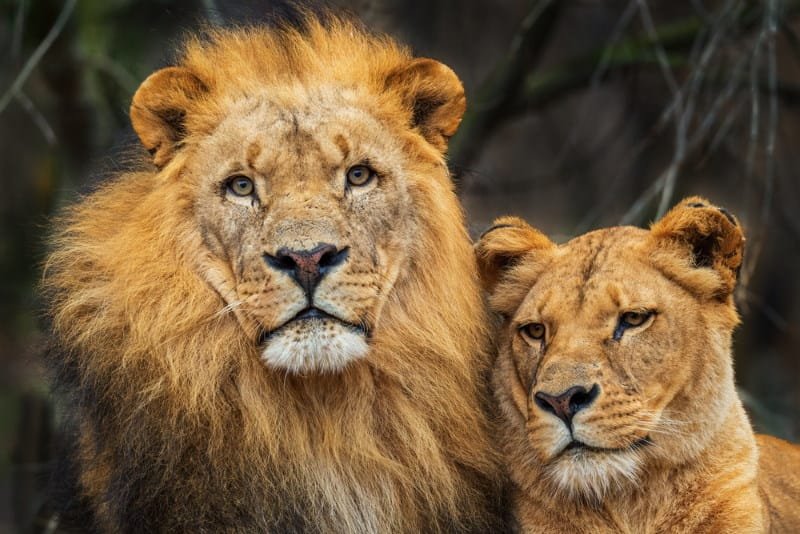
Lions are among the most impressive animals on Earth, but not every lion is the same. For a long time, scientists divided lions into around eight subspecies, based on where they lived and how they looked, from the size of their bodies to the color of their manes.
Genetic research has changed that picture. Since 2017, the Cat Specialist Group of the IUCN recognizes only two subspecies: the northern lion (Panthera leo leo), which includes the lions of Asia and of West, Central and North Africa, and the southern lion (Panthera leo melanochaita) of East and Southern Africa. The old names are still widely used for local populations, though. These are the eight traditional lion subspecies.
1. Asiatic lion
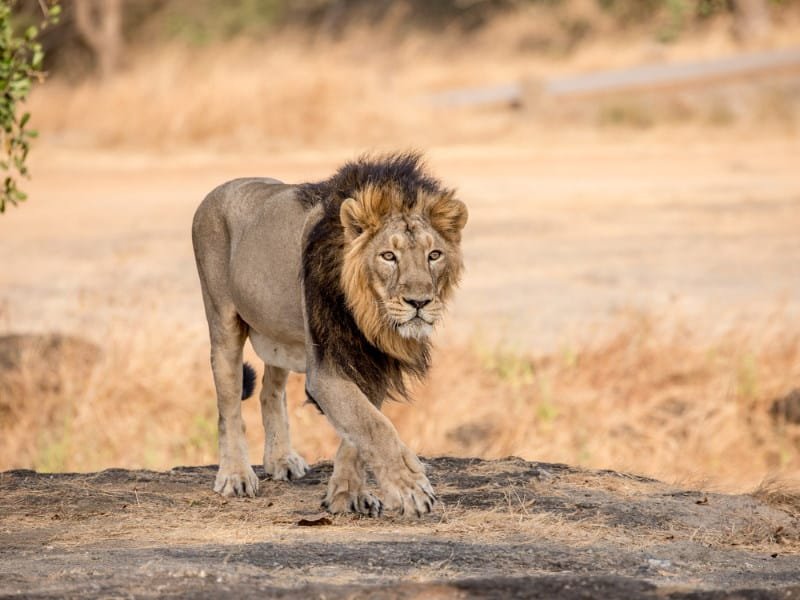
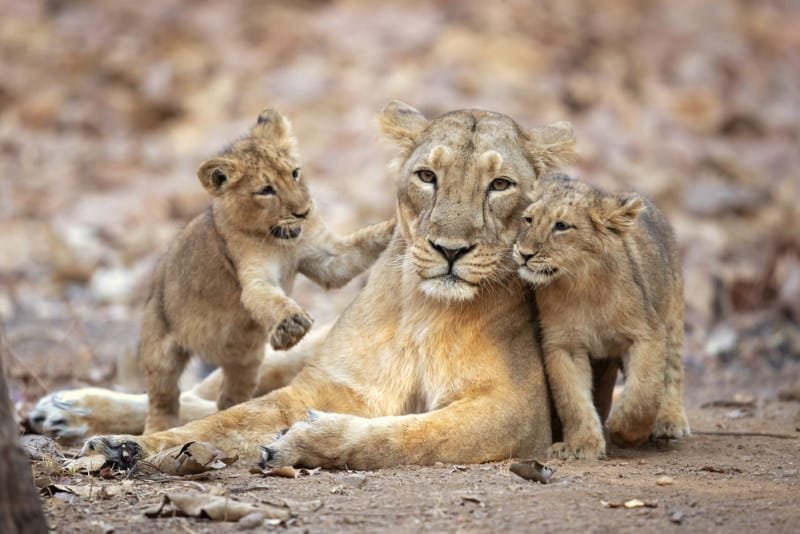
The Asiatic lion, also called the Persian or Indian lion, once roamed from Greece and the Middle East to India. Today, it survives only in and around Gir National Park in the Indian state of Gujarat. Asiatic lions are slightly smaller than most African lions, males have shorter manes, and they have a typical fold of skin along their belly.
In the early 20th century, there may have been only a few dozen left. Thanks to strict protection, their numbers have recovered: the most recent count, in 2025, found around 890 lions.
2. Barbary lion
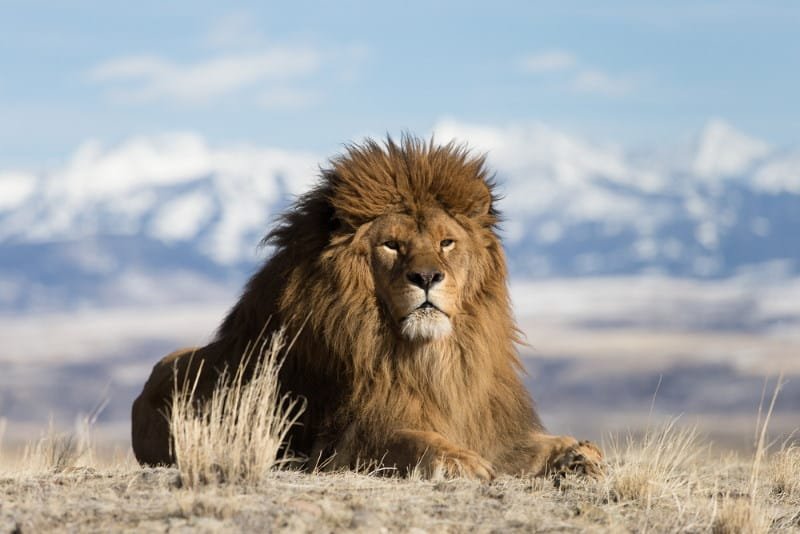
The Barbary lion, also called the Atlas lion, once lived across North Africa, from Morocco to Egypt. It was famous for the thick, dark mane of the males, which extended far along the belly. The Romans used these lions in their arenas. Because of hunting, the Barbary lion disappeared from the wild in the 20th century; the last confirmed wild lions were shot in Morocco in the 1940s, though some may have survived a little longer. Some lions in zoos, including those once kept by the King of Morocco, are believed to have Barbary ancestry.
3. West African lion
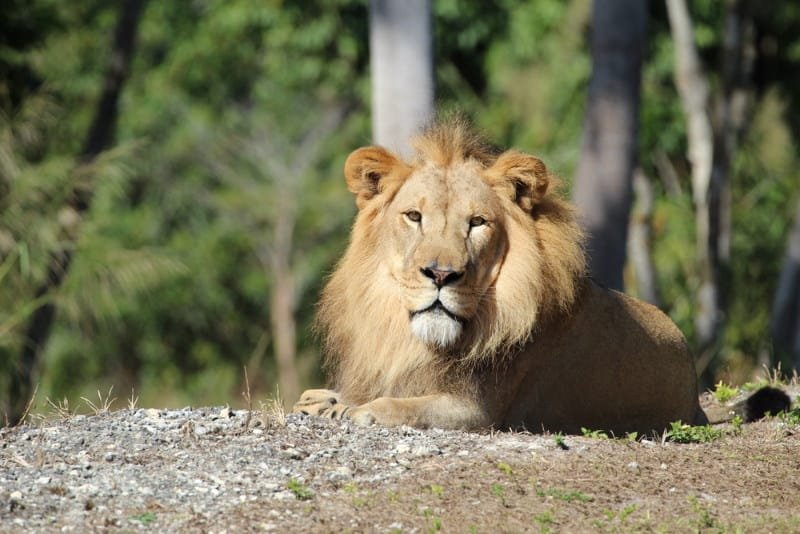
The West African lion, sometimes called the Senegal lion, lives in a few scattered areas in West Africa, such as Niokolo-Koba in Senegal and the W-Arly-Pendjari park complex in Benin, Burkina Faso and Niger. Genetically, these lions are more closely related to Asiatic lions than to lions in East and Southern Africa. They are critically endangered: there are probably only a few hundred left.
4. Congo lion

The Congo lion, or Central African lion, lives in parts of the Democratic Republic of the Congo and neighboring Uganda, including Murchison Falls and Kidepo Valley National Parks. In several places where lions used to be common, they have disappeared because of poaching, conflict with farmers and a lack of prey.
5. East African lion
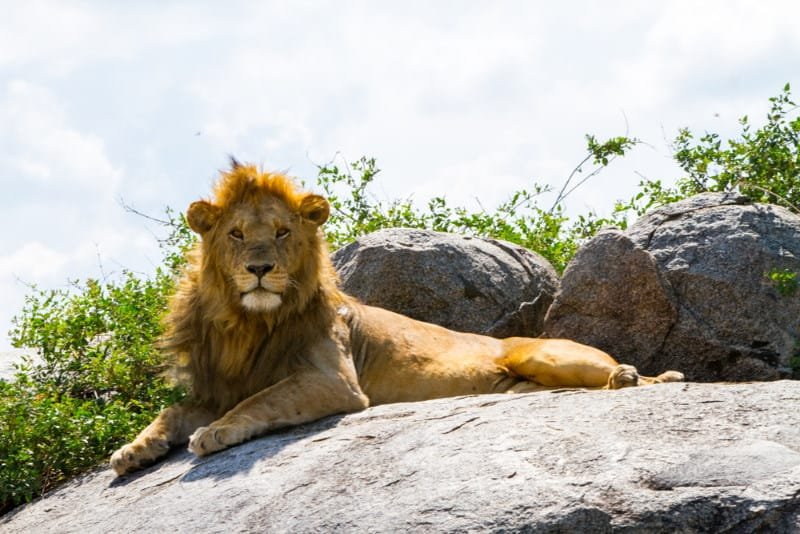
The East African lion, also called the Masai lion, is the lion of the famous safari parks of Kenya and Tanzania, such as the Masai Mara and the Serengeti. Males show a lot of variation in their manes: some have a full, dark mane, while others have a much thinner one. The famous maneless “man-eaters of Tsavo”, which killed workers building a railway in Kenya in 1898, were East African lions.
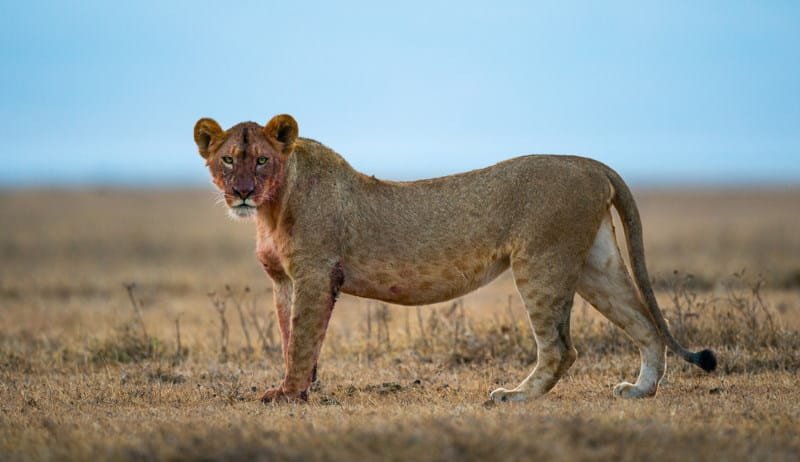
6. Southwest African lion
The Southwest African lion, also called the Katanga lion, lives in countries such as Namibia, Botswana, Zambia, Zimbabwe and Angola, and in the Katanga region of the Democratic Republic of the Congo, after which it is named. It is one of the largest lions, and males often have relatively pale manes. Lions in the Namib Desert of Namibia have adapted to survive in extremely dry conditions.
7. Southeast African lion
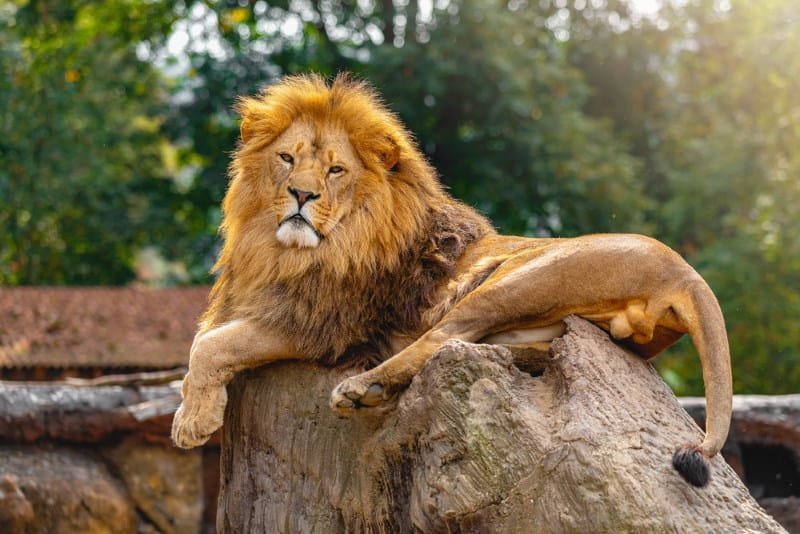
You may know this lion as the Transvaal lion, named after the former Transvaal region of South Africa. It lives in places such as Kruger National Park. Males often have a full, dark mane and can weigh up to about 250 kilograms. The rare white lions of the Timbavati region near Kruger also belong to this group: their pale color is caused by a genetic variation, not albinism.
8. Cape lion
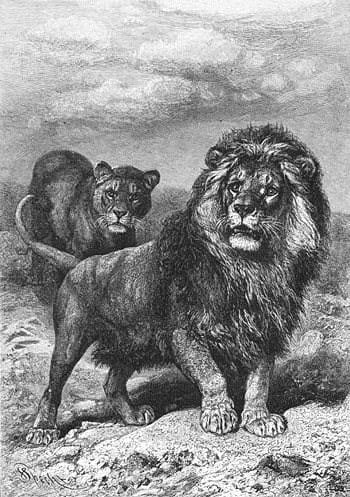
The Cape lion lived in the far south of Africa, around the Cape of Good Hope. Males were known for their large, dark manes that extended over the belly, often with black-edged ears. The population was wiped out by hunting and settlers in the middle of the 19th century. Genetic studies later suggested that the Cape lion was not a separate subspecies after all, but a southern population of lions with particularly impressive manes.