When most people think of international trade, they picture supertankers loaded with crude oil, container ships stacked with electronics, or freight trains carrying grain. Yet global commerce is full of strange, lucrative niches.
From false teeth and frog legs to internet domain extensions and temple hair, here are ten countries that earn millions (or even hundreds of millions) of dollars a year exporting products you would never expect.
1. India: Human Hair ($770 Million per Year)

India controls more than 40 percent of the global trade in human hair.
Most of it originates in Hindu temples, above all the famous Tirumala Venkateswara Temple in Andhra Pradesh, where millions of pilgrims shave their heads each year as an act of religious devotion known as tonsuring. Because Indian donors rarely bleach or chemically treat their hair, those temple auctions supply some of the highest-quality raw hair on Earth, which is then sorted, washed, and shipped to China, Europe, and the United States to be turned into luxury wigs and salon extensions.
2. Liechtenstein: False Teeth (20% of the Global Market)
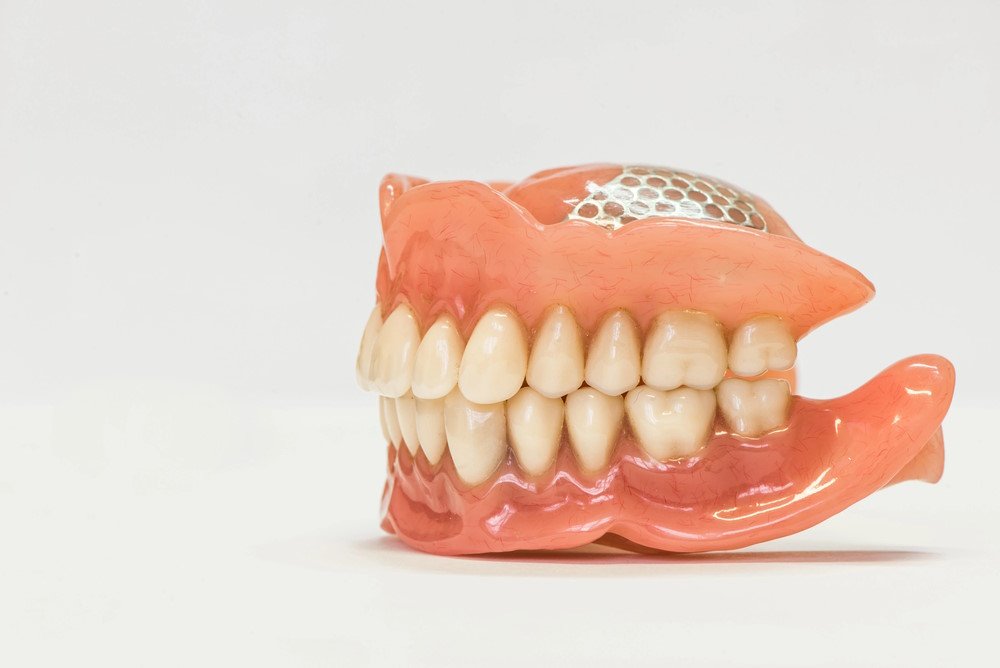
Wedged between Switzerland and Austria with fewer than 40,000 residents, the tiny Principality of Liechtenstein is the world’s leading manufacturer of artificial teeth. A single company headquartered in Schaan, Ivoclar, produces roughly 60 million false teeth per year across 10,000 different shades and shapes, supplying about 40 percent of the European denture market and 20 percent of the global market.
3. Indonesia: Frog Legs (80% of the Global Market)
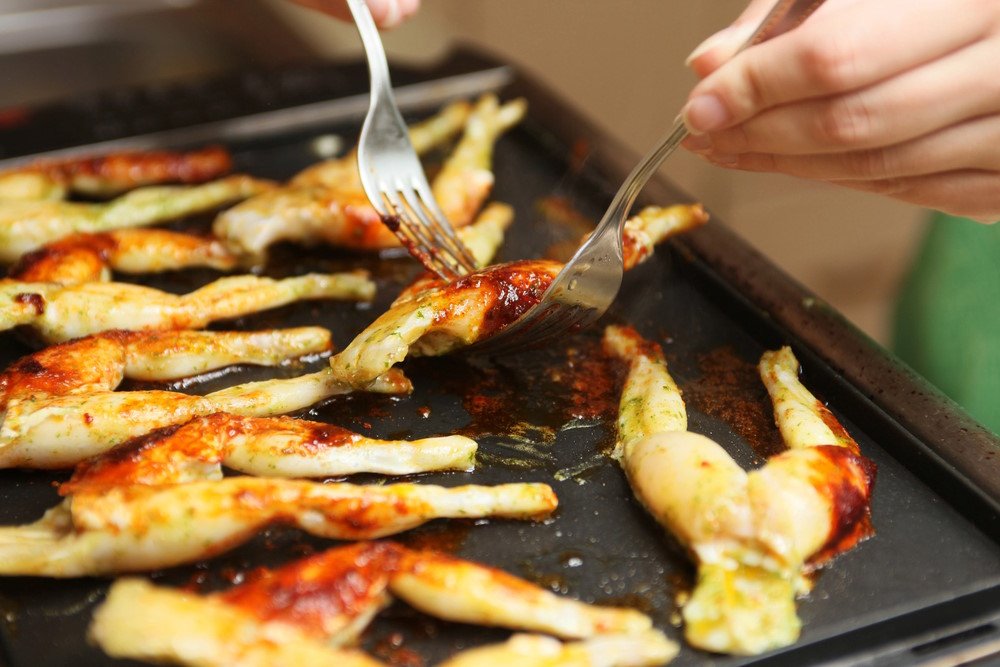
While diners associate cuisses de grenouilles with French bistros, the frogs on European plates rarely come from France. Indonesia dominates the $40 million global trade in edible frog legs, supplying around 80 percent of all frog legs imported by France, Belgium, and the United States.
4. Tuvalu: The .tv Internet Domain ($5 Million per Year)
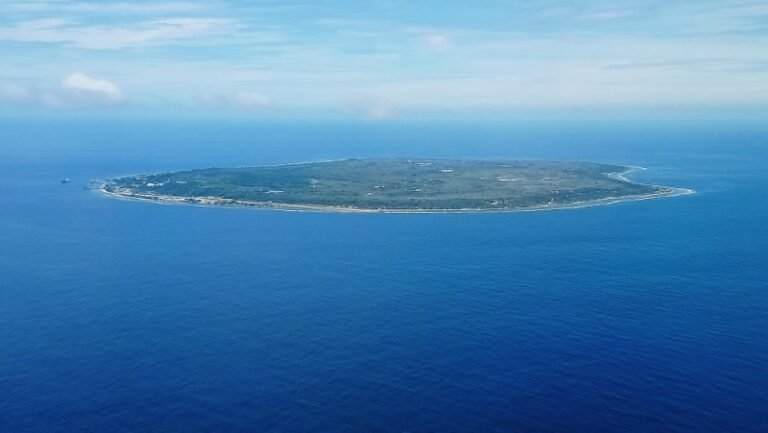
Home to roughly 11,000 people on a string of low-lying coral atolls in the South Pacific, Tuvalu has almost no mineral resources or heavy industry. What it does have is a stroke of bureaucratic luck: in the 1990s, international internet regulators assigned the island nation the country-code top-level domain .tv.
Because television networks, video platforms, and live-streaming giants like Twitch covet .tv web addresses, Tuvalu licenses its domain extension for roughly $5 million to $10 million per year. That single digital asset generates close to a tenth of the entire government budget, helping pave roads, fund schools, and pay for Tuvalu’s seat at the United Nations.
5. Bosnia and Herzegovina: Edible Snails ($20 Million per Year)

Just like frog legs, French escargots are largely imported from abroad. Damp forests and meadows across Bosnia and Herzegovina provide ideal habitat for Roman snails, turning wild snail harvesting and snail farming into a $20 million export industry bound for restaurants across the European Union.
6. Canada: Bull Semen ($130 Million per Year)
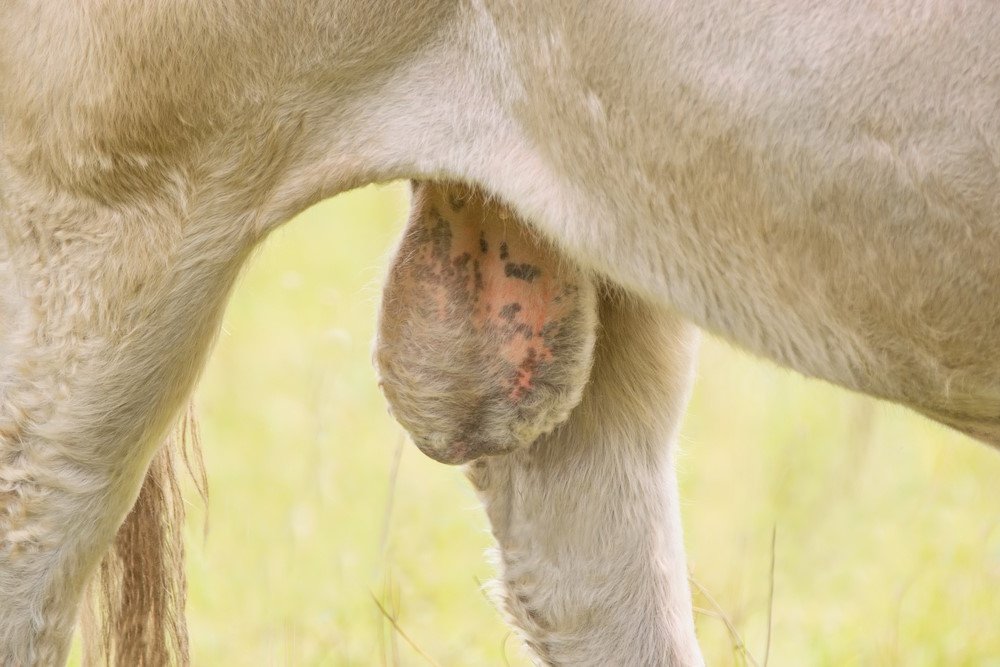
Canada is a global superpower in bovine genetics.
Because Canadian Holstein dairy cows and Angus beef cattle have been selectively bred for generations for high milk yields, disease resistance, and longevity, ranchers in more than 80 countries buy frozen Canadian bull semen and cattle embryos in liquid nitrogen tanks, generating over $130 million a year in agricultural exports.
7. Ireland: Blood Fractions and Plasma Products ($200+ Million per Year)
Look at trade statistics for Ireland and you will see tens of billions of dollars in exported blood fractions, antisera, and immunological products. This does not refer to bags of donated whole blood from hospitals, but rather to Ireland’s massive biopharmaceutical cluster, where global drugmakers manufacture monoclonal antibodies, clotting factors for hemophilia patients, and immune globulins for export around the world.
8. Turkey: Silkworm Cocoons
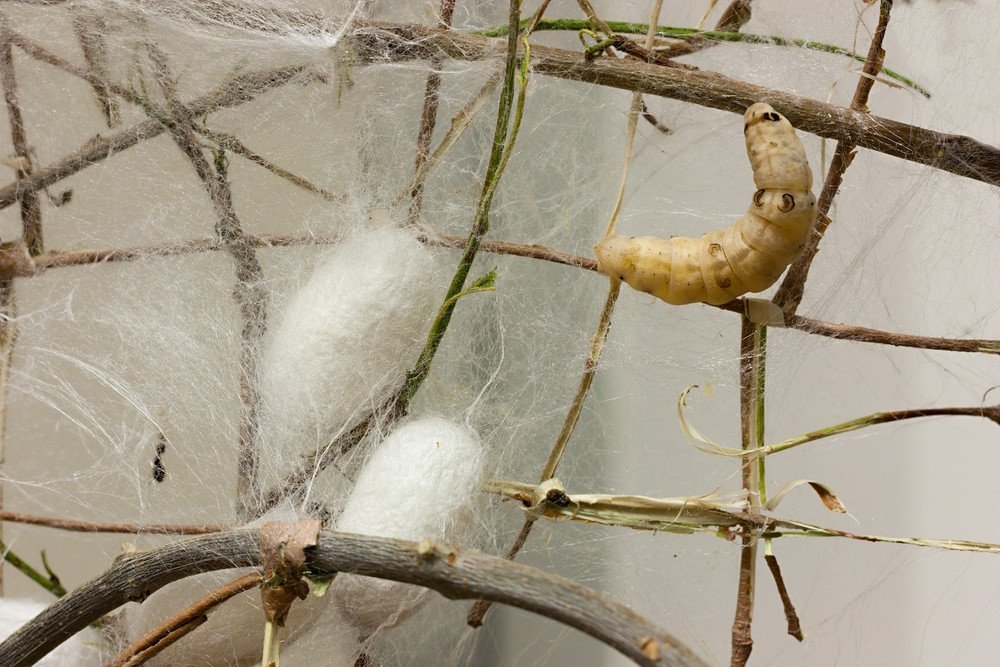
Since the days when Ottoman caravans arrived in Bursa along the Silk Road, Turkey has cultivated mulberry trees and silkworms. Today, Turkey remains one of the world’s leading exporters of raw silkworm cocoons, which are spun not only into luxury silk carpets and textiles, but also into biocompatible surgical sutures and silk-protein cosmetics.
9. Paraguay: Stevia
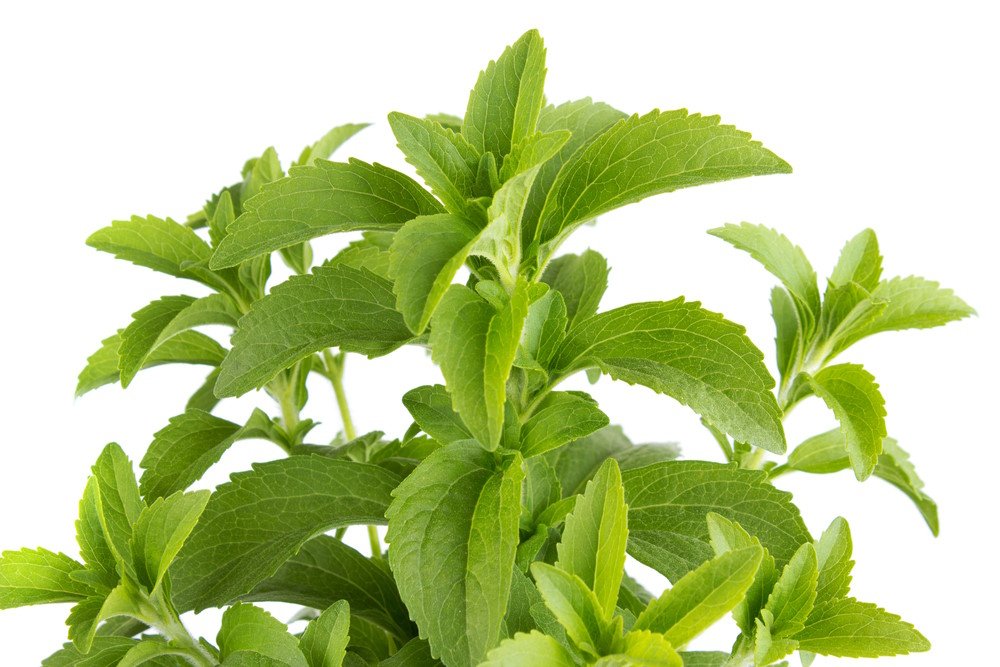
Long before diet sodas existed, the Guarani people of Paraguay used the leaves of a local shrub called ka’a he’e (sweet herb) to sweeten bitter yerba mate tea. Today the rest of the world knows that native Paraguayan plant as stevia, a zero-calorie natural sweetener up to 300 times sweeter than sugar, making Paraguay a major supplier of dried stevia leaves to food and beverage processors in Asia and North America.
10. Saint Helena: Ultra-Rare Coffee ($500 per Kilogram)

Best known as the remote South Atlantic island where Napoleon Bonaparte spent his final years in exile, the British Overseas Territory of Saint Helena produces one of the rarest and most expensive coffees on Earth.
First planted on the island in 1733 using Green Tipped Bourbon Arabica seeds brought from Yemen, Saint Helena’s coffee trees grow in volcanic soil fertilized by seabird guano and completely isolated from mainland plant diseases. Because the island harvests only a few metric tons per year, roasted beans regularly sell for more than $500 per kilogram in specialty boutiques in London and Tokyo.