Medical science understands thousands of standard illnesses, but certain rare disorders push the boundaries of biological and psychological understanding. From believing one is deceased to limbs that move with independent wills, these conditions challenge our perception of reality. Here are ten rare and bizarre medical conditions that genuinely exist.
10. Prion Disease: Creutzfeldt-Jakob Disease

Creutzfeldt-Jakob disease is a fatal neurodegenerative condition triggered by misfolded proteins called prions. Unlike bacteria or viruses, prions contain no genetic material, yet they induce normal cellular proteins in the brain to fold into abnormal, toxic shapes.
The resulting damage leaves microscopic sponge-like holes throughout brain tissue, leading to rapid dementia, involuntary muscle spasms, and death within months.
9. Hypertrichosis: Werewolf Syndrome
Hypertrichosis is an exceedingly rare genetic mutation that causes abnormal, dense hair growth over the entire face and body. The condition can be congenital or acquired later in life through metabolic disorders.
Historical individuals with the condition, including Petrus Gonsalvus in the sixteenth century, were showcased in royal European courts and circus sideshows as living curiosities.
8. Prosopagnosia: Face Blindness
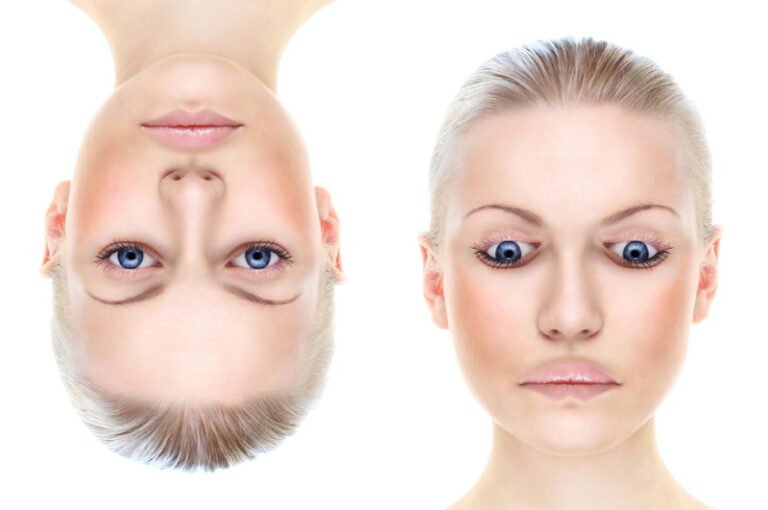
Individuals living with prosopagnosia cannot recognize human faces, even those of immediate family members or their own reflection in a mirror. Caused by trauma or developmental anomalies in the fusiform gyrus, the condition leaves visual acuity completely intact while severing facial recognition processing.
Patients learn to identify acquaintances by relying on voice tone, walking gait, unique hairstyles, and distinctive clothing choices.
7. Alien Hand Syndrome

Alien hand syndrome is a rare neurological disorder where one of a patient’s hands functions completely outside their conscious control. Often occurring after neurosurgery or strokes affecting the parietal lobe, the limb performs purposeful actions, such as reaching for objects or unbuttoning coats, without the patient’s intent.
Patients often view the hand as an alien entity, sometimes holding down the rogue hand with their healthy arm to prevent unwanted actions.
6. Fibrodysplasia Ossificans Progressiva: Stone Man Syndrome
Fibrodysplasia ossificans progressiva is an exceptionally rare genetic disorder that causes muscle, tendons, and ligaments to transform into solid bone when damaged. A minor bruise or intramuscular injection triggers spontaneous bone growth, slowly locking joints and encasing the body in an immovable skeleton.
Because surgical removal of bone spurs only causes explosive new bone formation, medical care focuses strictly on symptom management.
5. Necrotizing Fasciitis: Flesh-Eating Bacteria
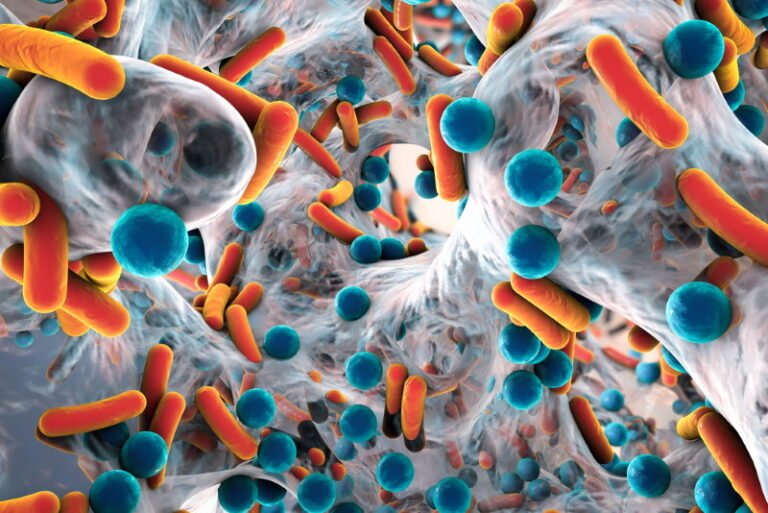
Necrotizing fasciitis is a rapid, life-threatening bacterial infection that destroys subcutaneous tissue and muscle fascia. Caused by aggressive strains of Streptococcus or marine bacteria, the microbes release toxins that destroy cellular blood supply, causing tissue death to spread by centimeters every hour.
Emergency treatment requires immediate intravenous antibiotics combined with radical surgical debridement of dead tissue to save the patient’s life.
4. Trimethylaminuria: Fish Odor Syndrome

Trimethylaminuria is a metabolic condition where the body cannot break down trimethylamine, a pungent compound produced by gut bacteria during digestion. The chemical accumulates in high concentrations, escaping through sweat, urine, and breath with an overpowering odor resembling rotting fish.
While physically harmless, the condition causes severe psychological distress, social isolation, and chronic depression for those affected.
3. Alice in Wonderland Syndrome

Named after Lewis Carroll’s famous novel, Alice in Wonderland syndrome is a temporary perceptual distortion affecting visual scale and body image. Sufferers perceive objects or parts of their own body as unnaturally massive or tiny, accompanied by warped perceptions of time and distance.
Frequently experienced by children during severe migraines or viral infections like Epstein-Barr, the surreal sensory episodes generally fade as the nervous system matures.
2. Kleine-Levin Syndrome: Sleeping Beauty Syndrome

Kleine-Levin syndrome is an episodic neurological condition characterized by recurring bouts of excessive sleep lasting days, weeks, or even months at a time. During an episode, patients sleep up to twenty hours a day, waking only briefly to eat ravenously before falling back asleep in a dreamlike fog.
Between episodes, patients function with normal cognition, though episodes can disrupt educational and professional life for over a decade.
1. Cotard’s Delusion: Walking Corpse Syndrome
Cotard’s delusion is an extraordinary psychiatric condition where a patient holds the unshakeable conviction that they are dead, putrefying, or have lost their internal organs. First described by French neurologist Jules Cotard in 1880, the delusion stems from a disconnect between sensory perception and emotional familiarity in the brain.
Patients may refuse food, believing their non-existent stomach no longer requires nourishment, requiring electroconvulsive therapy and antipsychotics to restore reality.