Today, we take photos constantly, of nature, our friends, our pets and our food, all with the phone in our pocket. That used to be far from obvious. The very first photograph required an exposure of many hours, perhaps even days. These are ten of the oldest and most important “first” photographs in history, counting down to number one.
10. The first digital image (1957)
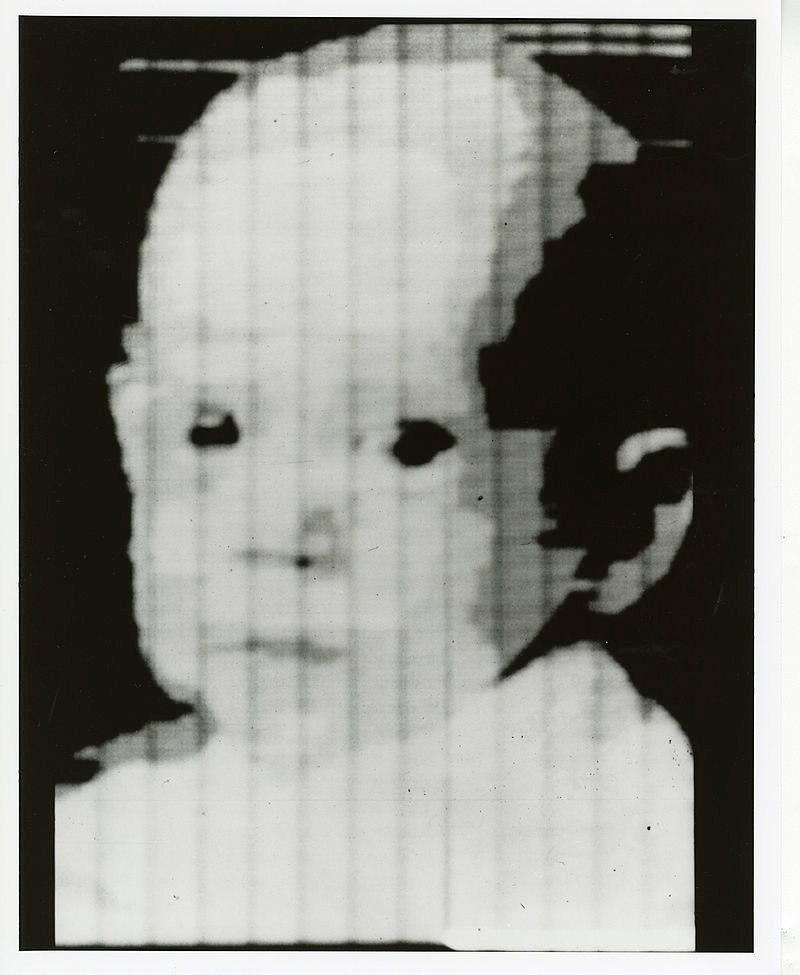
Digital photography has changed our lives. The first digital image was made in 1957 by the American computer scientist Russell Kirsch. He wanted to know whether computers could see what we see. Using a drum scanner connected to one of the first programmable computers, he scanned a photo of his three-month-old son Walden. The result was a tiny image of just 176 by 176 pixels. It took almost two more decades before the first digital camera was built, in 1975.
9. The first color photograph (1861)
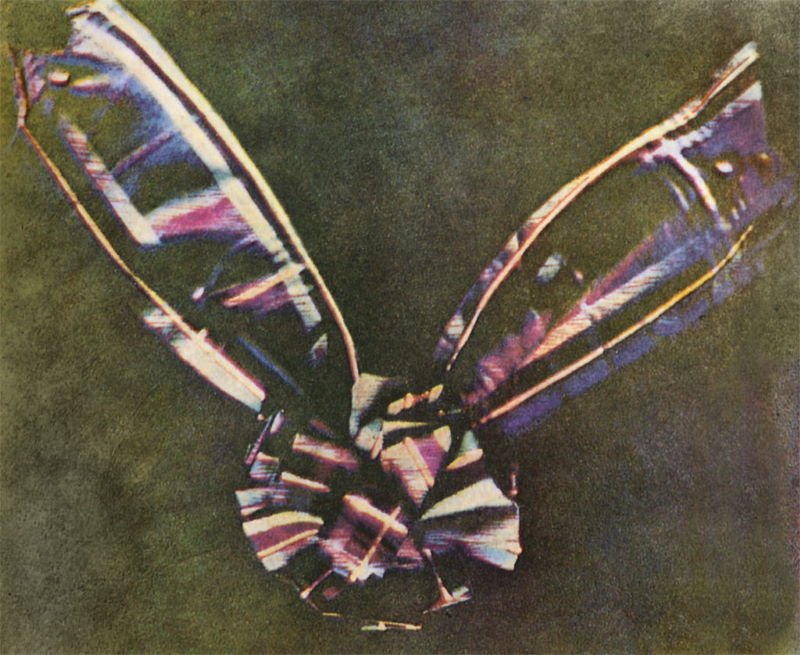
When photography was invented, it was not yet possible to capture color. Some photographers painted their black-and-white photos by hand. In 1861, photographer Thomas Sutton made the first color photograph, based on a method devised by the Scottish physicist James Clerk Maxwell. He photographed a tartan ribbon three times, each time through a different color filter: red, green and blue. By projecting the three images on top of each other, a color image appeared. The same principle is still used in every screen today.
8. The oldest surviving aerial photograph (1860)
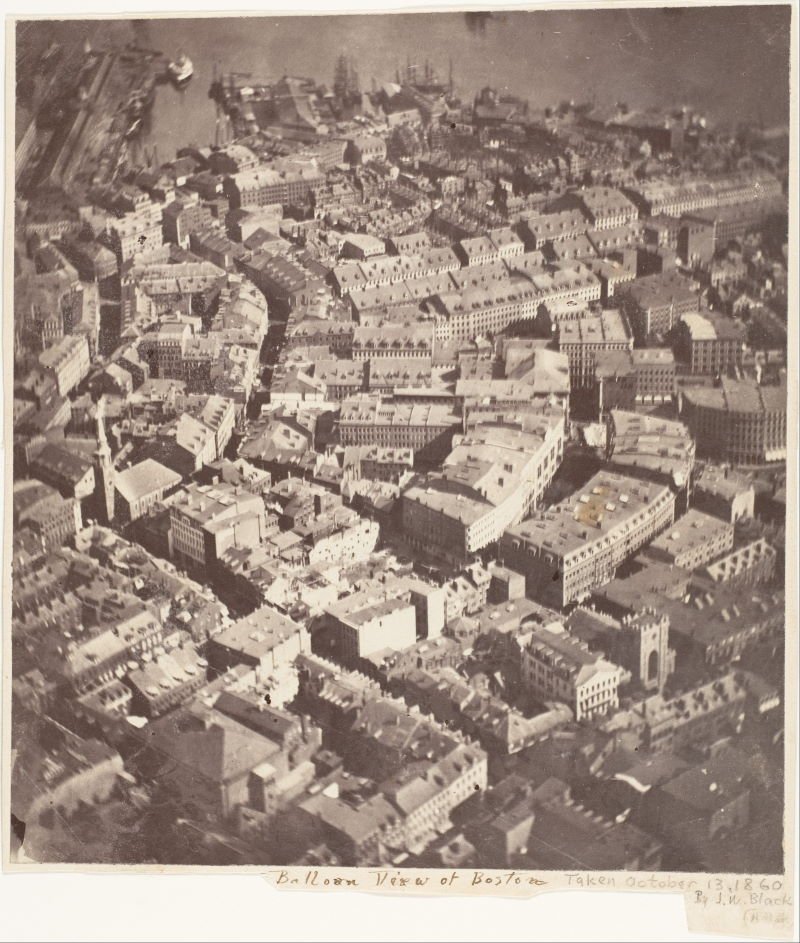
The French photographer Nadar took the first aerial photographs from a balloon above Paris in 1858, but none of them survive. The oldest surviving aerial photograph was taken in 1860 by James Wallace Black and Samuel King, from a hot-air balloon at a height of about 600 meters above Boston. Black called it “Boston, as the Eagle and the Wild Goose See It”.
7. The oldest photo of people having a drink (1844)
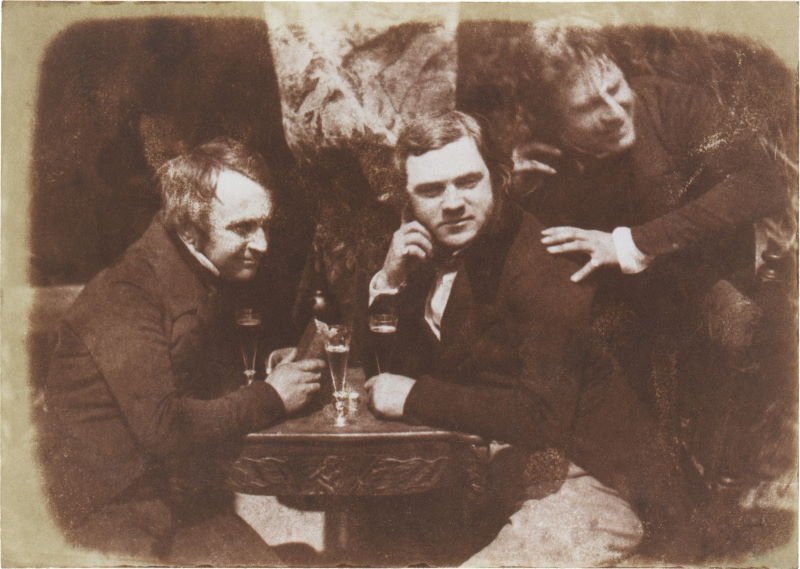
As far as we know, this is the oldest photo of people sharing a drink together. It was made around 1844 by the Scottish photography pioneers David Octavius Hill and Robert Adamson. Hill himself is in the photo, together with the writer James Ballantine and Dr. George Bell. The photo is known as “Edinburgh Ale”. Because of the long exposure time, everyone had to sit very still, which is why nobody is actually drinking.
6. The oldest photograph of the Moon (1840)
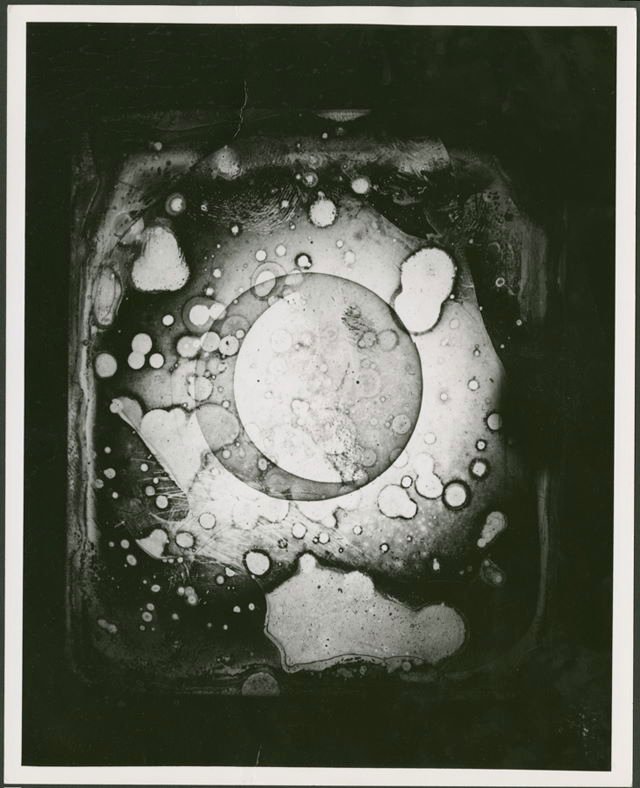
Photographers soon pointed their cameras at the sky. In 1840, the American scientist John William Draper made a photograph of the Moon from the roof of his observatory in New York, using the daguerreotype process. It was one of the first astronomical photographs ever. The first good photograph of the Sun followed in 1845, made by the French physicists Hippolyte Fizeau and Léon Foucault.
5. The first fake photograph (1840)
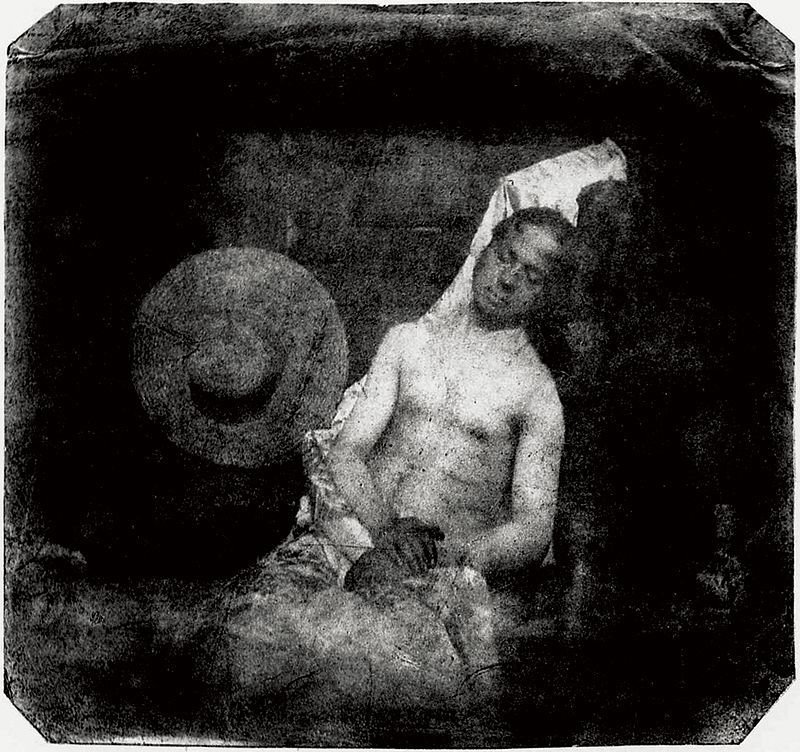
Today, you can fool almost anyone with a cleverly edited photo, but staged photos are as old as photography itself. In 1840, the French inventor Hippolyte Bayard made a photo of himself pretending to be a drowned man. Bayard had invented his own photographic process, but felt that the French government ignored him in favor of Louis Daguerre. On the back of the photo, he wrote a bitter text claiming that he had drowned himself out of despair. It is considered the first staged, deliberately misleading photograph.
4. The first selfie (1839)
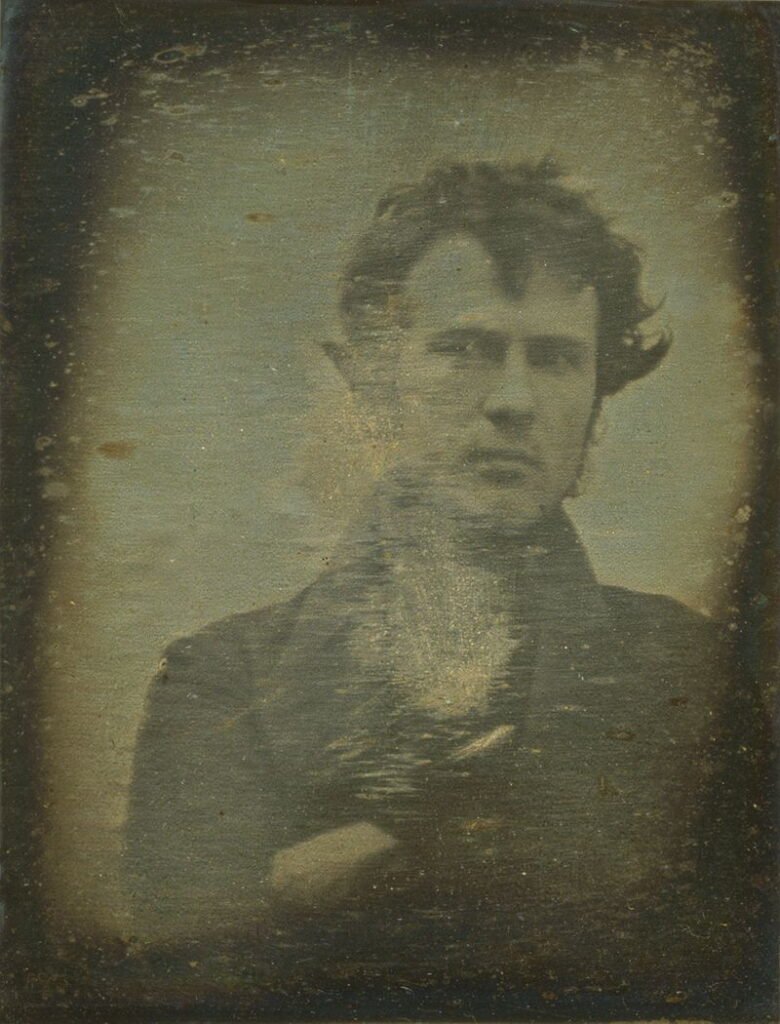
Selfies are everywhere on social media, but the first one was taken in 1839 by Robert Cornelius, a young American photography enthusiast from Philadelphia. He set up his camera, removed the lens cap, ran in front of it and sat still for several minutes. The result is one of the oldest surviving photographs of a person, and probably the first self-portrait. On the back, he wrote: “The first light picture ever taken.”
3. The oldest photograph of an American president (1843)
The oldest known authenticated photograph of a US president shows John Quincy Adams, the sixth president, taken in 1843, long after he had left office. Abraham Lincoln later became one of the most photographed people of his time.
2. The first photograph of a person (1838)
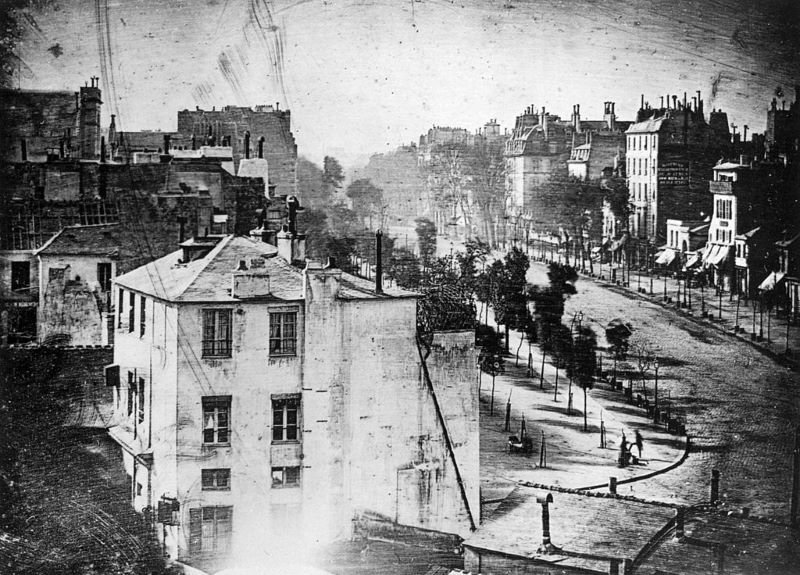
In 1838, Louis Daguerre photographed the Boulevard du Temple in Paris from his window. At first glance, you see an empty street. But look closely, and you can see a man at the bottom left who is having his boots polished. Because the exposure time was several minutes, all moving people, carriages and horses disappeared from the image. Only this man stood still long enough to be captured, which makes him the first person ever photographed, without knowing it.
1. The oldest surviving photograph (around 1826)
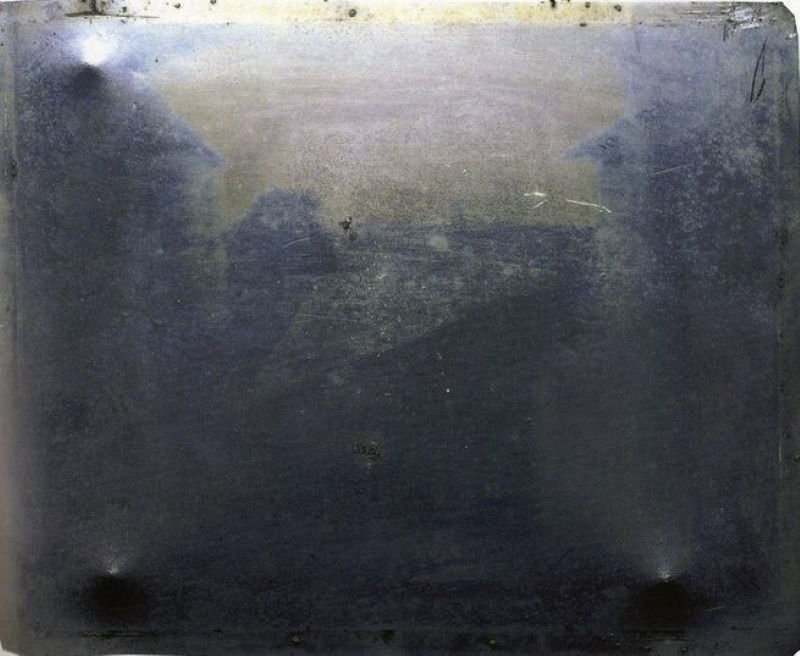
If you look at the oldest surviving photograph in the world, you do not see much: a blurry view of buildings and rooftops. Yet it is an extremely special object, now kept at the University of Texas at Austin. The French inventor Joseph Nicéphore Niépce made it around 1826 or 1827 from a window of his estate, Le Gras.
He used a technique called heliography: a pewter plate was coated with bitumen, a kind of asphalt that hardens when exposed to light. The exposure probably took many hours, possibly even several days, which is why the sun seems to shine on both sides of the buildings.