Asia is home to more than 4.75 billion people, meaning roughly six out of every ten human beings on Earth live on this single continent. Seven of the world’s ten most populous countries are located in Asia, including the only two nations in history to surpass the one-billion mark.
At the same time, Asia is experiencing two opposite demographic revolutions at once: while South Asia and parts of Southeast Asia have young, growing populations, East Asian powers like China and Japan are aging and shrinking. Here are the ten most populous countries in Asia.
1. India (Approx. 1.46 Billion Residents)
In the spring of 2023, a historic demographic milestone occurred: India officially overtook China as the most populous country on Earth.
With roughly 1.46 billion citizens and a median age of just 28 years, India is projected to keep growing until the 2060s. Although megacities like Delhi, Mumbai, Kolkata, and Bangalore house tens of millions of people, nearly two-thirds of Indians still live in rural villages, particularly across the fertile Indo-Gangetic Plain.
2. China (Approx. 1.41 Billion Residents)
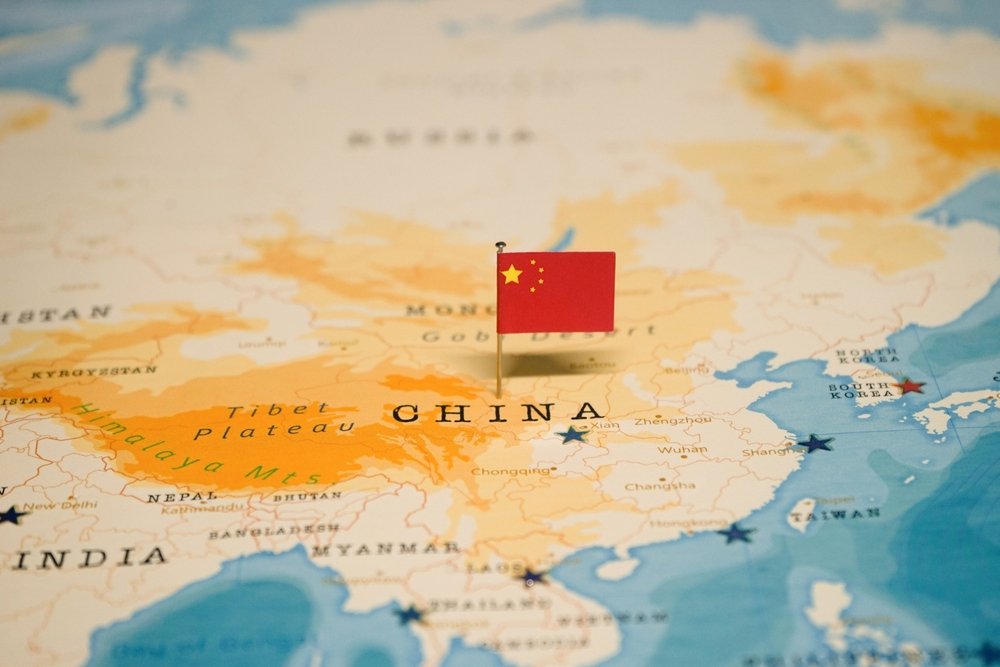
For centuries, China held the title of the world’s largest nation by population. Following decades of the strict one-child policy (1979 to 2015) and the soaring cost of raising children in urban high-rises, China’s population peaked in 2021 and has begun a steady decline, with 94 percent of its 1.41 billion people living in the eastern half of the country.
3. Indonesia (Approx. 283 Million Residents)
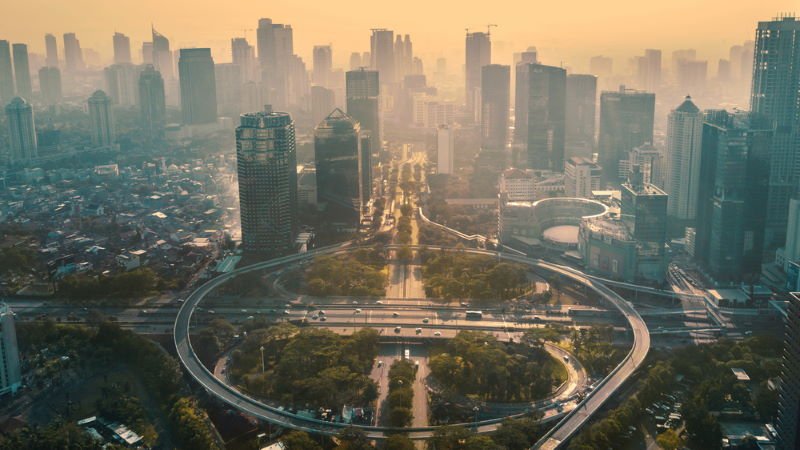
Stretching across more than 17,000 volcanic islands between the Indian and Pacific oceans, Indonesia is the world’s fourth most populous nation and the third largest in Asia.
More than half of all Indonesians (over 150 million people) live on the single island of Java, an area roughly the size of England. Because the coastal capital of Jakarta is sinking and congested, the Indonesian government is constructing a brand-new forest capital city, Nusantara, in East Kalimantan on the island of Borneo.
4. Pakistan (Approx. 255 Million Residents)
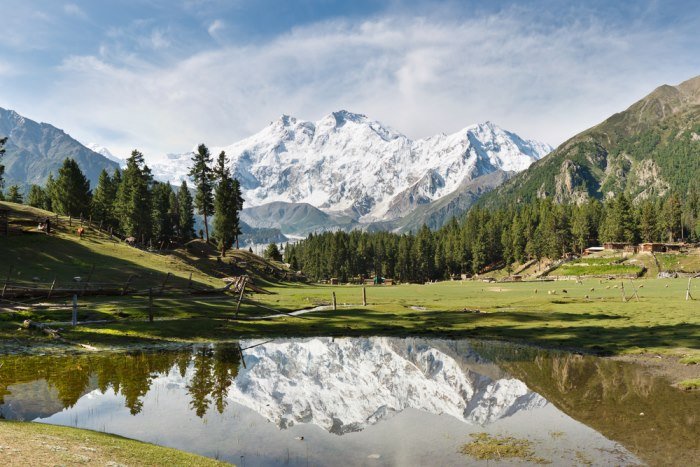
With a fertility rate above three children per woman, Pakistan is the fastest-growing major country in Asia, having surged from 40 million residents at independence in 1947 to around 255 million today. Most of the population lives along the irrigated valley of the Indus River, anchored by the southern port megacity of Karachi and the cultural heartland of Lahore.
5. Bangladesh (Approx. 176 Million Residents)
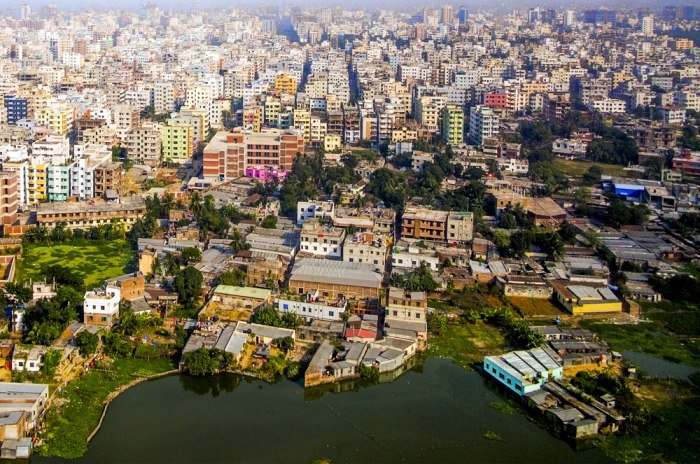
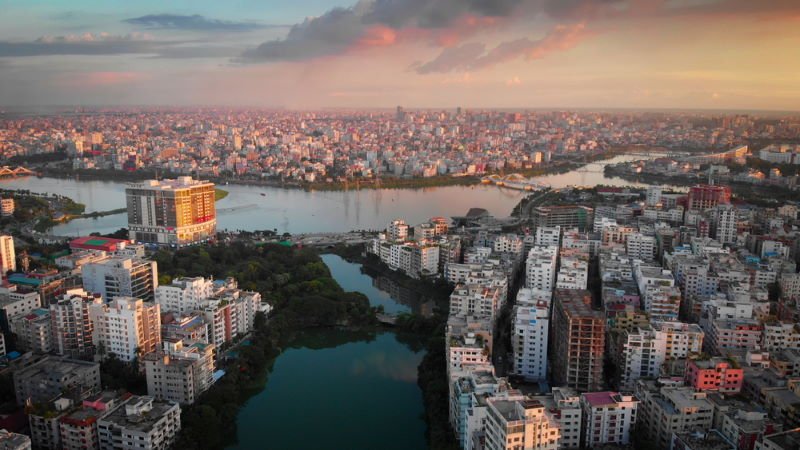
Packing roughly 176 million people into the fertile river delta of the Ganges and Brahmaputra, Bangladesh has more residents than Russia despite covering one-hundredth of the land area. Over the past generation, a booming garment export industry and sharp declines in child mortality have transformed Dhaka into one of the fastest-growing urban agglomerations on Earth.
6. Japan (Approx. 122 Million Residents)

Japan is the most demographically mature society in the world, with nearly 30 percent of its 122 million citizens aged 65 or older.
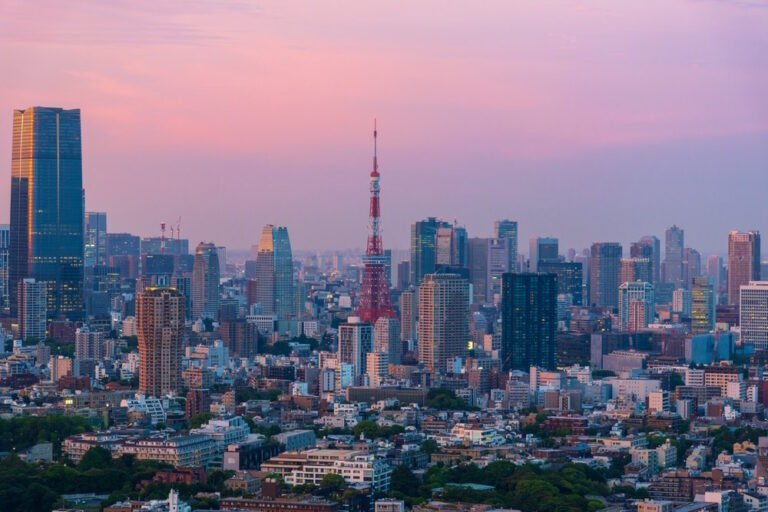
Even as the national population shrinks by more than half a million people each year and rural mountain villages empty out, the Greater Tokyo Metropolitan Area remains the largest urban agglomeration on the planet with roughly 37 million residents.
7. The Philippines (Approx. 120 Million Residents)
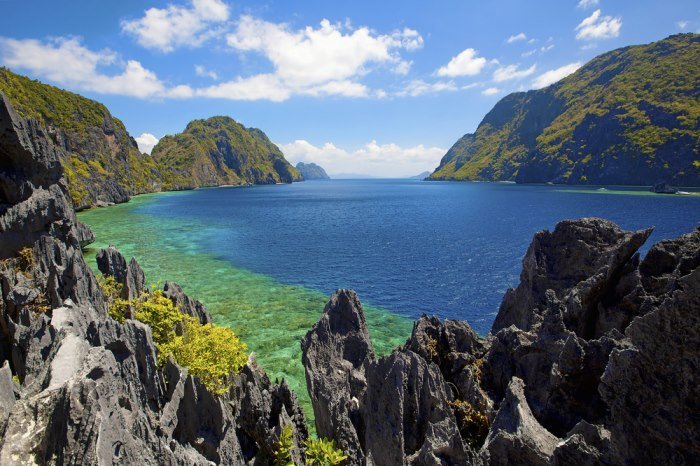
Home to roughly 120 million people across 7,641 islands, the Philippines has one of the youngest workforces in Southeast Asia. More than half of the population lives on the northern island of Luzon around Metro Manila, while roughly ten million Overseas Filipino Workers (OFWs) work across the globe as nurses, engineers, and seafarers, sending tens of billions of dollars in remittances home each year.
8. Vietnam (Approx. 101 Million Residents)

Having crossed the 100-million population mark in 2023, S-shaped Vietnam clusters most of its citizens around two fertile agricultural deltas: the Red River Delta in the north around Hanoi and the Mekong Delta in the south near Ho Chi Minh City, which together power one of Asia’s fastest-growing electronics and manufacturing hubs.
9. Iran (Approx. 91 Million Residents)
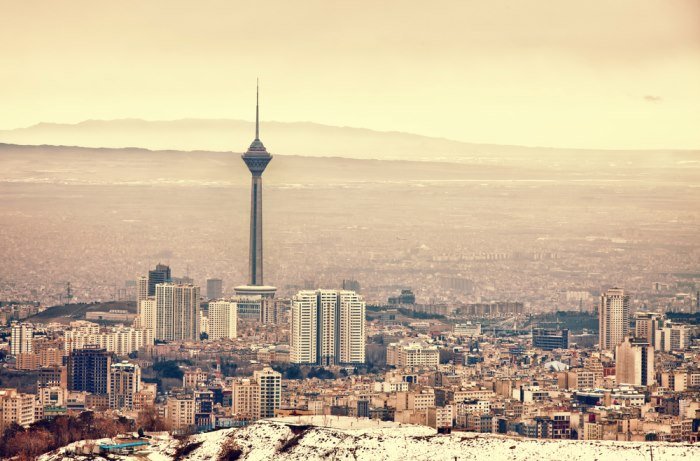
With roughly 91 million residents, Iran is the most populous country in the Persian Gulf region. Because vast salt deserts cover the central plateau, three-quarters of Iranians live in cities nestled along the Alborz and Zagros mountain ranges, led by the capital Tehran with a metropolitan population of around 16 million.
10. Turkey (Approx. 87 Million Residents)
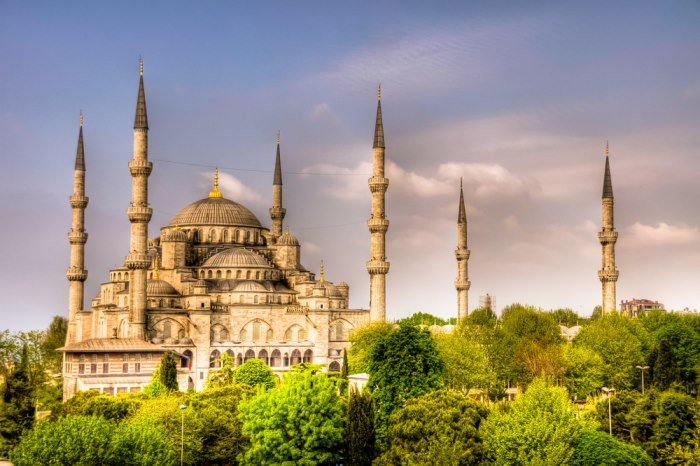
Rounding out Asia’s top ten, Turkey bridges Europe and the Middle East, with roughly 85 percent of its 86 to 87 million citizens living on the Asian peninsula of Anatolia across major industrial cities such as Ankara, Izmir, Bursa, Adana, and the Asian districts of Istanbul. According to regional economic and demographic data, rapid urbanization has turned Turkey into one of the youngest and most industrialized manufacturing centers between Europe and Asia.