Formula 1 is the pinnacle of motorsport. Over the decades, many circuits have challenged, thrilled and sometimes terrified drivers and fans. Some of them are no longer on the calendar, but their names still make every racing fan’s heart beat faster. These are the ten most legendary Formula 1 circuits, counting down to number one.
10. Suzuka Circuit, Japan
Suzuka is unique: it is the only figure-eight circuit on the Formula 1 calendar, with one part of the track crossing over another on a bridge. It is known for its technical challenges, such as the flowing S-curves of the first sector and the fearsome 130R, one of the fastest corners in Formula 1, which requires enormous courage.
Suzuka has also seen some of the most famous title showdowns in history, including the collisions between Ayrton Senna and Alain Prost in 1989 and 1990, which decided the world championship. And the Japanese fans, with their creative costumes and homemade hats, are among the most enthusiastic in the world.
9. Circuit Zandvoort, Netherlands
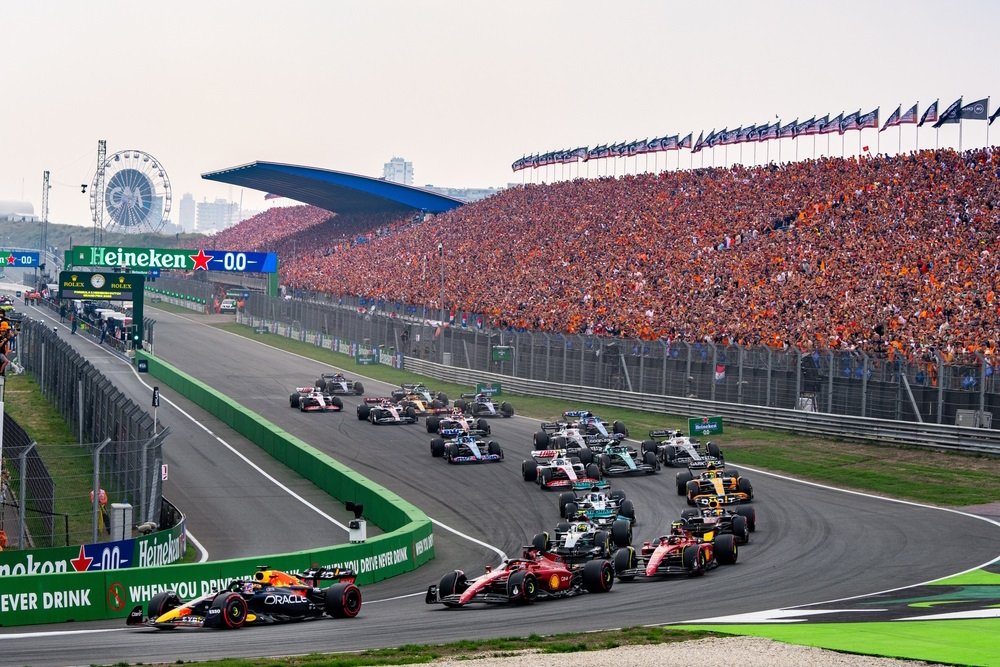
Nestled between the dunes on the North Sea coast, Zandvoort hosted the Dutch Grand Prix from 1952 to 1985. After 35 years away, it returned to the calendar in 2021, largely thanks to the rise of Max Verstappen. The track is known for its fast, flowing corners and its rollercoaster character, shaped by the dunes, including the steeply banked final corner.
What really stands out is the atmosphere: the sea of orange-clad Dutch fans turned every race weekend into a party. The 2026 edition was announced as the last Dutch Grand Prix for the foreseeable future, ending the circuit’s modern Formula 1 era on a high.
8. Circuit Gilles-Villeneuve, Canada
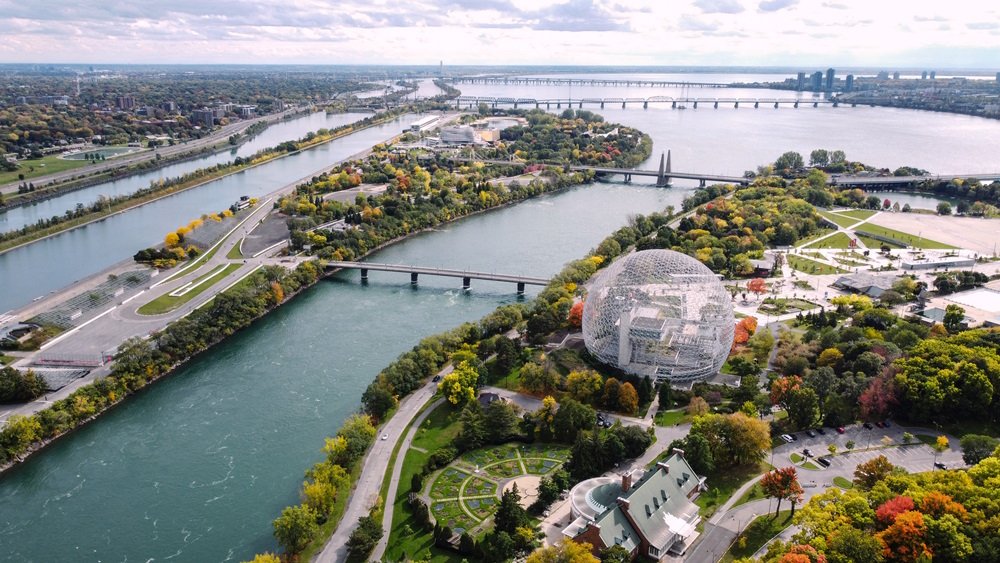
Located on an artificial island in Montreal, the Circuit Gilles-Villeneuve is a high-speed track with a street circuit feel, named after the legendary Canadian driver. Its most famous feature is the “Wall of Champions” at the exit of the final chicane, which got its name in 1999, when three world champions, Damon Hill, Michael Schumacher and Jacques Villeneuve, all crashed into it during the same race. The circuit is known for its unpredictable weather and dramatic races, such as the rain-soaked 2011 Grand Prix, the longest in Formula 1 history at over four hours.
7. Hockenheimring, Germany
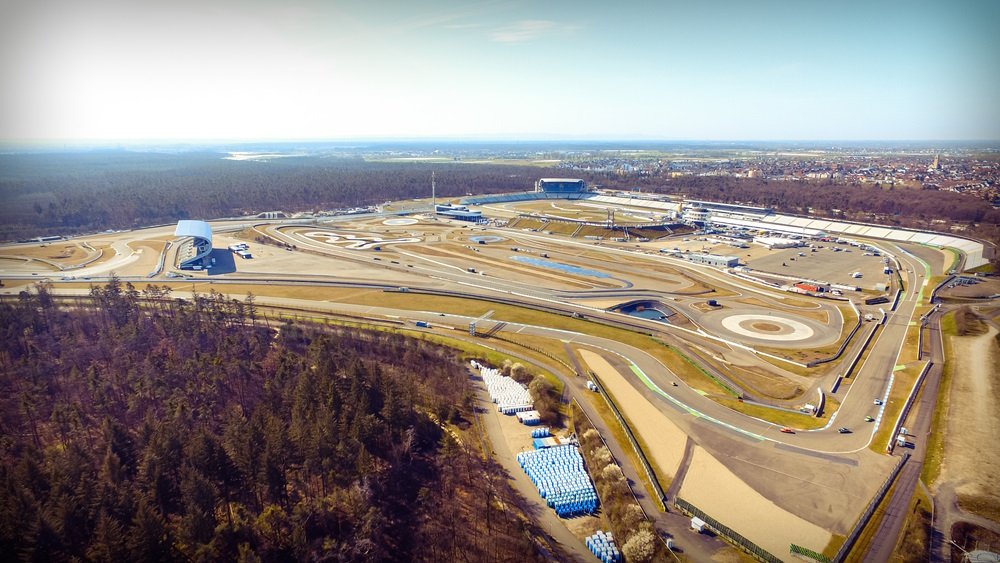
The Hockenheimring, in the southwest of Germany, has a history going back to 1932. Originally, it was a long, extremely fast circuit with long straights running deep into the forest. In 2002, it was shortened and modernized for safety reasons. The highlight remains the stadium section, where drivers enter an arena packed with tens of thousands of spectators. Hockenheim has hosted many German Grands Prix, often won by local heroes such as Michael Schumacher, although it has not been on the Formula 1 calendar since 2019.
6. Interlagos, Brazil
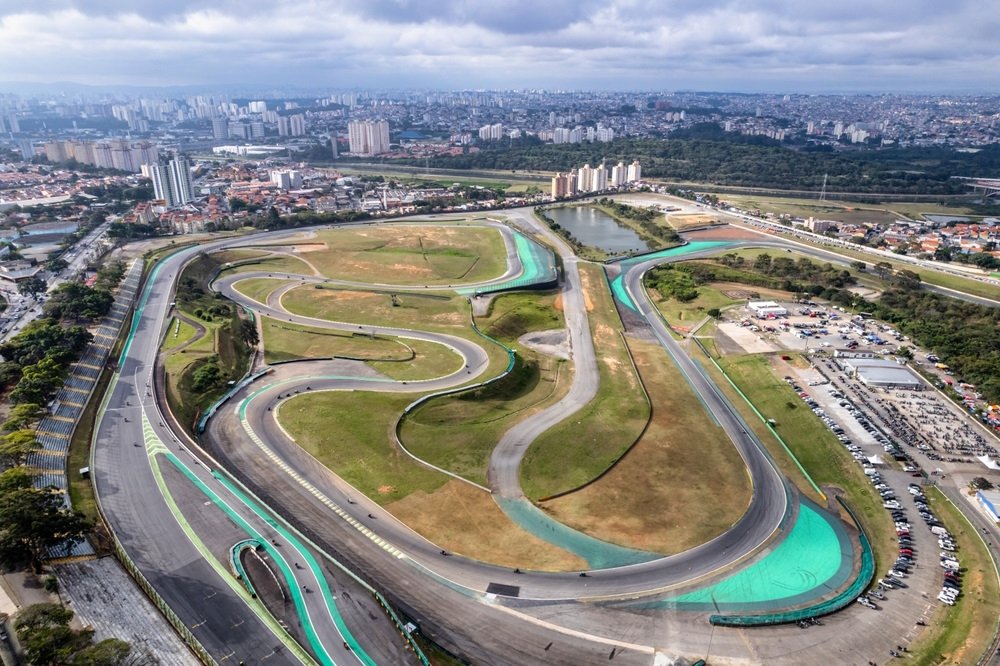
When Formula 1 fans hear “Interlagos”, they immediately think of passion and unpredictability. The Autódromo José Carlos Pace in São Paulo is one of the few circuits raced anticlockwise, which puts extra strain on the drivers’ necks. Its undulating layout and changeable weather have produced countless dramatic races and title deciders.
One of the most memorable moments was Ayrton Senna’s first home victory in 1991. In the final laps, his gearbox got stuck in sixth gear, yet he held on to win, and was so exhausted and in such pain afterwards that he had to be lifted out of his car.
5. Nürburgring, Germany
The Nürburgring is a monument of motorsport. Located in the Eifel region of Germany, it has two main layouts: the modern Grand Prix circuit and the infamous Nordschleife, nicknamed “The Green Hell” by Jackie Stewart. With a length of almost 21 kilometers and around 150 to 170 corners, the Nordschleife is one of the most demanding tracks in the world.
Formula 1 raced on the Nordschleife until 1976, when Niki Lauda crashed and was badly burned there. He survived and was racing again just six weeks later. Later Grands Prix were held on the shorter, modern circuit, most recently in 2020, but the aura of the Nordschleife still dominates the place.
4. Silverstone, United Kingdom
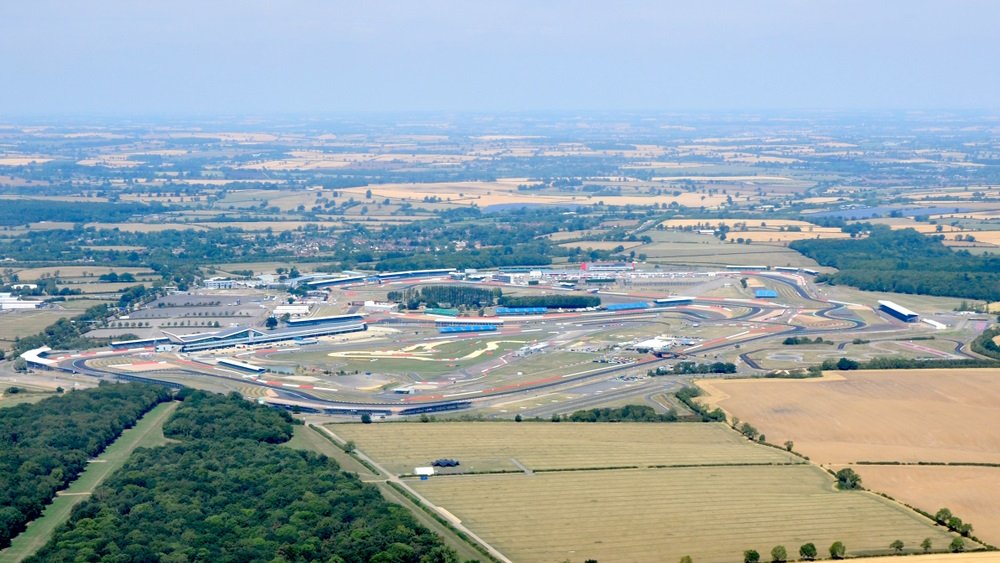
Silverstone, a former Second World War airfield in the English countryside, is where it all began: on 13 May 1950, it hosted the very first race of the Formula 1 World Championship. The circuit is known for its high-speed corners, especially the famous sequence of Maggotts, Becketts and Chapel, which drivers take at enormous speed. The British fans, known for their love of motorsport, create a fantastic atmosphere, especially when a home hero such as Lewis Hamilton, who has won here a record number of times, is in contention.
3. Spa-Francorchamps, Belgium

This legendary circuit in the Belgian Ardennes is a favorite of many drivers and fans. The iconic Eau Rouge and Raidillon combination challenges drivers to take a steep, blind uphill left-right sweep almost flat out. At around 7 kilometers, it is the longest circuit on the calendar, and its weather is notoriously unpredictable: it can rain on one part of the track while another stays dry. Spa has produced many memorable moments, including the huge first-lap pile-up in the rain of 1998.
2. Circuit de Monaco
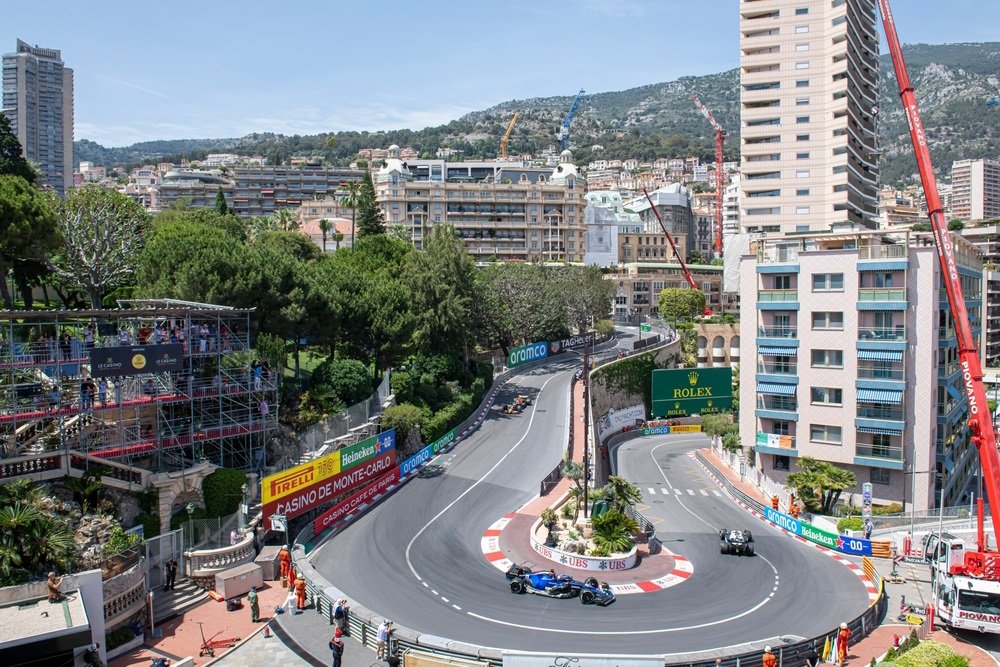
In the heart of Monte Carlo lies the most famous street circuit in the world, on the calendar almost every year since 1950. The narrow streets and tight corners leave no room for error, which makes it one of the most demanding tracks for drivers. It requires absolute precision and courage to be fast here. With legendary locations such as Casino Square, the hairpin and the tunnel, winning here is every driver’s dream. Overtaking is almost impossible, which is why qualifying is crucial, but the history, glamour and yachts in the harbor make it the jewel of the season.
1. Monza, Italy

The Autodromo Nazionale Monza, in a royal park just outside Milan, breathes speed and history. Known as the “Temple of Speed”, it is the fastest circuit on the calendar, with long straights where cars reach speeds of over 350 km/h. It has hosted the Italian Grand Prix every year since 1950, except for 1980. Famous corners such as the Parabolica and the Ascari chicane have written history. Monza is also the home race of Ferrari, and the passion of the tifosi, who flood onto the track after the race, is unmatched anywhere in the world.