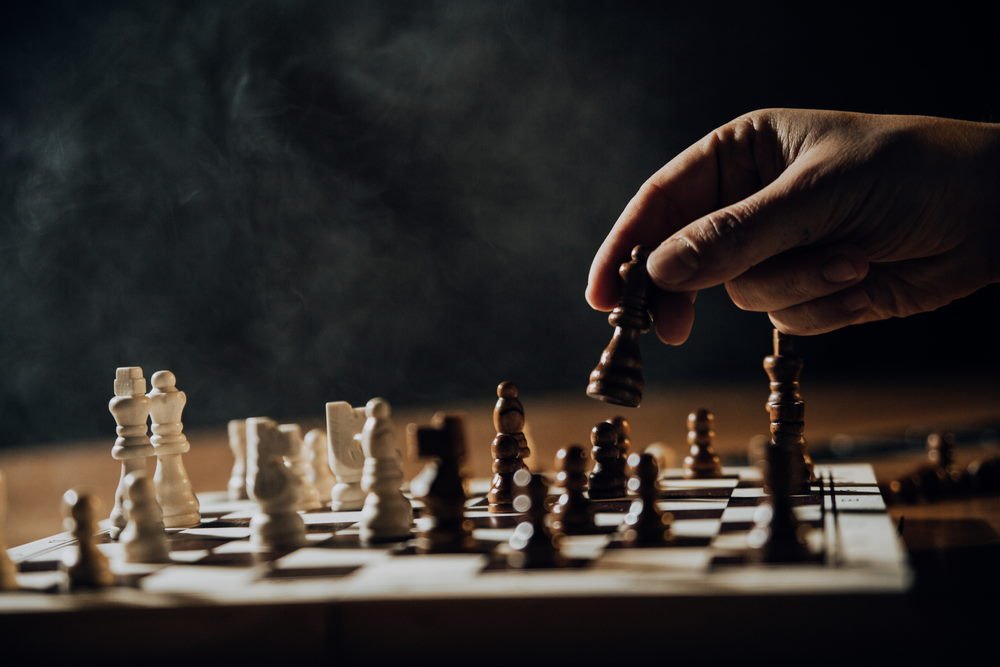
Chess is a merciless game of ego and calculation. A game played a century ago can still hold the key to victory in a modern tournament. The best players combine the precision of a computer with the intuition of an artist. These are the ten players who dominated the board for decades.
1. Garry Kasparov (born 1963)
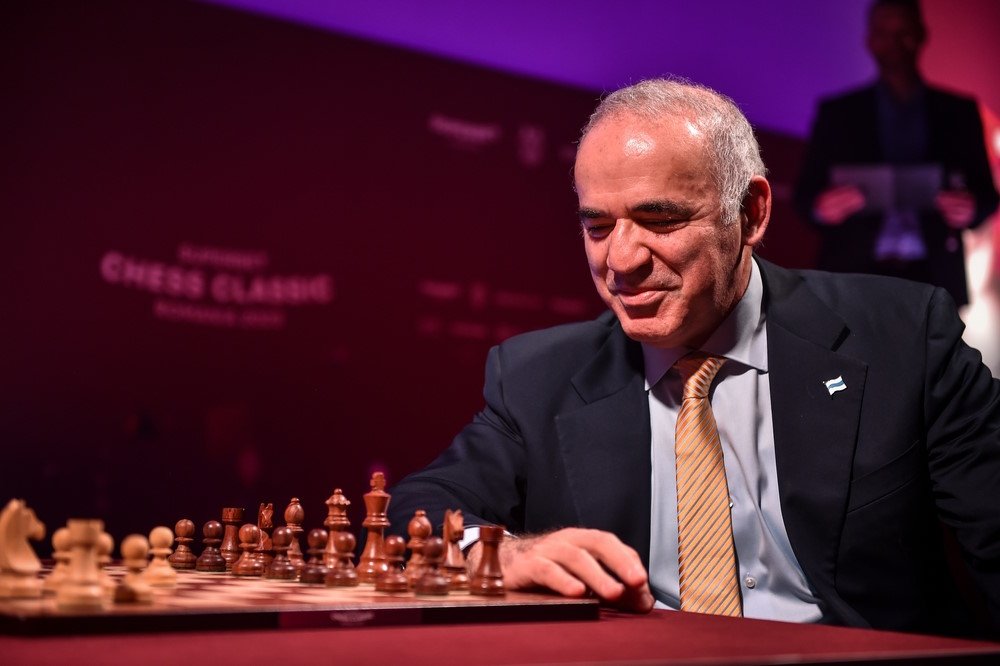
In 1985, at the age of 22, Kasparov became the youngest world champion in history at the time, and he held the title for fifteen years. His style was aggressive, and his preparation was deeper than anything seen before. He studied his opponents like a general planning an invasion.
His loss to IBM’s supercomputer Deep Blue in 1997 marked a turning point: for the first time, a computer beat the reigning world champion in a match. Even so, Kasparov remained the world’s top-rated player until he retired in 2005. Many still consider him the most complete chess player who ever lived.
2. Magnus Carlsen (born 1990)
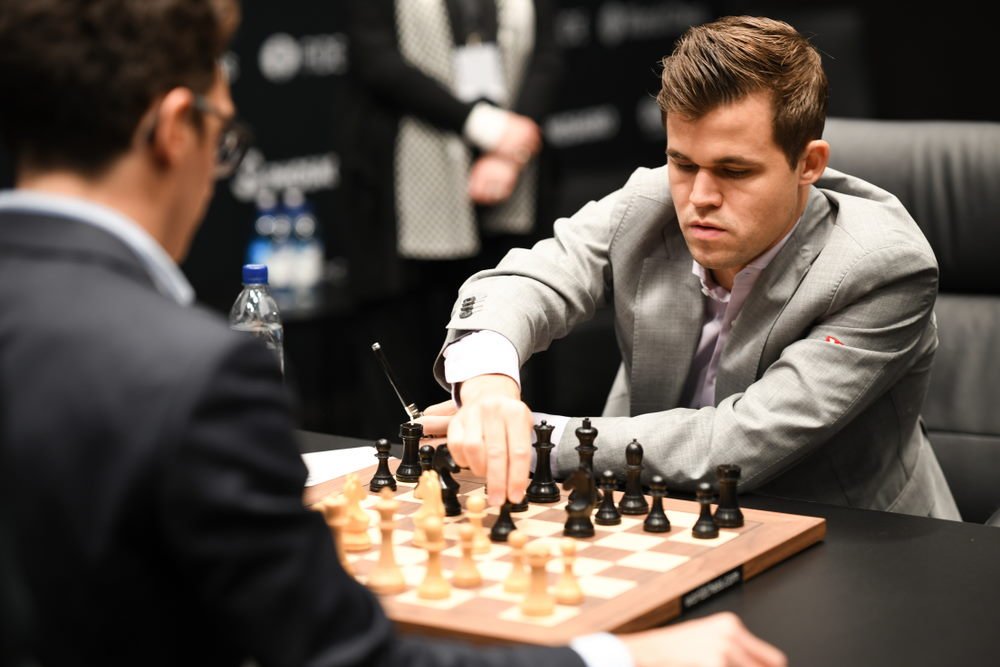
The Norwegian Magnus Carlsen modernized chess and made it popular with millions of new fans. He won the world title in 2013 and defended it four times, before choosing not to defend it again in 2023. He said he lacked the motivation for another long title match.
Carlsen reached the highest rating in history, 2882, in 2014. His strength lies in his endurance: he grinds out wins in positions where other grandmasters would settle for a draw. He has been the world’s number one player since 2011 and also dominates faster formats, such as rapid and blitz. He remains the yardstick by which every new generation is measured.
3. Bobby Fischer (1943-2008)
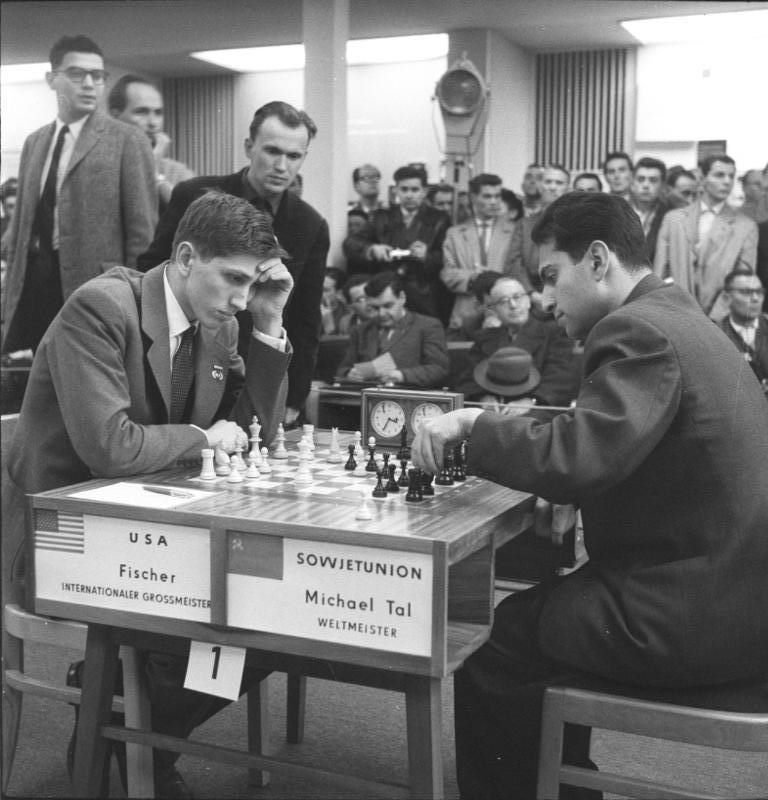
During the Cold War, Bobby Fischer put chess on the front pages of newspapers around the world. In 1972, he defeated the Soviet champion Boris Spassky in Reykjavik in the famous “Match of the Century”. It was more than a game: it was seen as an American victory over the Soviet chess machine.
Fischer was an eccentric genius whose life went off the rails after he won the title. He refused to defend it in 1975 and disappeared from public view for years. Despite his tragic personal decline, his games remain a source of inspiration, and his precision was far ahead of its time.
4. Anatoly Karpov (born 1951)
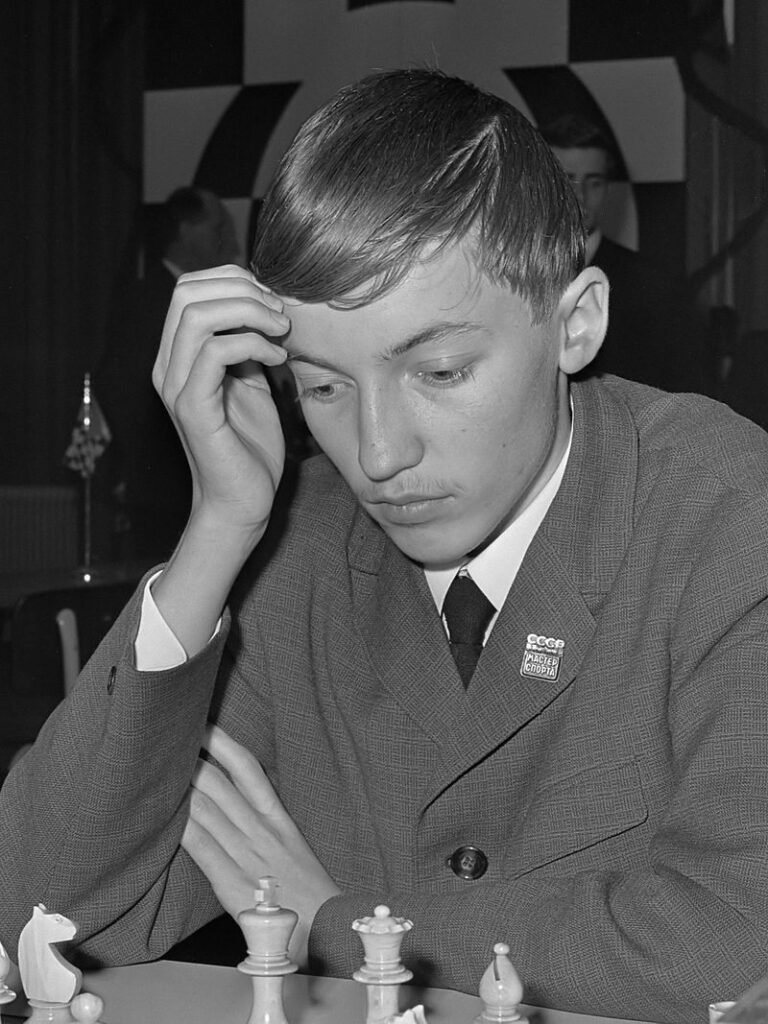
Karpov played chess like a boa constrictor. He slowly squeezed his opponents by systematically closing off every escape route. His style was not spectacular, with few wild sacrifices or flashy attacks, but it was extremely effective.
He became world champion in 1975, when Fischer refused to play him, and then proved himself by winning tournament after tournament. He held the title for ten years. His rivalry with Kasparov in the 1980s produced five world championship matches and hundreds of legendary games. Karpov showed that positional understanding and patience can be just as deadly as an aggressive attack.
5. José Raúl Capablanca (1888-1942)
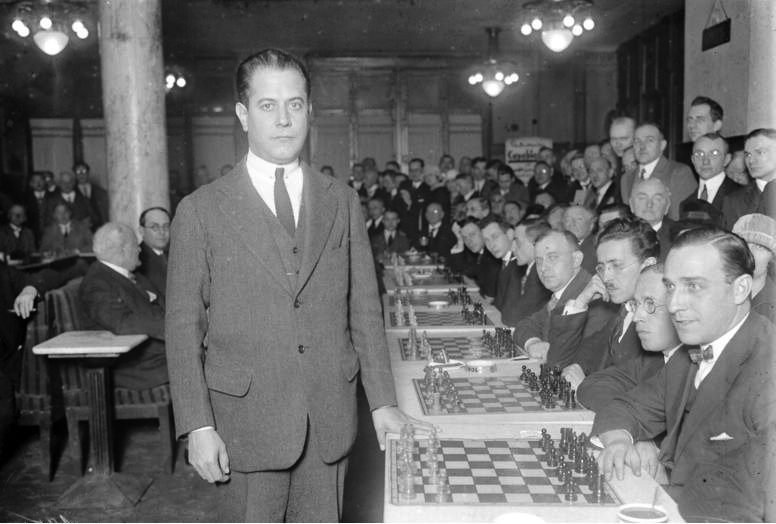
Capablanca was the Mozart of the chessboard. According to the story, the Cuban learned the game at the age of four, simply by watching his father play. He had a natural intuition that allowed him to find the best move without deep calculation.
Between 1916 and 1924, he did not lose a single serious game. He became world champion in 1921 and played with unprecedented clarity and efficiency. His loss to Alexander Alekhine in 1927 came as a shock to the chess world, and a rematch never took place.
6. Emanuel Lasker (1868-1941)
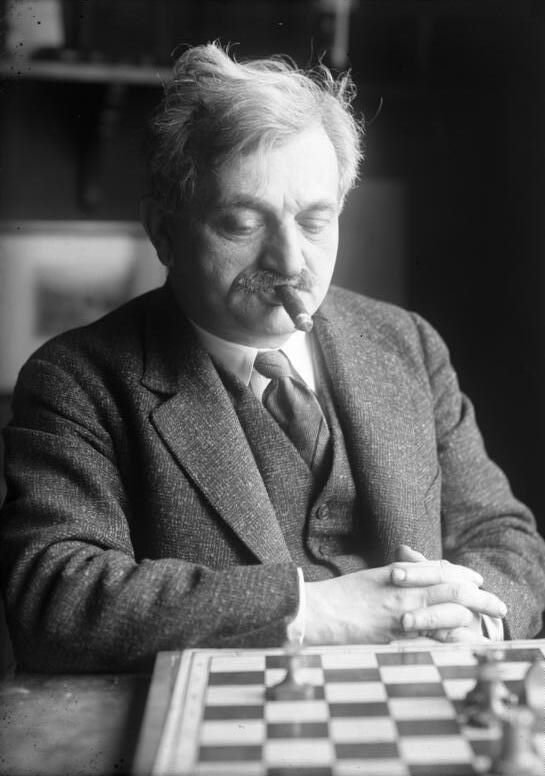
Lasker holds the record for the longest reign as world champion: 27 years, from 1894 to 1921. He was also a mathematician and philosopher. He was famous for his practical, fighting approach, and it was often said that he did not always play the objectively best move, but the one his particular opponent would find most uncomfortable.
Lasker outlasted several generations of top players and remained competitive into his sixties. Albert Einstein was a friend of his and wrote a foreword to a biography of him. His ability to survive in difficult positions was legendary.
7. Mikhail Botvinnik (1911-1995)
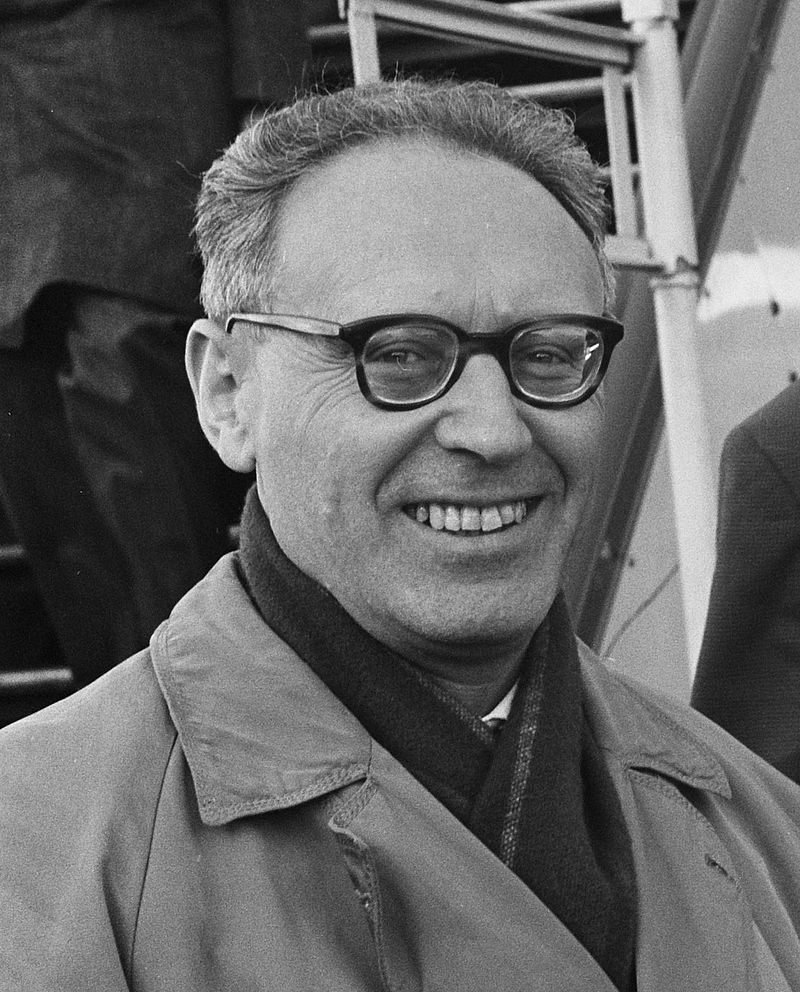
Botvinnik was the architect of the Soviet school of chess. He was a man of discipline and scientific analysis, and an electrical engineer by profession. To prepare for tournaments, he played training games in which his opponent blew cigarette smoke in his face, so that he could concentrate under any conditions.
His influence reached far beyond his own games. His chess school trained future world champions, including Karpov, Kasparov and Kramnik. Soviet dominance in chess in the second half of the 20th century owes a great deal to his methods.
8. Alexander Alekhine (1892-1946)
Alekhine was a tactical genius known for his complex, attacking chess. He defeated the seemingly invincible Capablanca after months of obsessive preparation for the Cuban’s style. His combinations were often breathtakingly beautiful.
His legacy is tarnished, however, by his conduct during the Second World War, when antisemitic articles published under his name were used for Nazi propaganda. Alekhine died in Portugal in 1946, the only world champion to die while still holding the title. Despite the dark chapters in his life, his contribution to chess theory is undisputed.
9. Viswanathan Anand (born 1969)
Anand is the man who turned India into a chess superpower. He became undisputed world champion in 2007 and defended his title several times against challengers from different generations. His nickname, “the Tiger of Madras”, refers to his lightning-fast calculation.
At his peak, he could play complex positions faster than most amateurs can think of a move. Anand is known as a true gentleman: always respectful and modest. He paved the way for the young Indian talents now storming the top, including Gukesh Dommaraju, who in 2024 became the youngest undisputed world champion in history.
10. Vladimir Kramnik (born 1975)
In 2000, Vladimir Kramnik did what seemed impossible: he dethroned Garry Kasparov without losing a single game. He used the Berlin Defense to neutralize Kasparov’s aggressive play, and his match strategy changed modern opening theory for good.
Kramnik is regarded as one of the deepest strategists in history, with remarkable opening knowledge and a talent for exploiting small advantages. He retired from professional classical chess in 2019. In recent years, he has become an outspoken, and controversial, campaigner against cheating in online chess.