Gold is expensive, but it is nothing compared to some of the substances on this list. Some are rare natural materials, others are created in particle accelerators and nuclear reactors at enormous cost.
These are the ten most expensive substances in the world, measured by price per gram. Prices change constantly and many are estimates, so treat the figures as a rough guide.
1. Antimatter: about 60 trillion dollars per gram
Antimatter is the mirror image of normal matter: every particle has an antiparticle with the same mass but the opposite charge. When matter and antimatter meet, they annihilate each other and all their mass is turned into energy.
According to an estimate by NASA, producing one gram would cost around 62.5 trillion dollars. So far, labs like CERN have produced only tiny amounts, enough to hold a few atoms of antihydrogen in magnetic traps for a while.
2. Endohedral fullerenes: about 150 million dollars per gram
Fullerenes are cage-shaped molecules made of carbon atoms, nicknamed buckyballs. In endohedral fullerenes, a single atom, such as nitrogen, is trapped inside the cage.
In 2015, a spin-off company of the University of Oxford sold 200 micrograms for about 32,000 pounds, which works out to more than 100 million pounds per gram. They could be used to make atomic clocks small enough to fit in phones and cars, for extremely precise navigation without GPS.
3. Californium-252: about 27 million dollars per gram
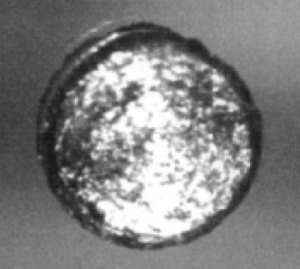
Californium is a radioactive element first made in 1950 at the University of California, Berkeley. Only a couple of reactors in the world can produce it, and the global production is just a fraction of a gram per year.
Californium-252 is a powerful source of neutrons. It is used to start up nuclear reactors, scan for oil and detect cracks in airplanes and metal structures.
4. Diamond: up to tens of thousands of dollars per gram
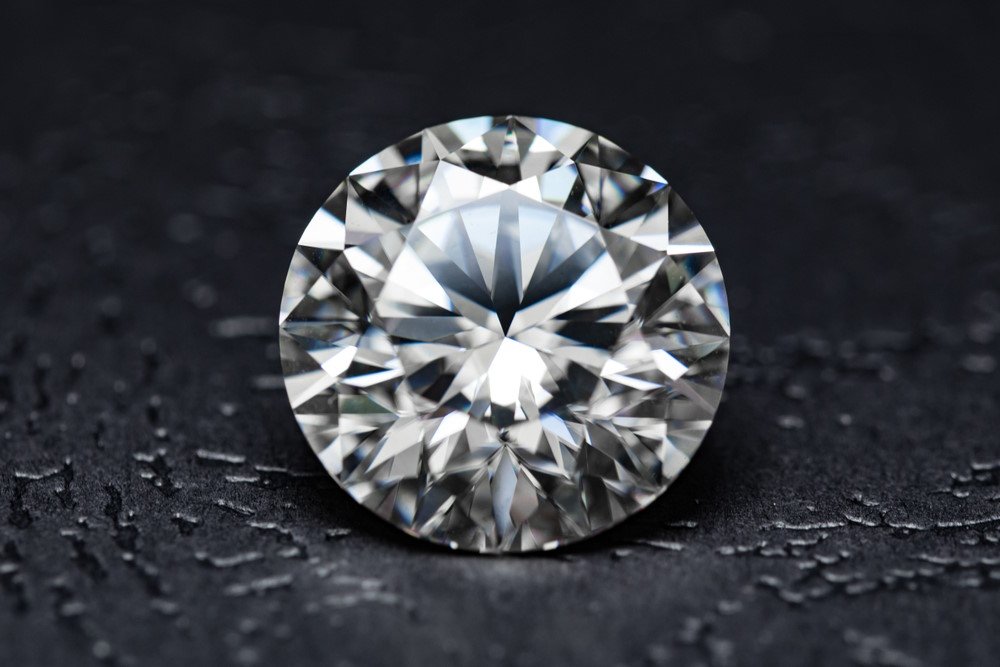
One carat is 0.2 grams, so a high-quality diamond selling for a few thousand dollars per carat is worth tens of thousands per gram. Large, flawless stones can be worth far more.
Diamonds are made of pure carbon, crystallized under extreme pressure deep in the Earth’s mantle. However, lab-grown diamonds, which are chemically identical, have pushed prices of natural diamonds down in recent years.
5. Tritium: about 30,000 dollars per gram
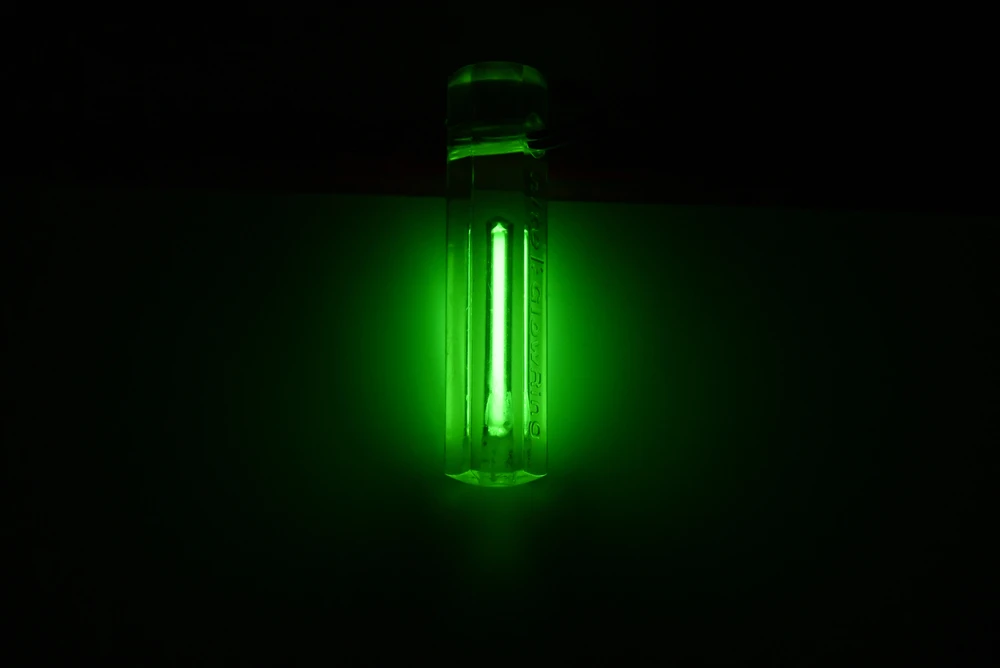
Tritium is a radioactive form of hydrogen, with one proton and two neutrons. It occurs in nature only in tiny amounts and is mostly produced in special nuclear reactors.
It is used in self-luminous watch dials, exit signs and gun sights, which glow for years without batteries. In the future, it could become even more important as fuel for fusion reactors such as ITER.
6. Taaffeite: thousands of dollars per carat
Taaffeite is one of the rarest gemstones in the world. It was discovered in 1945 by Irish gemologist Richard Taaffe, not in a mine, but in a box of cut gems he bought from a jeweler in Dublin, where it had been mistaken for spinel.
Gem-quality stones have been found in only a few places, such as Sri Lanka and Tanzania. Fine stones can sell for thousands of dollars per carat.
7. Plutonium: about 4,000 dollars per gram
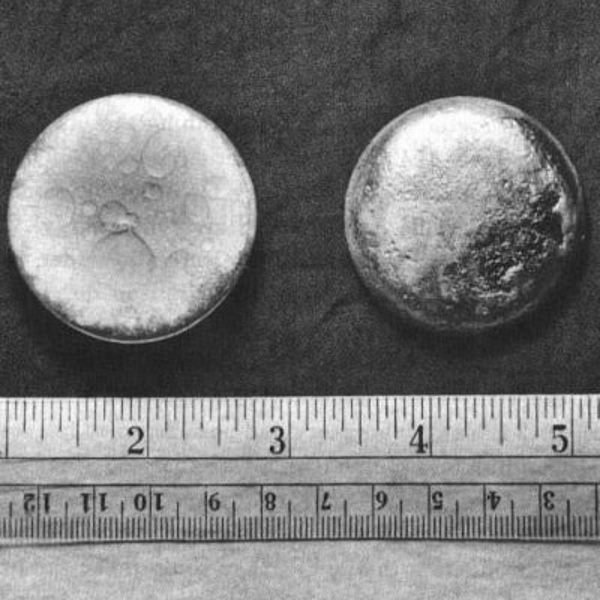
Plutonium hardly exists in nature and is produced in nuclear reactors. Its price is not a real market price, but reflects the huge cost of producing, purifying and securing it.
Plutonium-239 is used in nuclear weapons and reactors. Plutonium-238 gives off steady heat and powers space probes such as Voyager and the Mars rovers Curiosity and Perseverance.
8. Rhodium: hundreds of dollars per gram
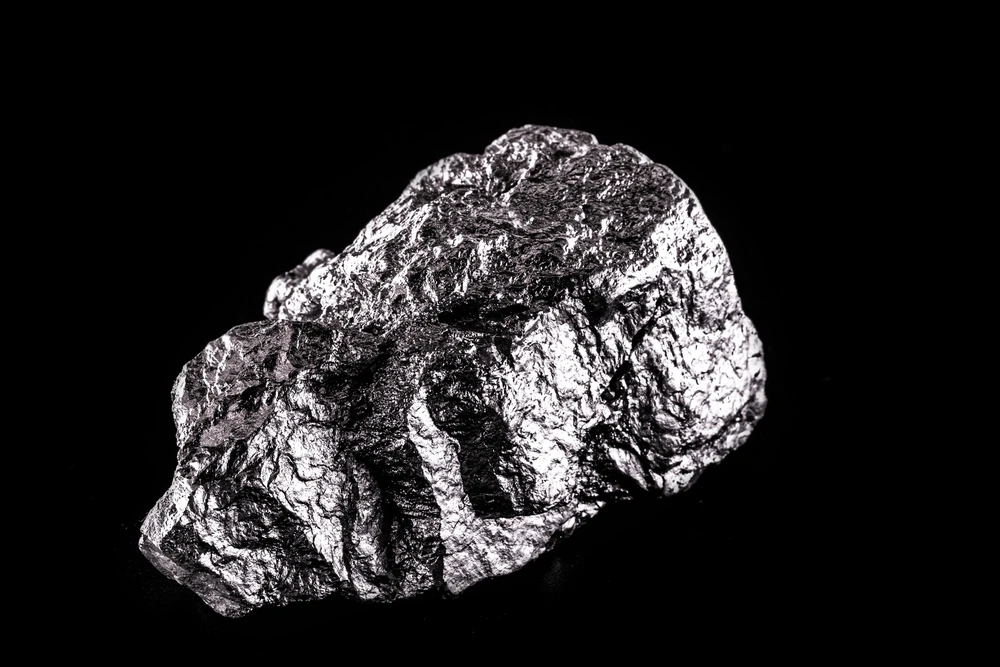
Rhodium is one of the rarest precious metals on Earth, mined mainly in South Africa and Russia as a by-product of platinum mining. Its price is extremely volatile: in 2021 it briefly reached more than 800 dollars per gram, before falling sharply.
Most rhodium goes into catalytic converters in cars, where it helps turn toxic nitrogen oxides into harmless gases. It is also used to give white gold jewelry its shiny finish.
9. Rhino horn: tens of thousands of dollars per kilo

On the black market, rhino horn can sell for tens of thousands of dollars per kilo. This illegal trade has pushed several rhino species to the brink of extinction. Demand comes mainly from parts of Asia, where it is used in traditional medicine or as a status symbol.
Medically, it is completely worthless. Rhino horn is made of keratin, the same protein as human fingernails, and has no proven medical effect.
10. Gold: more than 100 dollars per gram
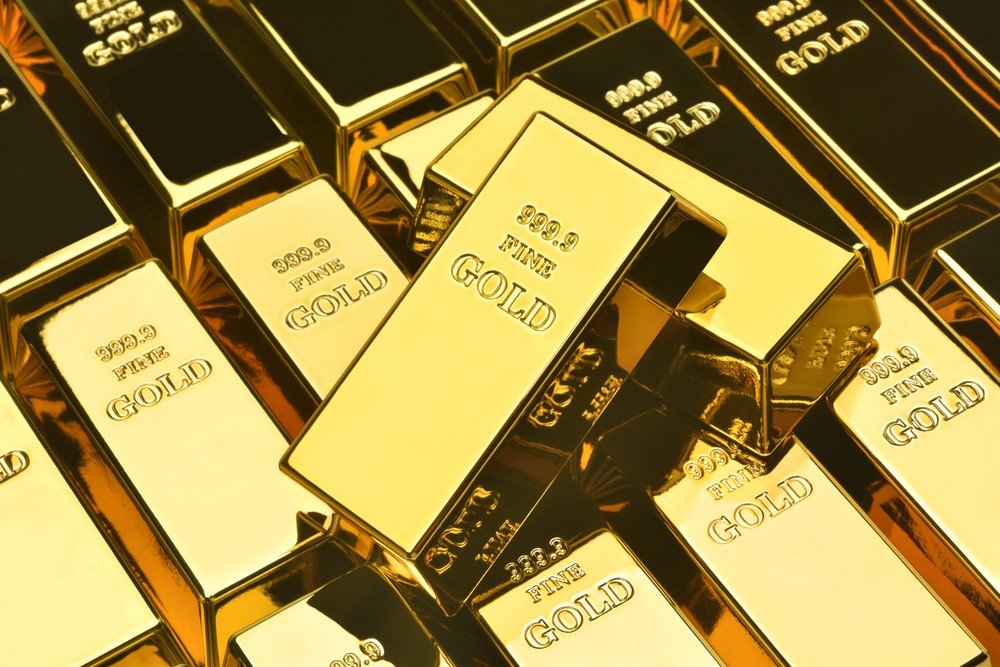
Gold has been a store of value for thousands of years. In 2025, geopolitical tension and central bank buying pushed the price to record highs of more than 100 dollars per gram.
Gold is not just for jewelry and vaults. Because it does not corrode and conducts electricity very well, almost every smartphone contains a tiny amount, and astronauts’ visors have a thin layer of gold to block the sun’s glare.