The urban landscape of the United States spans vast geographical distances, featuring economic capitals, cultural epicenters, and rapidly expanding sunbelt hubs. According to official data from the United States Census Bureau, urban areas accommodate the vast majority of the American populace, shaping commerce, governance, and regional culture across fifty states.
While metropolitan areas like Greater New York, Chicagoland, and the Dallas-Fort Worth metroplex encompass dozens of independent municipalities, municipal rankings strictly count residents living within incorporated city limits. This distinction between municipal boundaries and regional agglomerations reveals intriguing surprises across the American heartland and coastlines.
From historic colonial ports on the Atlantic seaboard to sun-drenched industrial centers in the Southwest, here are the top 10 largest cities in the United States by incorporated population.
10. Jacksonville (985,000 residents)
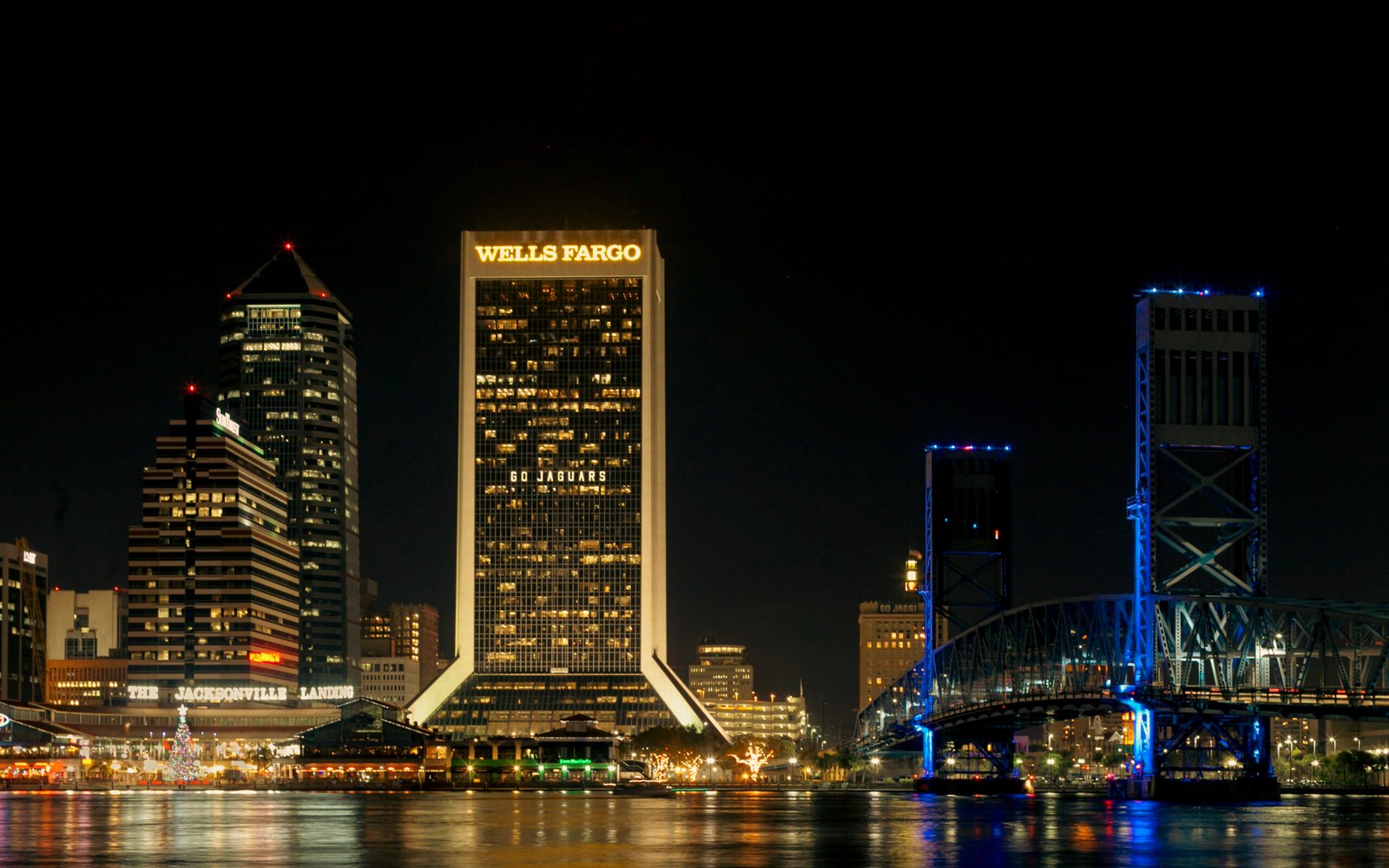
A surprise to many travelers, this northeast Florida city boasts a larger municipal population than Miami, Atlanta, or San Francisco. The explanation lies in municipal geography: in 1968, Jacksonville consolidated its municipal boundaries with surrounding Duval County.
As a result of city-county consolidation, Jacksonville spans over 875 square miles, making it the largest city by land area in the contiguous United States. Positioned along the St. Johns River and the Atlantic coast, the city functions as a major commercial deep-water port, logistics hub, and home to significant United States Navy installations.
9. Dallas (1.3 million residents)

Dallas anchors northern Texas as a premier commercial, financial, and transportation powerhouse. Together with neighboring Fort Worth, Arlington, and surrounding suburbs, it forms the fourth-largest metropolitan statistical area in the country.
Historically rising as an agricultural and petroleum center, modern Dallas has transformed into a major technology and telecommunications corridor known as the Telecom Corridor. The city boasts one of the largest continuous arts districts in the nation and serves as home to numerous Fortune 500 corporate headquarters.
8. San Diego (1.3 million residents)
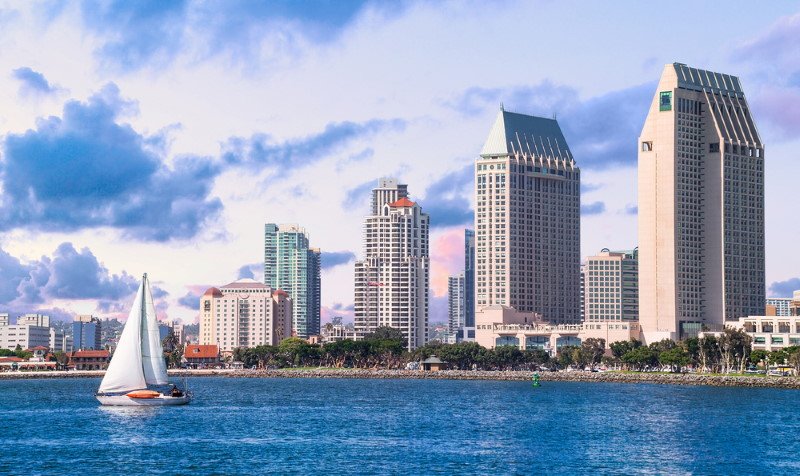
Located on California’s Pacific coast directly adjacent to the Mexican border, San Diego is renowned for its mild Mediterranean climate, expansive natural harbor, and miles of beaches. Behind its relaxed coastal lifestyle lies a serious economic and scientific engine.
The city is a preeminent center for United States naval operations, hosting the Pacific Fleet at Naval Base San Diego. Additionally, the presence of the University of California San Diego and the Salk Institute has fostered one of the largest biotechnology and life sciences clusters in the world.
7. San Antonio (1.4 million residents)
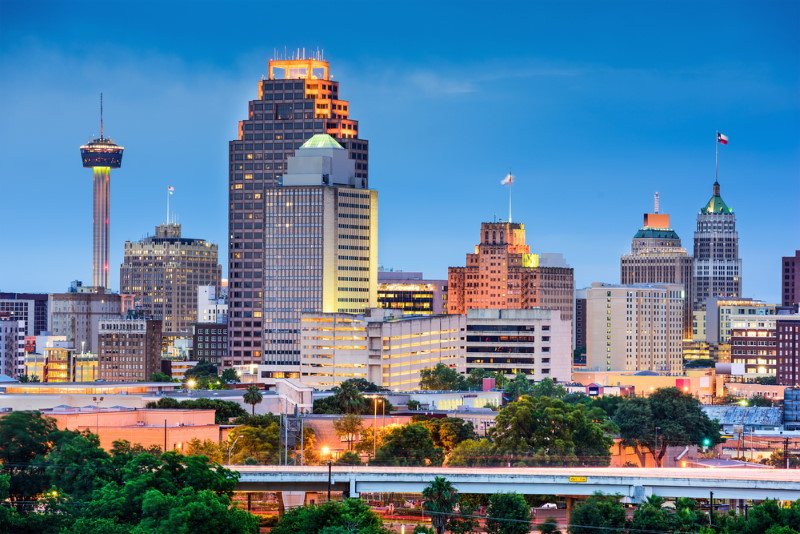
San Antonio is one of the fastest-growing major metropolitan areas in the United States, blending deep colonial history with rapid modern development. Founded as a Spanish mission and presidio in 1718, the city retains profound historical significance as the home of the Alamo.
The city is famous for its picturesque River Walk (Paseo del Rio), a network of stone walkways along the San Antonio River lined with shops, restaurants, and historic architecture. San Antonio also hosts a formidable military presence, colloquially termed Military City USA, alongside growing healthcare and financial sectors.
6. Philadelphia (1.5 million residents)
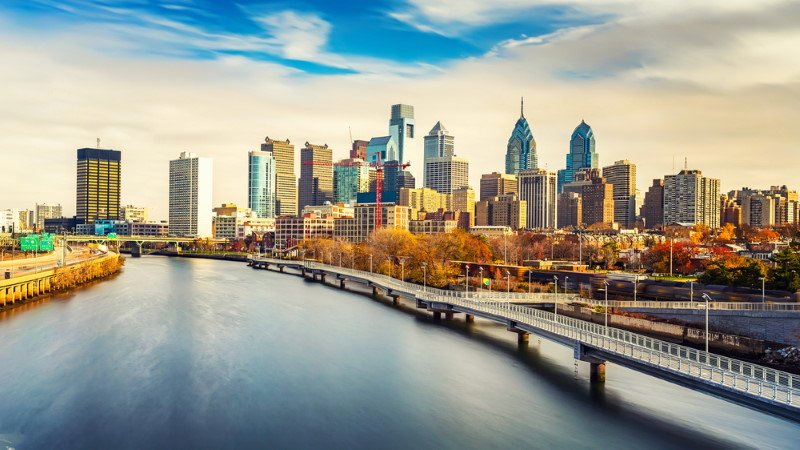
Philadelphia, affectionately known as the “City of Brotherly Love,” is the historic cradle of American democracy. Founded by William Penn in 1682, it served as a temporary national capital and the meeting site where both the Declaration of Independence and the United States Constitution were debated and signed.
Situated between New York and Washington DC along the Delaware and Schuylkill rivers, modern Philadelphia is an academic, medical, and cultural powerhouse. It is home to renowned cultural institutions like the Philadelphia Museum of Art and prestigious universities including the University of Pennsylvania.
5. Phoenix (1.6 million residents)
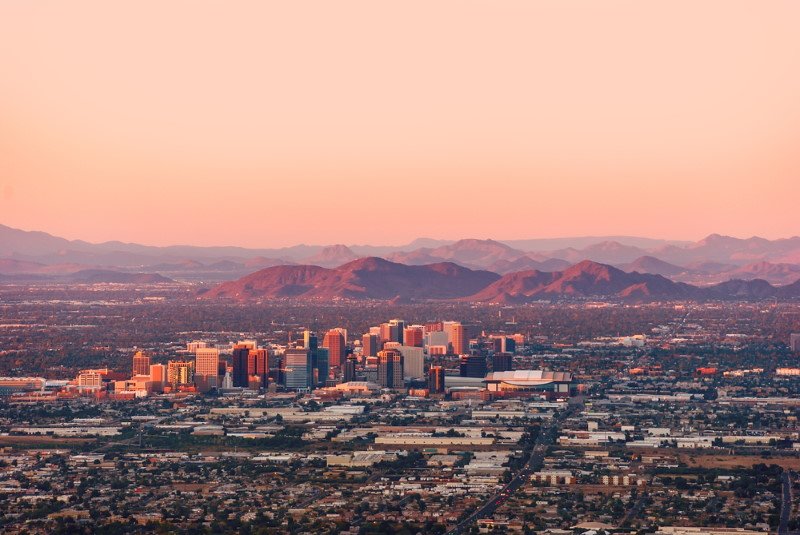
Phoenix stands as a remarkable urban phenomenon: a booming desert metropolis established in the northeastern reaches of the Sonoran Desert. As the state capital of Arizona, it is the only state capital with a population exceeding one million residents.
Known as the “Valley of the Sun,” the city enjoys more than three hundred sunny days per year. Phoenix has transitioned from an agricultural hub relying on the historic “Five C’s” (cotton, cattle, citrus, climate, and copper) into a major center for semiconductor manufacturing, technology, aerospace, and real estate development.
4. Houston (2.3 million residents)
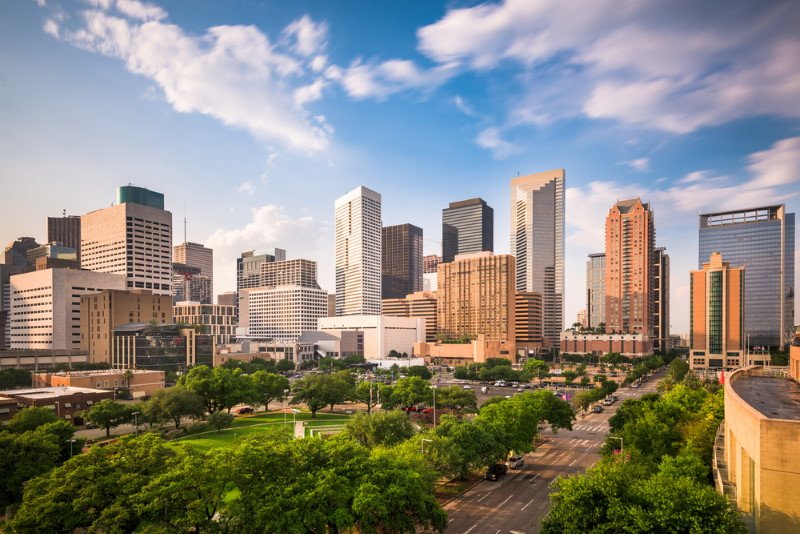
The largest city in Texas and the fourth largest in the nation, Houston is a sprawling, diverse metropolis near the Gulf of Mexico. It is globally recognized as the energy capital of the world, serving as the headquarters for thousands of oil, natural gas, and renewable energy companies.
Houston is equally famous as the home of NASA’s Lyndon B. Johnson Space Center, giving the city its official nickname “Space City.” The city also boasts the Texas Medical Center, the largest medical complex in the world, and the Houston Ship Channel, consistently ranking among the nation’s busiest commercial waterways.
3. Chicago (2.6 million residents)

Chicago sits along the southwestern shore of Lake Michigan, anchoring the Midwest as its premier financial, architectural, and industrial capital. Known worldwide as the “Windy City,” Chicago rebuilt itself with determination following the Great Chicago Fire of 1871, pioneering modern steel-frame skyscrapers.
The city’s iconic skyline features towering landmarks such as the Willis Tower (formerly Sears Tower) and the John Hancock Center. Chicago is home to major financial derivatives exchanges like the Chicago Mercantile Exchange, prestigious universities, world-class blues and jazz venues, and an exceptional network of parks along the lakefront.
2. Los Angeles (3.8 million residents)
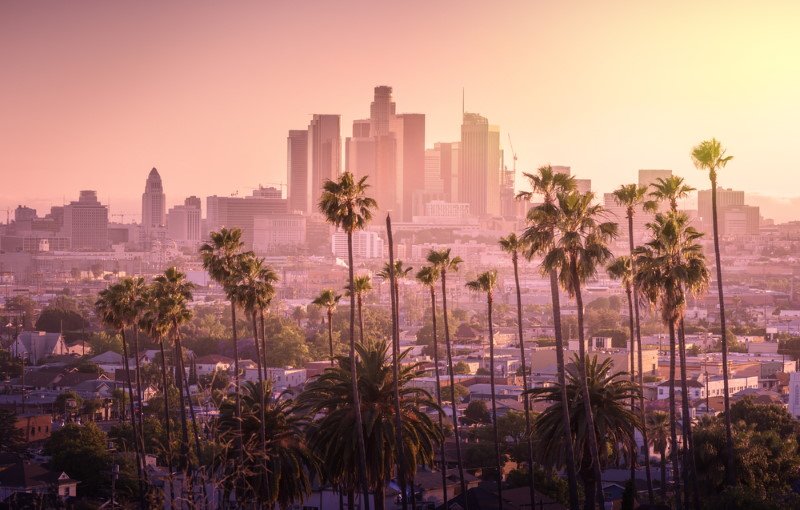
Positioned along the Pacific coast of Southern California, Los Angeles is the second-largest city in the United States and the undisputed entertainment capital of the world. Centered in a broad coastal basin bordered by the San Gabriel Mountains, the City of Angels encompasses iconic neighborhoods like Hollywood, Westwood, and Downtown LA.
Beyond motion pictures and music production, Los Angeles is an economic giant driven by international trade through the Port of Los Angeles (the busiest container port in the Americas), aerospace technology, fashion, and biomedical research. Its cultural diversity makes it one of the most multicultural urban centers on Earth.
1. New York City (8.3 million residents)
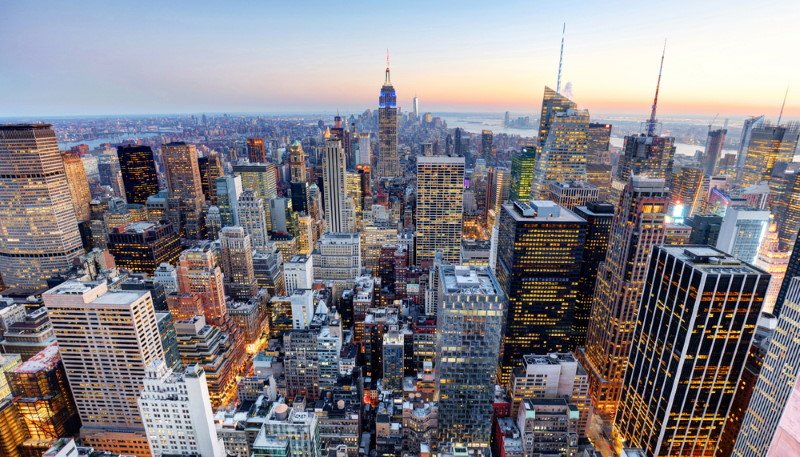
New York City stands in a league of its own, containing more than double the municipal population of any other American city. Composed of five distinct boroughs: Manhattan, Brooklyn, Queens, the Bronx, and Staten Island, the city exercises a monumental influence on global finance, media, fashion, art, and international diplomacy.
Anchored by Wall Street and the United Nations Headquarters, the city never sleeps, supported by a 24-hour subway system and world-renowned cultural landmarks from Central Park to Broadway. New York continues to serve as America’s preeminent cultural landmark and economic powerhouse, welcoming visitors and newcomers from across the globe.
Conclusion
From coastal financial centers to desert metropolises, these ten cities anchor American commerce, cultural identity, and daily life. As demographic trends continue to favor fast-growing regions across the South and Southwest, the rankings of America’s municipal giants will continue to evolve in coming decades.