Earthquakes represent one of the most violent and unpredictable geological forces shaping our planet. Driven by the relentless grinding of tectonic plates, stress accumulates along deep fault lines until bedrock fractures, unleashing shockwaves through the crust.
Global seismological surveys coordinated by the USGS Earthquake Hazards Program monitor hundreds of thousands of tremors every year. Research published in Nature Geoscience demonstrates that locked subduction zones store tremendous strain before releasing it in megathrust events. While seismic energy is released worldwide, these ten nations face the highest concentration of high-magnitude earthquakes and devastating geological vulnerability.
10. Mexico
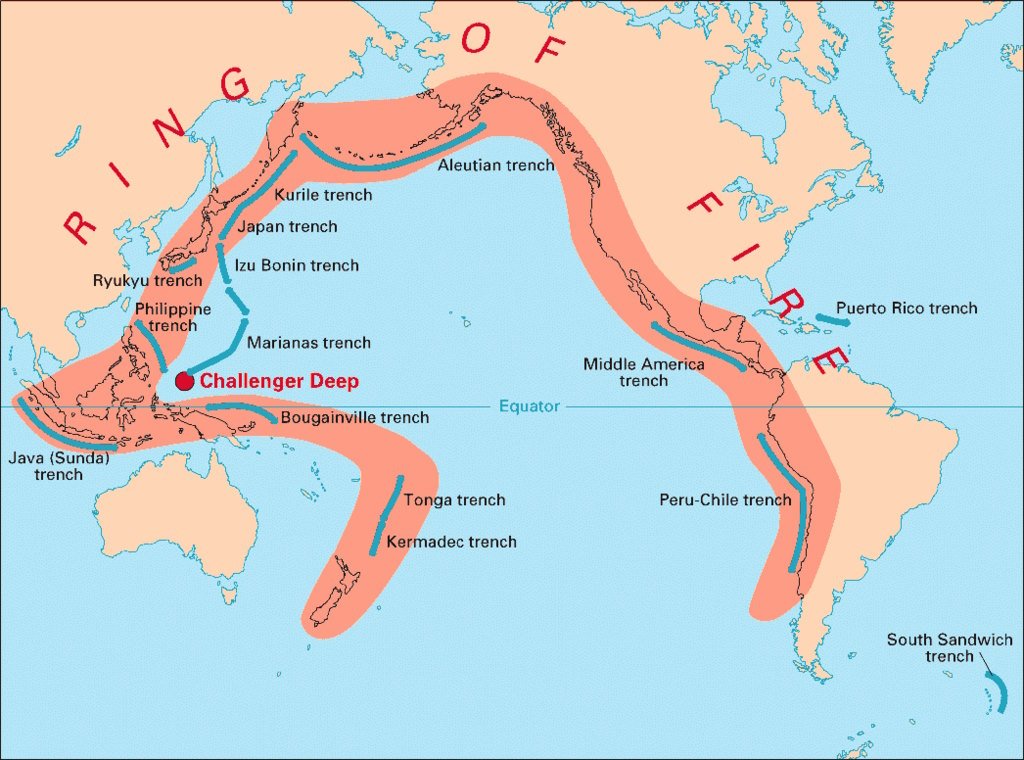
Mexico sits atop five distinct tectonic plates: the North American, Cocos, Pacific, Rivera, and Caribbean plates. The subduction of the dense oceanic Cocos Plate beneath North America along the Middle America Trench regularly sparks powerful tremors.
A unique hazard magnifies this risk: capital Mexico City sits upon ancient soft lacustrine clay beds that act like gelatin during seismic events, amplifying distant shockwaves and causing disproportionate structural damage.
9. Italy
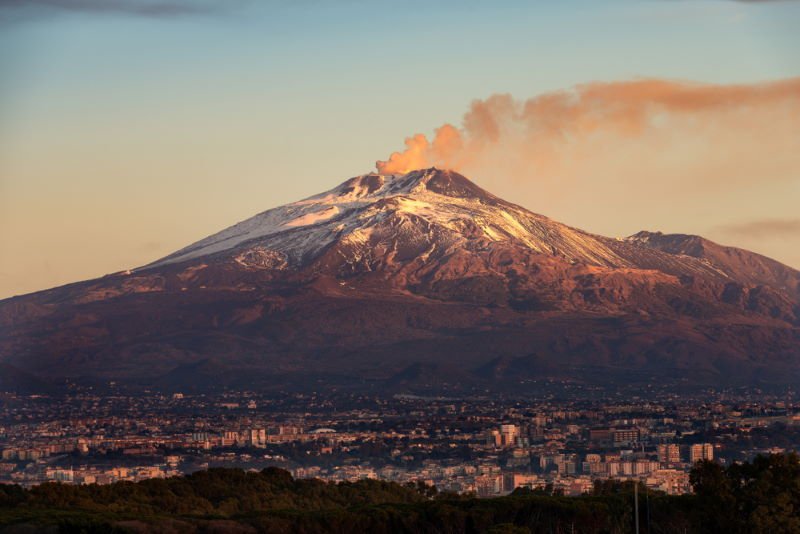
Italy is Southern Europe’s most seismically vulnerable nation. The slow northward collision of the African Plate into Eurasia crushes the Italian peninsula, forming complex fault systems along the spine of the Apennines.
Historic stone masonry in ancient mountain villages makes tremors in regions like L’Aquila, Umbria, and Amatrice particularly catastrophic, requiring ongoing historic building retrofits.
8. United States
Seismic risk across the United States is heavily concentrated along its western rim. California hosts the legendary San Andreas Fault system, where the Pacific and North American plates slide past each other at roughly five centimeters per year.
Further north, the Cascadia Subduction Zone off the Pacific Northwest harbors potential for a megathrust quake surpassing magnitude 9.0. In addition, Alaska experiences thousands of tremors annually, including the historic 1964 Good Friday earthquake.
7. Peru
Straddling South America’s western coastline, Peru lies directly in the collision path where the oceanic Nazca Plate drives beneath the South American continent. This ongoing subduction created the high Andes and fuels intense seismicity.
Coastal desert cities like Lima and historic highland settlements like Cusco face dual hazards: severe ground shaking followed by catastrophic mountain landslides and coastal tsunamis.
6. Turkey
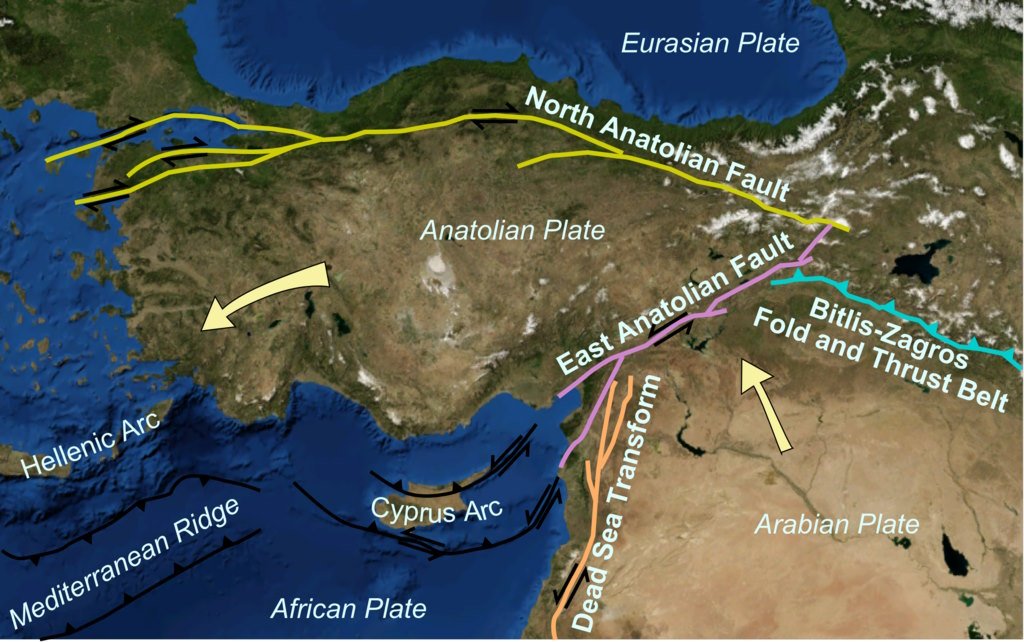
Turkey occupies the Anatolian microplate, which is being squeezed westward like a watermelon seed between the advancing Arabian and Eurasian plates. The deadly East Anatolian and North Anatolian fault lines traverse the country.
Tragic events like the 1999 Izmit quake and the catastrophic 2023 Kahramanmaraş earthquakes demonstrate the destructive potential of these shallow continental strike-slip faults.
5. Iran
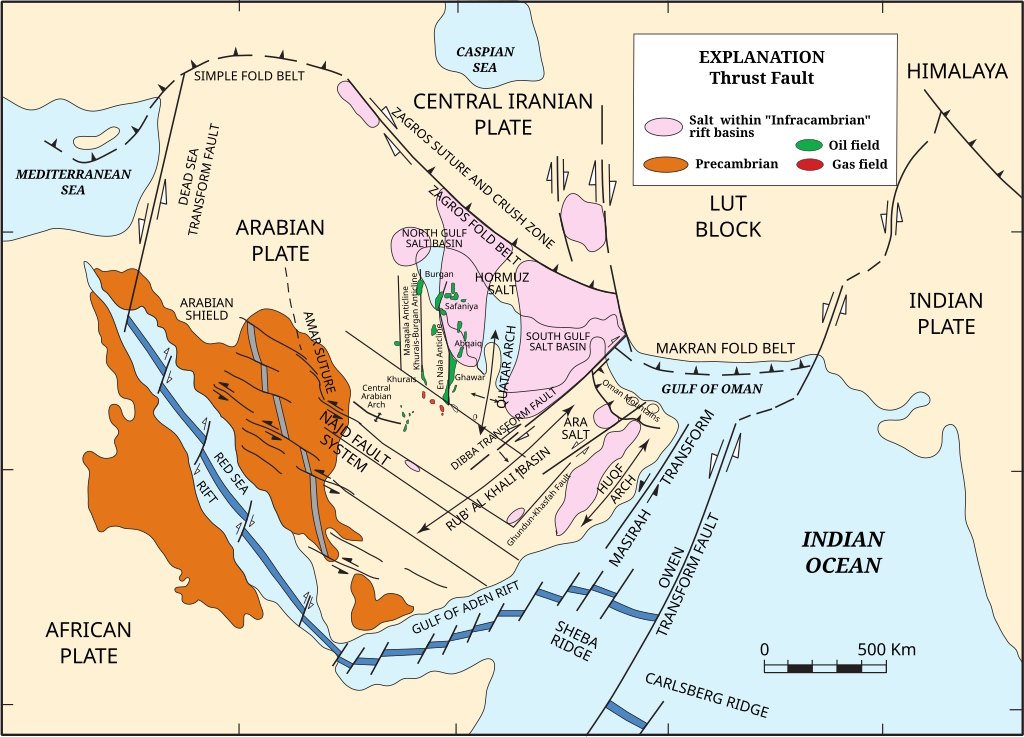
Iran represents one of the most tectonically compressed landmasses on Earth. As the Arabian Plate moves relentlessly northward into Eurasia, it crumples the Zagros and Alborz mountain chains.
Tremors in Iran are typically shallow, meaning destructive energy reaches urban centers without significant dispersion. The devastating 2003 earthquake in Bam underscored the extreme vulnerability of traditional adobe brick architecture.
4. The Philippines
The Philippine archipelago sits precariously along the western boundary of the Pacific Ring of Fire. Caught between the oceanic Philippine Sea Plate and the Eurasian Plate, the islands are splintered by the 1,200-kilometer Philippine Fault System.
Subduction trenches on both eastern and western coasts trigger frequent undersea tremors, exposing dense coastal populations to combined threats of ground deformation, liquefaction, and tsunamis.
3. China
The continuous collision of the Indian subcontinent into the Eurasian landmass drives crustal shortening across western and southwestern China, creating high-risk fault lines across Sichuan, Yunnan, and Xinjiang.
Historic catastrophes like the 1976 Tangshan earthquake and the 2008 Wenchuan earthquake in Sichuan claimed hundreds of thousands of lives, spurring rigorous modernization of national seismic building regulations.
2. Indonesia
Indonesia spans one of the most volatile tectonic crossroads in existence, where the Indo-Australian, Eurasian, and Pacific plates converge. The 5,000-kilometer Sunda Trench off Sumatra and Java generates colossal seismic strain.
The 2004 Indian Ocean earthquake (magnitude 9.1) and subsequent events highlight the perpetual danger faced by millions living along low-lying coastlines beneath active island arc volcanoes.
1. Japan
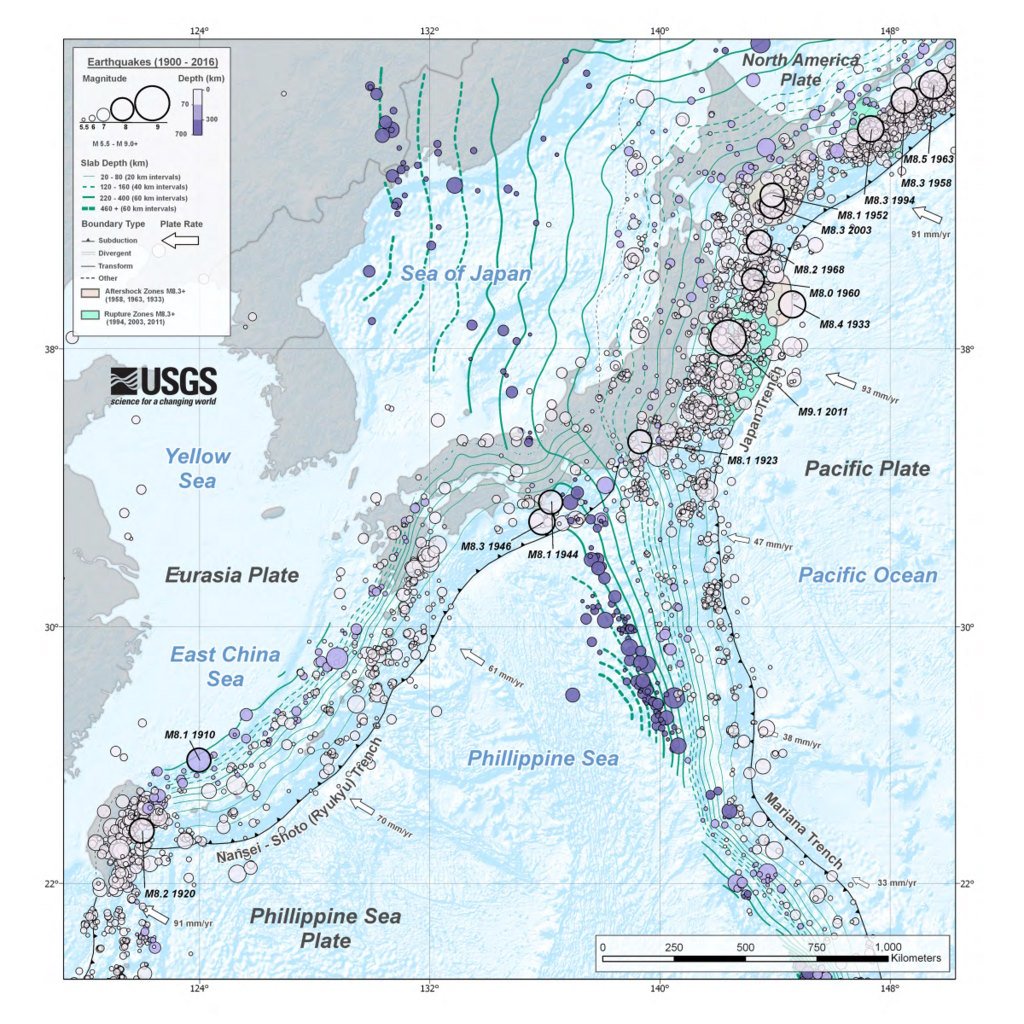
Japan sits directly atop the intersection of four major tectonic plates: the Pacific, Philippine Sea, Eurasian, and North American plates. It experiences approximately twenty percent of all magnitude 6.0 or greater earthquakes in the world.
In response to historic disasters like the 1995 Kobe earthquake and the 2011 Tohoku megathrust disaster, Japan developed the world’s most sophisticated early warning sensors, base-isolated skyscraper engineering, and nationwide public disaster preparedness protocols.