Mention a country, and most people instinctively name its largest, wealthiest, or most glamorous metropolis. Yet global geography is packed with unexpected political capitals, often selected intentionally to defuse fierce regional rivalries, protect governance during wartime, or balance linguistic divides.
From planned mid-century administrative hubs to historic compromises, these political seats routinely baffle pub trivia players. Exploring the archives of Encyclopaedia Britannica alongside world heritage surveys by UNESCO reveals the historical reasoning behind these ten surprising capitals.
10. Australia: Canberra (Not Sydney or Melbourne)
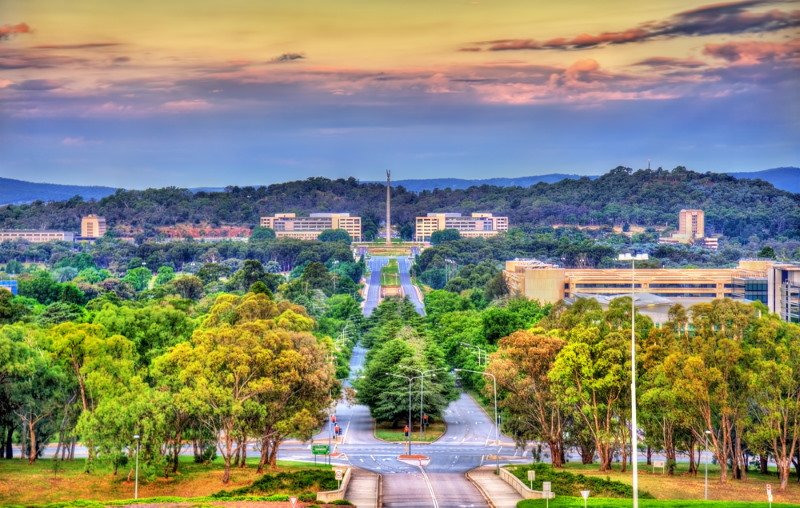
Ask casual observers to name Australia’s capital, and Sydney or Melbourne invariably tops the list. The actual capital is Canberra, an entirely planned city situated in the Australian Capital Territory between the two competing giants.
Selected in 1908 as an explicit compromise to resolve decades of bitter rivalry between New South Wales and Victoria, American architect Walter Burley Griffin laid out the garden city around an artificial lake to serve purely administrative functions.
9. Canada: Ottawa (Not Toronto or Montreal)
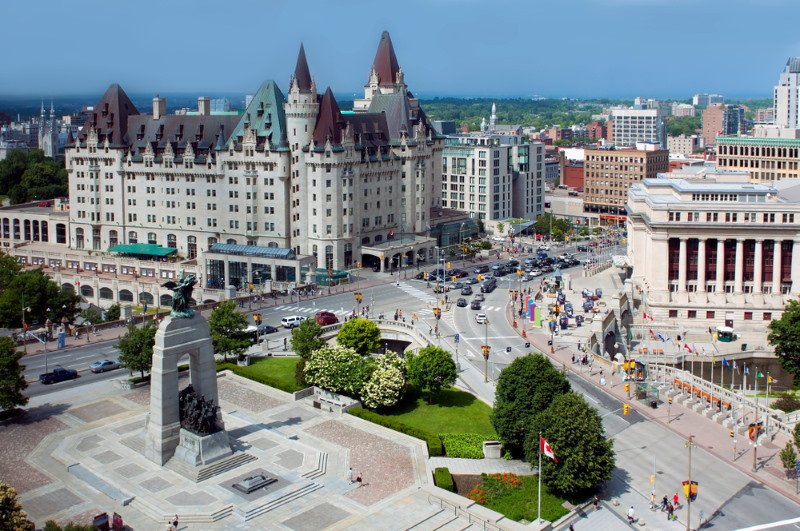
Toronto commands Canada’s financial empire, while Montreal serves as the cultural focal point of French-speaking Quebec. Neither holds the capital crown. That distinction belongs to Ottawa, a former lumber town chosen by Queen Victoria in 1857.
Perched right on the provincial boundary between Ontario and Quebec, Ottawa bridged linguistic divides while sitting safely inland from potential cross-border American raids along the St. Lawrence River.
8. New Zealand: Wellington (Not Auckland)
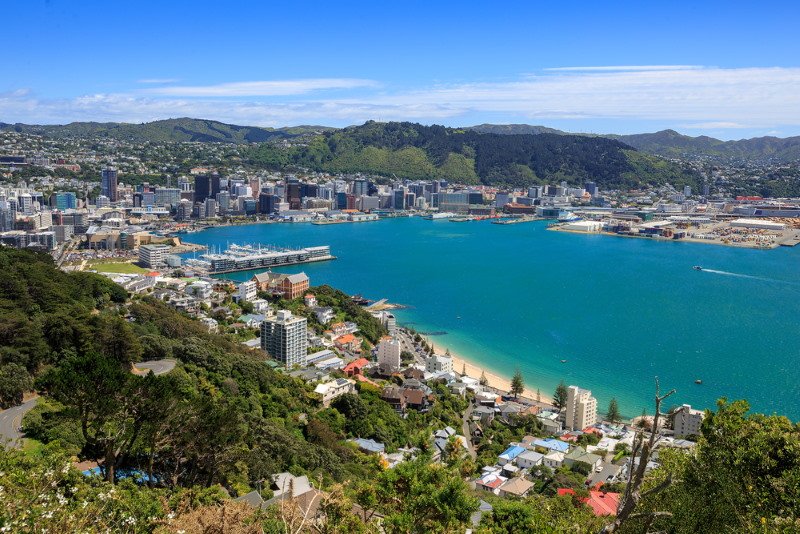
Auckland is New Zealand’s bustling commercial hub and home to roughly a third of the national population. Auckland served as the capital until 1865, when political leaders grew concerned that South Island settlements would secede over feeling neglected.
Wellington, located at the southern tip of the North Island along Cook Strait, was designated the new seat of government because of its central maritime location, binding the country together.
7. South Africa: Pretoria, Cape Town, and Bloemfontein (Not Johannesburg)
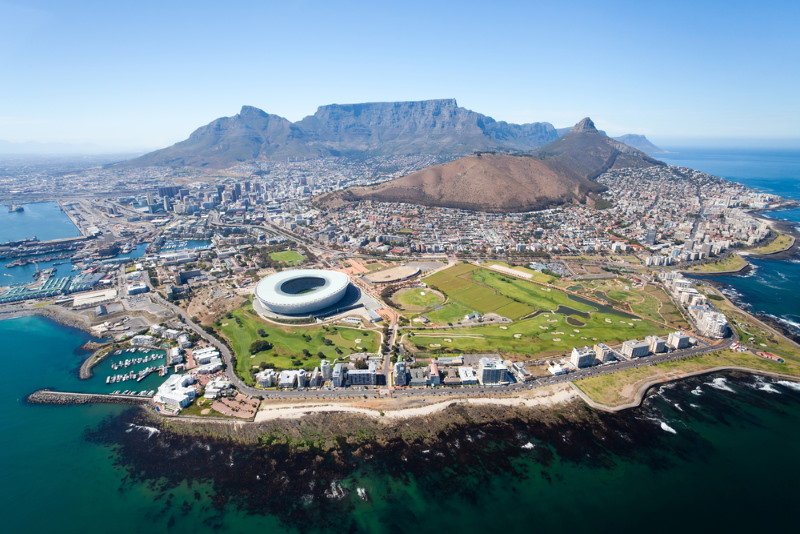
Johannesburg is South Africa’s largest metropolis and economic engine, yet it holds none of the nation’s capital functions. South Africa divides its government across three distinct capitals.
Pretoria acts as the executive capital housing the president and cabinet; Cape Town serves as the legislative capital where Parliament sits; and Bloemfontein operates as the judicial seat of the Supreme Court of Appeal, a system established in 1910 to balance regional Boer and British colonies.
6. Turkey: Ankara (Not Istanbul)
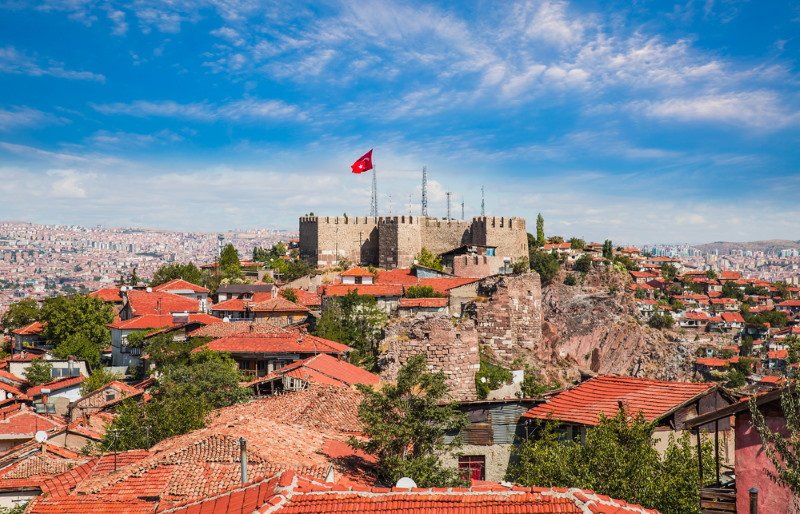
Istanbul was the imperial heart of both the Byzantine and Ottoman Empires for sixteen centuries, and it remains Turkey’s cultural and economic flagship. Yet in 1923, Mustafa Kemal Atatürk formally proclaimed Ankara the capital of the new Turkish Republic.
Following World War I, Allied forces occupied Istanbul. Atatürk orchestrated the War of Independence from the rugged, defensible inland plateau of Anatolia, consciously breaking with the imperial past to build a modern secular state.
5. Myanmar: Naypyidaw (Not Yangon)
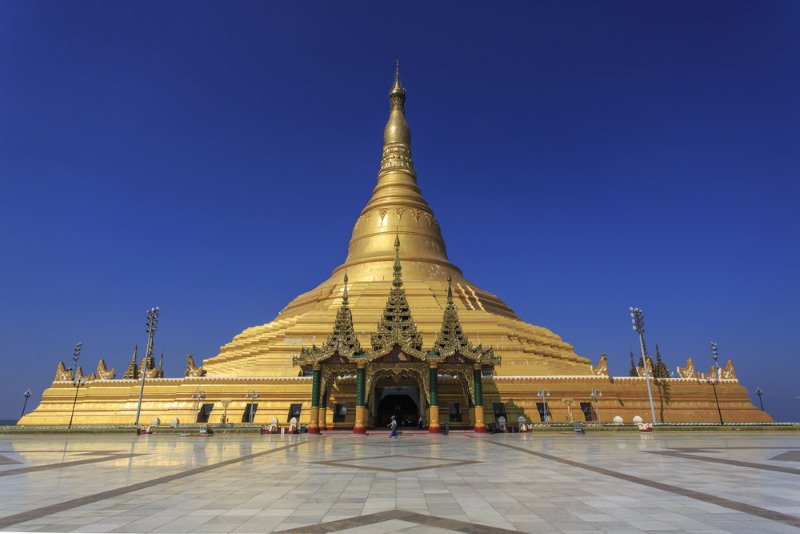
Yangon (formerly Rangoon) remains Myanmar’s cultural and commercial center, with over five million residents. In November 2005, the ruling military junta abruptly relocated the entire administrative apparatus 320 kilometers north to a freshly built city called Naypyidaw.
Featuring twenty-lane highways that are largely devoid of civilian traffic and sprawling bureaucratic compounds, the isolated capital was created to insulate leadership from public urban protests.
4. Brazil: Brasília (Not Rio de Janeiro or São Paulo)
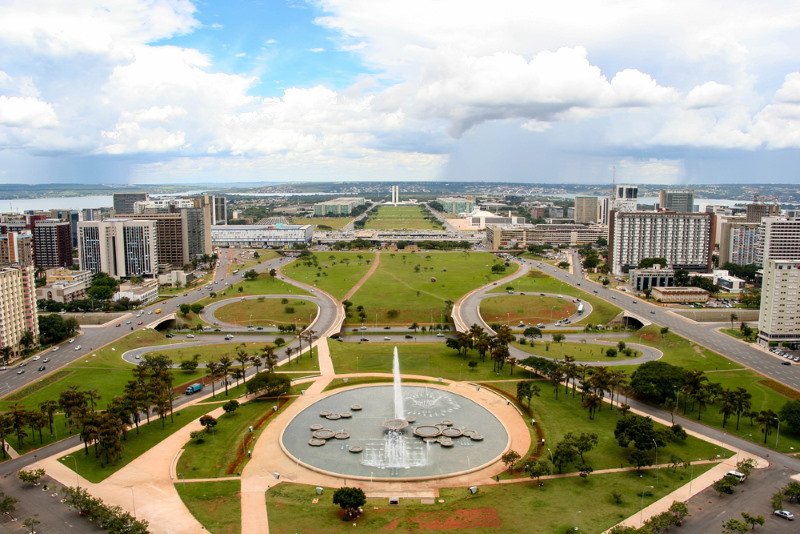
Rio de Janeiro was Brazil’s glamorous seaside capital for nearly two centuries, while São Paulo grew into South America’s financial giant. In 1960, President Juscelino Kubitschek inaugurated Brasília, an ultra-modernist planned city in the dry central interior.
Shaped like an airplane by urban planner Lúcio Costa and architect Oscar Niemeyer, Brasília was envisioned to spur economic development away from the coast and unify the country’s vast inland territory.
3. Morocco: Rabat (Not Casablanca or Marrakech)
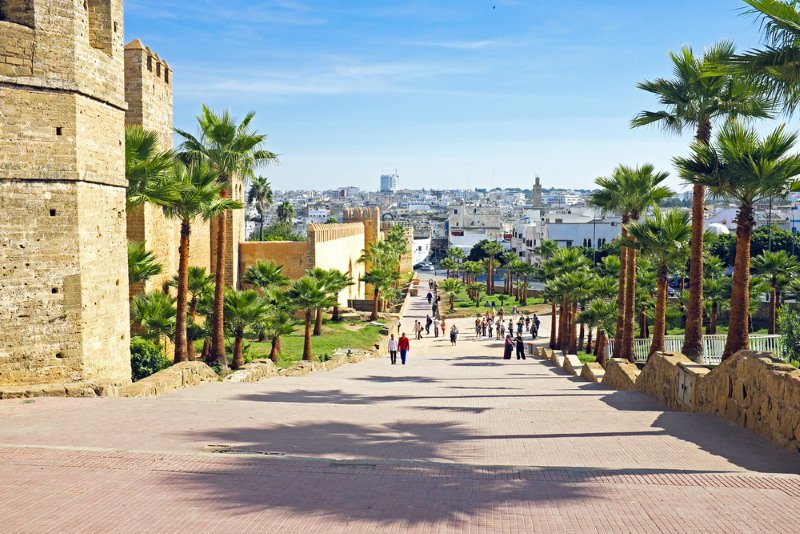
Casablanca embodies modern Moroccan commerce, while Marrakech captivates international tourists with ancient souks. Historic imperial politics long rotated between Fez and Meknes.
In 1912, French colonial administrator General Lyautey chose coastal Rabat as the administrative center to escape anti-colonial unrest in Fez. When Morocco regained independence in 1956, King Mohammed V retained Rabat as the permanent royal capital.
2. Sri Lanka: Sri Jayewardenepura Kotte (Not Colombo)
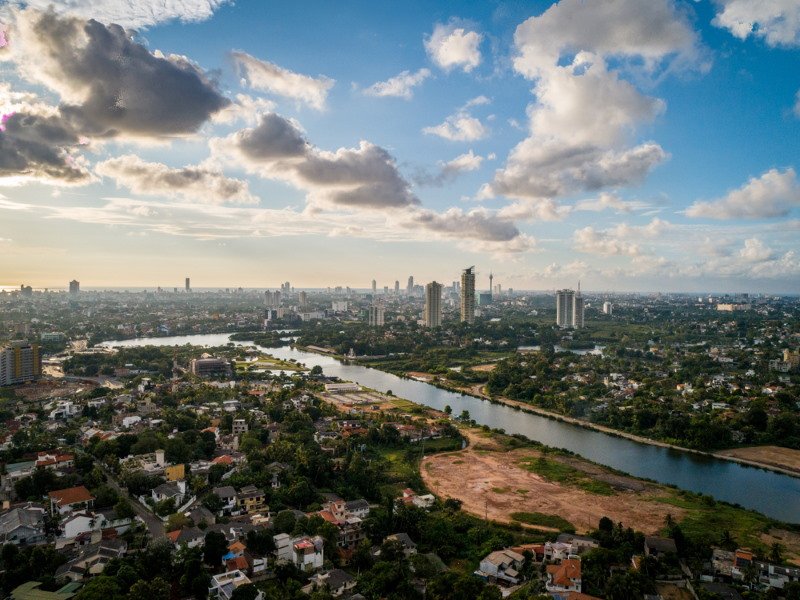
Colombo is universally recognized as Sri Lanka’s economic heartbeat and port gateway. In 1982, the national government formally shifted administrative and legislative functions to the satellite suburb of Sri Jayewardenepura Kotte.
Constructed around a purpose-built lake complex to relieve urban congestion in downtown Colombo, the tongue-twisting capital revives the historic name of a fourteenth-century Sinhalese kingdom.
1. Switzerland: Bern (Not Zurich or Geneva)
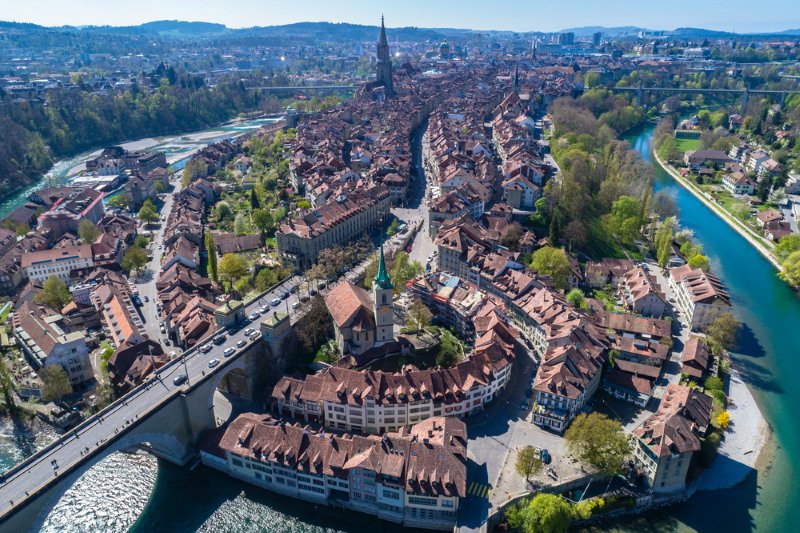
Technically speaking, the Swiss Confederation has no constitutional capital, as the federal constitution deliberately omits designating a Hauptort to respect cantonal sovereignty. Instead, Bern functions as the official federal city (Bundesstadt).
Zurich dominates international finance, and Geneva houses world diplomacy. When federal parliamentarians met in 1848, they deliberately bypassed the two giants, choosing the modest medieval town of Bern to ensure political equilibrium between French- and German-speaking cantons.