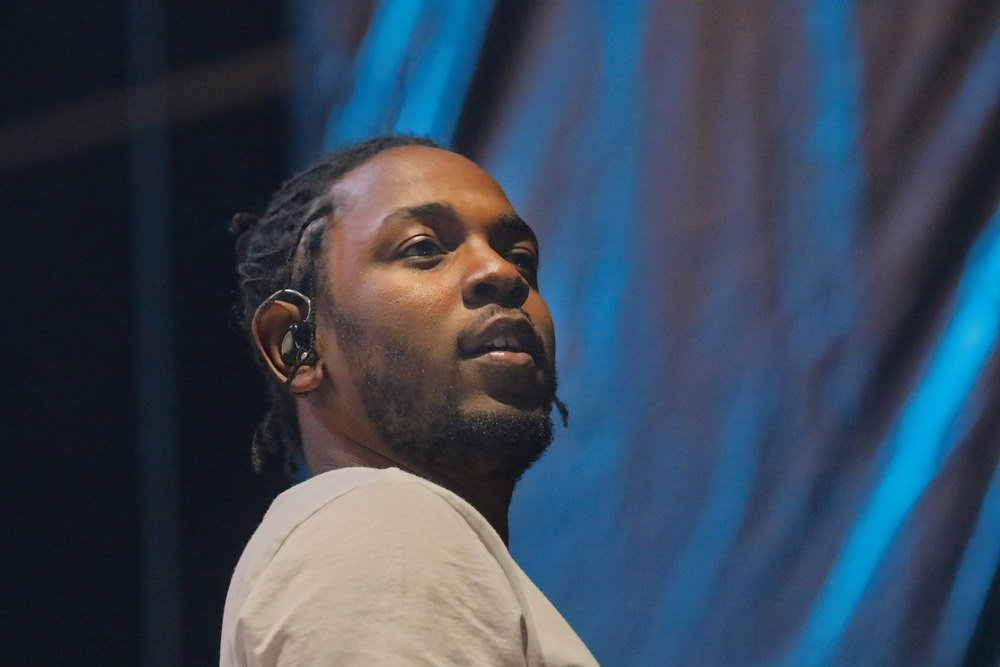
Kendrick Lamar Duckworth is universally acknowledged as the preeminent lyrical visionary and cultural philosopher of 21st-century hip-hop. Emerging from the gang-ravaged streets of Compton, California, under the banner of Top Dawg Entertainment (TDE) and Aftermath, Lamar systematically elevated rap music into the realm of high literature.
He became the first non-classical and non-jazz artist in history to be awarded the prestigious Pulitzer Prize for Music, earned 17 Grammy Awards, and shattered streaming records while headlining the Super Bowl Halftime Show.
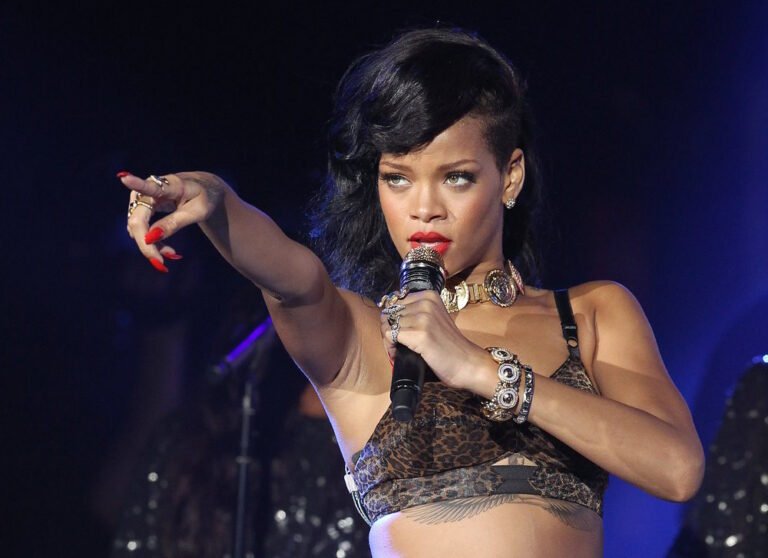
10. LOYALTY. (feat. Rihanna) (2017)
Featured on his Pulitzer Prize-winning 2017 opus DAMN., “LOYALTY.” united two of the most influential cultural icons of their generation. Produced by DJ Dahi, Sounwave, and Terrace Martin, the track ingeniously flips Bruno Mars’ “24K Magic” into a sluggish, pitch-shifted reverse-loop groove punctuated by heavy 808 sub-bass drops.
Kendrick and Rihanna trade charismatic, syncopated verses exploring the true price of devotion, friendship, and romantic commitment in an industry driven by superficial vanity.
9. Money Trees (feat. Jay Rock) (2012)
The shimmering, sun-drenched narrative centerpiece of his 2012 classic good kid, m.A.A.d city, “Money Trees” is widely considered one of the greatest storytelling records in modern hip-hop history. Produced by DJ Dahi, the track is built around a genius reverse-engineered sample of Beach House’s dream-pop cut “Silver Soul.”
Lamar delivers a languid, reflective flow detailing the daily economic temptations of street life in Compton, where easy money lures impoverished teenagers into dangerous compromises: “It go Halle Berry or hallelujah / Pick your poison, tell me what you doing / Everybody gon’ respect the shooter / But the one in front of the gun lives forever.”
8. Bitch, Don’t Kill My Vibe (2012)
Produced by Sounwave for good kid, m.A.A.d city, “Bitch, Don’t Kill My Vibe” was built around a gorgeous, breezy sample of Scandinavian band Boom Clap Bachelors’ “Tiden Flyver.” The track is a relaxed, jazz-inflected manifesto on protecting one’s creative integrity and peace of mind amidst the soulless commercial pressures of the music industry.
Lamar glides across the laid-back groove with effortless rhythmic pocket, singing the unforgettable chorus before unleashing intricate internal rhymes dissecting the shallow expectations placed on young Black artists.
7. King Kunta (2015)
The third single from his historic 2015 masterpiece To Pimp a Butterfly, “King Kunta” is an explosive, four-minute celebration of 1970s West Coast funk and Parliament-Funkadelic swagger. Produced by Sounwave and Terrace Martin, the track is driven by Thundercat’s concussive, slap-bass groove and interpolations of Michael Jackson and DJ Quik.
The title juxtaposes Kunta Kinte, the enslaved protagonist of Alex Haley’s Roots whose foot was amputated for attempting to escape bondage, with royal kingship.
6. Swimming Pools (Drank) (2012)
The lead commercial single from good kid, m.A.A.d city, “Swimming Pools (Drank)” pulled off a brilliant cultural paradox: it became a massive party anthem while being a deeply cautionary, harrowing dissection of alcoholism, peer pressure, and generational trauma. Produced by T-Minus, the track pairs sluggish, atmospheric trap synths with a pitch-shifted inner conscience.
Lamar chronicles his upbringing surrounded by heavy drinking in Compton, interrogating the psychological reasons people poison themselves to escape harsh realities: “Why you wanna get fucked up? / First you get a swimming pool full of liquor, then you dive in it.”
5. m.A.A.d city (feat. MC Eiht) (2012)
The song opens with the iconic battle cry: “Yawk! Yawk!”, before detonating into a frantic string sample engineered by THC.
Lamar delivers rapid, breathless verses detailing drive-by shootings, burglaries, and surviving the crack epidemic.
4. DNA. (2017)
Opening with the concussive force of an earthquake on 2017’s DAMN., “DNA.” is three minutes of unbridled lyrical ferocity produced by Mike WiLL Made-It. The track explores the contradictory heritage encoded in Lamar’s genetic and cultural makeup: loyalty, royalty, pain, ambition, and divine purpose.
The song features one of the most famous beat switches in hip-hop history: Mike WiLL constructed the chaotic second half of the instrumental around Kendrick’s unassisted, acapella freestyle in the vocal booth.
3. Alright (2015)
Co-produced by Pharrell Williams and Sounwave for To Pimp a Butterfly, “Alright” surpassed the boundaries of recorded music to become the definitive civil rights protest anthem of the 21st century. Built upon an infectious, jazzy saxophone progression and Pharrell’s buoyant vocal chant, the song confronts police brutality, systemic oppression, and spiritual exhaustion with unshakeable hope.
During the Black Lives Matter marches in 2015 and 2020, thousands of demonstrators across the United States chanted the famous refrain: “We gon’ be alright!”, in unison while confronting police barricades.
2. HUMBLE. (2017)
Serving as the seismic lead single for DAMN. in March 2017, “HUMBLE.” was four minutes of concussive minimalism produced by Mike WiLL Made-It. Driven by a heavy, distorted upright piano riff and bone-crushing 808 kicks, the track stripped away jazz orchestrations in favor of raw, combative trap swagger.
Lamar demands that contemporary rappers and cultural pretenders humble themselves before genuine greatness: “Sit down, be humble!” He critiques artificial beauty standards and celebrates natural Black beauty with razor-sharp cadence.
1. Not Like Us (2024)
Released on May 4, 2024, as the climactic, fatal blow in his historic lyrical showdown against Drake, “Not Like Us” achieved what no diss track in music history had ever accomplished: it became an groundbreaking, global number-one stadium anthem and universal cultural celebration. Produced by mustard (DJ Mustard), the track engineered a brilliant collision of bouncy West Coast hyphy, infectious handclaps, and concussive bass.
Lamar weaponized his unmatched technical agility, sharp cultural commentary, and hilarious, biting mockery, dismantling Drake’s authenticity and commodification of Black culture: “Say, Drake, I hear you like ’em young / You better not ever go to cell block one.”
Which choice on this list is your personal favorite? Share your thoughts and rankings in the comments below.