


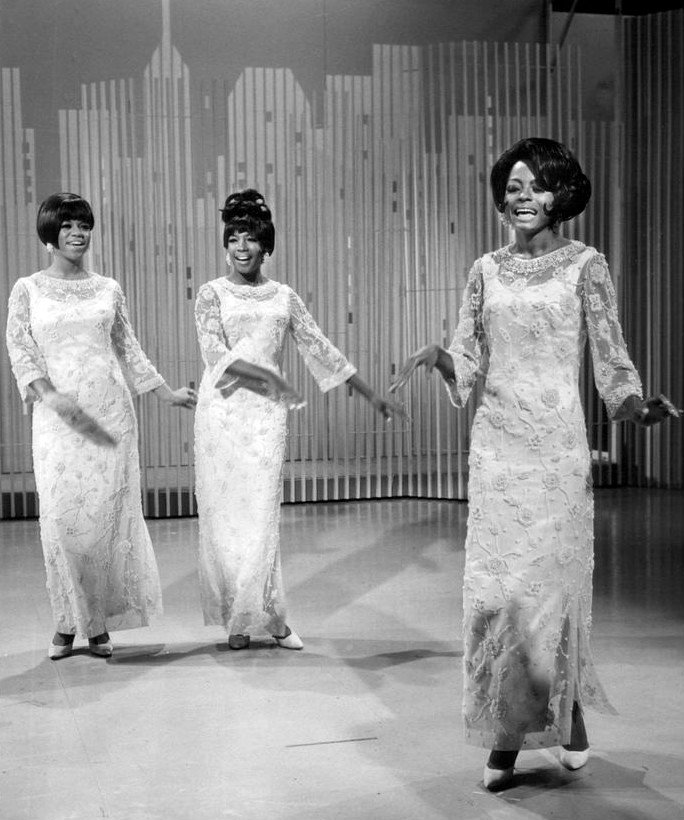
In the 60s, Motown was a factory, and The Supremes were the shiniest model to roll off the assembly line. But make no mistake: behind those perfect wigs and synchronized hand movements lay a musical revolution. Diana Ross, Mary Wilson, and Florence Ballard (and later Cindy Birdsong) formed the bridge between raw R&B and white pop radio. These are the songs where those two worlds collided and fused into pure gold.
10. Come See About Me
In the 60s, Motown was a factory, and The Supremes were the shiniest model to roll off the assembly line. But make no mistake: behind those perfect wigs and synchronized hand movements lay a musical revolution. Diana Ross, Mary Wilson, and Florence Ballard (and later Cindy Birdsong) formed the bridge between raw R&B and white pop radio. These are the songs where those two worlds collided and fused into pure gold.
9. Baby Love
This is the moment The Supremes transitioned from a successful act into a global phenomenon. It is almost frightening how perfectly this record is constructed: the footsteps in the intro, the “oohs” and “aahs” of Mary and Florence lying like soft pillows around Diana’s voice. It was the first time a girl group followed a number 1 hit with another number 1. Commercial perfection can sometimes feel cold, but here it sounds like a warm embrace that never lets go.
8. Where Did Our Love Go
It is the irony of pop history: the breakthrough for The Supremes came with a song they hated. They wanted to sing soul, not “childish tunes.” Diana Ross was so frustrated during the recording that she sang the lyrics much lower and flatter than intended, purely out of irritation. And exactly that—that bored, almost arrogant tone on top of that simple, stomping beat—made it magic. It transformed the “No-Hit Supremes” (as they were called in Detroit) into superstars.
7. Stop! In The Name Of Love
It is impossible to hear this song without seeing that hand gesture. But listen past the choreography. The production is a wall of sound: a church organ battling a wailing saxophone, all to support that giant cry in the chorus. It is a three-minute soap opera. Diana doesn’t play the pleading girlfriend here, but the traffic warden of romance drawing a line. Pure theater.
6. You Can’t Hurry Love
Bassist James Jamerson is the secret hero of this track. While the lyrics preach patience and waiting (“You just have to wait”), his bassline chases the song forward, panting and sweating. That tension between the message and the music makes it genius. Phil Collins tried it later, but he missed that typical Motown nervousness that makes this original so irresistible.
5. I Hear A Symphony
After a series of stomping dance records, Berry Gordy wanted The Supremes to be able to play the chic supper clubs. The result was this baroque pop gem. The structure is more complex, the melody modulates ever higher, as if infatuation is literally lifting you up. It is The Supremes at their most elegant point; less street, more silk. A song that sounds like the first day of spring after a long winter.
4. Love Child
The world was on fire, and The Supremes could no longer sing about puppy love. Gone were the sequined gowns, welcome sweatshirts and bare feet. “Love Child” is about poverty and children born out of wedlock—a taboo at the time. What gives the song extra weight (and makes it poignant) is that Mary Wilson and Florence Ballard don’t even sing on it; Diana is accompanied here by session singers The Andantes. It is the beginning of the end for the group, wrapped in their most urgent and raw single.
3. Reflections
What is that strange sound at the beginning? A synthesizer? A signal from space? Motown embraced the psychedelic summer of 1967. The Supremes suddenly sounded trippy and alienating, which fit the chaos within the band at that moment perfectly. It’s about a broken reflection, and that is exactly what the group had become: Florence Ballard was fired shortly after this. A beautiful, haunting song on the edge of the abyss.
2. Someday We’ll Be Together
The ultimate lie of pop music, and perhaps that’s why it’s so beautiful. The title promises unity, but in reality, this is the swan song. It was intended as Diana Ross’s first solo record but was released at the last minute as the final Supremes single. Mary and Cindy don’t sing a note on it. When Diana sings “I wanna be with you,” she is actually saying goodbye. The melancholy is real, even if the message is fabricated.
1. You Keep Me Hangin’ On
Forget the slow cover by Vanilla Fudge; this original is pure panic. That guitar riff at the beginning sounds like a Morse code for S.O.S. There is nothing sweet about this song. It is fast, aggressive, and full of frustration. Diana Ross doesn’t sound pitiful; she sounds like she is completely done with it. It’s funk, it’s rock, it’s soul. This is the moment The Supremes proved they were more than studio puppets; they were a powerhouse.
