Across the globe, human civilization has left behind monumental archaeological ruins, but few achievements compare to cities that have remained continuously inhabited across multiple millennia. While great metropolises like Babylon, Carthage, and Nineveh rose and eventually fell to ruin, several ancient settlements managed to endure wars, conquests, climate changes, and natural disasters, sustaining resident populations without interruption.
Defining the oldest continuously inhabited city involves archaeological debates regarding continuous habitation versus temporary abandonment. According to documentation compiled by institutions like the UNESCO World Heritage Centre and classical archaeological research, several settlements in the Middle East and eastern Mediterranean show evidence of unbroken settlement dating back to the Neolithic and Bronze ages.
Here are the 10 oldest continuously inhabited cities in the world, counting down to humanity’s most ancient surviving urban center.
10. Beirut, Lebanon: About 3000 BC
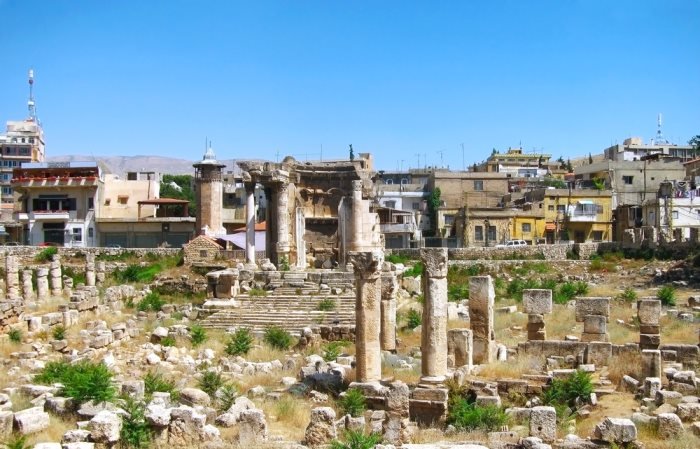
Beirut, the capital of Lebanon, has witnessed roughly five millennia of continuous human civilization. Archaeological excavations in the downtown district have uncovered Canaanite, Phoenician, Roman, and Byzantine strata, demonstrating continuous habitation since roughly 3000 BC.
During the Roman Empire, Beirut (then known as Berytus) became world-renowned for its prestigious imperial law school, which helped codify the famous Justinian legal code. Despite enduring repeated destruction from earthquakes, wars, and regional conflict throughout the centuries, Beirut has consistently rebuilt, earning a reputation for cultural resilience along the Mediterranean coast.
9. Plovdiv, Bulgaria: About 4000 BC

Plovdiv is recognized as the oldest continuously inhabited city in Europe, with evidence of human settlement dating back to around 4000 BC. Built around seven syenite hills along the Maritsa River in southern Bulgaria, the settlement began as a fortified Thracian village before being captured by Philip II of Macedon (father of Alexander the Great) and renamed Philippopolis.
Under Roman rule, Plovdiv flourished into a major regional center, leaving behind impressive monuments including a well-preserved ancient Roman theater and an ancient stadium. Today, Plovdiv’s picturesque Old Town displays nineteenth-century National Revival architecture alongside centuries of Roman and Ottoman history.
8. Sidon, Lebanon: About 4000 BC
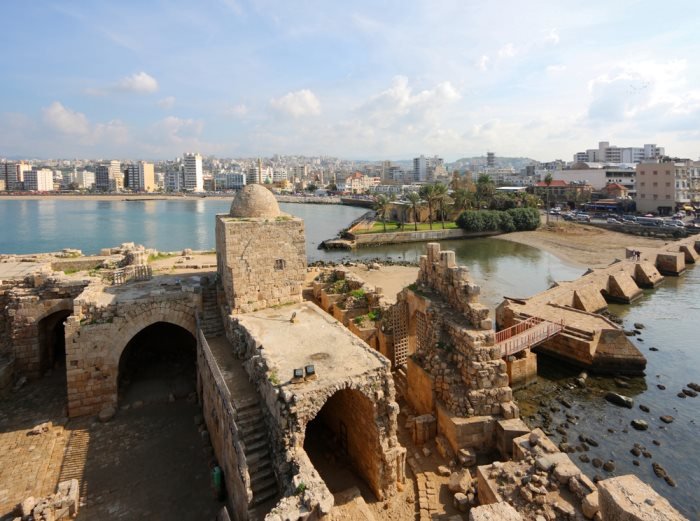
Located on the Mediterranean coast of modern Lebanon, Sidon was one of the foremost maritime city-states of ancient Phoenicia. By the fourth millennium BC, fishermen and maritime traders had established permanent settlements along its natural harbors, eventually pioneering Mediterranean trade routes.
Sidon gained ancient fame for its skilled craftsmen who perfected the manufacture of purple dye derived from murex snails and transparent glass production. Conquered successively by Assyrians, Babylonians, Persians, Greeks, and Crusaders, Sidon’s layered heritage is represented by landmarks like the Crusader Sea Castle constructed in the thirteenth century upon a small offshore island.
7. Faiyum, Egypt: About 4000 BC
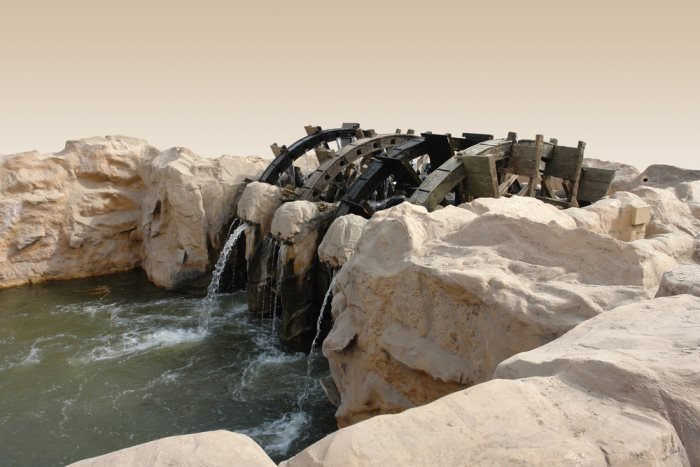
Faiyum, located southwest of Cairo in an oasis basin fed by a canal of the Nile River, has supported settled human communities since around 4000 BC. In ancient Pharaonic times, the settlement was known as Shedet and served as the center for the religious cult of Sobek, the crocodile deity, leading the Greeks to later name it Crocodilopolis.
Faiyum’s fertile agricultural basin made it an essential breadbasket for Egypt across the Hellenistic and Roman eras. The city is famous among archaeologists for the discovery of the Fayum mummy portraits, realistic wooden panel portraits attached to mummies during the Roman period that provide extraordinary human windows into classical antiquity.
6. Susa, Iran: About 4200 BC

Situated in the lower Zagros Mountains of southwestern Iran, Susa was founded around 4200 BC, making it one of the earliest urban centers in ancient the Near East. The city served as the historic capital of the ancient kingdom of Elam before later becoming the winter imperial residence of Persian Achaemenid kings, including Darius the Great and Xerxes I.
Archaeological digs at Susa have yielded some of history’s most valuable antiquities, most notably the basalt stele inscribed with the Code of Hammurabi, one of humanity’s earliest surviving legal codes. Susa’s extensive archaeological tell and palace ruins are designated as a UNESCO World Heritage site.
5. Damascus, Syria: About 4300 BC

Often cited as one of the world’s most enduring capitals, Damascus has supported settled agricultural and trading communities since at least 4300 BC. Located in an oasis basin watered by the Barada River, the city was a vital junction on ancient caravan routes connecting the Mediterranean coast with Mesopotamia and the Arabian Peninsula.
Damascus reached the height of its geopolitical influence in the seventh century when it became the imperial capital of the Umayyad Caliphate, reigning over an empire that extended from Spain to Central Asia. The city’s famous Umayyad Mosque, built upon earlier Roman temple foundations and a Christian basilica dedicated to John the Baptist, stands as an architectural wonder of the Islamic world.
4. Aleppo, Syria: About 4300 BC
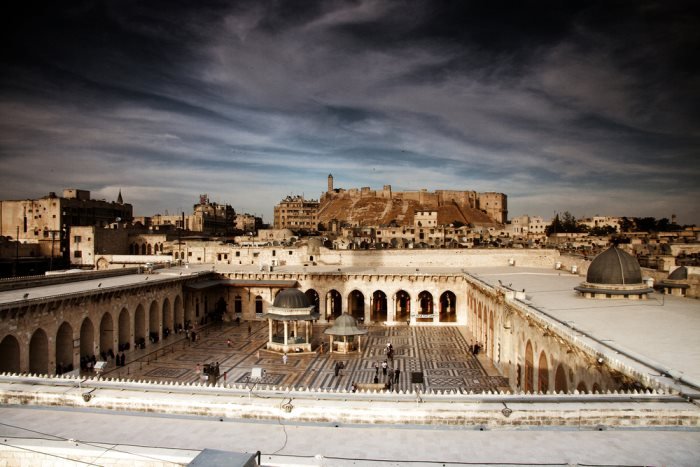
Positioned at the western end of the Silk Road between the Mediterranean Sea and the Euphrates River, Aleppo has been continuously inhabited since around 4300 BC. Its location at a commercial crossroads made it a premier market center for spices, silks, ceramics, and olive-oil laurel soap for thousands of years.
The city is dominated by the monumental Citadel of Aleppo, an ancient fortified hilltop palace recognized as one of the oldest and largest castles in the world. Beneath the citadel lie miles of historic covered souks and traditional merchant khans that have accommodated international traders across centuries of Levantine commerce.
3. Argos, Greece: About 5000 BC

Located on the fertile Argolic plain in the northeastern Peloponnese, Argos has maintained continuous settlement since approximately 5000 BC. In Greek mythology, Argos was considered one of the oldest cities in Hellas, frequently mentioned in Homer’s Iliad and closely associated with the hero Perseus and King Agamemnon.
Throughout classical antiquity, Argos was a powerful rival to Sparta for hegemony over the Peloponnese. Modern visitors can explore monumental ancient remnants, including the ancient theater of Argos carved directly into the rocky hillside, capable of seating up to twenty thousand spectators.
2. Byblos, Lebanon: About 5000 BC
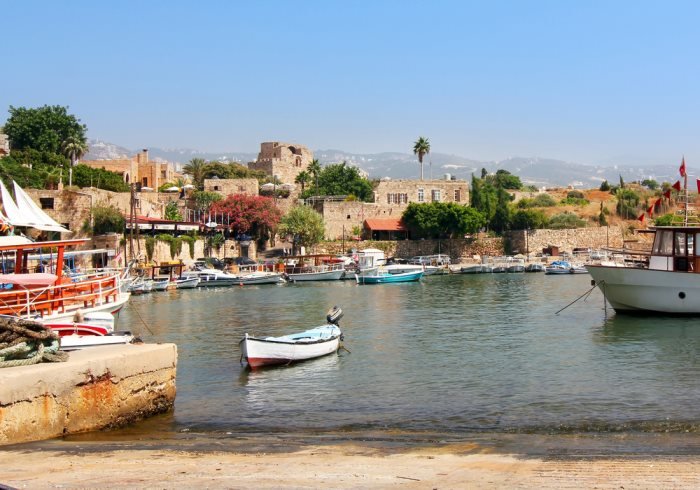
Situated thirty kilometers north of Beirut along the Mediterranean shore, Byblos (known in Arabic as Jbeil) has been permanently inhabited since around 5000 BC. Established by Neolithic fishermen, Byblos grew into a paramount maritime trading port during the Bronze Age, exporting cedar timber and olive oil to ancient Egypt.
Byblos played a monumental role in human intellectual history. It was the primary trading center for Egyptian papyrus, giving rise to the Greek word for book (biblos), from which the word “Bible” is derived. Furthermore, the Phoenician alphabet, the ancestor of the Greek, Latin, Cyrillic, and Arabic writing systems, was developed and standardized in Byblos.
1. Jericho, Palestinian Territories: About 9000 BC
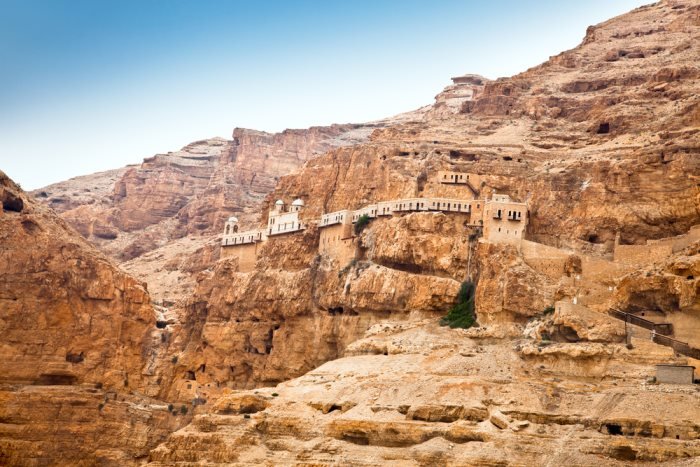
Resting in the Jordan Valley at approximately 258 meters (846 feet) below sea level, Jericho holds the undisputed title of the oldest continuously inhabited city on Earth, with archaeological strata dating back to roughly 9000 BC. The city’s perpetual habitation was made possible by the abundant freshwater springs of Ein es-Sultan, creating a fertile oasis in the arid desert.
At the archaeological tell of Tell es-Sultan, excavators discovered the famous Tower of Jericho, a stone watchtower built around 8000 BC that represents one of humanity’s earliest monumental stone architectural structures. Through the transition from hunter-gatherer societies to settled farming, Jericho has preserved an unbroken chain of human dwelling across eleven millennia.
Conclusion
The survival of these ten ancient settlements through thousands of years of human history demonstrates the enduring power of geographic advantage, natural resources, and human adaptability. These cities remain living archives of humanity’s deepest urban origins, continuing to thrive long after other ancient wonders faded into the sands of time.