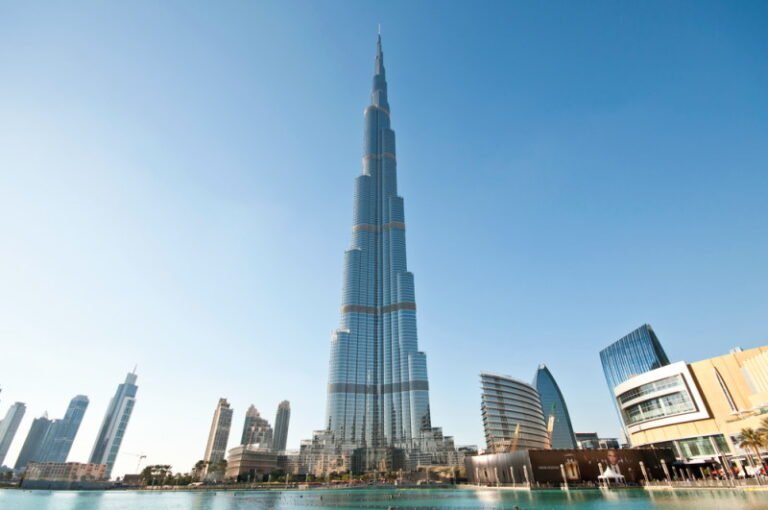
Some countries reach high into the clouds. Others barely rise above the waves. For low-lying nations, especially small island states, every centimeter of sea-level rise is a serious threat.
These are the ten lowest countries in the world, ranked by their average elevation above sea level. Figures differ between sources, so treat them as approximate.
1. Maldives: about 1.5 meters
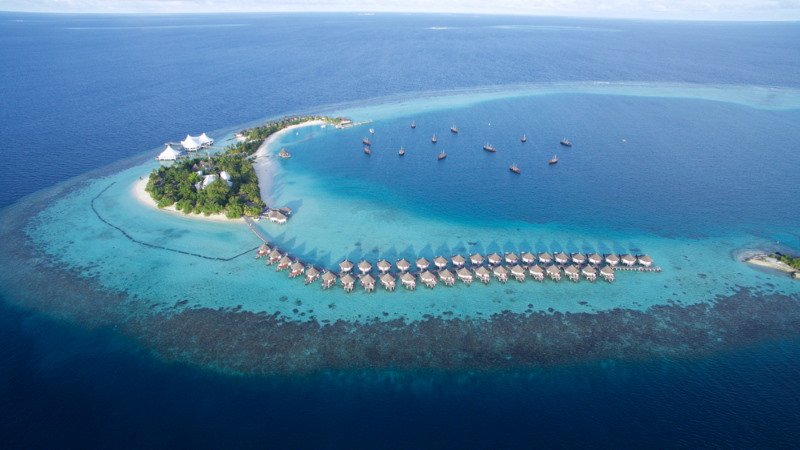
The Maldives, a chain of about 1,200 coral islands in the Indian Ocean, is the lowest country on Earth. On average, the land lies just 1.5 meters above sea level, and its highest natural point is only about 2.4 meters, the lowest high point of any country.
To protect the capital Malé, the country has built a massive sea wall, and next door it created Hulhumalé, an artificial island raised about two meters above sea level.
2. Tuvalu: about 2 meters
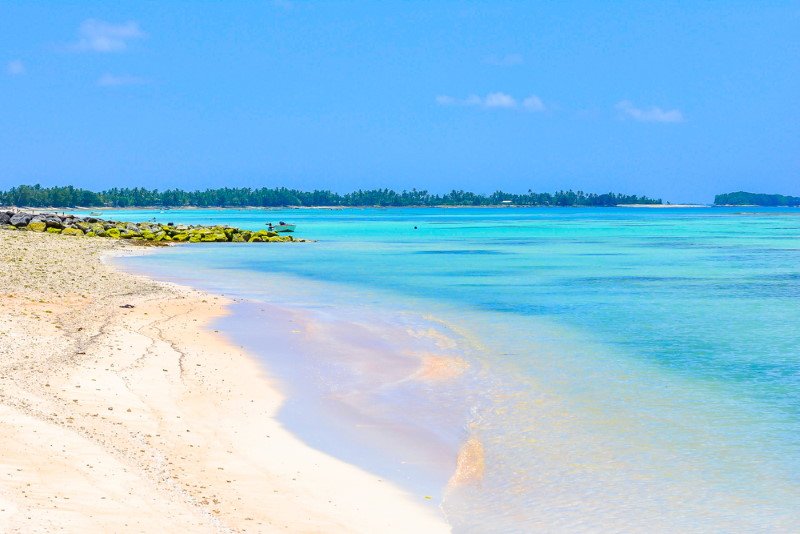
Tuvalu, in the South Pacific, is one of the smallest countries in the world, with just 26 square kilometers of land spread over nine islands. In some places, the land is so narrow that you can see the ocean on one side and the lagoon on the other.
During king tides, seawater bubbles up through the porous coral ground and floods roads and gardens. In 2023, Tuvalu signed a treaty with Australia that allows a number of Tuvaluans to move there each year because of climate change.
3. Marshall Islands: about 2 meters
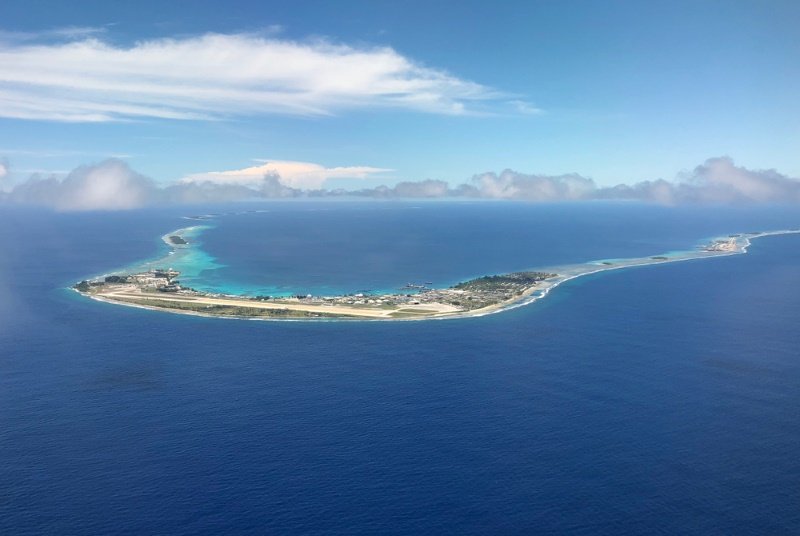
The Marshall Islands consist of 29 coral atolls and five islands scattered over almost two million square kilometers of the Pacific. The atolls are thin rings of sand and coral sitting on top of ancient sunken volcanoes.
The highest point in the whole country is only about 10 meters. During storms, waves regularly wash over roads and houses, and its people are among the most vulnerable to rising seas.
4. Kiribati: about 2 meters

Kiribati’s 33 islands are spread across an ocean area larger than India. It is the only country in the world that lies in all four hemispheres, north, south, east and west.
Most of its atolls are just a few meters high. As seas rise, salt water is seeping into wells and farmland. In 2014, Kiribati bought land on the Fijian island of Vanua Levu, partly as an insurance policy for the future.
5. Singapore: about 15 meters

Despite its skyscrapers, Singapore is naturally very flat. Its highest natural point, Bukit Timah Hill, is only 163 meters high, and much of the island lies just a few meters above sea level.
Singapore has grown by about 25 percent since independence in 1965 by reclaiming land from the sea. It now spends billions on coastal protection, as about a third of the country lies less than five meters above sea level.
6. Qatar: about 28 meters
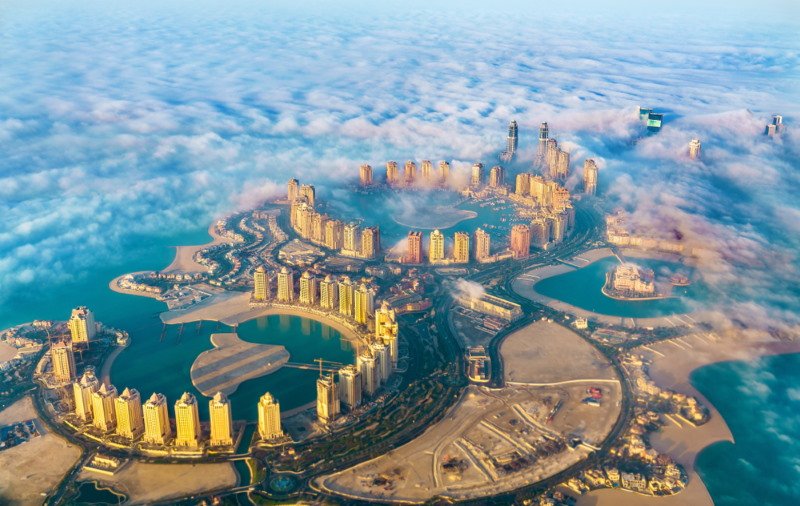
Qatar is a flat desert peninsula sticking out into the Persian Gulf like a thumb. Most of the country is a low plain of limestone covered with sand and gravel.
Its highest point, Qurayn Abu al Bawl, is just 103 meters high. Surrounded by sea on three sides, Qatar has an average elevation of only about 28 meters.
7. Netherlands: about 30 meters
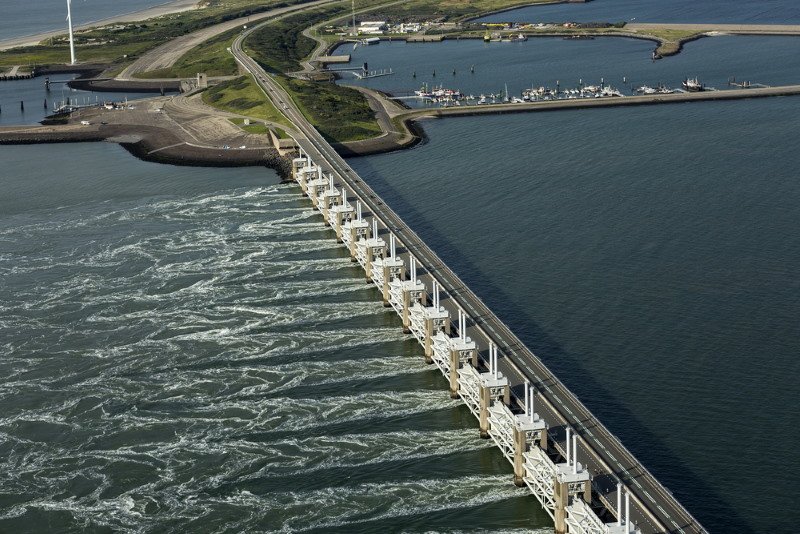
The name says it all: “Netherlands” means “low lands”. About a quarter of the country lies below sea level, and its lowest point, near Rotterdam, is almost 7 meters below sea level. Without dikes and dunes, more than half of the country would regularly flood.
The Dutch have been fighting the water for centuries, with windmills, pumping stations and the famous Delta Works, built after a disastrous flood in 1953 that killed more than 1,800 people. Its average elevation is boosted by the hills in the far south and east.
8. Gambia: about 34 meters
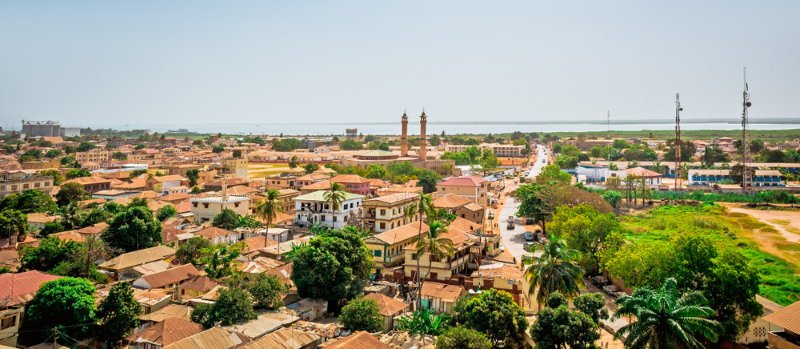
Gambia, the smallest country on the African mainland, is a narrow strip of land along the Gambia River, completely surrounded by Senegal except for its short Atlantic coast.
Because the country is basically a river valley, there are almost no hills. Its highest point is only about 53 meters, and much of the land is made up of mangroves, marshes and floodplains.
9. Denmark: about 34 meters
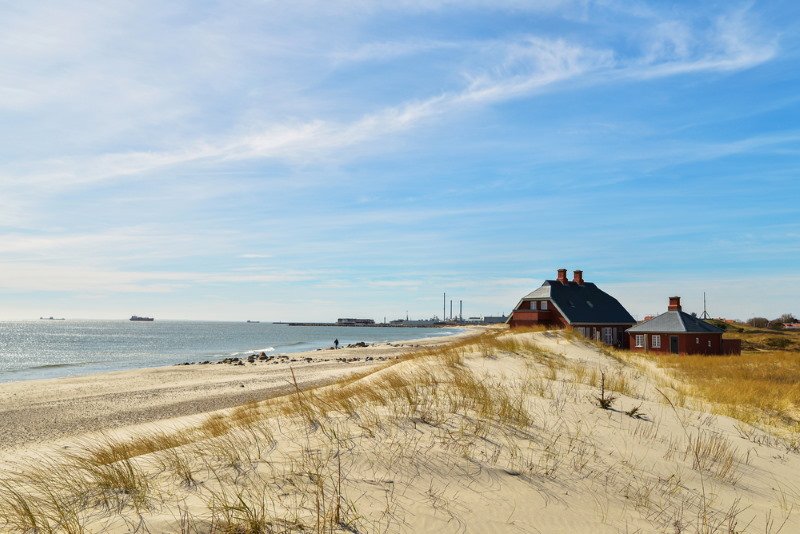
No place in Denmark is more than about 50 kilometers from the sea. The country consists of the Jutland peninsula and hundreds of islands, with rolling hills, beaches and dunes, but no real mountains.
Its highest natural point, Møllehøj, is just 171 meters. Its lowest point, Lammefjord, is a reclaimed fjord about 7 meters below sea level.
10. Estonia: about 61 meters
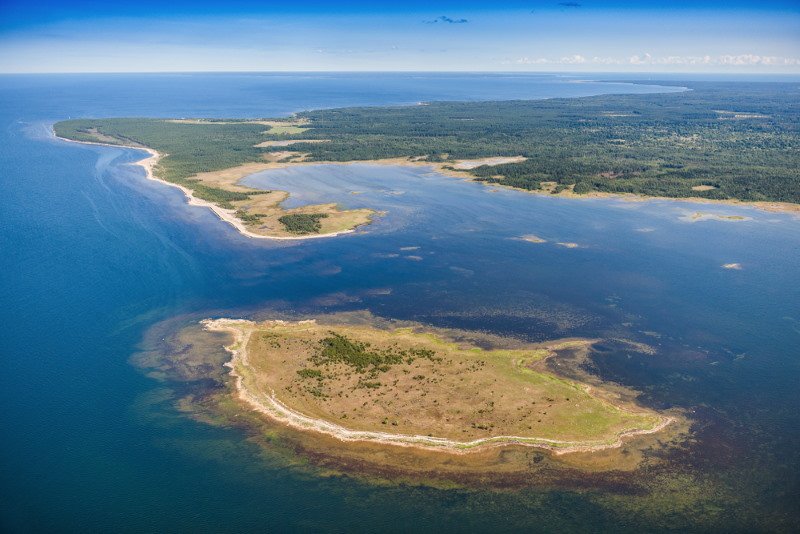
Estonia, on the Baltic Sea, has more than 2,000 islands and a coastline flattened by glaciers during the last ice age, which left behind countless lakes, marshes and bogs.
Its highest point, Suur Munamägi, is a modest hill of 318 meters, with an observation tower on top so visitors can see a little further. With its flat north and west, the average elevation is only about 61 meters.