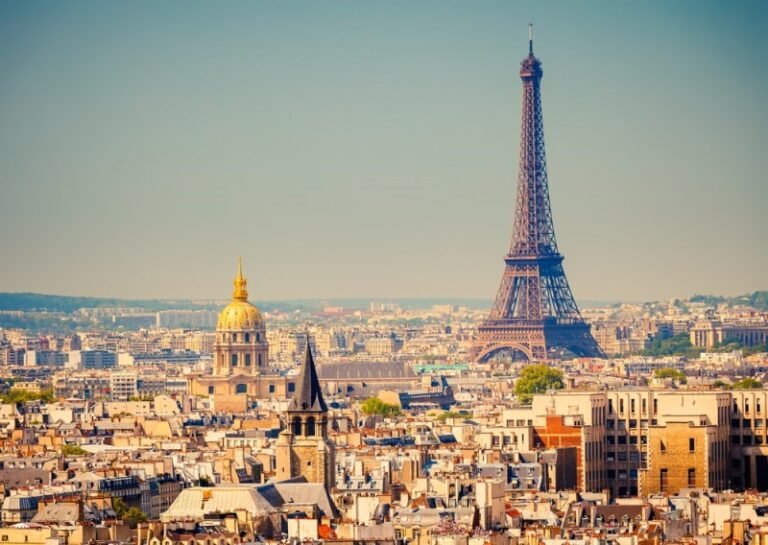
Europe is one of the smallest continents, but it is packed with countries, from giants to microstates. Some are larger than they seem on the map, and some of the biggest are among the least populated.
These are the ten largest countries in Europe by area. For countries that stretch beyond Europe, like Russia and France, we count only the European part.
1. Russia (European part): about 3.96 million km²
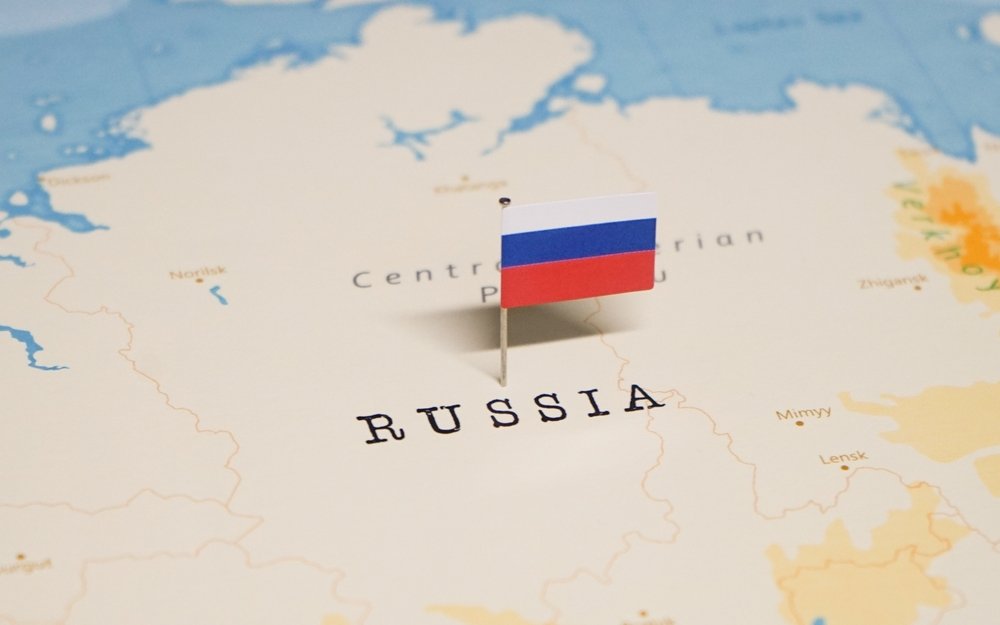
Even just the part of Russia west of the Ural Mountains is by far the largest country in Europe, about six times the size of Ukraine. It makes up around 40 percent of Europe’s total area.
Most Russians live here, including in Moscow and St. Petersburg. The Volga, the longest river in Europe, flows entirely through European Russia.
2. Ukraine: about 603,600 km²
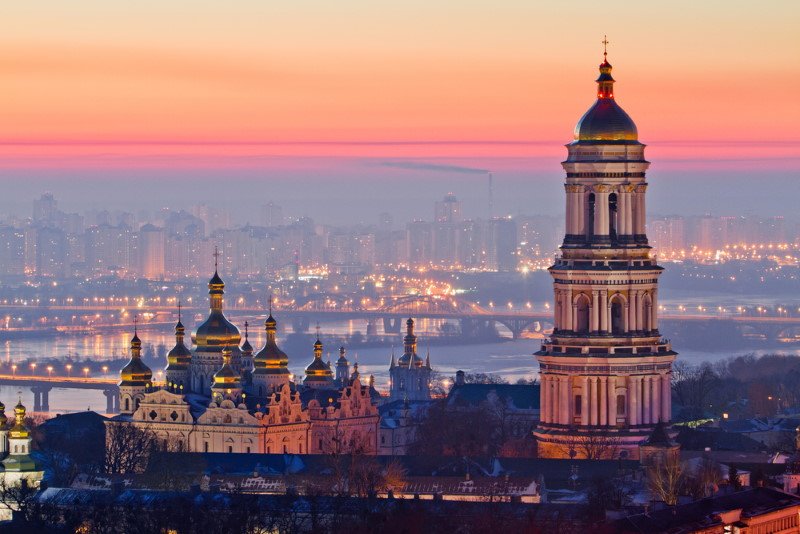
Ukraine is the largest country entirely within Europe. Its fertile black soil, among the richest in the world, has earned it the nickname “breadbasket of Europe”, and it is one of the biggest exporters of wheat, corn and sunflower oil.
This figure is its internationally recognized area, including Crimea and other territories occupied by Russia.
3. France (metropolitan): about 551,700 km²

Mainland France and Corsica together are the largest country in the European Union. The French call it “l’Hexagone” because of its roughly six-sided shape.
France also has overseas territories around the world, from French Guiana in South America to islands in the Pacific. Including those, it covers more than 640,000 km² and spans more time zones than any other country.
4. Spain: about 506,000 km²

Spain covers most of the Iberian Peninsula, along with the Balearic and Canary Islands and two small cities in North Africa, Ceuta and Melilla.
It is one of the most mountainous countries in Europe. Its central plateau, the Meseta, makes Madrid one of the highest capitals in Europe.
5. Sweden: about 450,000 km²

Sweden is the largest country in Northern Europe. More than two thirds of it is covered by forest, and it has nearly 100,000 lakes.
Its coastline is fringed with islands: by one count, Sweden has more than 267,000 of them, more than any other country in the world.
6. Norway: about 385,000 km²
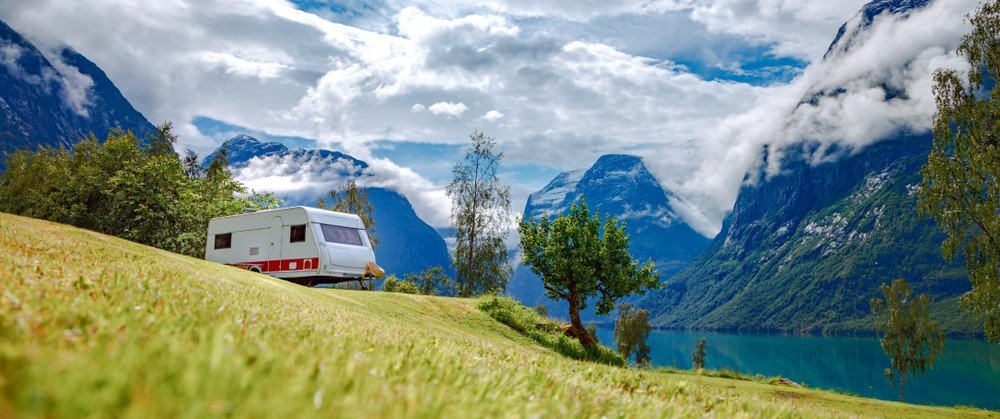
This figure includes the Arctic archipelago of Svalbard. Mainland Norway alone is about 324,000 km², but it feels much bigger: its coastline, with all its fjords, is one of the longest in the world.
From north to south, mainland Norway stretches about 1,700 kilometers, roughly the distance from Oslo to Milan.
7. Germany: about 357,600 km²
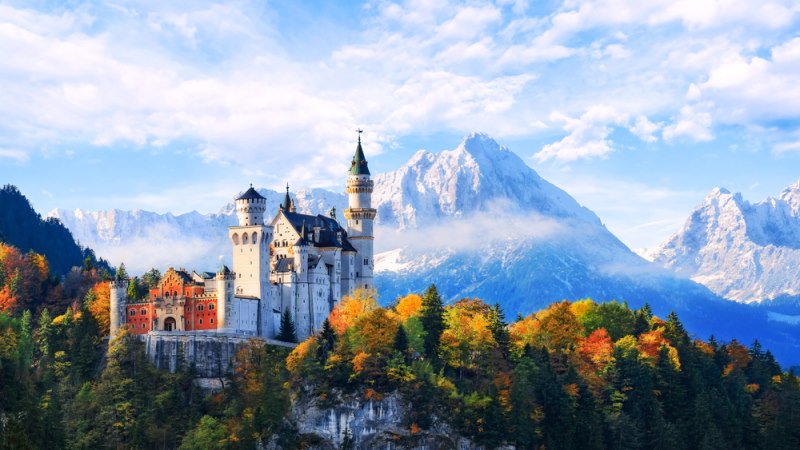
Germany is not one of Europe’s very largest countries by area, but with about 83 million people, it is the most populous country in the European Union and the continent’s largest economy.
It borders nine countries, more than any other country in Europe apart from Russia.
8. Finland: about 338,500 km²
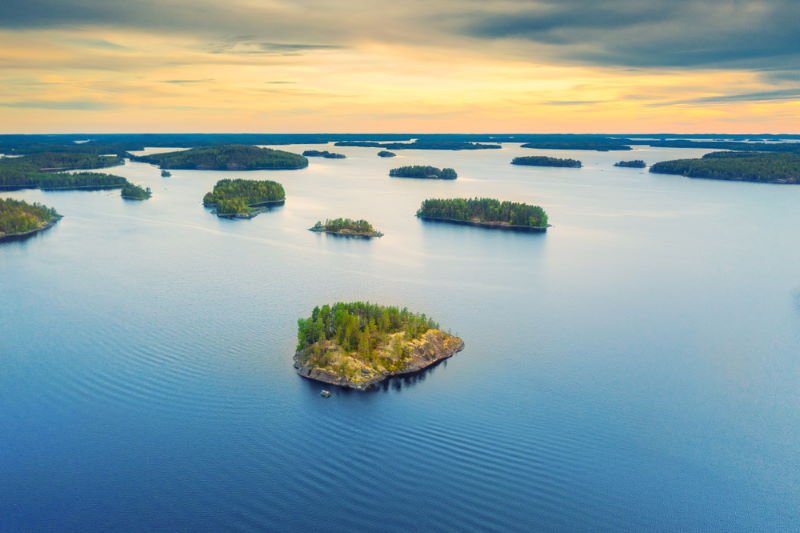
Finland is known as the land of a thousand lakes, but in reality it has about 188,000 of them. Around three quarters of the country is covered in forest.
It is also growing. Since the last ice age, the land has been slowly rising, and Finland gains several square kilometers of new land every year.
9. Poland: about 312,700 km²
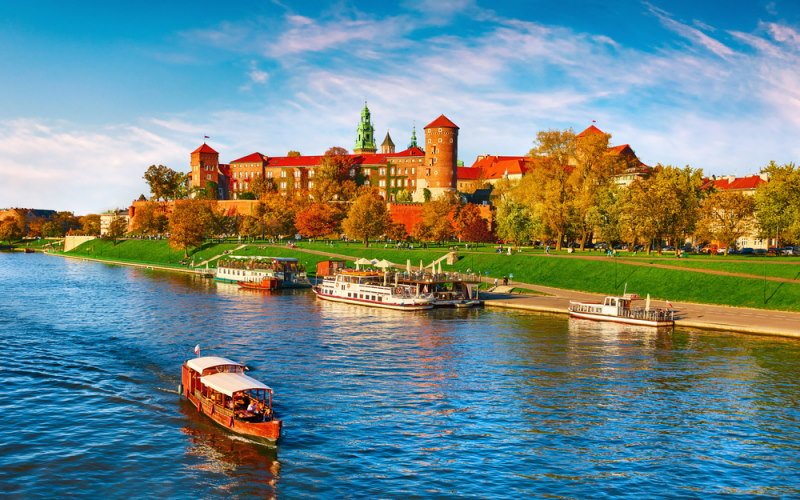
Poland stretches from the Baltic Sea to the Carpathian Mountains. Its borders have moved dramatically through history: after World War II, the whole country was effectively shifted about 200 kilometers to the west.
It is home to the Białowieża Forest, one of the last remaining parts of the primeval forest that once covered much of Europe, where European bison still roam.
10. Italy: about 301,300 km²
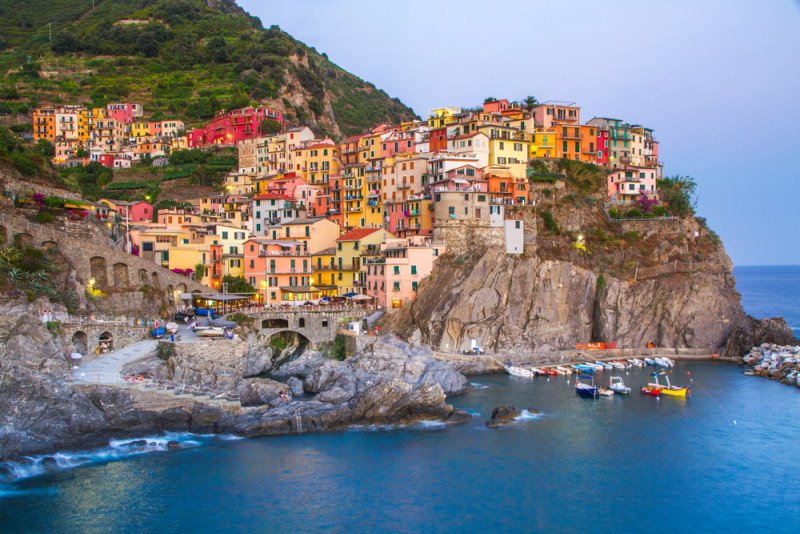
Italy’s famous boot shape stretches more than 1,000 kilometers into the Mediterranean. Two independent microstates lie entirely within its borders: Vatican City and San Marino.
It has more UNESCO World Heritage Sites than any other country in the world.