Almost everything we use every day started on an inventor’s drawing board. But not everything was invented for the purpose we use it for today. Sometimes an experiment failed, sometimes customers found a different use, and sometimes an unexpected side effect solved a completely different problem.
From a failed superglue to a heart medicine, these are ten everyday things that were originally invented for something else.
1. Bubble wrap: failed wallpaper
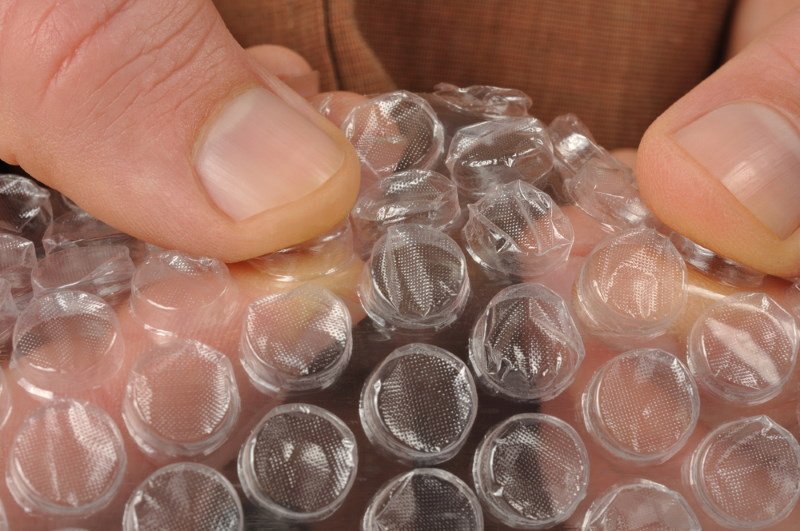
For most people, popping bubble wrap is an addictive pastime. Its inventors, engineers Alfred Fielding and Marc Chavannes, had a very different market in mind in 1957: interior design.
Working in a garage in New Jersey, they tried to create a new textured wallpaper by sealing two plastic shower curtains together. Air bubbles got trapped between the layers. They tried to sell it as trendy 3D wallpaper, and when nobody was interested, as greenhouse insulation. That flopped too.
The breakthrough came around 1960, when IBM needed a way to ship its new 1401 computer without damage. The bubbly plastic was the perfect cushion, and Bubble Wrap went on to become a standard in packaging worldwide.
2. Play-Doh: wallpaper cleaner

The colorful tubs of Play-Doh found in millions of children’s rooms started out in the 1930s as a cleaning product.
At the time, many American homes were heated with coal, which left a layer of black soot on the paper wallpaper. That wallpaper could not be washed with water without tearing. Kutol Products in Cincinnati made a soft, putty-like dough that people rolled over the walls to pick up the soot.
In the 1950s, homes switched to gas and oil heating, washable vinyl wallpaper arrived, and sales collapsed. Then nursery school teacher Kay Zufall, sister-in-law of Kutol’s Joe McVicker, read that the putty could be used for modeling and let her pupils play with it. They loved it. She convinced the company to remove the detergent, add colors and an almond scent, and suggested the name Play-Doh.
3. Viagra: a heart medicine
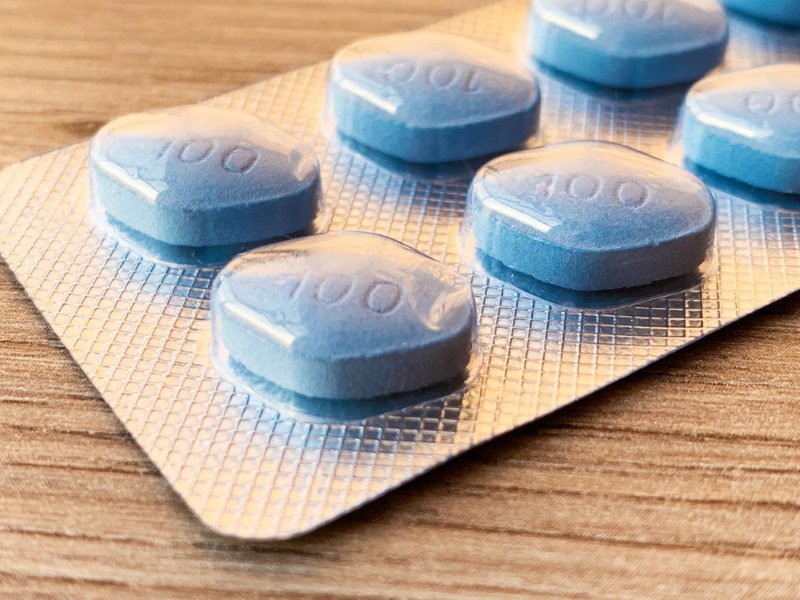
In the early 1990s, Pfizer scientists in Sandwich, England, were working on a compound called sildenafil. They hoped it would treat angina, chest pain caused by narrowed arteries around the heart.
In clinical trials in Wales, the effect on the heart was disappointing. But the researchers noticed an unexpected side effect: many male volunteers reported erections. The drug relaxed blood vessels in the heart only a little, but much more strongly elsewhere in the body.
Pfizer switched direction and patented sildenafil as a treatment for erectile dysfunction. In 1998, the US FDA approved the little blue pill, and it became one of the fastest-selling drugs in history.
4. The microwave oven: a melted candy bar

We owe the microwave oven to a melted candy bar. During and after World War II, American engineer Percy Spencer worked at defense company Raytheon on magnetrons, the tubes that generate microwaves for radar.
In 1945, while standing next to an active magnetron, he noticed that the candy bar in his pocket had melted. Curious, he placed popcorn kernels in front of the tube, and they popped all over the lab. According to the story, he then tried an egg, which exploded.
Raytheon filed a patent the same year and in 1947 built the first commercial microwave oven, the Radarange. It was about 1.8 meters tall and weighed around 340 kilos.
5. Post-it Notes: a weak glue

The world’s most famous office supply exists thanks to an invention that was first considered useless. In 1968, 3M chemist Spencer Silver was trying to develop a super strong adhesive. Instead, he created a glue made of tiny spheres that stuck to surfaces but could be peeled off easily, again and again, without leaving residue. For years, nobody at 3M knew what to do with it.
The answer came in 1974, from a church choir. Silver’s colleague Art Fry was annoyed that his paper bookmarks kept falling out of his hymn book. He remembered Silver’s weak glue, put some on a bookmark, and it stayed in place without damaging the pages. The famous canary yellow color was an accident too: the lab next door happened to have only yellow scrap paper.
6. Coca-Cola: a medicine
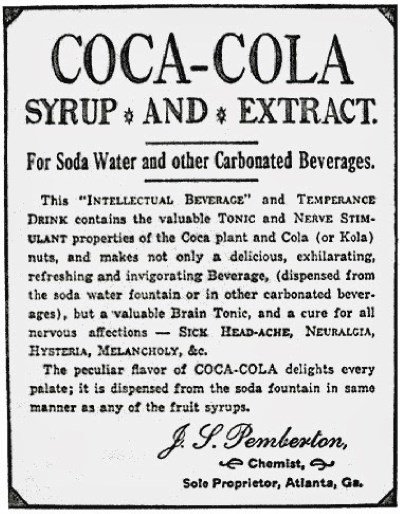
Coca-Cola did not begin as a refreshing soft drink, but as a patent medicine. American pharmacist John Stith Pemberton was badly wounded by a saber in 1865, at the end of the Civil War, and became addicted to the morphine he took for the pain.
Looking for an alternative, he created Pemberton’s French Wine Coca, a mix of wine, extract of coca leaves (the source of cocaine) and caffeine-rich kola nut. He marketed it as a cure for headaches, nervous disorders and addiction.
When Atlanta introduced prohibition in 1886, Pemberton had to drop the wine. He replaced it with sugar syrup and mixed the concentrate with carbonated water. The new drink was sold at pharmacy soda fountains as a tonic. Cocaine was largely removed from the recipe around 1903, but the company still uses coca leaf extract, with the cocaine removed, for flavor.
7. High heels: for horse riders
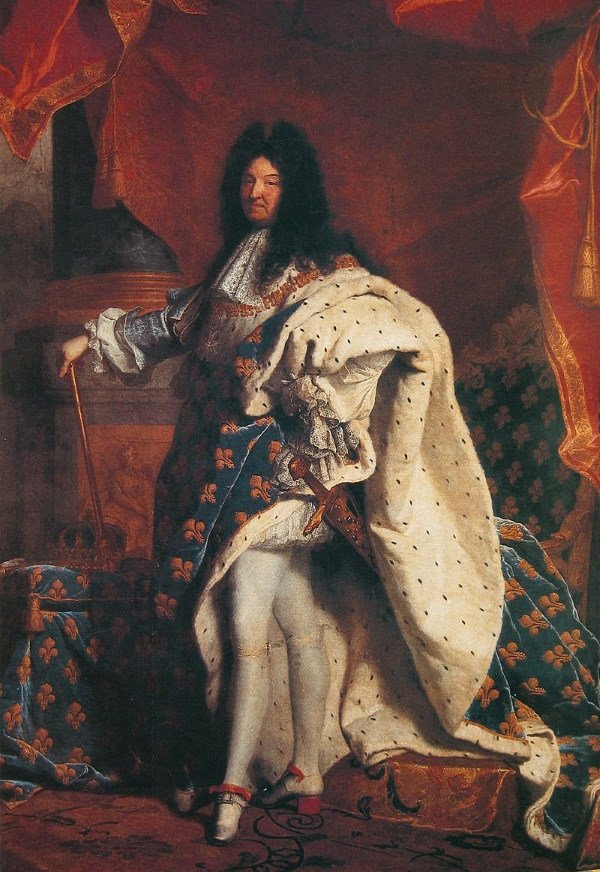
High heels are now seen as typically feminine, but they were originally designed for men on horseback. Persian cavalry wore shoes with raised heels as early as the 10th century.
The heel had a practical purpose: it locked into the stirrup, so an archer could stand up in the saddle at full gallop and shoot accurately without slipping.
When Shah Abbas I sent a diplomatic mission to Europe in 1599, European aristocrats became fascinated with Persian fashion. Noblemen began wearing heels to look taller and more powerful. King Louis XIV of France made red heels a symbol of royal status. Only later did women adopt the trend, and in the 18th century men gradually dropped heels as impractical.
8. Listerine: a surgical antiseptic
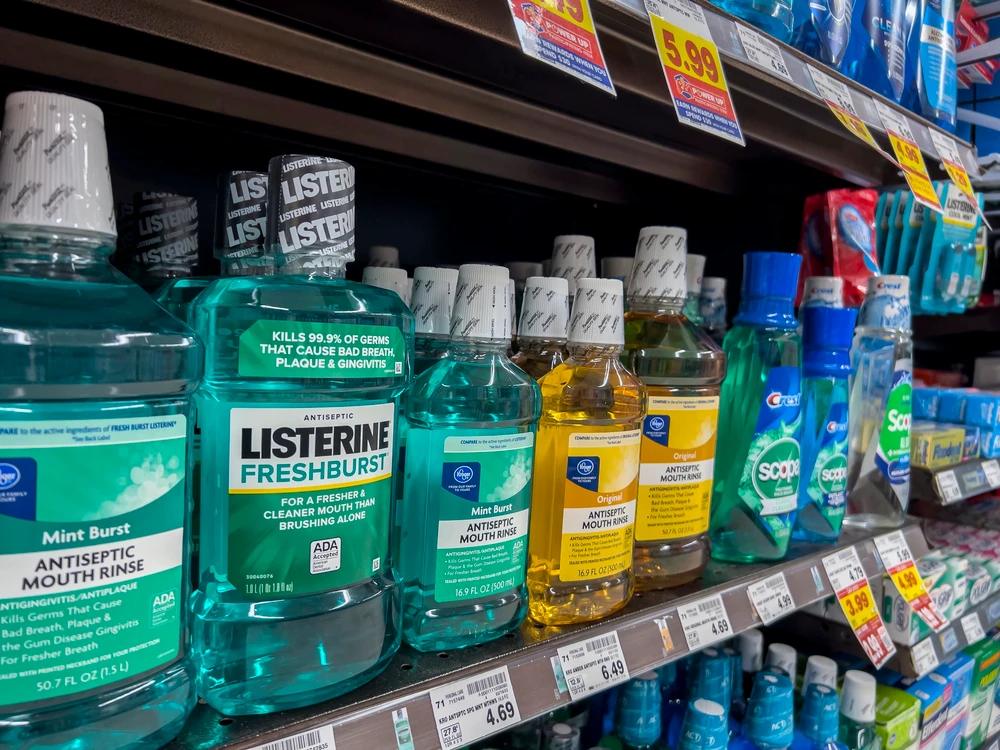
Listerine is now synonymous with fresh breath, but it started out as an antiseptic for surgery. American doctor Joseph Lawrence developed it in 1879 and named it after Joseph Lister, the British surgeon who pioneered sterile operations.
For decades it was sold for almost everything except bad breath. It was promoted as a surgical antiseptic, and later for everything from dandruff to cleaning floors.
The big change came in the 1920s. Gerard Lambert, son of the company’s founder, built an aggressive ad campaign around an obscure medical term: halitosis. Ads warned that bad breath could cost you your job or your chance of marriage. The campaign was a huge success, sales soared, and Listerine became a mouthwash for good.
9. The tea bag: a sample packet
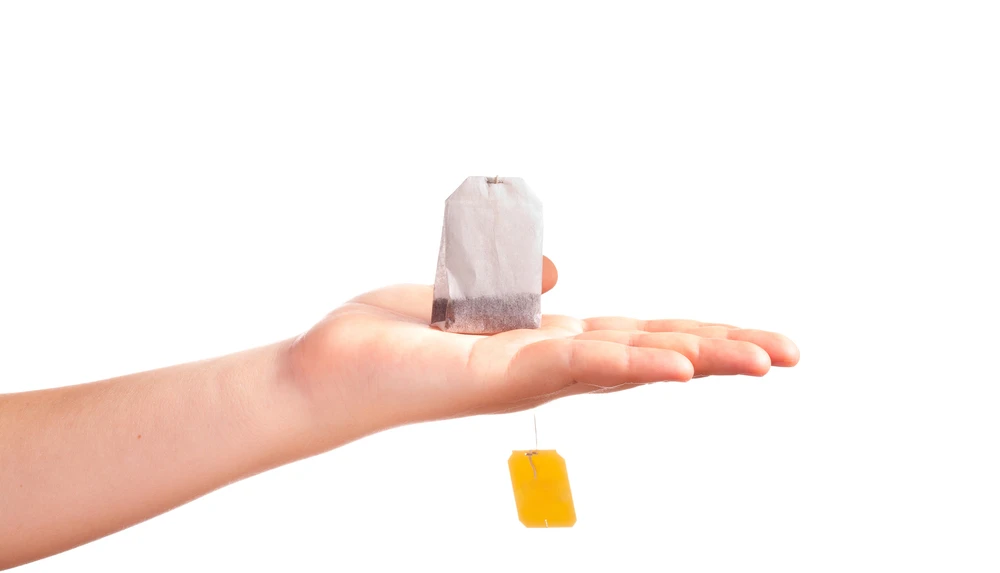
According to the popular story, the tea bag was born because customers misunderstood their instructions. Around 1908, New York tea merchant Thomas Sullivan sent samples of tea to his customers in small silk bags, which were cheaper to send than tins.
The idea was that customers would open the bags and empty the leaves into their teapot. Instead, many simply put the whole bag in hot water, and then asked for more tea in bags. Others had already patented tea bags a few years earlier, but Sullivan’s samples are what made the idea catch on.
10. The vibrator: a medical massager
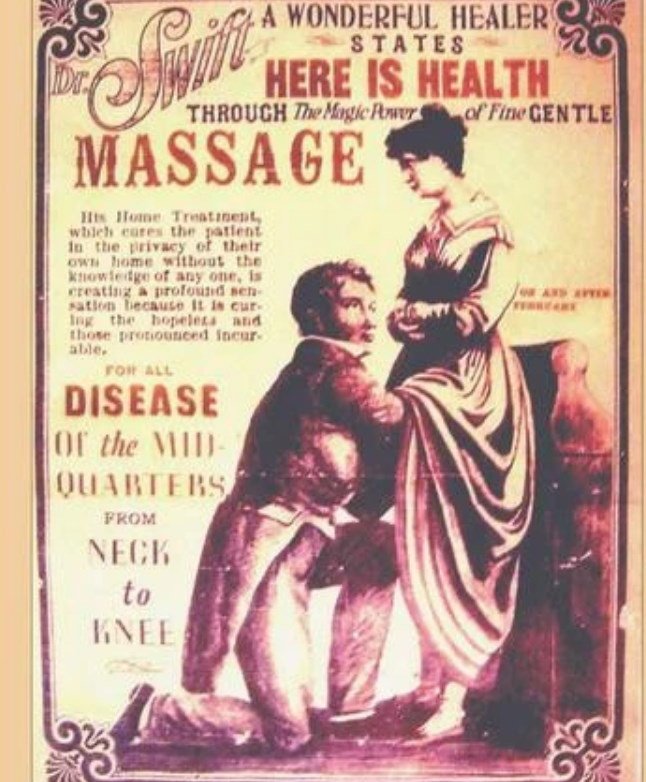
There is a popular story that Victorian doctors invented the vibrator to treat “female hysteria” by bringing patients to orgasm. Historians have since largely debunked that tale.
One of the first electromechanical vibrators was developed in the early 1880s by British doctor Joseph Mortimer Granville. He designed it to treat muscle pain and nerve conditions, in men as well as women. Around 1900, smaller models appeared in catalogs such as Sears, sold as health devices for facial massage, better circulation and headaches. Only later, as it became clear what many customers were really using them for, did vibrators disappear from mainstream catalogs and turn into the adult toys we know today.