For most animal parents, raising their young is a full-time job. But some clever, or lazy, animals have found another strategy: they let others do the hard work. This is called brood parasitism. An animal lays its eggs in the nest of another, which then hatches the eggs and raises the young, often at the expense of its own offspring. These are nine animals that use this sneaky trick.
1. The cuckoo: the classic example
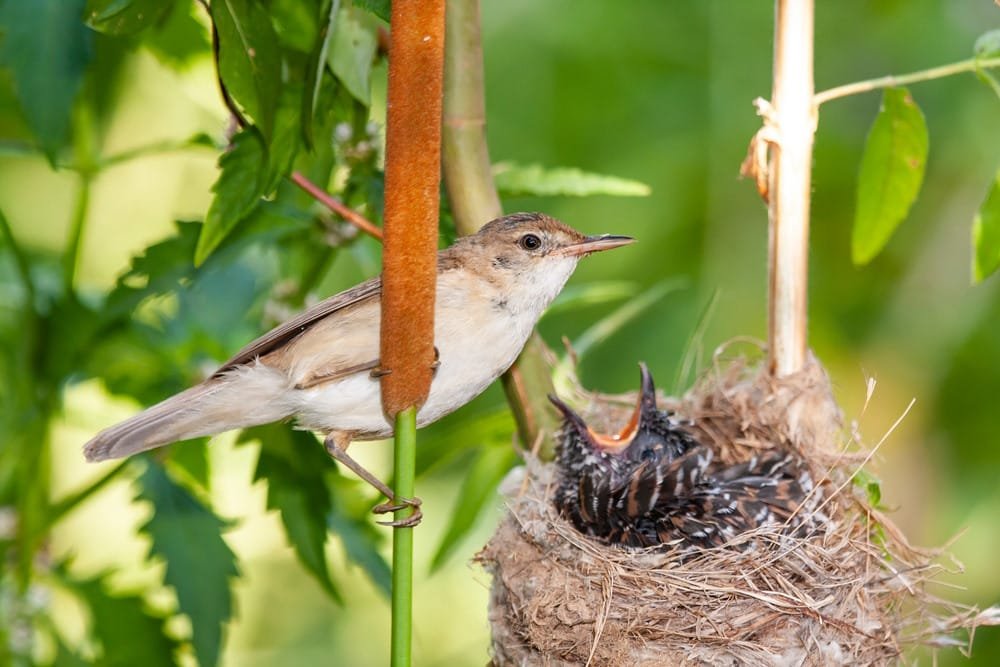
The common cuckoo is the best-known brood parasite. The female lays her egg very quickly, often in a matter of seconds, in the nest of a small songbird, such as a reed warbler, dunnock or meadow pipit. She often removes or eats one of the host’s eggs first.
The cuckoo chick usually hatches before the host’s eggs, and within hours, it instinctively pushes the other eggs or chicks out of the nest. It then gets all the attention and food from its unsuspecting foster parents, who keep feeding it even when it has grown many times larger than they are.
2. Cuckoo eggs: masters of disguise
Cuckoos are an example of an evolutionary arms race. Each female cuckoo usually specializes in one host species, and lays eggs that closely resemble that host’s eggs in color and pattern, so that the hosts do not recognize and reject them. In response, hosts evolve better egg recognition, and cuckoos evolve better mimicry. Some hosts even mob adult cuckoos near their nest. Cuckoo eggs also have thicker shells, so they are less likely to break when dropped quickly into a nest.
3. Cowbirds: generalists that use hundreds of hosts
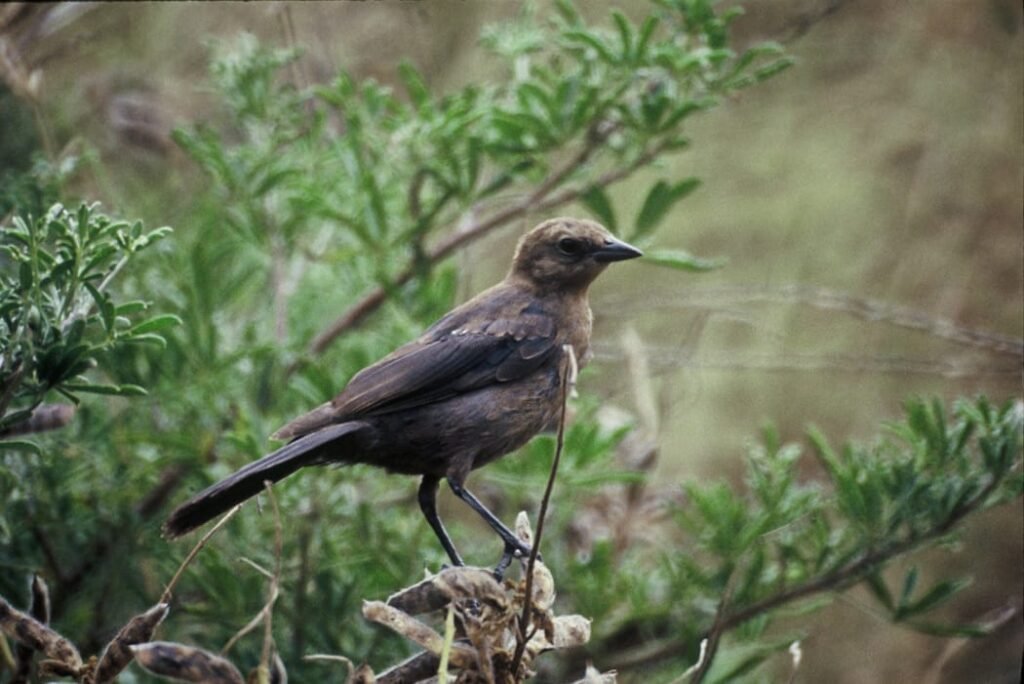
Cowbirds from North and South America are notorious brood parasites too. Unlike many cuckoos, the brown-headed cowbird is a generalist: it lays its eggs in the nests of more than 200 different bird species. A single female can lay dozens of eggs in one season.
Cowbird chicks usually do not push the other chicks out of the nest, but they grow faster and demand more food, so the host’s own chicks often starve or fall behind. Research suggests that cowbirds sometimes destroy the nests of hosts that reject their eggs, a kind of “mafia” behavior that encourages hosts to accept them.
4. Honeyguides: guides and killers
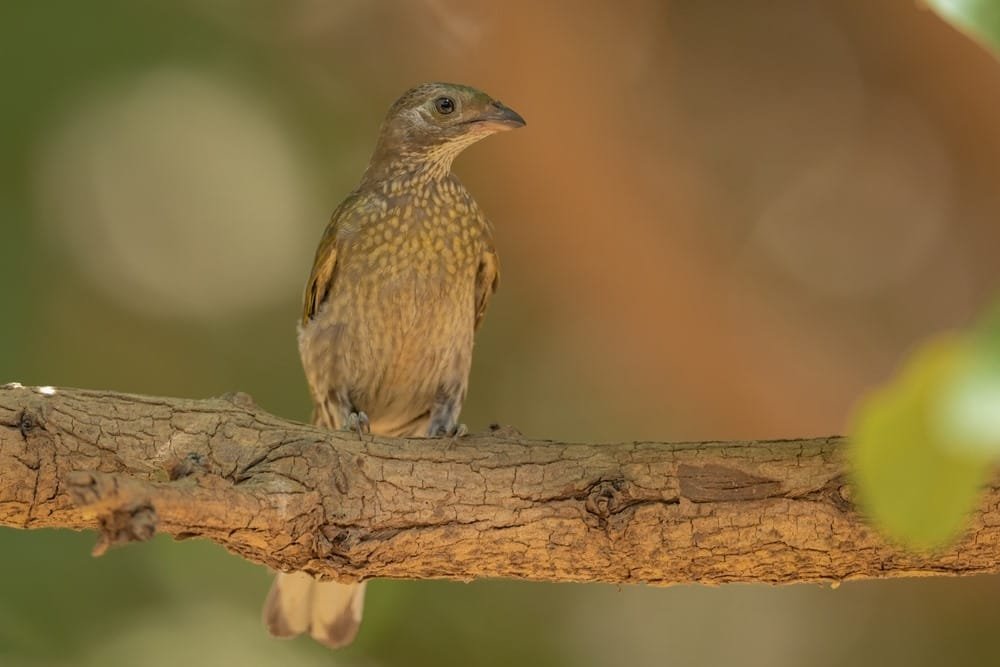
The greater honeyguide from Africa is famous for leading people to wild bee nests. Honey hunters call it with special sounds, and the bird guides them to a hive. After the people have opened it and taken the honey, the bird feeds on the wax and larvae that are left behind.
But honeyguides are also brood parasites. They lay their eggs in the nests of hole-nesting birds, such as woodpeckers and barbets. The honeyguide chick hatches with a sharp hook on the tip of its beak, which it uses to kill the host’s chicks in the dark nest. The hook disappears after a few weeks.
5. Indigobirds and whydahs: copying the chicks
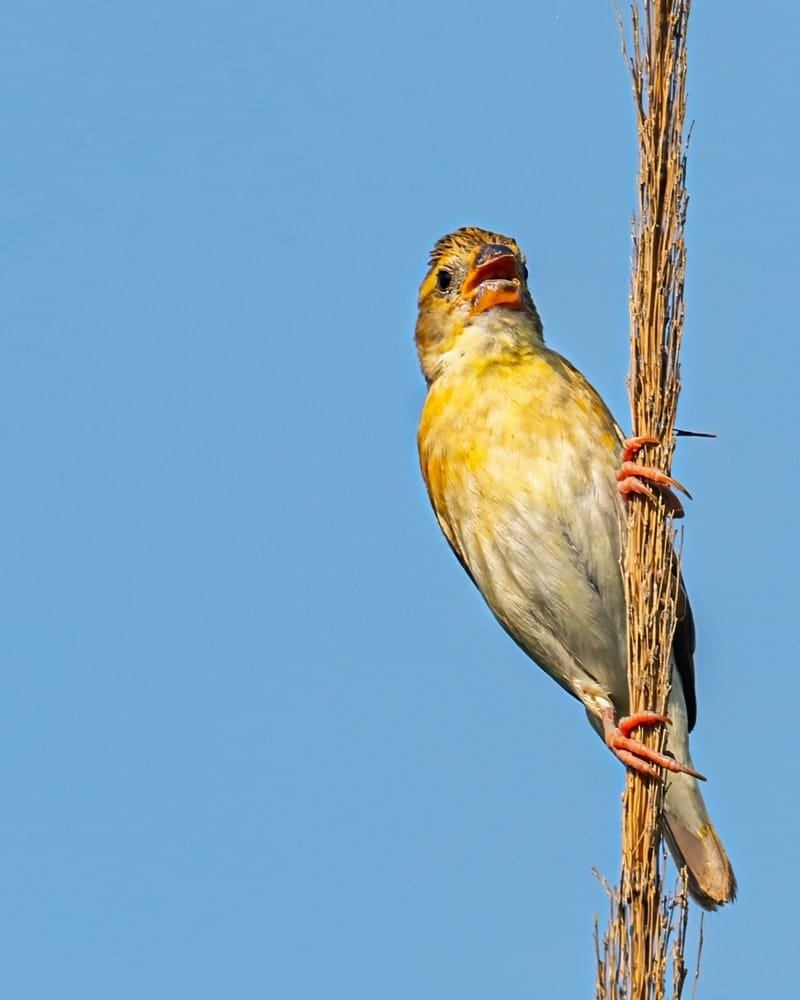
The indigobirds and whydahs of the genus Vidua, from Africa, parasitize the nests of finches, each species usually specializing in one host. Their young do not kill the host’s chicks, but grow up alongside them. To be accepted, they mimic the host chicks in an extraordinary way: they copy the unique patterns of colored spots inside the host chicks’ mouths, and even their begging calls. Male indigobirds also learn the song of their host species, which helps females find the right hosts.
6. Coots: laying eggs in a neighbor’s nest
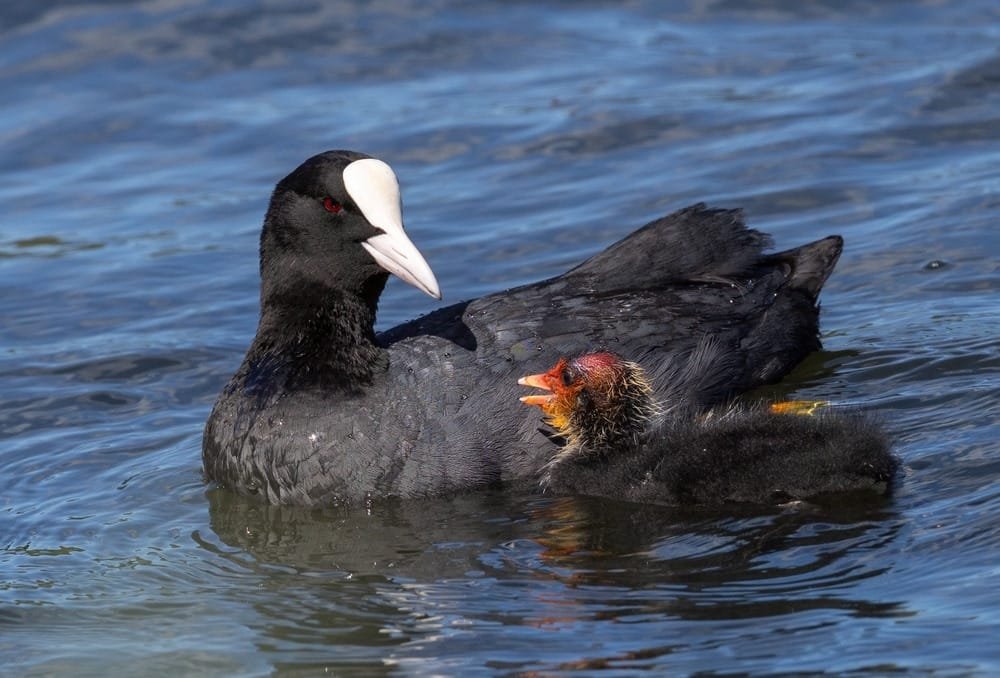
Brood parasitism does not only occur between different species, but also within the same species. Female coots sometimes lay eggs in the nests of other coots, especially when they cannot find a suitable nesting site of their own. The host often incubates these extra eggs, although American coots have been shown to be able to recognize and reject some foreign eggs.
7. Ducks: egg dumping
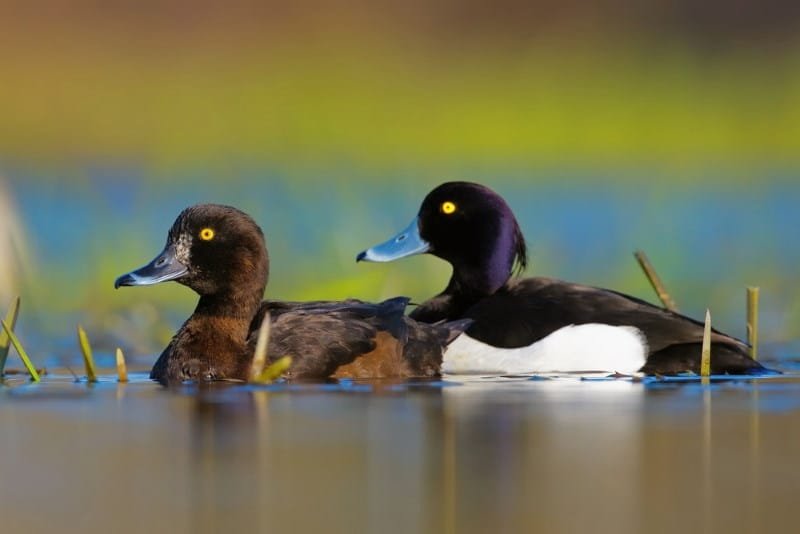
Brood parasitism within the same species is also common in ducks. Females of species such as the tufted duck, the common pochard and the common goldeneye sometimes lay eggs in the nests of other females of their own species, or even of other duck species. This happens more often when nesting sites are scarce. As a result, some duck nests contain far more eggs than a single female could have laid.
8. Cuckoo bumblebees: taking over a colony
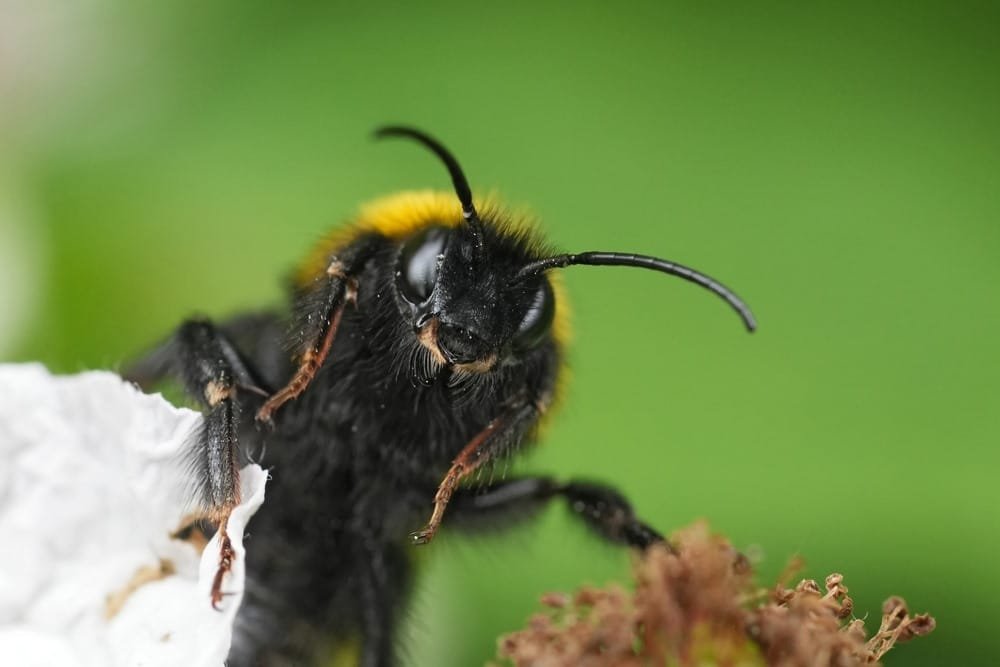
Brood parasitism also occurs in insects. Cuckoo bumblebees do not have workers of their own and cannot collect pollen for their young. A cuckoo bumblebee queen invades the nest of a “true” bumblebee species, kills or subdues the host queen, and then lays her own eggs.
The workers of the host colony then raise the cuckoo bumblebee’s larvae, which develop into new queens and males, but no workers. Some cuckoo bumblebees even mimic the scent of the host colony to avoid being attacked.
9. Cuckoo catfish: eggs in a mouth
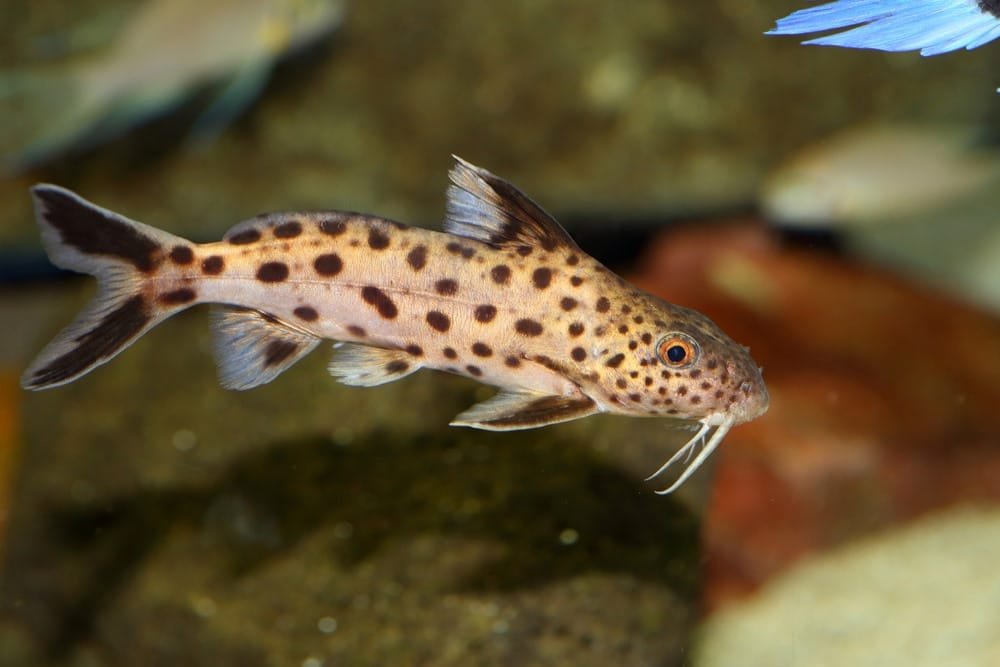
Brood parasitism even occurs in fish. The cuckoo catfish from Lake Tanganyika in Africa has a sneaky strategy. When mouthbrooding cichlids are spawning, the catfish swim in, lay their own eggs among the cichlid’s eggs and eat some of the cichlid’s eggs at the same time.
The female cichlid then takes both her own eggs and the catfish eggs into her mouth to protect them. The catfish young hatch earlier, and then eat the cichlid’s young inside their foster mother’s mouth. Eventually, the unsuspecting cichlid releases a brood of young catfish into the world. It is the only known true brood parasite among fish.