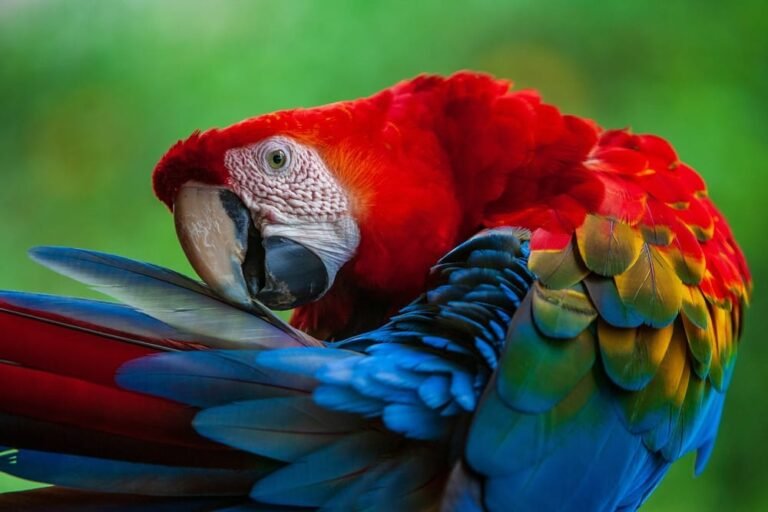
Fire is one of the most destructive forces in nature, capable of transforming entire landscapes in a short time. Yet some animals have developed remarkable adaptations to survive wildfires, and some even benefit from them. From beetles that detect fires from afar to mammals that shelter underground, these are eight animals with a special relationship with fire.
1. Fire beetles detect fires from far away
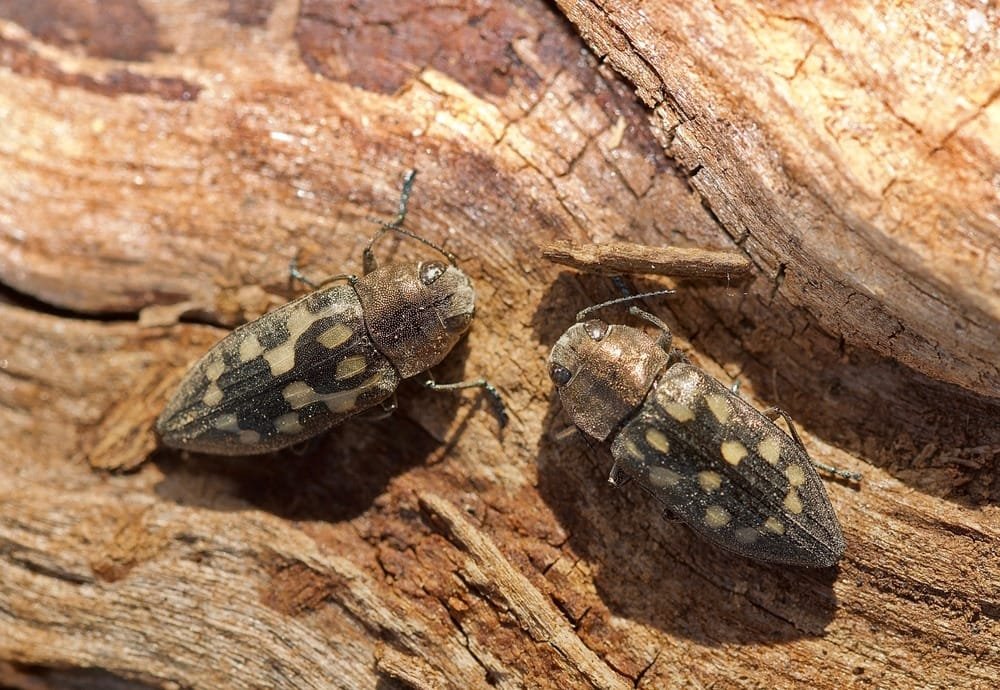
Jewel beetles of the genus Melanophila, also known as fire beetles, have an almost supernatural ability to detect wildfires, possibly from many kilometers away. They have special infrared sensors in small pits next to their middle legs, with which they can sense the heat radiation of a fire.
Why do they seek out fires? They fly to freshly burned trees, sometimes while the fire is still smoldering, to mate and lay their eggs in the damaged wood. The larvae then develop in the dead trees, which can no longer defend themselves with resin, and where many competitors and predators have been driven away or killed by the fire. Engineers have even studied these sensors to design better infrared detectors.
2. Black-backed woodpeckers thrive in burned forests
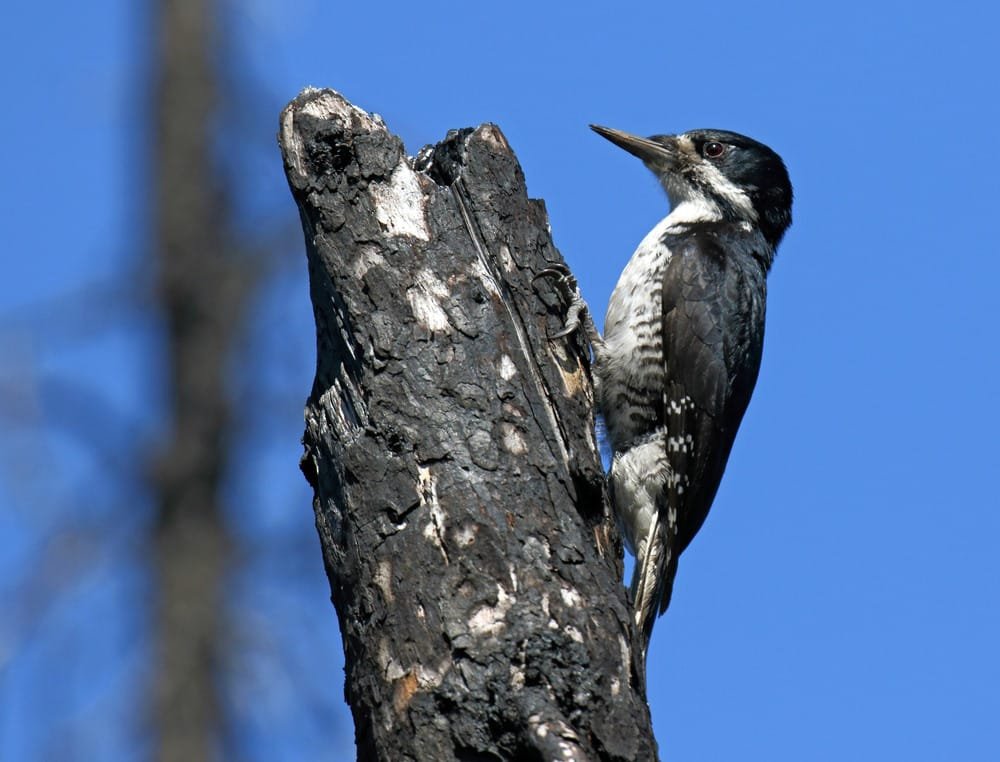
The black-backed woodpecker (Picoides arcticus) of North America is a true fire specialist. It flourishes in recently burned forests, where there are large numbers of dead and dying trees. These trees attract wood-boring beetle larvae, the woodpecker’s favorite food.
Its black back even provides camouflage against charred tree trunks. The woodpeckers easily excavate nest holes in the burned wood, and the holes they leave behind are later used by many other animals. A few years after the fire, when the beetles have moved on, the woodpeckers move on too, to the next burned area.
3. Kangaroo rats shelter underground
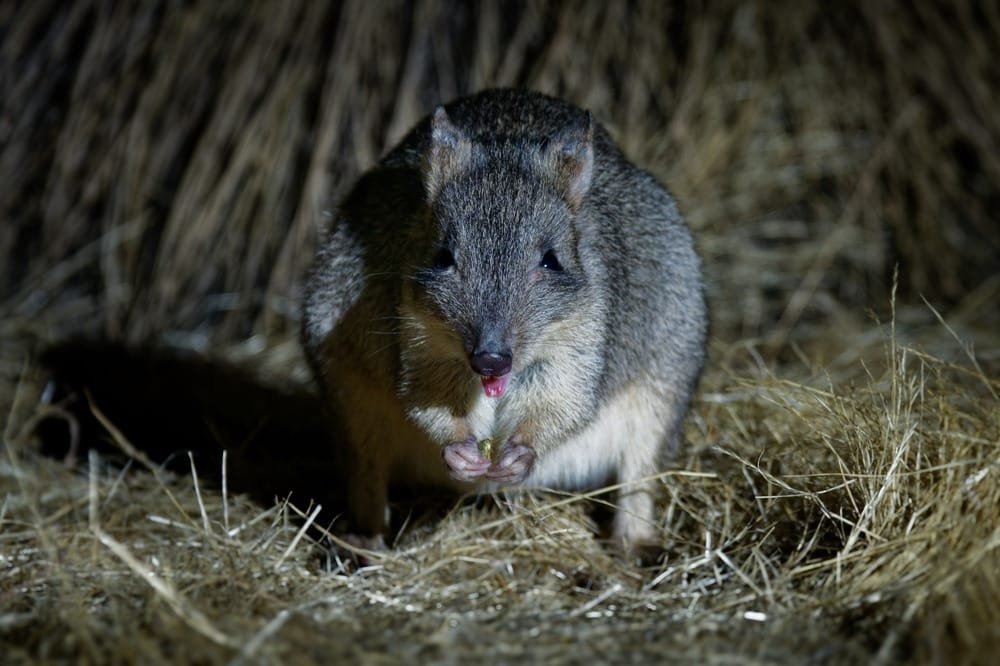
Kangaroo rats are small rodents from the dry regions of North America, where fires occur regularly. They survive by sheltering in their deep underground burrows. Just a few centimeters below the surface, the soil stays relatively cool even when the fire above is extremely hot.
After the fire, they come out and feed on seeds exposed by the flames, or on the seeds they had stored in their burrows beforehand.
4. Australian fire beetles
Like Melanophila, the Australian beetle Merimna atrata is attracted to wildfires. It has infrared sensors on its abdomen and is also thought to be able to smell smoke. The beetles fly to burning or smoldering eucalyptus forests to mate and lay eggs. The fire eliminates competition and predators, and the weakened wood is ideal for the development of their larvae. Some even run around on the still-hot ground.
5. Wombat burrows as unintentional fire shelters
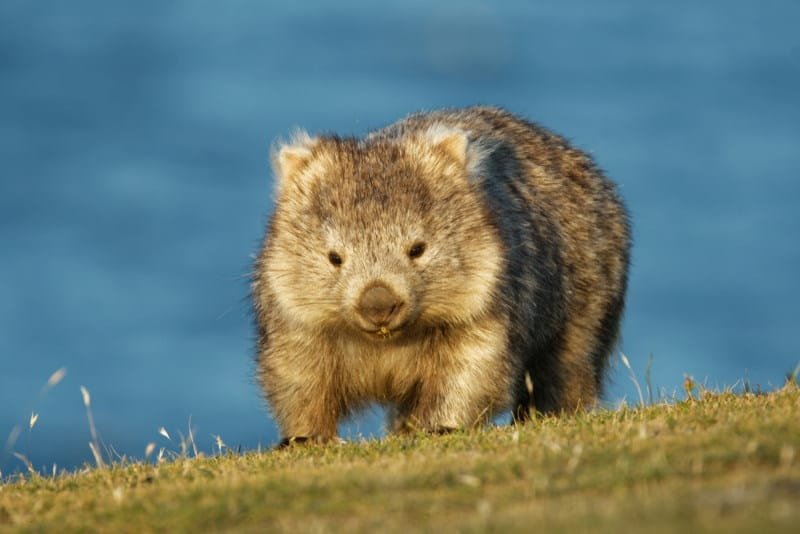
Wombats are known for their extensive and deep burrow systems. During the devastating Australian bushfires of 2019 and 2020, stories went viral claiming that wombats were “herding” other animals into their burrows to save them. That is an exaggeration: wombats do not deliberately help other animals.
What is true is that their burrows can offer shelter. Researchers have filmed many other animals, such as wallabies, lizards and birds, using wombat burrows, and burrows can stay much cooler than the surface during a fire. So a wombat burrow can act as an unintentional fire bunker.
6. “Firehawks” that spread fire
In northern Australia, Aboriginal people have long told stories about birds of prey that deliberately spread fire. In 2017, researchers published accounts from firefighters and Aboriginal rangers describing black kites, whistling kites and brown falcons picking up burning sticks and dropping them in unburned grass, sometimes even across rivers or firebreaks.
This spreads the fire and drives small animals, such as rodents, lizards and insects, out of hiding, making them easy prey for the birds circling above the fire front. If confirmed, it would be one of the first known examples of animals other than humans deliberately using fire.
7. Echidnas sleep through the fire
The short-beaked echidna, a spiny, egg-laying mammal from Australia, has a clever strategy. When a fire approaches, it digs into the soil or hides in a burrow, rock crevice or hollow log, and lowers its body temperature and metabolism, entering a state called torpor. Research after controlled burns showed that echidnas could stay in this energy-saving state for days or even weeks after a fire, when there is little food, and then recover as the landscape regrows.
8. The fire salamander: a misleading name
The fire salamander, a black and yellow amphibian from Europe, owes its name to an old misunderstanding. Salamanders like to hide in damp, rotting logs. When people put those logs on the fire, the salamanders came running out of the flames, which led to the medieval belief that salamanders were born from fire or could not be harmed by it. In reality, the salamander does not withstand fire at all: it simply flees from it, as fast as it can.