Nature is full of surprises, and some animals have developed truly remarkable techniques to catch their prey. From deadly traps to cunning tricks, these animals show that survival often depends on creativity. These are 12 animals with the most bizarre hunting techniques.
1. Pistol shrimp: a bang that stuns
The pistol shrimp has one oversized claw that it can snap shut at incredible speed. This shoots out a jet of water so fast that it creates a bubble, which collapses with a loud bang and a shock wave powerful enough to stun or kill small fish. For a fraction of a second, the temperature inside the collapsing bubble reaches several thousand degrees, close to the temperature of the surface of the Sun.
2. Bolas spider: a lasso with perfume
Instead of a web, the bolas spider hunts with a single silk thread with a sticky blob at the end, which it swings around like a lasso. The trick: the blob gives off chemicals that mimic the sex scent of female moths. Male moths fly toward it, looking for a partner, and get stuck. Some species can even change their scent during the night to attract different moth species.
3. Spider-tailed horned viper: a fake spider
This snake from the mountains of western Iran has a tail tip that looks remarkably like a spider, complete with “legs”. It lies camouflaged among the rocks and wiggles its tail like a spider scurrying around. Birds that come to catch the “spider” get a nasty surprise: the snake strikes in a flash. It was only described as a separate species in 2006.
4. Deep-sea anglerfish: a fishing rod with a light
Deep-sea anglerfish, such as the humpback anglerfish, have a modified fin ray on their heads that works like a fishing rod, with a glowing lure at the tip. In the pitch-dark depths, curious prey swim toward the light. As soon as one comes close enough, the anglerfish opens its huge mouth and sucks it in, sometimes swallowing prey larger than itself.
5. Antlion: a sand trap
The larva of the antlion digs a perfect funnel-shaped pit in loose sand and buries itself at the bottom, with only its jaws sticking out. When an ant walks over the edge, the sand slides down and the victim tumbles toward the waiting jaws. If the ant tries to climb out, the larva flicks sand at it to knock it back down.
6. Bigfin squid: mysterious long arms
The bigfin squids (Magnapinna) are among the most mysterious animals in the deep sea. They have extremely long, thin arms with a strange “elbow”, which can be many times the length of their body. They have only been filmed a handful of times by deep-sea robots. Scientists think they may drag their arms along the sea floor or hold them still like a net to catch passing prey, but nobody knows for sure.
7. Ribbon worms: a harpoon from the mouth
Ribbon worms have a long tube, the proboscis, which they can shoot out of their head at lightning speed to grab prey. In some species, the proboscis is armed with a sharp, venomous stylet, a kind of harpoon. Others wrap their sticky proboscis around their prey. The proboscis can sometimes be almost as long as the worm itself.
8. Fork-tailed drongo: a master of deception
The fork-tailed drongo from Africa is a clever bird that often acts as a lookout for other animals, such as meerkats, giving genuine alarm calls when a predator approaches. But sometimes it raises a false alarm, even imitating the alarm calls of other species, just when a meerkat has caught something tasty. The meerkat flees, and the drongo swoops down to steal the food it left behind.
9. Trapdoor spider: an ambush from below
Trapdoor spiders dig a burrow in the ground and close it with a well-camouflaged lid made of soil and silk, attached with a silk hinge. They wait behind the door, often sensing vibrations through silk threads around the entrance. When an insect walks past, the spider flings the door open, grabs its prey and drags it into the burrow, all in a fraction of a second.
10. Humpback whales: bubble nets
Humpback whales use one of the most impressive hunting techniques in the ocean: bubble-net feeding. A group of whales works together to catch schools of fish or krill. While swimming in a spiral below the prey, one or more whales blow streams of bubbles, forming a curtain that traps the fish in a tight ball. Then the whales surge upward through the middle with their mouths wide open, swallowing huge amounts of prey at once.
11. Green heron: fishing with bait
The green heron of North and Central America has a remarkable way of attracting fish. It drops small objects, such as bread, insects, feathers or twigs, onto the water as bait. When curious fish come up to investigate, the heron strikes with its sharp beak. This makes the green heron one of the few birds known to use tools to hunt.
12. Alligator snapping turtle: a living lure
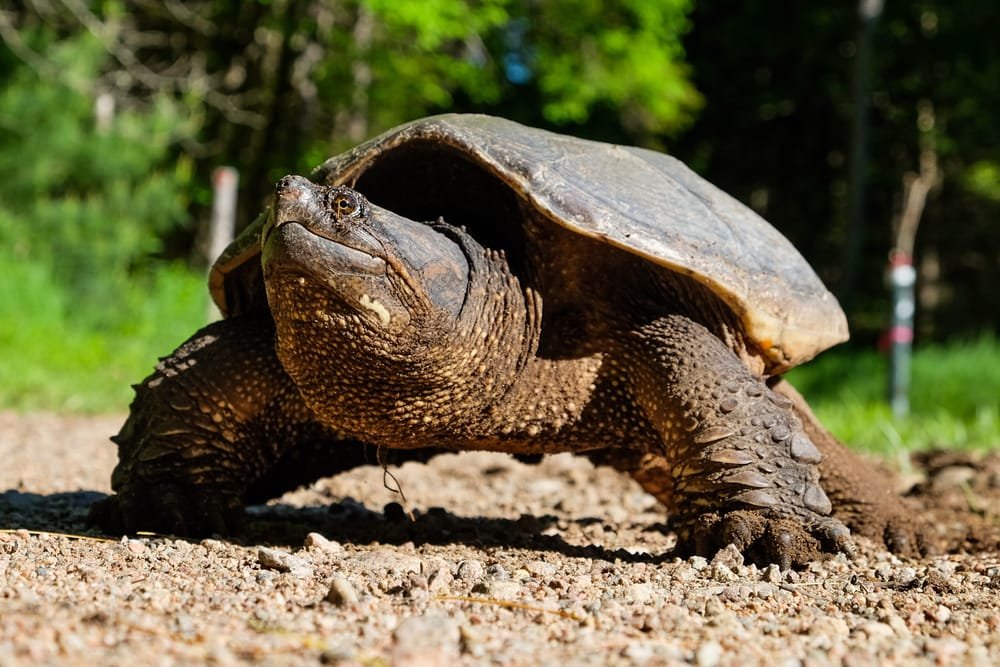
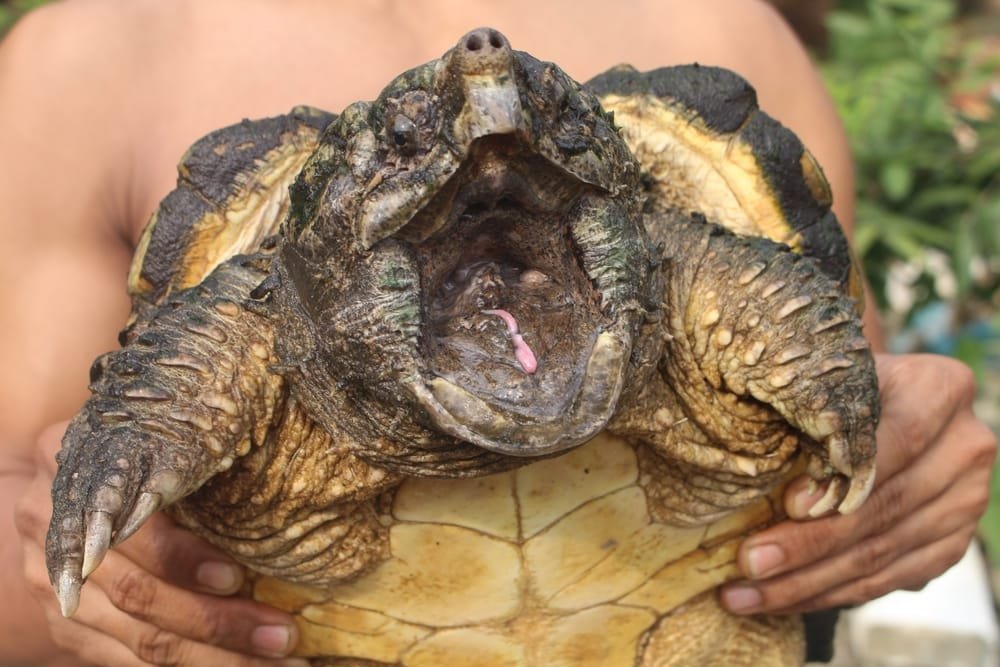
The alligator snapping turtle lies motionless on the bottom of the water with its mouth wide open. On its tongue is a pink, worm-like appendage that it wiggles to lure fish. As soon as a fish comes close enough to take the bait, the turtle snaps its incredibly powerful jaws shut.